Search
 English
 中文简体
中文简体 Español
Content
- 1 What is a Silicone Injection Molding Machine?
- 2 Key Features That Make Silicone Injection Molding Machines Valuable
- 3 Industries That Benefit Most from Silicone Injection Molding
- 4 Material Advantages of Silicone in Injection Molding
- 5 Design Considerations for Silicone Injection Molded Products
- 6 Conclusion
What is a Silicone Injection Molding Machine?
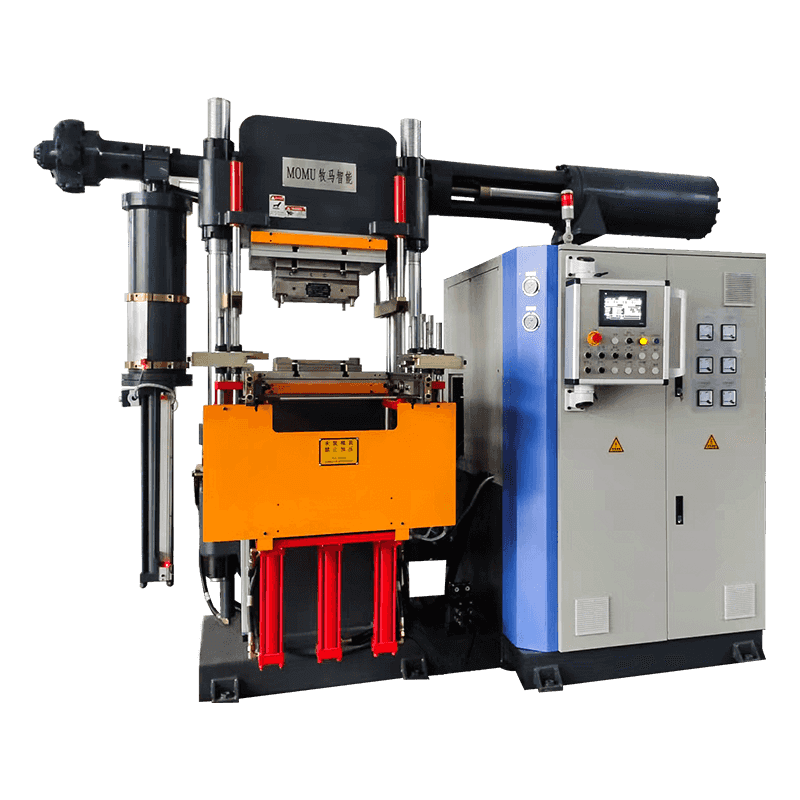
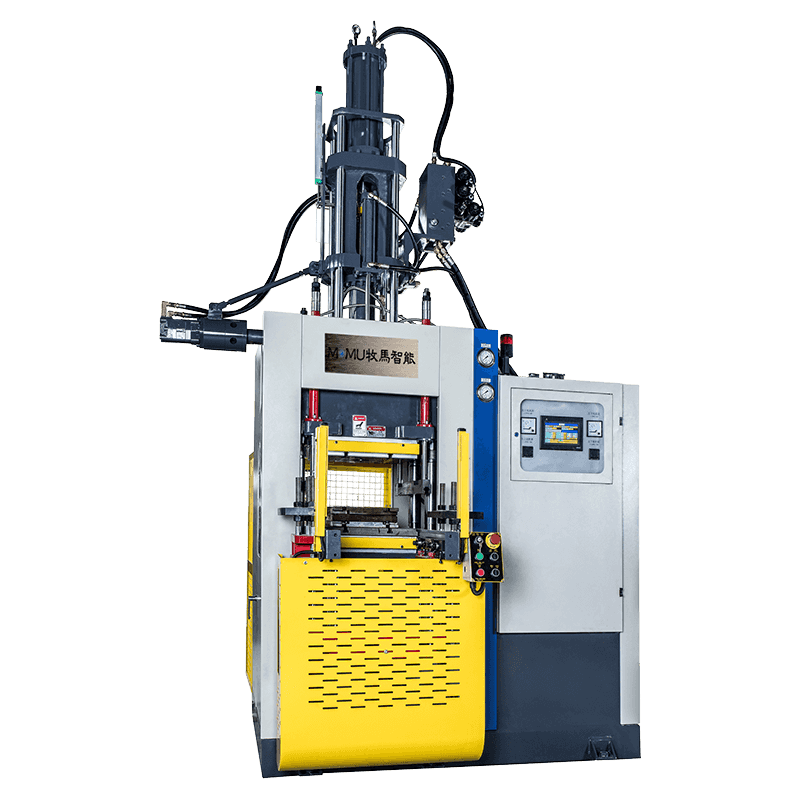
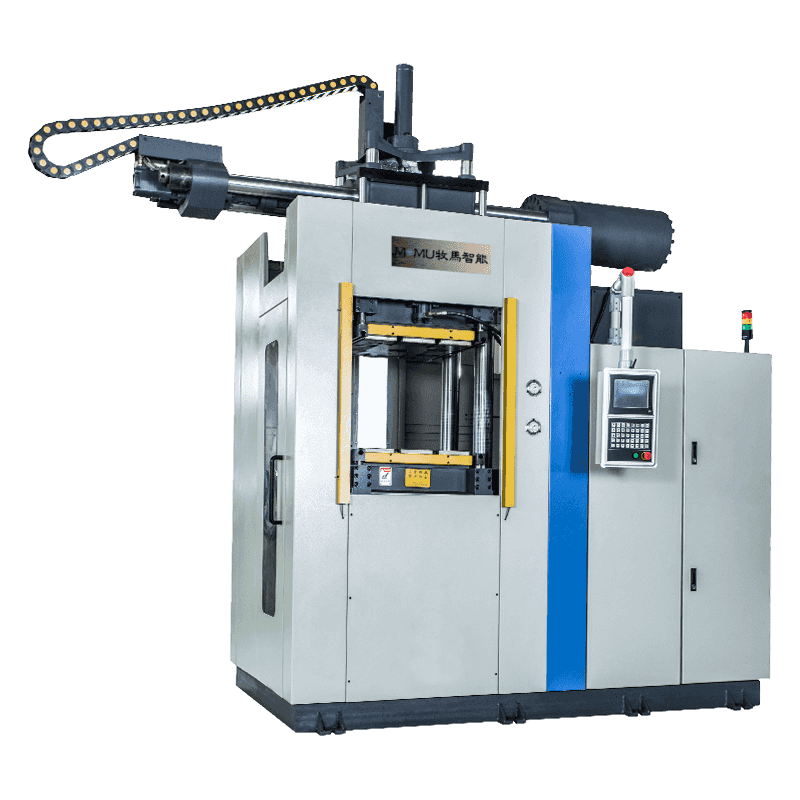
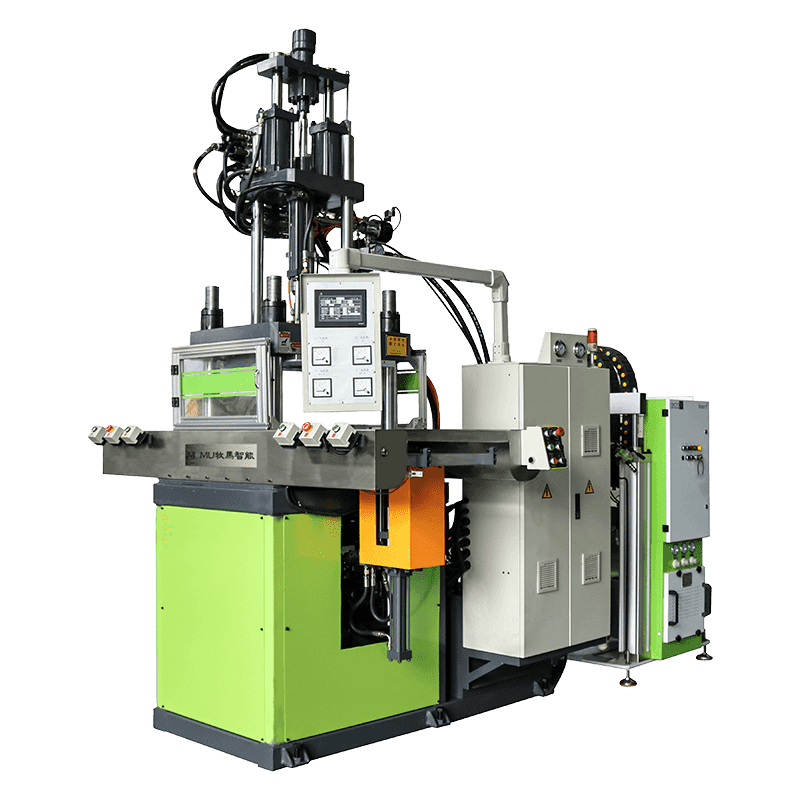
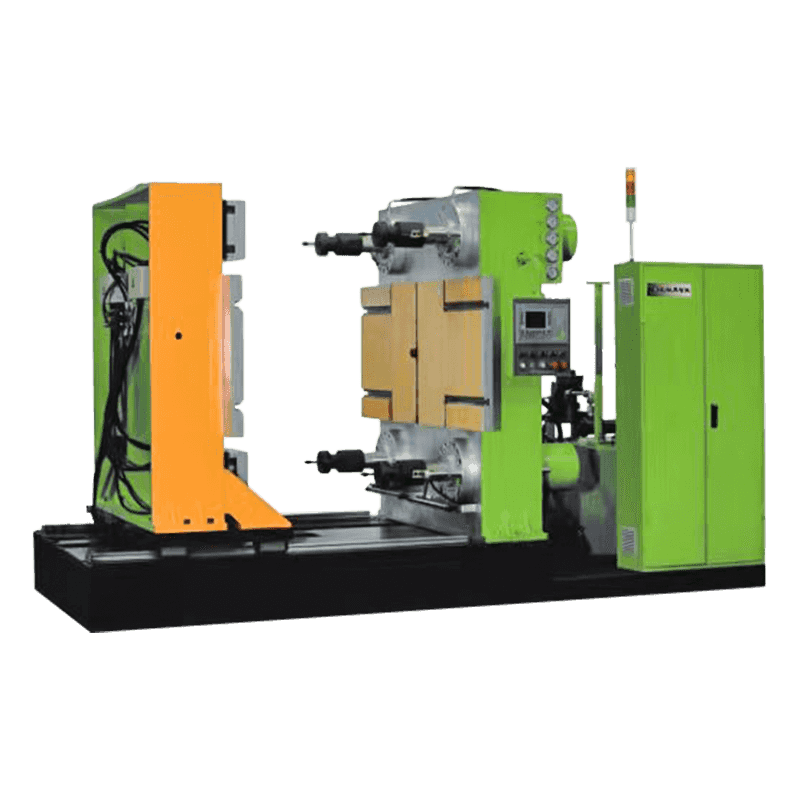
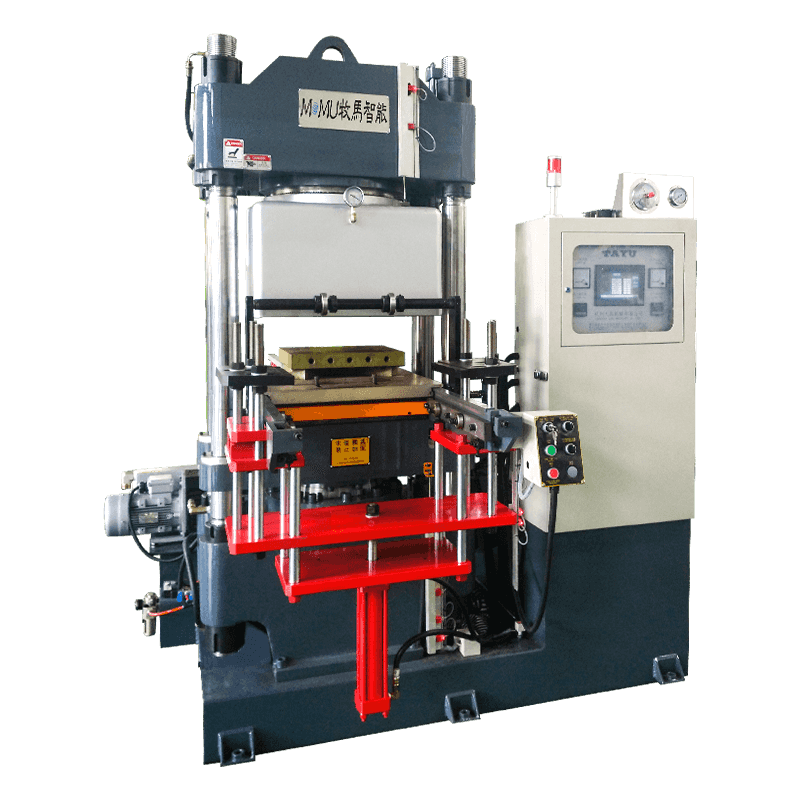
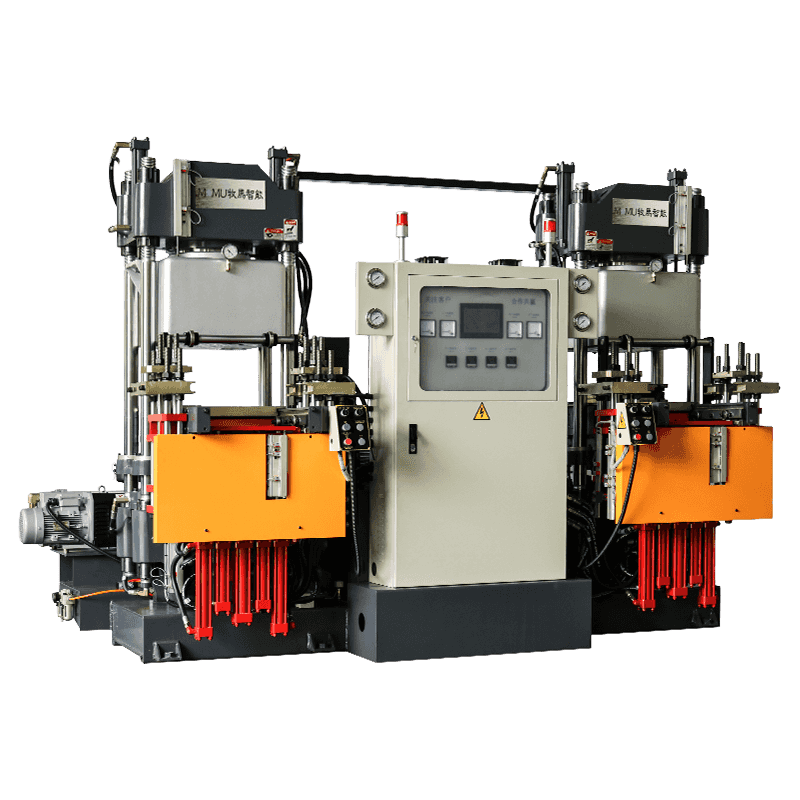
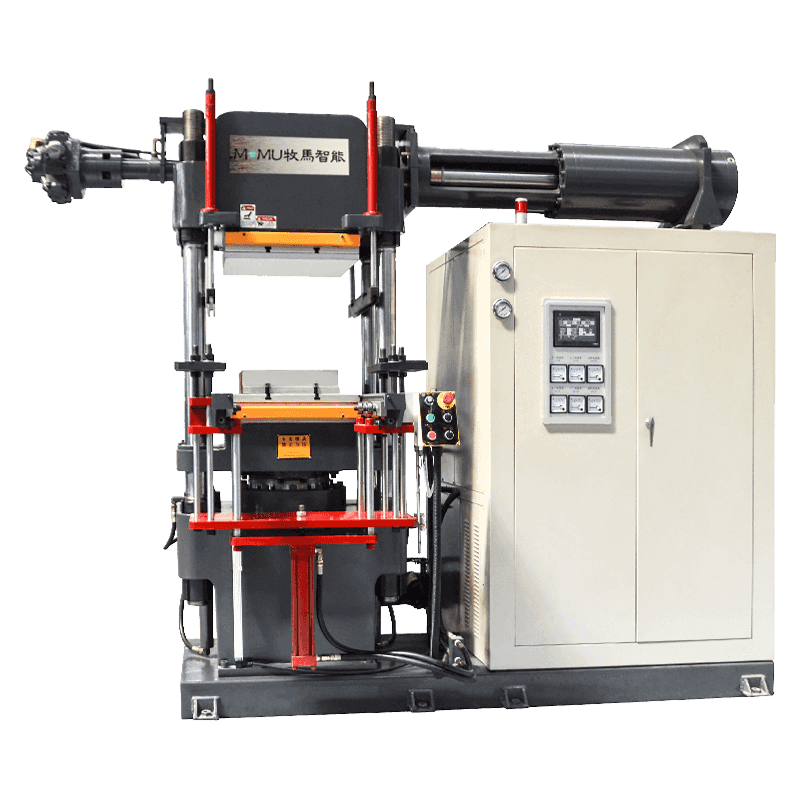
A silicone injection molding machine is a specialized device designed to process liquid silicone rubber (LSR) or solid silicone into precision-molded parts. It operates by injecting heated silicone material into a mold cavity, where it cures into a solid shape. Unlike traditional compression molding, injection molding provides higher efficiency, repeatability, and consistency, making it ideal for mass production of silicone components across multiple industries.
Key Features That Make Silicone Injection Molding Machines Valuable
Silicone injection molding machines offer unique advantages that make them indispensable for certain product types:
Precision and Repeatability
These machines allow precise control of temperature, injection pressure, and cycle time, ensuring that every part meets tight tolerances. This is critical for components used in medical, automotive, and electronics industries, where minor deviations can affect performance or safety.
Complex Geometries
Injection molding enables the production of complex shapes with undercuts, hollow sections, and thin walls that would be difficult or impossible to achieve with manual methods. This allows designers to create functional parts without compromising structural integrity.
High Efficiency and Low Waste
Silicone injection molding significantly reduces material waste compared to compression or transfer molding. Excess material can be recycled, and automated operations increase throughput while maintaining consistent quality.
Industries That Benefit Most from Silicone Injection Molding
Due to its precision and versatility, silicone injection molding machines are particularly advantageous for industries requiring durable, heat-resistant, and flexible components.
Medical and Healthcare Products
Silicone’s biocompatibility and resistance to sterilization processes make it ideal for medical applications. Injection molding is used to produce items such as:
- Medical tubing and connectors
- Seals and gaskets for surgical instruments
- Respiratory masks and airway components
Automotive Components
The automotive industry uses silicone parts for their thermal stability, vibration damping, and resistance to chemicals and UV exposure. Typical products include:
- Gaskets and seals for engines
- O-rings and valve components
- Flexible tubing and hoses
Consumer Electronics
Electronics require durable, heat-resistant, and insulating silicone components. Injection molding is ideal for producing:
- Keypads and buttons for devices
- Seals and protective covers
- Flexible connectors and insulating parts
Food and Beverage Industry
Silicone is food-safe and heat resistant, making it suitable for kitchen utensils, molds, and sealing components. Products include:
- Baking molds and trays
- Sealing gaskets for containers
- Flexible spatulas and kitchen tools
Material Advantages of Silicone in Injection Molding
Silicone offers unique properties that enhance product performance:
- Excellent thermal stability (-60°C to 230°C), suitable for extreme conditions
- High elasticity and flexibility for precise fits and seals
- Chemical resistance to oils, solvents, and cleaning agents
- Biocompatibility and food-safe properties for medical and culinary applications
- Durability against UV, ozone, and weathering
Design Considerations for Silicone Injection Molded Products
When designing products for silicone injection molding, engineers consider several factors:
- Wall thickness uniformity to ensure proper curing and avoid warping
- Draft angles for easier demolding
- Integration of undercuts, threads, or flexible features within a single mold
- Selection of LSR or solid silicone depending on application and performance requirements
Conclusion
Silicone injection molding machines are transformative tools for industries requiring precision, durability, and biocompatibility. Products that benefit most include medical devices, automotive components, consumer electronics, and food-grade items. The combination of automated efficiency, complex design capability, and the versatile properties of silicone ensures that manufacturers can meet strict performance standards while minimizing waste and production time.