Search
 English
 中文简体
中文简体 Español
Content
Introduction to Rubber Vulcanizing Machines
Rubber vulcanizing is a critical process in the production of high-quality rubber products. It involves heating raw rubber under pressure to improve its strength, elasticity, and durability. Two primary types of machines are widely used: vacuum rubber vulcanizing machines and standard vulcanizing presses. Each type has distinct advantages and limitations, influencing efficiency, product quality, and operational cost. Understanding these differences helps manufacturers choose the right equipment for their production needs.
Overview of Standard Vulcanizing Presses
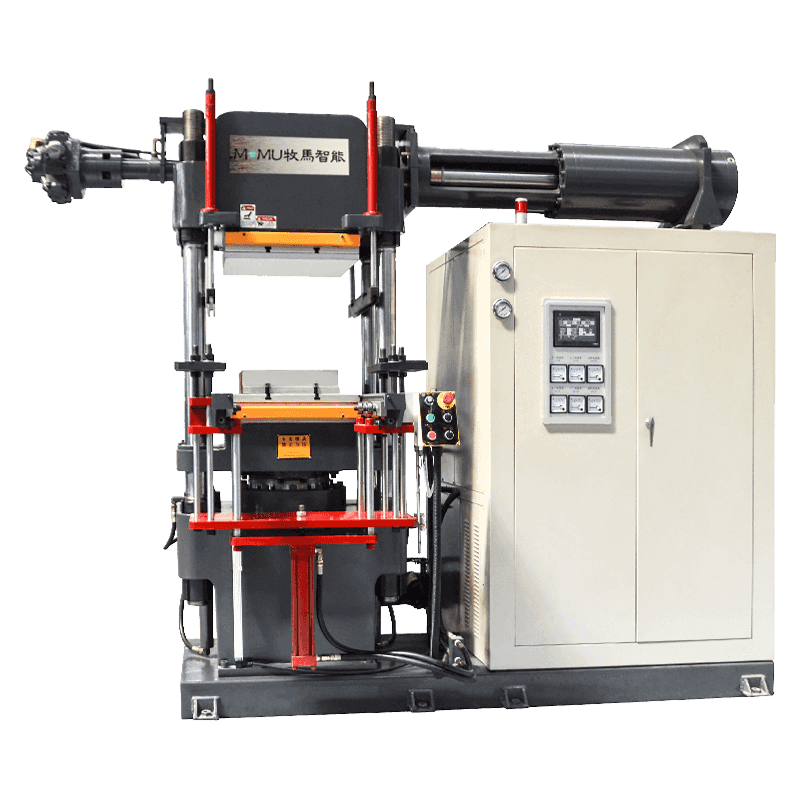
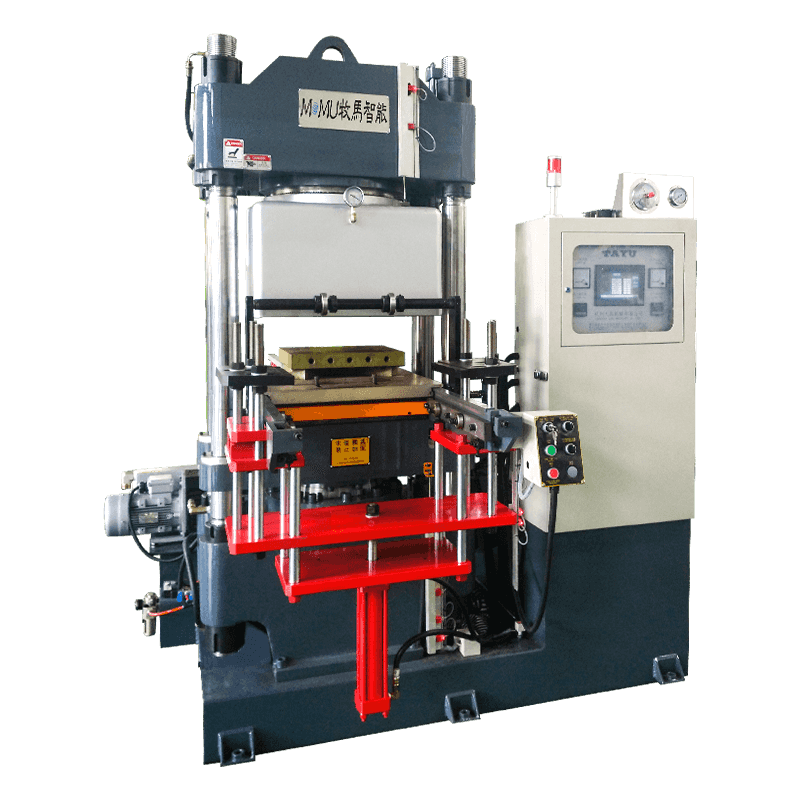
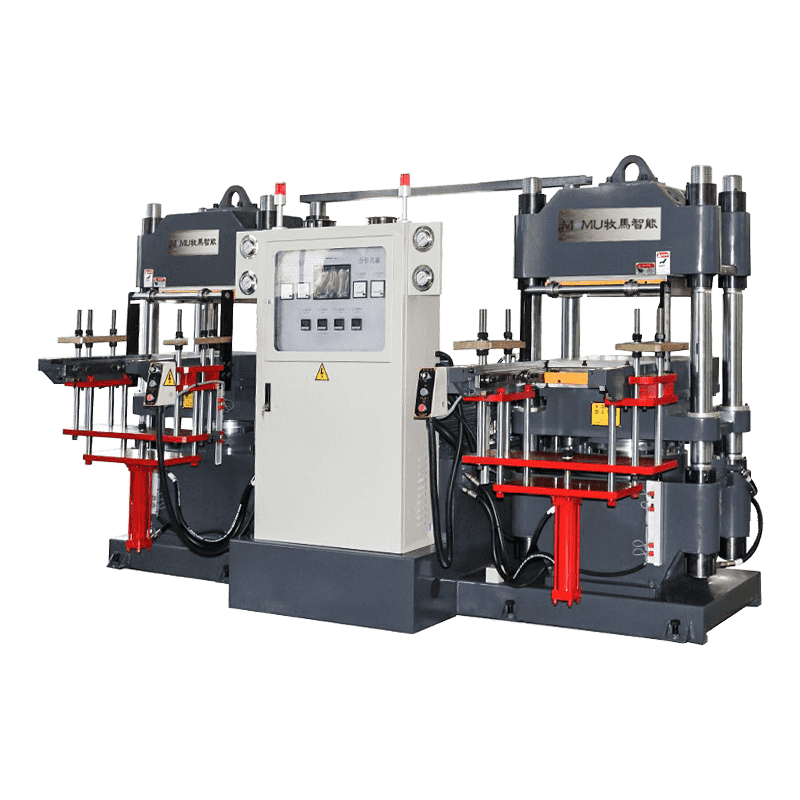
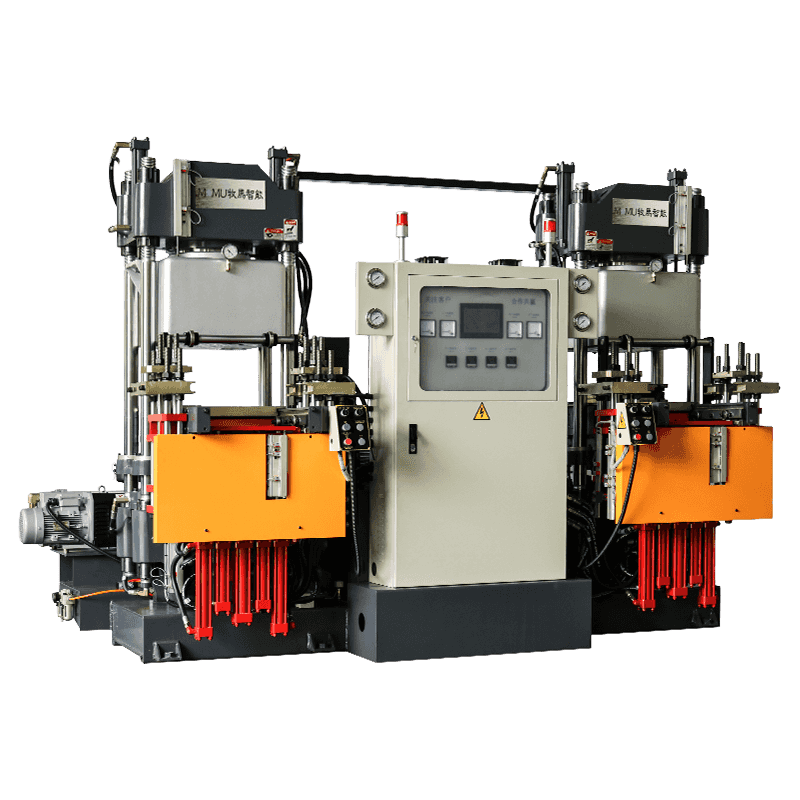
Standard vulcanizing presses are traditional machines that apply heat and pressure to rubber molds. They operate under atmospheric conditions without vacuum assistance, and are commonly used in various industries for batch production of rubber components such as seals, gaskets, and hoses.
Key Features of Standard Vulcanizing Presses
- Operates under atmospheric pressure, with direct heat applied to molds.
- Manual or semi-automatic control options are available.
- Suitable for general rubber products and small-to-medium batch production.
- Simple structure with relatively low maintenance requirements.
Advantages of Standard Presses
Standard presses are widely accessible and cost-effective for small to medium manufacturers. They provide reliable heat and pressure application, making them suitable for conventional rubber products. Maintenance and operation are relatively simple, and the equipment is durable for long-term use.
Limitations of Standard Presses
However, standard presses may have inconsistent rubber quality due to air entrapment and uneven heat distribution. Complex molds or thick rubber parts may suffer from incomplete curing. Additionally, the process often requires longer cycle times compared to vacuum-assisted machines.
Overview of Vacuum Rubber Vulcanizing Machines
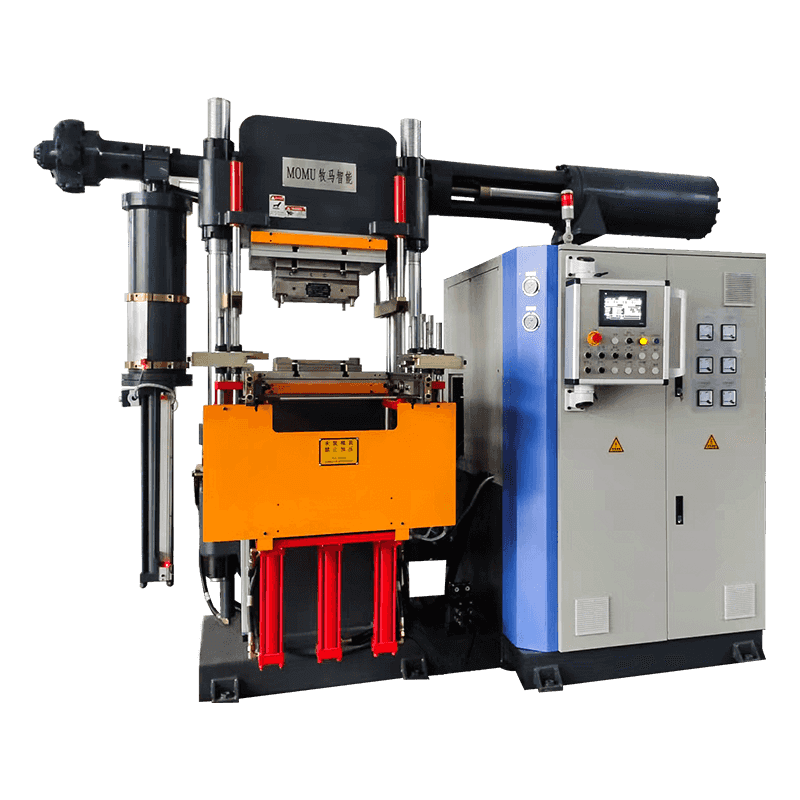
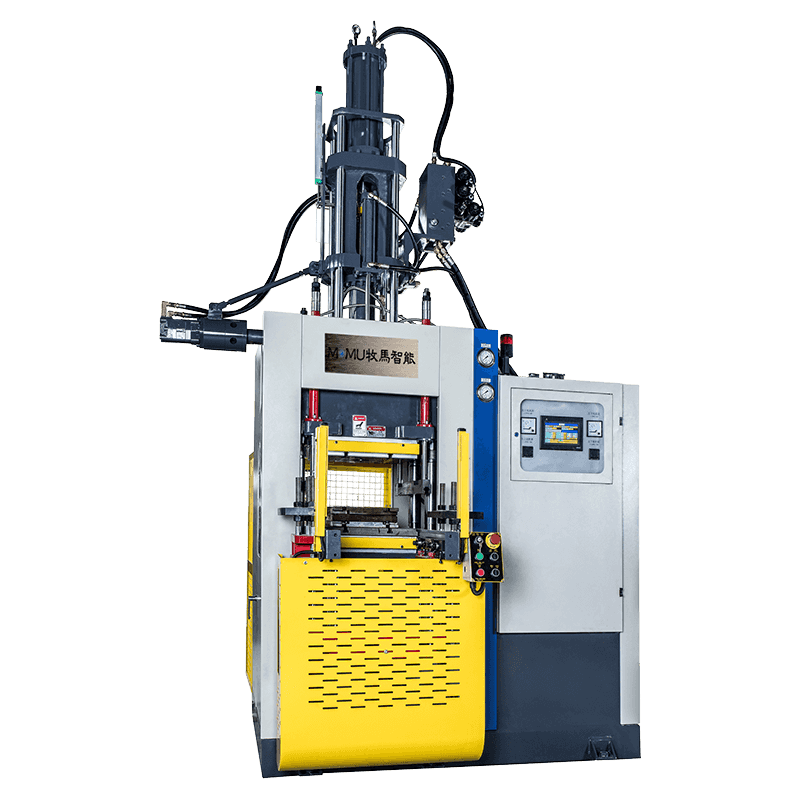
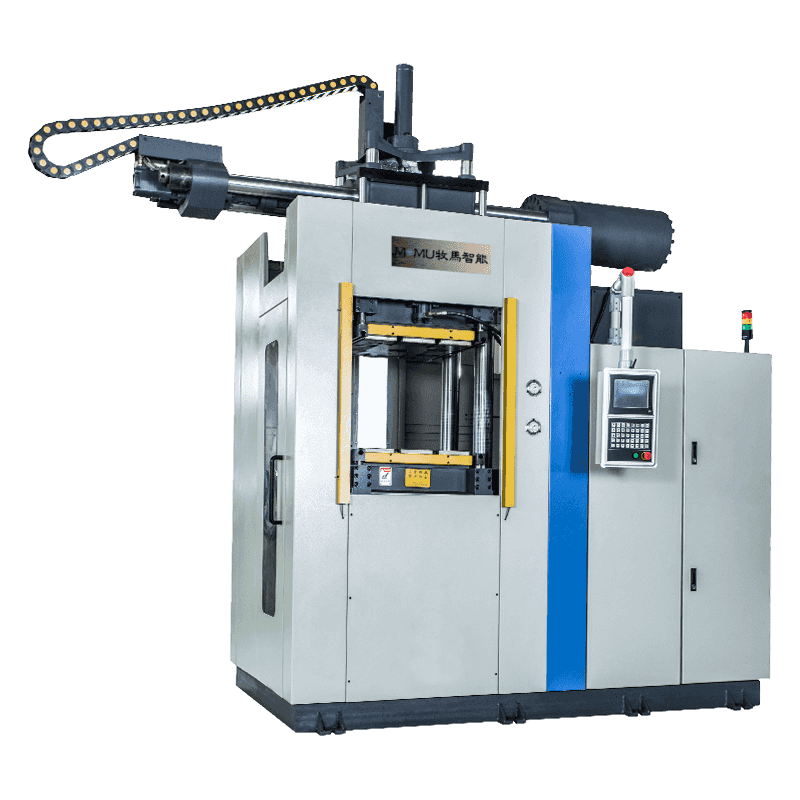
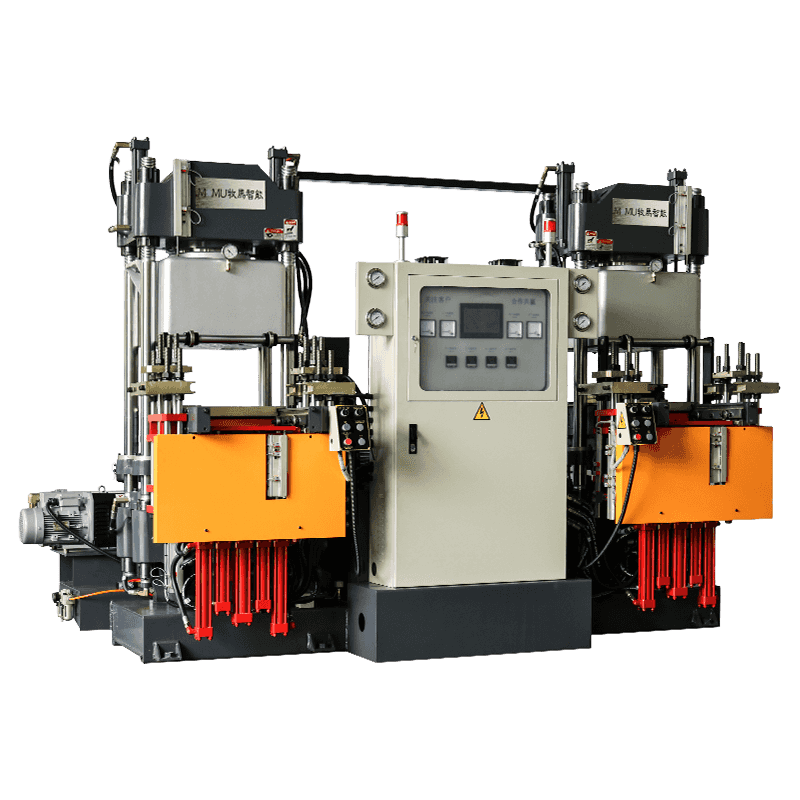
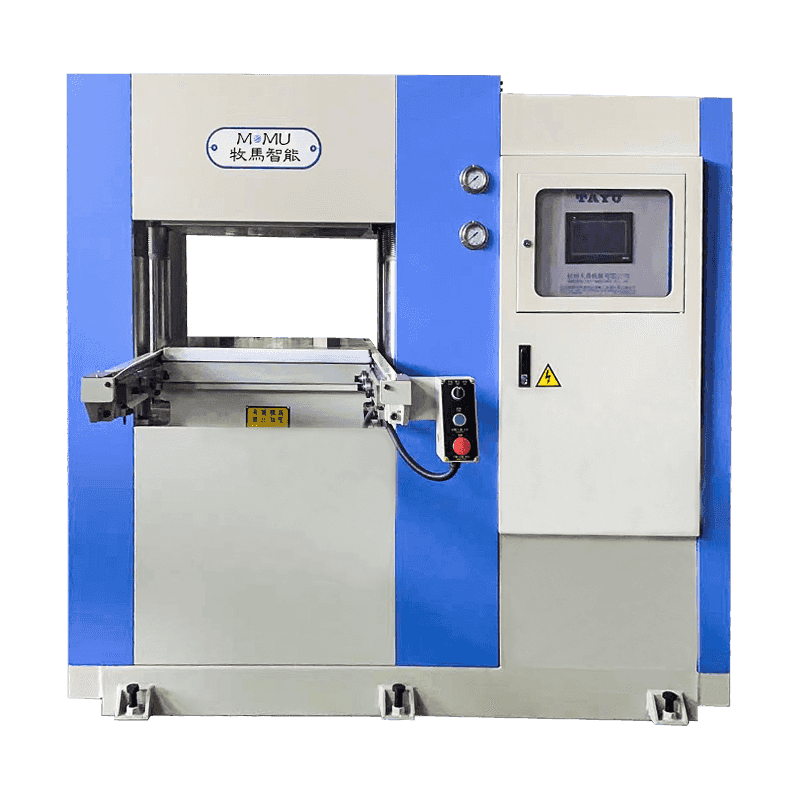
Vacuum rubber vulcanizing machines use a vacuum environment to eliminate air and moisture during the curing process. This advanced technology allows precise heat and pressure control, resulting in higher-quality rubber products with minimal defects. These machines are increasingly used in high-end rubber product manufacturing, such as automotive parts, aerospace components, and precision seals.
Key Features of Vacuum Vulcanizing Machines
- Vacuum environment removes air bubbles and moisture for defect-free products.
- Precise temperature and pressure control ensures consistent curing.
- Automatic or programmable cycles for improved efficiency.
- Suitable for thick rubber parts and complex mold geometries.
Advantages of Vacuum Vulcanizing Machines
Vacuum vulcanizing machines deliver superior product quality with fewer surface defects and more uniform material properties. They reduce the risk of oxidation, air pockets, and incomplete curing. Cycle times are often shorter due to efficient heat transfer, and automated features improve productivity while reducing operator error.
Limitations of Vacuum Vulcanizing Machines
The main drawback is the higher initial investment and maintenance cost. Vacuum machines are more complex and may require specialized training for operators. For small-scale or low-volume production, the cost-to-benefit ratio may be less favorable compared to standard presses.
Comparison Table: Vacuum vs Standard Vulcanizing Machines
| Feature | Standard Vulcanizing Press | Vacuum Rubber Vulcanizing Machine |
| Environment | Atmospheric pressure | Vacuum environment |
| Quality of Rubber | Moderate, may have air pockets | High, defect-free and uniform |
| Curing Time | Longer cycle time | Shorter, more efficient |
| Complex Mold Capability | Limited | High, suitable for thick and complex parts |
| Cost | Lower initial investment | Higher initial investment |
| Maintenance | Simple | More complex, requires trained operators |
Application Considerations
Choosing between vacuum and standard vulcanizing machines depends on the product requirements, production scale, and budget. Standard presses are ideal for general rubber products with moderate quality requirements and lower production volumes. Vacuum machines are better suited for high-precision, defect-free rubber parts, thick molds, and large-scale industrial production where quality and consistency are critical.
Efficiency and Productivity
Vacuum vulcanizing machines improve efficiency through faster heat transfer, automated cycles, and minimized rework due to defects. Standard presses, while simpler, may require longer curing times and additional quality checks. Manufacturers seeking higher throughput and reduced material waste often prefer vacuum-assisted technology.
Cost-Benefit Analysis
While vacuum machines have a higher upfront cost, they often offer better long-term value through reduced product defects, shorter cycle times, and less material waste. Standard presses are suitable for cost-sensitive operations but may incur higher labor and rework costs over time. A careful analysis of production volume, product complexity, and quality standards is essential to determine the most suitable equipment.
Conclusion
Both vacuum rubber vulcanizing machines and standard vulcanizing presses have distinct advantages. Standard presses are cost-effective, simple to operate, and suitable for general rubber production. Vacuum machines provide superior product quality, faster curing, and better consistency for high-end and complex rubber parts. Manufacturers should evaluate their specific production needs, budget, and quality requirements to select the most appropriate vulcanizing technology.