Search
 English
 中文简体
中文简体 Español
Content
- 1 Introduction to Vacuum Rubber Vulcanizing Machines
- 2 How Vacuum Rubber Vulcanizing Machines Work
- 3 Improved Product Quality and Uniformity
- 4 Faster Curing and Enhanced Efficiency
- 5 Reduction of Oxidation and Material Waste
- 6 Enhanced Safety and Cleaner Operation
- 7 Greater Flexibility for Complex Rubber Parts
- 8 Energy Efficiency and Operational Cost Benefits
- 9 Comparison Between Vacuum and Traditional Vulcanizers
- 10 Conclusion
Introduction to Vacuum Rubber Vulcanizing Machines
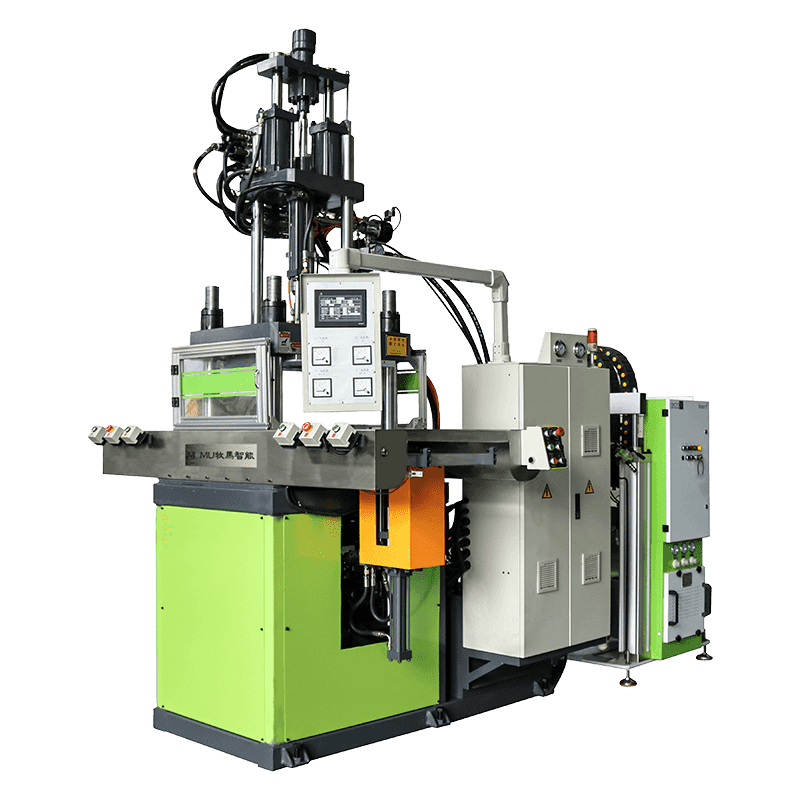
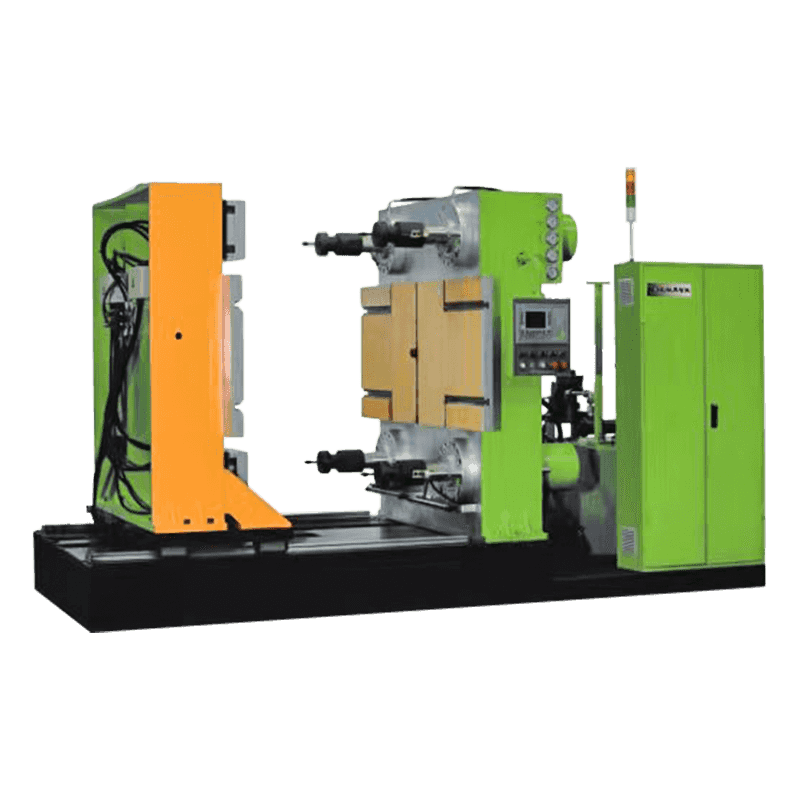
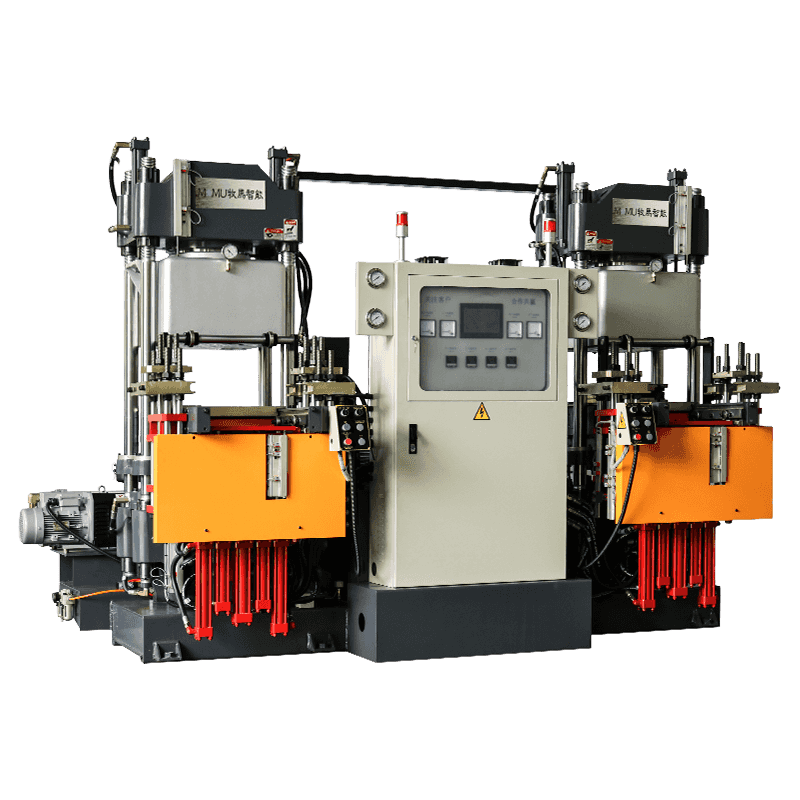
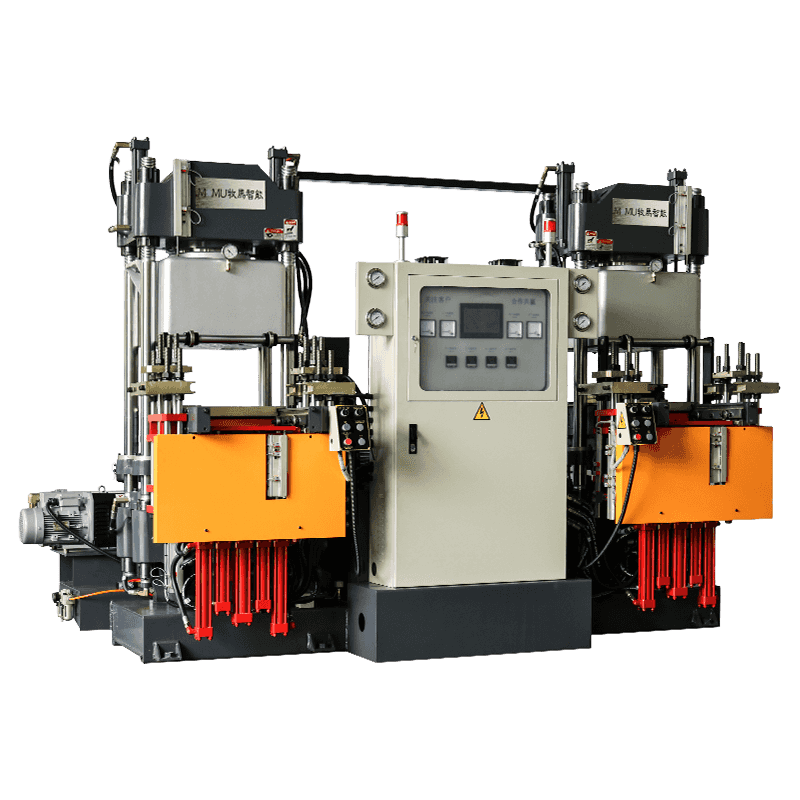
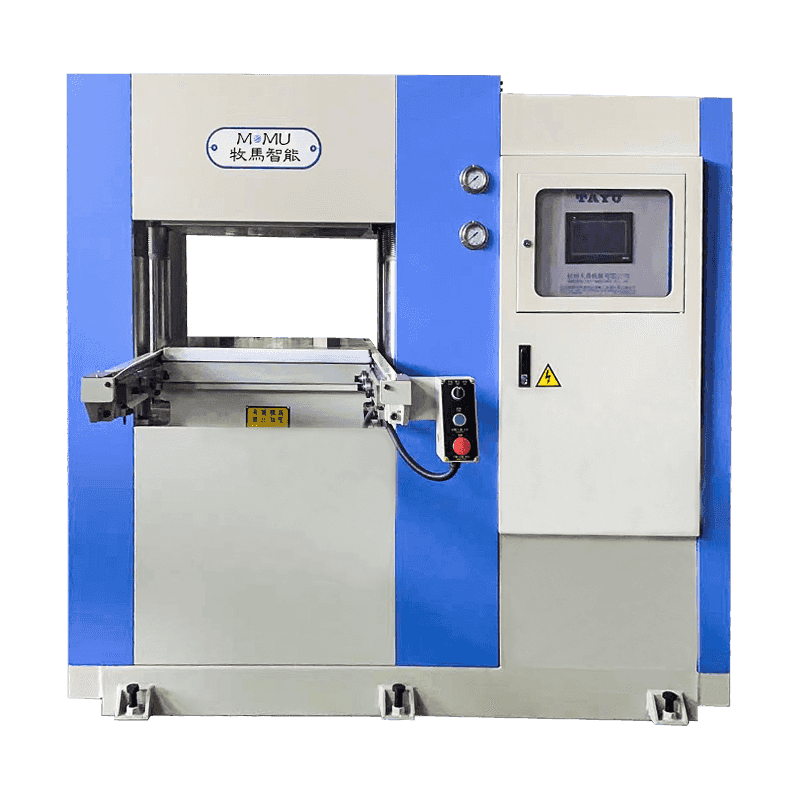
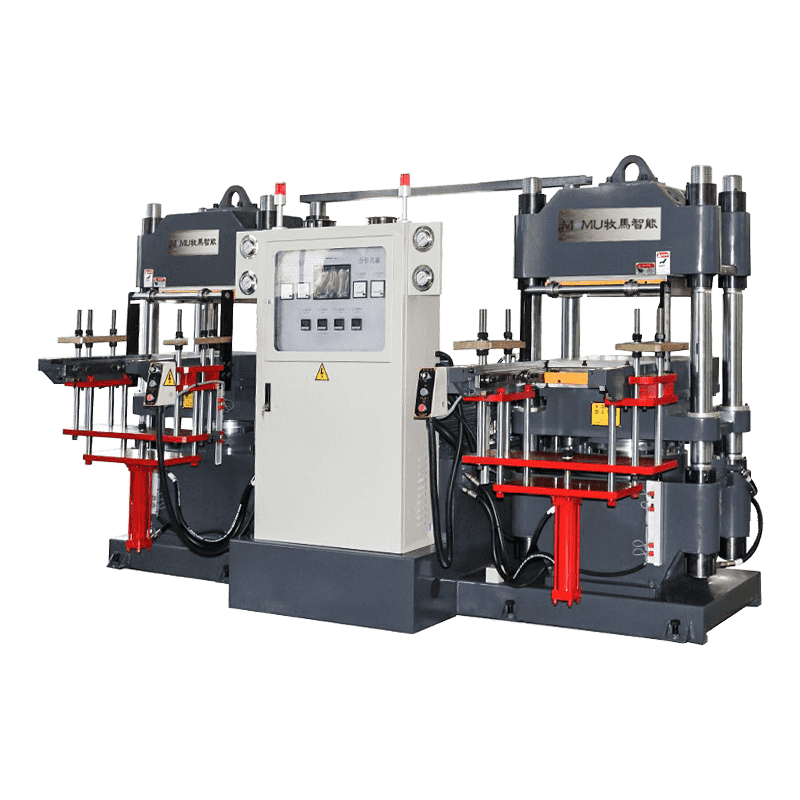
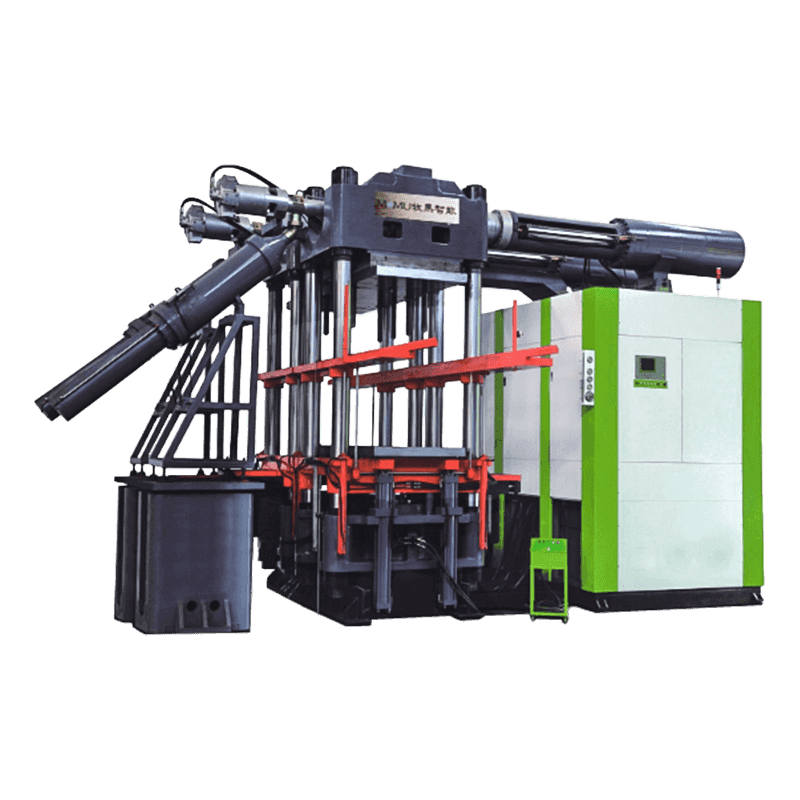
Vacuum rubber vulcanizing machines are advanced pieces of equipment designed to improve the rubber curing process by removing air and controlling pressure and temperature precisely. Unlike traditional vulcanizers, which rely on atmospheric pressure and manual adjustments, vacuum vulcanizers create a controlled low-pressure environment that reduces oxidation, enhances uniformity, and improves overall product quality.
The technology has become increasingly popular in industries such as automotive, aerospace, electronics, and medical rubber manufacturing due to its ability to produce high-precision, defect-free rubber components.
How Vacuum Rubber Vulcanizing Machines Work
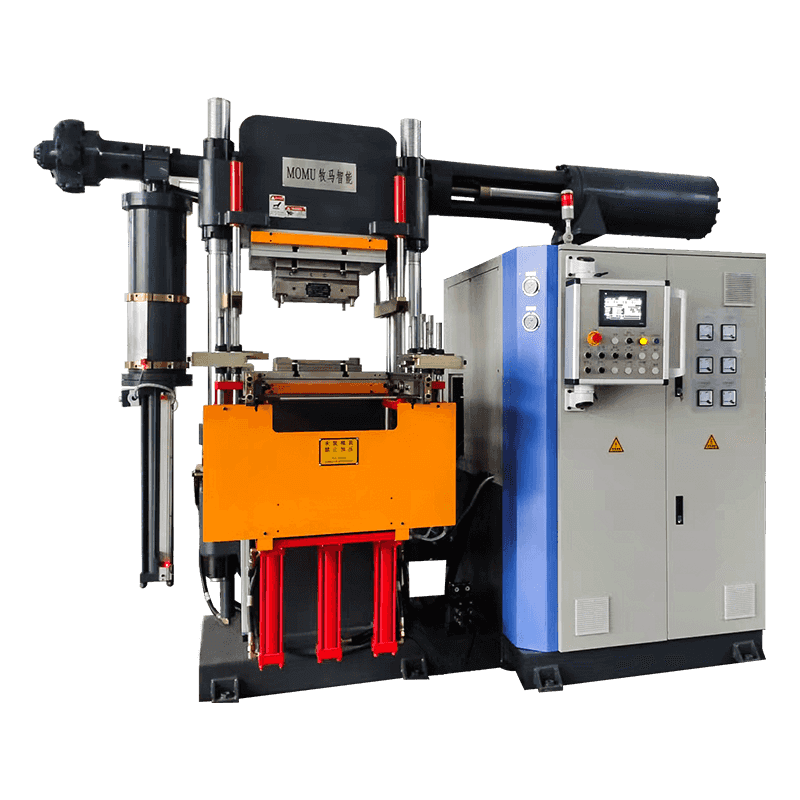
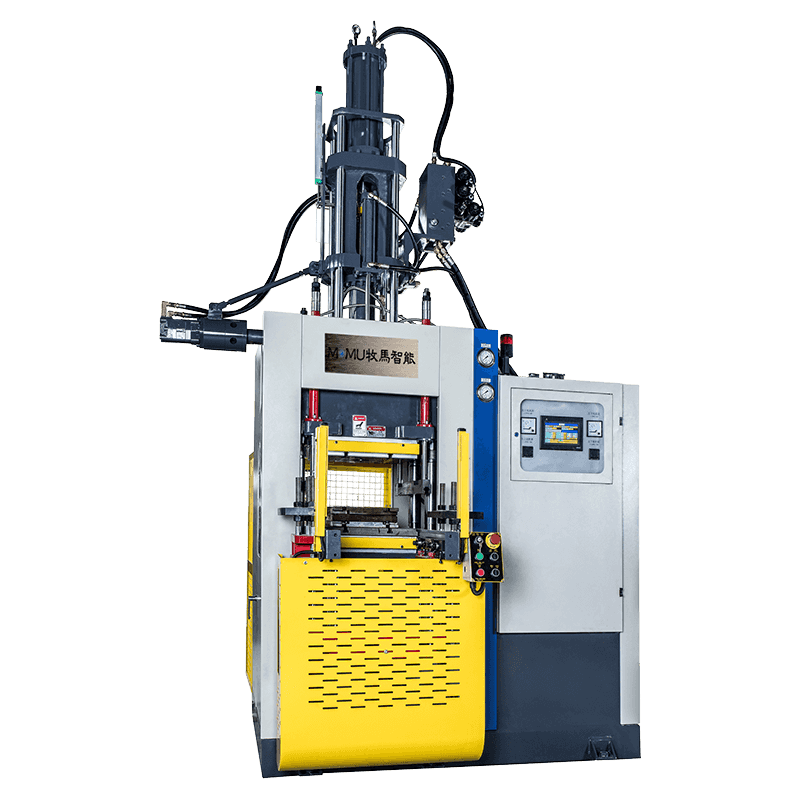
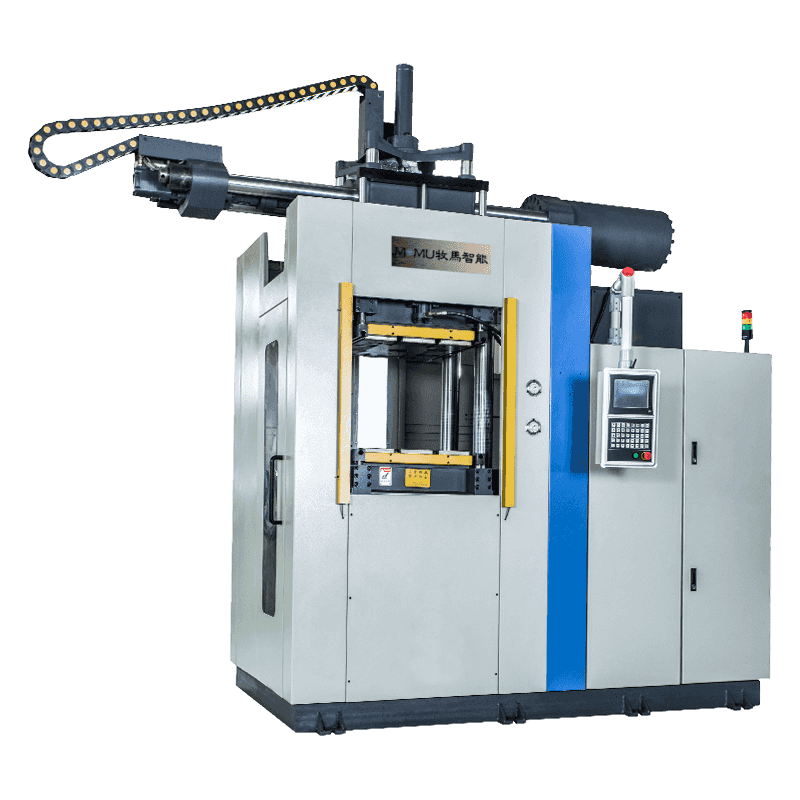
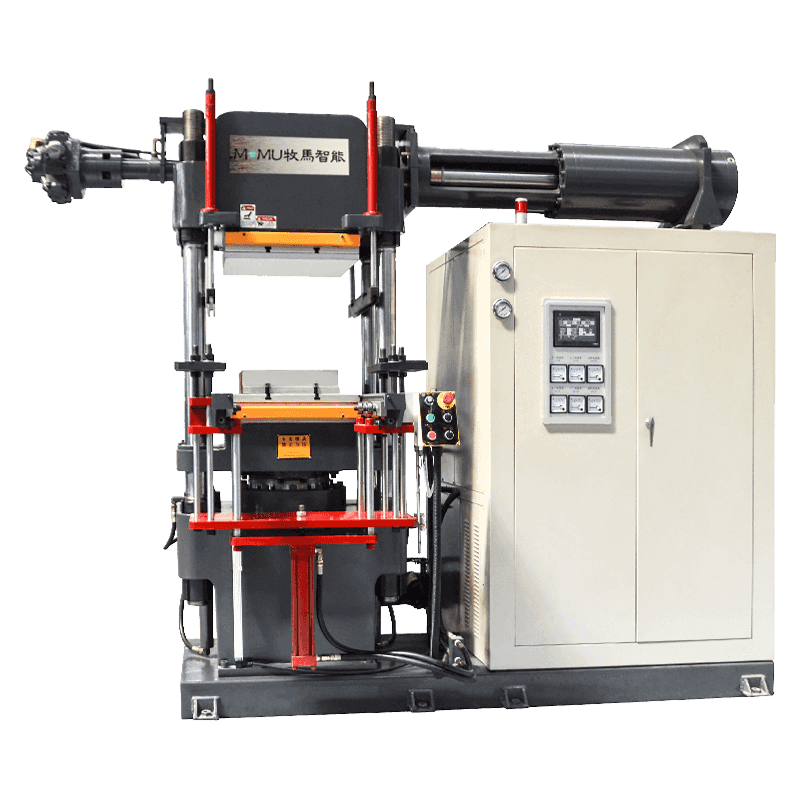
Vacuum rubber vulcanizing machines operate by placing rubber components into a sealed chamber. Air is evacuated using a vacuum pump, and precise heat is applied to initiate the vulcanization process. The absence of air reduces oxidation and eliminates trapped gases, which often cause bubbles or voids in traditional vulcanized rubber.
Modern machines are equipped with programmable controls that regulate temperature, pressure, and curing time, allowing for consistent results across multiple production batches. The low-pressure environment ensures that the rubber expands evenly, filling molds completely and producing smoother surfaces and sharper details.
Improved Product Quality and Uniformity
One of the primary advantages of vacuum rubber vulcanizers is the improvement in product quality. By eliminating air pockets and reducing oxidation, the final rubber components exhibit higher structural integrity, uniform density, and smoother surface finish. This is particularly important for precision parts used in automotive seals, electronic components, or medical devices.
Traditional vulcanizers often result in minor imperfections such as bubbles, uneven thickness, or surface blemishes, which can compromise functionality. Vacuum vulcanizing addresses these issues, leading to higher product reliability and longer service life.
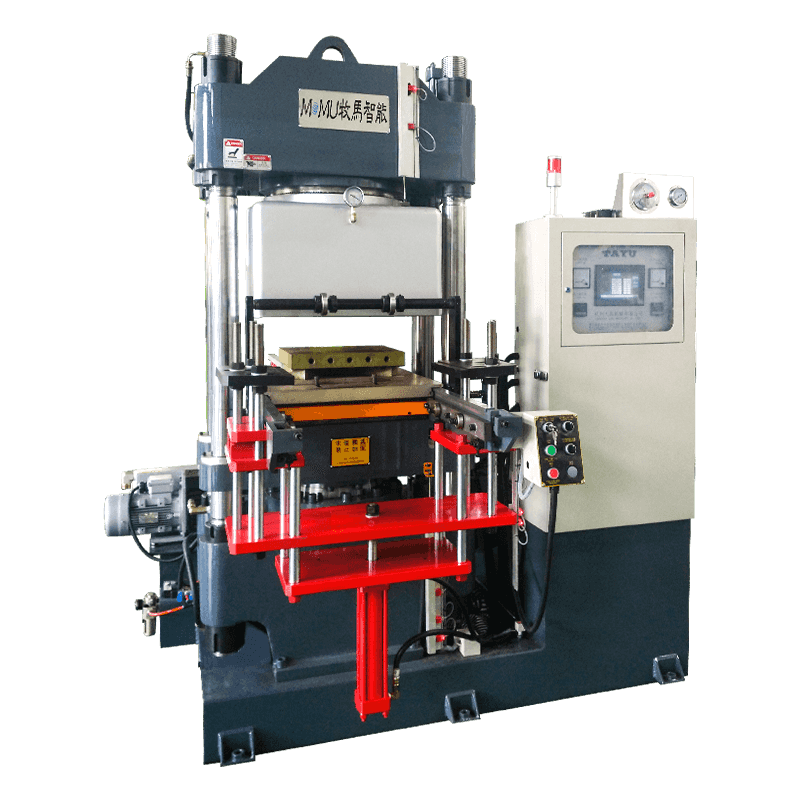
Faster Curing and Enhanced Efficiency
Vacuum vulcanizing machines offer faster curing times compared to conventional methods. The controlled environment allows heat to penetrate more evenly, reducing the total vulcanization cycle without sacrificing quality. In many cases, production output is increased due to shorter curing times and less need for rework caused by defects.
Moreover, programmable systems allow multiple curing cycles to be run automatically, minimizing downtime and reducing labor intensity. This efficiency is particularly beneficial for manufacturers dealing with high-volume production.
Reduction of Oxidation and Material Waste
Oxidation during vulcanization can weaken rubber, reduce elasticity, and compromise chemical resistance. Vacuum rubber vulcanizing machines prevent exposure to oxygen, preserving the original material properties and resulting in stronger, more durable products.
By reducing the likelihood of defects such as bubbles, voids, and surface irregularities, vacuum vulcanization also decreases material waste. Manufacturers save on raw materials and avoid costly rework, which significantly enhances production efficiency and cost-effectiveness.
Enhanced Safety and Cleaner Operation
Traditional vulcanization methods can involve high-pressure steam, hot molds, and exposure to fumes, increasing the risk of accidents and workplace hazards. Vacuum vulcanizing machines operate within a sealed chamber, reducing operator exposure to heat and gases.
The automated process further limits manual handling of hot molds, contributing to safer working conditions. In addition, less oxidation and material spatter mean a cleaner working environment, reducing contamination and maintenance requirements.
Greater Flexibility for Complex Rubber Parts
Vacuum rubber vulcanizing machines are highly adaptable to complex shapes and thin-walled rubber components. The low-pressure environment ensures that rubber fills intricate molds completely, producing precise features without air pockets or deformation.
This capability is critical for industries producing gaskets, seals, O-rings, or multi-layer rubber composites, where precision and consistency directly affect product performance and safety.
Energy Efficiency and Operational Cost Benefits
Although vacuum rubber vulcanizing machines involve initial capital investment, they often provide long-term operational savings. Faster curing cycles, reduced waste, and minimal rework lower overall energy consumption per unit. Programmable operation reduces human error and labor costs, further improving cost efficiency.
Additionally, precise temperature and pressure control reduces unnecessary energy use, making vacuum vulcanization a more environmentally friendly option compared to conventional methods.
Comparison Between Vacuum and Traditional Vulcanizers
| Aspect | Vacuum Vulcanizer | Traditional Vulcanizer |
| Product Quality | High, uniform, defect-free | Moderate, may have bubbles |
| Curing Time | Shorter cycles | Longer cycles |
| Material Waste | Low | Higher due to defects |
| Operational Safety | High, minimal exposure | Moderate, hot surfaces exposed |
| Suitability for Complex Parts | Excellent | Limited |
Conclusion
Vacuum rubber vulcanizing machines offer clear advantages over traditional vulcanizers, including superior product quality, faster curing, reduced waste, enhanced safety, and the ability to handle complex parts. Their precise control over temperature, pressure, and vacuum conditions ensures uniform vulcanization and improved durability of rubber components.
For manufacturers seeking efficiency, reliability, and high-performance products, investing in vacuum rubber vulcanization technology is a strategic choice that delivers measurable benefits in productivity, cost savings, and operational safety.