Search
 English
 中文简体
中文简体 Español
Content
Rubber molding is a critical process in manufacturing elastomeric components used across automotive, electronics, medical devices, and industrial machinery. Various molding methods exist, including compression molding, injection molding, and transfer molding. Each method has unique advantages, limitations, and suitable applications. Understanding these differences allows manufacturers to optimize production efficiency, product quality, and cost-effectiveness.
Among these methods, rubber compression molding remains widely used for its simplicity, material efficiency, and adaptability for high-strength, high-precision components. Comparing it with other rubber molding techniques provides a clear view of process selection and operational best practices.
Rubber Compression Molding: Principles and Process
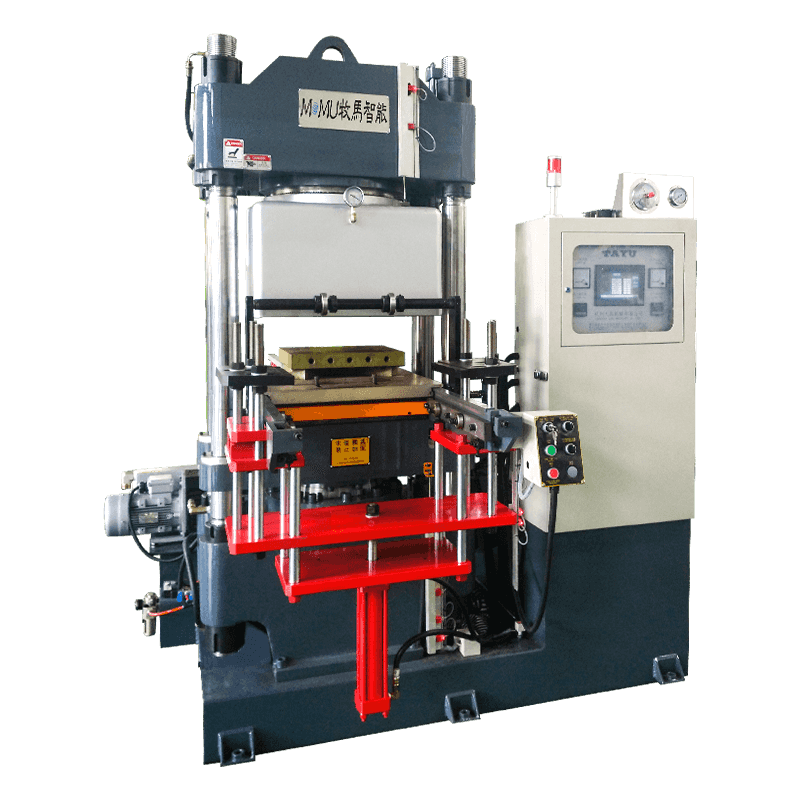
Rubber compression molding is a process where pre-measured rubber material, usually in the form of a blank or sheet, is placed into a heated mold cavity. The mold is then closed, applying both heat and pressure, causing the rubber to flow, fill the cavity, and cure into the desired shape. This method is particularly effective for simple to moderately complex geometries.
Key Steps in Compression Molding
- Preforming: Rubber is cut or pre-shaped to fit the mold cavity, ensuring even distribution during compression.
- Molding: The preform is placed in the mold, and pressure is applied while heating initiates the curing process.
- Curing: Heat and pressure facilitate cross-linking of polymer chains, forming a solid elastomer.
- Demolding: Once the material has cured, the mold is opened, and the finished part is removed.
Rubber Injection Molding: An Overview
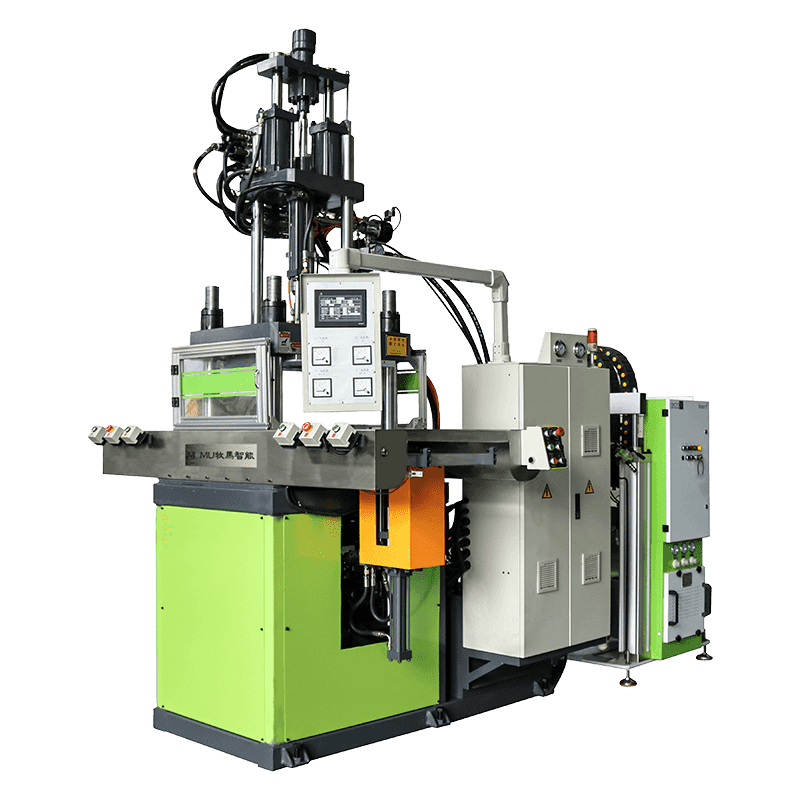
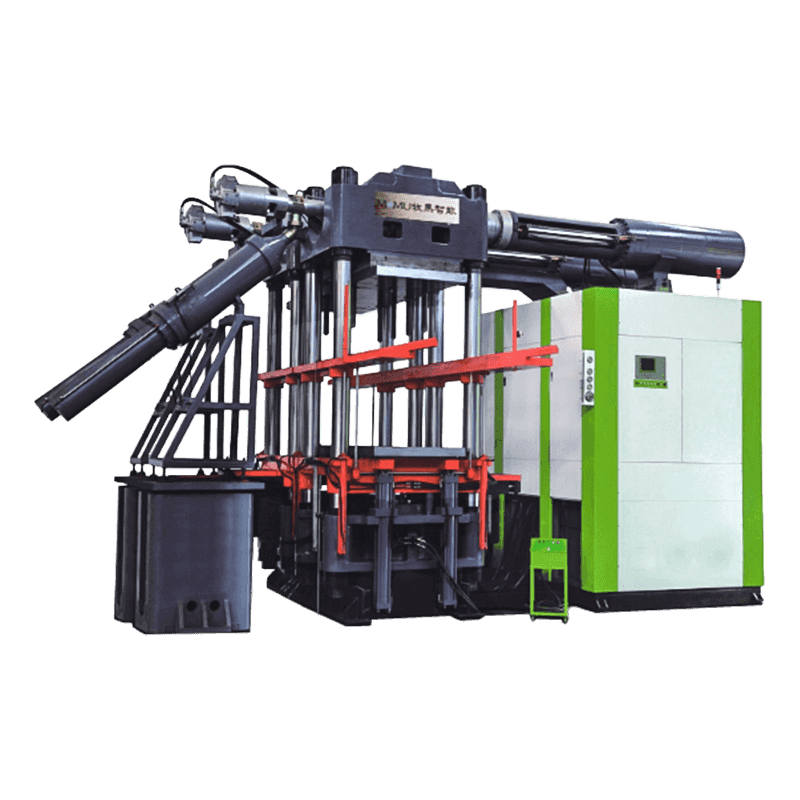
Injection molding involves forcing heated rubber material into a mold cavity using a plunger or screw mechanism. This method allows for more complex geometries, tighter tolerances, and higher production rates. Unlike compression molding, injection molding requires specialized machines with precise temperature and pressure control to achieve consistent quality.
Advantages of Injection Molding
- High precision and uniformity across large production runs.
- Ability to mold complex, thin-walled, and intricate parts.
- Reduced scrap due to automated material feed and optimized mold design.
Rubber Transfer Molding: Overview
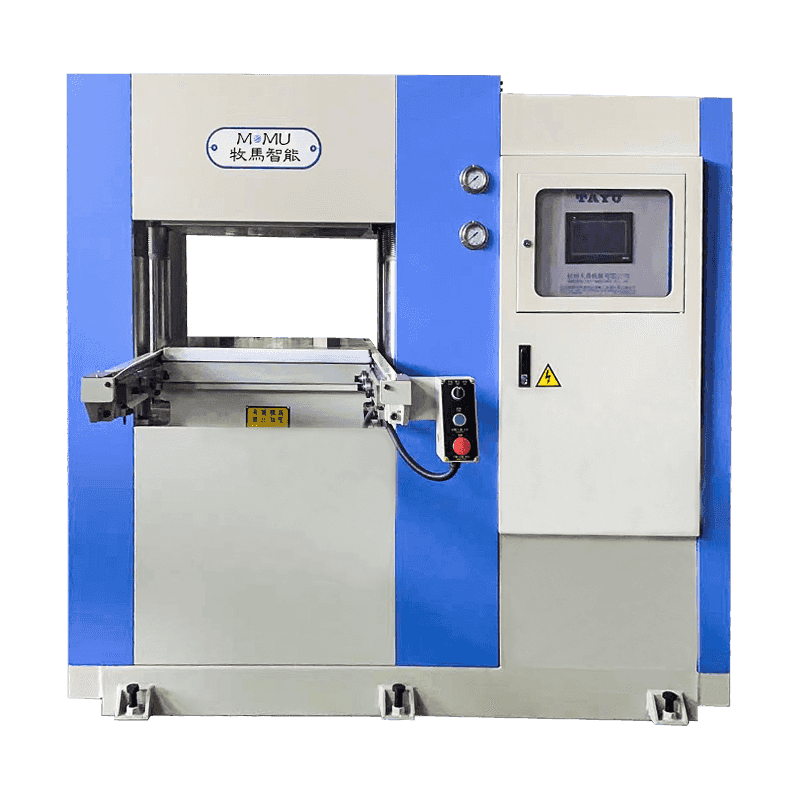
Transfer molding is a hybrid process that combines aspects of compression and injection molding. Rubber is first placed into a chamber or pot, and then forced into a mold cavity through runners. This method enables precise control over material flow while maintaining the ability to mold moderately complex parts.
Benefits of Transfer Molding
- Reduces flash compared to compression molding.
- Allows encapsulation of inserts and complex geometries.
- Good for moderate production volumes with consistent quality.
Comparison of Rubber Molding Methods
The following table summarizes the main differences between compression, injection, and transfer molding in terms of process, cost, precision, and ideal applications.
| Aspect | Compression Molding | Injection Molding | Transfer Molding |
| Machine Cost | Low | High | Medium |
| Production Speed | Moderate | High | Moderate |
| Part Complexity | Simple to moderate | Complex | Moderate |
| Material Waste | Low to moderate | Low | Moderate |
| Ideal Applications | Gaskets, seals, simple components | Complex parts, high volume production | Encapsulated parts, inserts |
Choosing the Right Molding Method
Selecting the appropriate rubber molding method depends on production volume, part complexity, budget, and required tolerances. Compression molding is cost-effective for simple designs and small to medium batches. Injection molding suits high-volume, complex parts where precision is critical. Transfer molding offers a middle ground for moderate complexity parts with inserts or encapsulation.
Conclusion
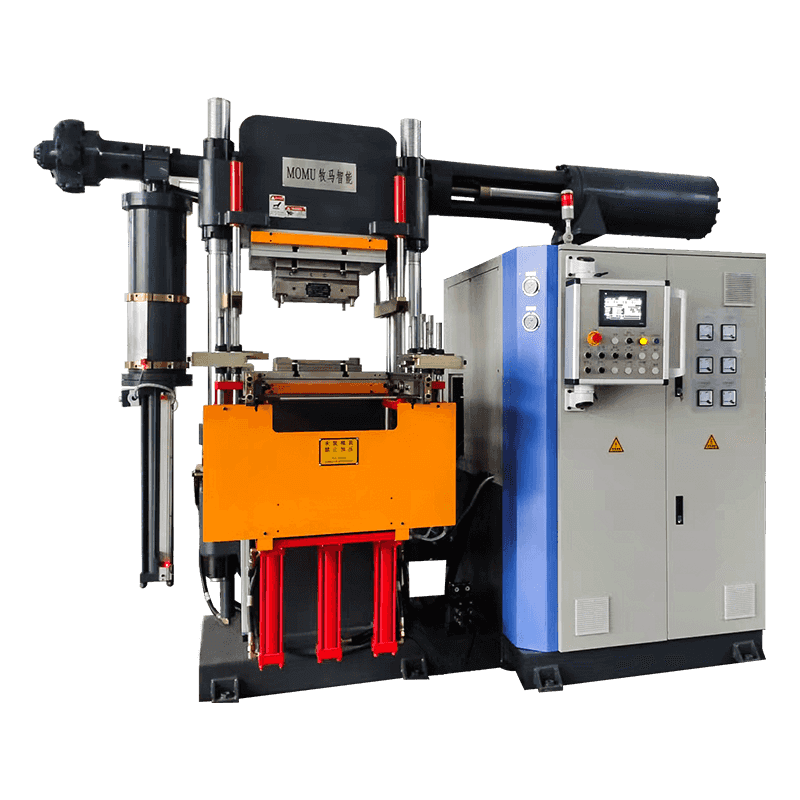
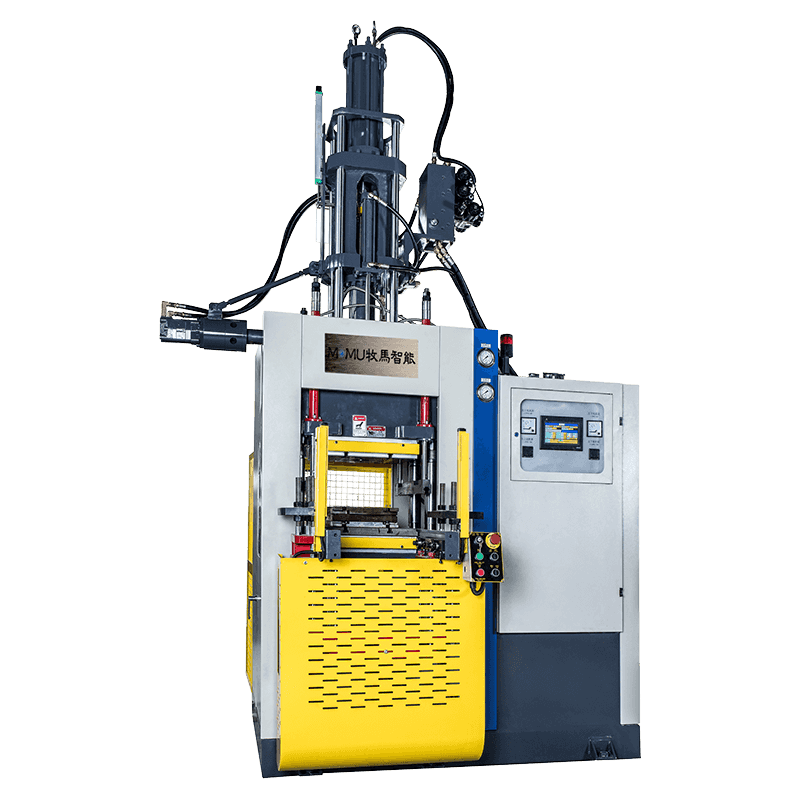
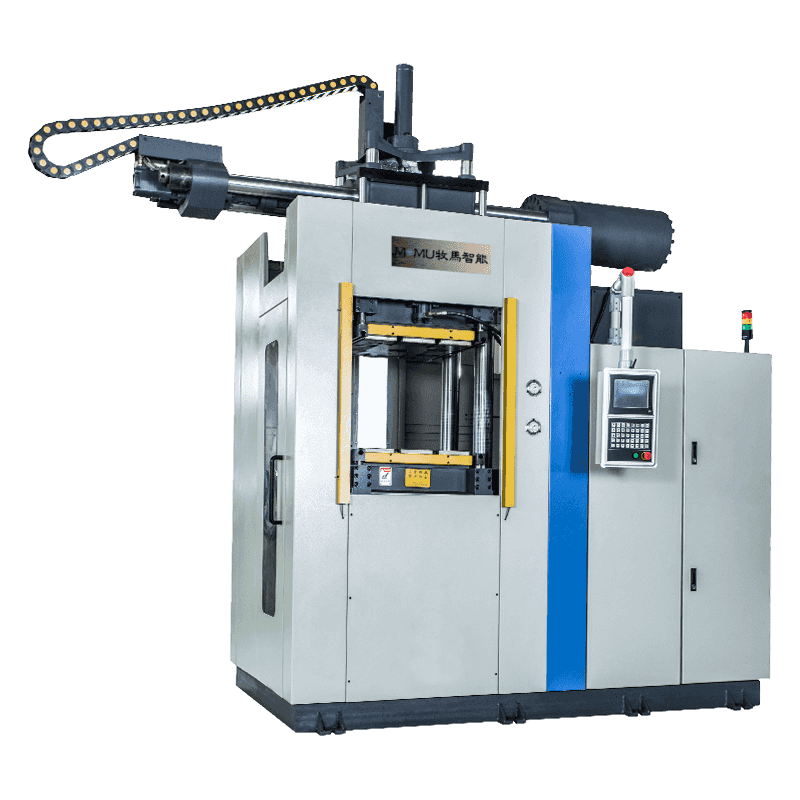
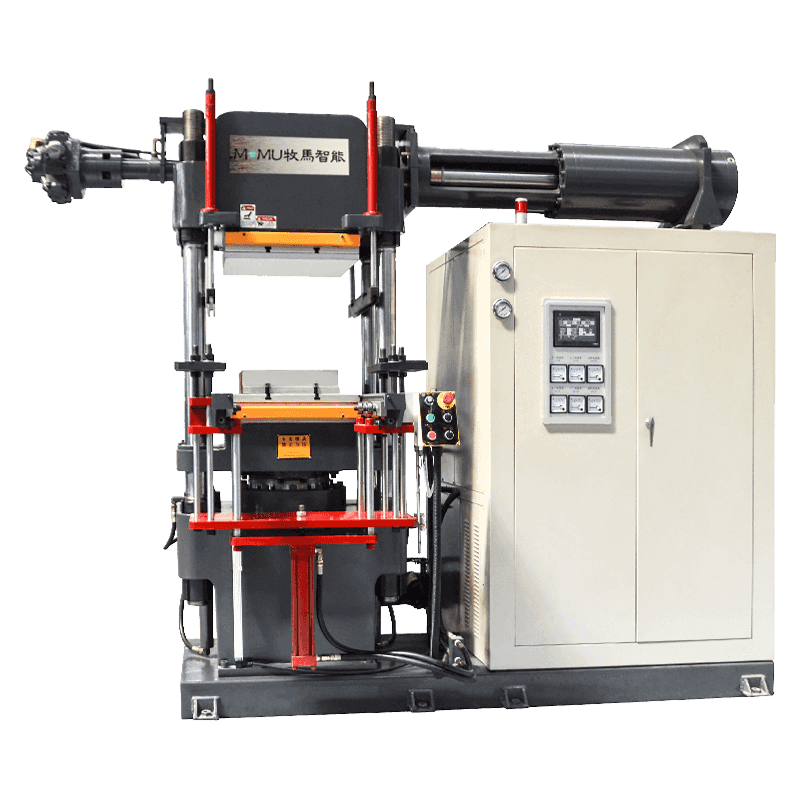
Rubber compression molding Machine remains a versatile and cost-effective method for producing a wide range of elastomeric components. Understanding its differences from injection and transfer molding allows manufacturers to optimize production, reduce waste, and achieve consistent quality. Selecting the right molding process ensures efficiency, profitability, and product performance across diverse industries.