Search
 English
 中文简体
中文简体 Español
Content
- 1 Why Choosing the Wrong Press Costs More Than You Think
- 2 Understand the Core Machine Types First
- 3 Clamping Force: The Number Everyone Focuses On
- 4 Shot Size and Injection Unit Specifications
- 5 Material Compatibility: Match the Machine to Your Resin
- 6 Platen Size and Mold Compatibility
- 7 Evaluating the Control System and Automation Readiness
- 8 Total Cost of Ownership Beyond the Sticker Price
- 9 New vs. Used Machines: Where the Trade-offs Really Lie
- 10 Making the Final Decision
Why Choosing the Wrong Press Costs More Than You Think
Purchasing a plastic injection molding machine is one of the most capital-intensive decisions a manufacturer can make. The wrong choice does not simply mean a machine that underperforms — it means production bottlenecks, scrapped parts, excessive energy bills, and costly retrofits down the line. Whether you are setting up a new facility or expanding an existing one, a structured buying approach based on your actual production requirements will save you from expensive surprises. This guide walks you through every critical factor to evaluate before signing a purchase order.
Understand the Core Machine Types First
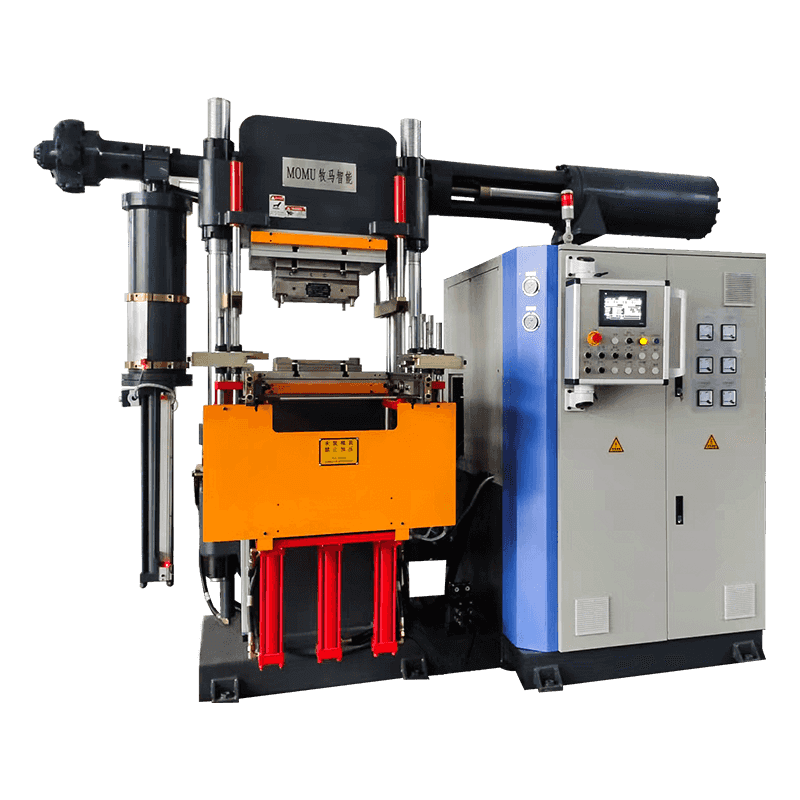
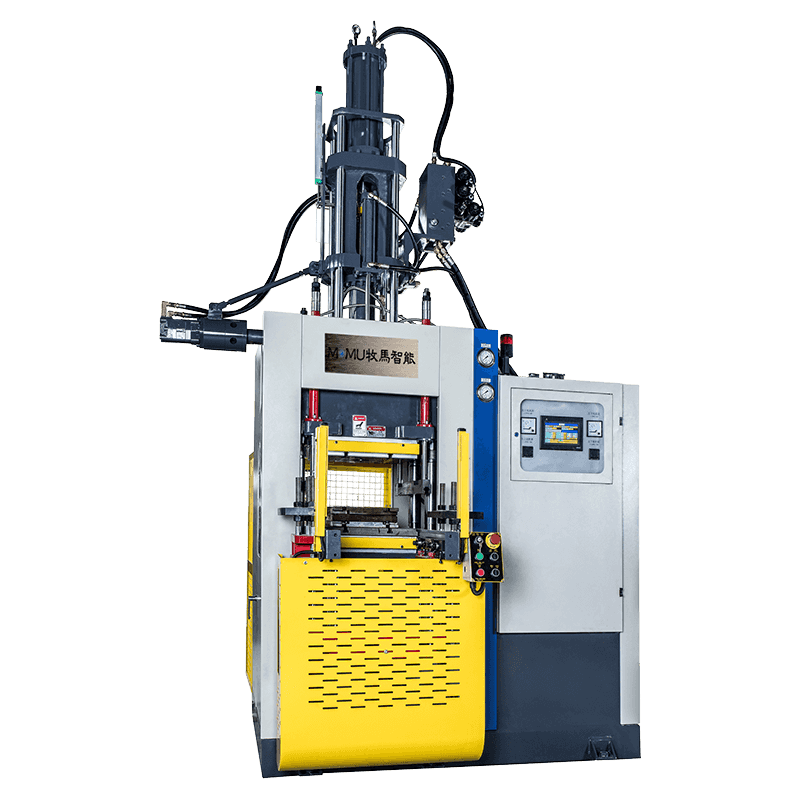
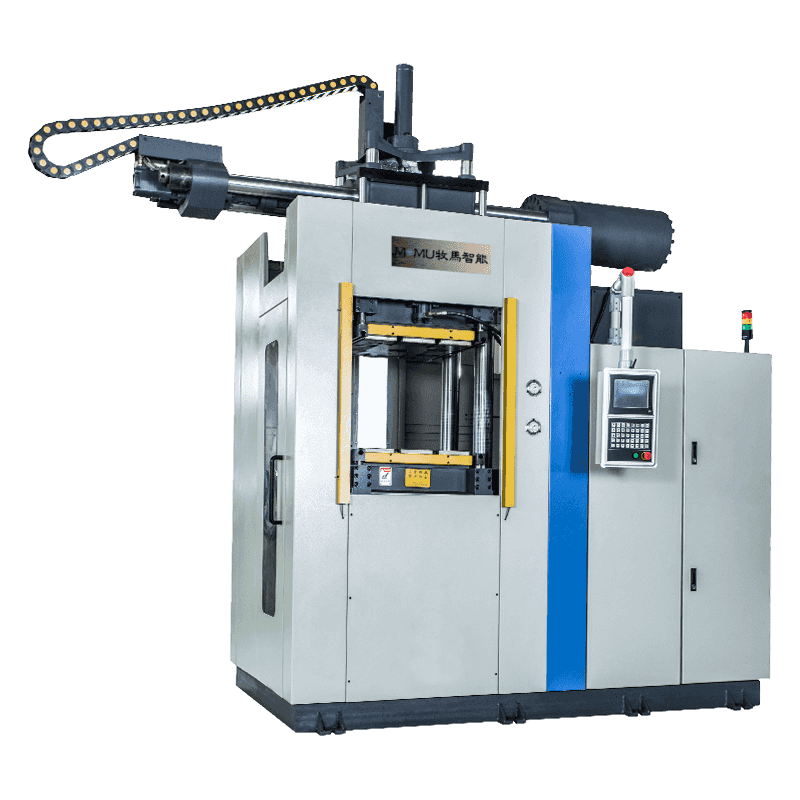
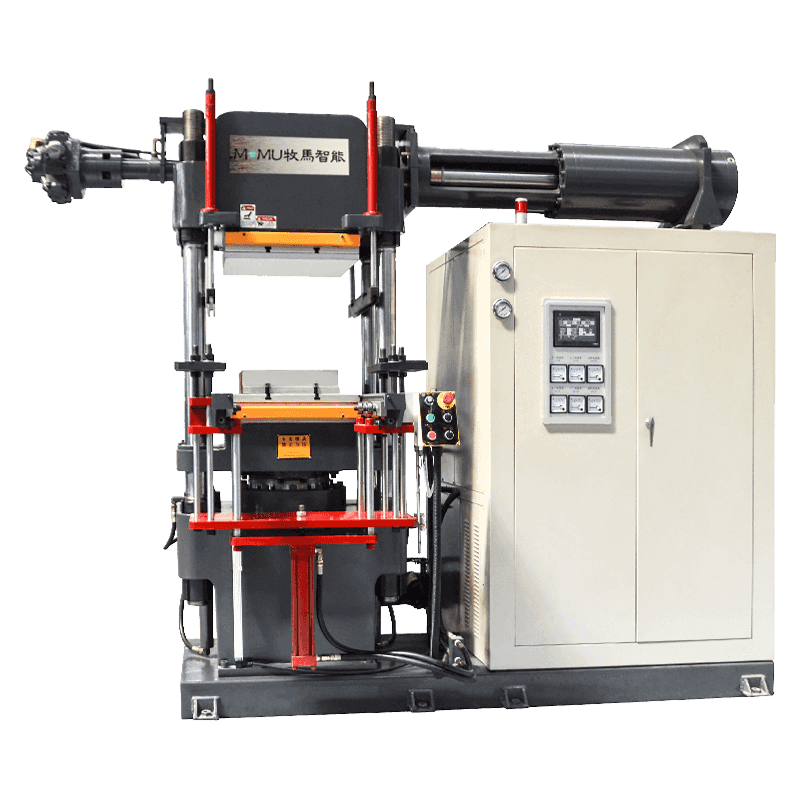
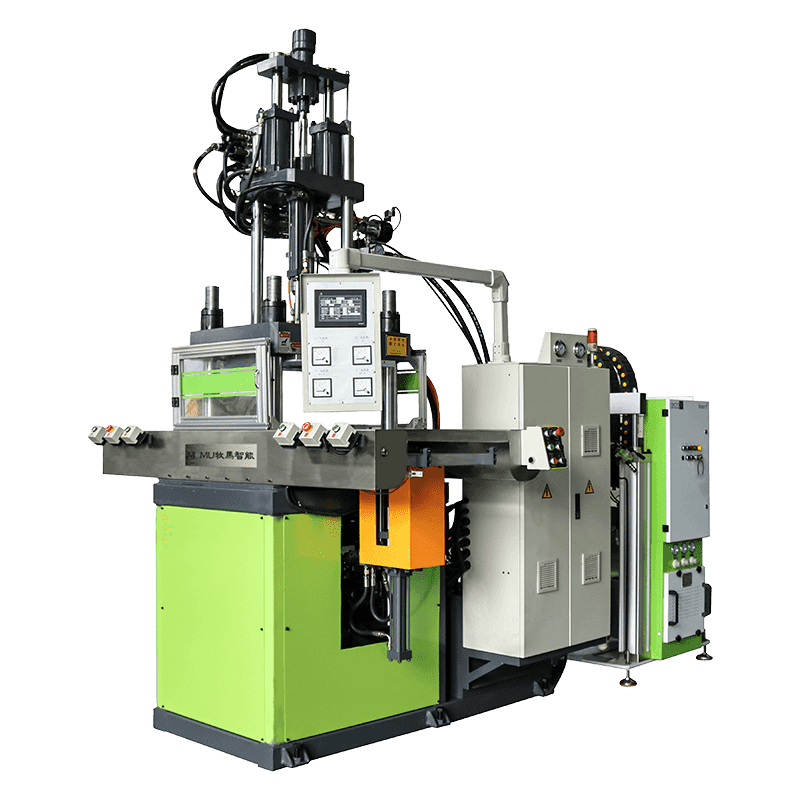
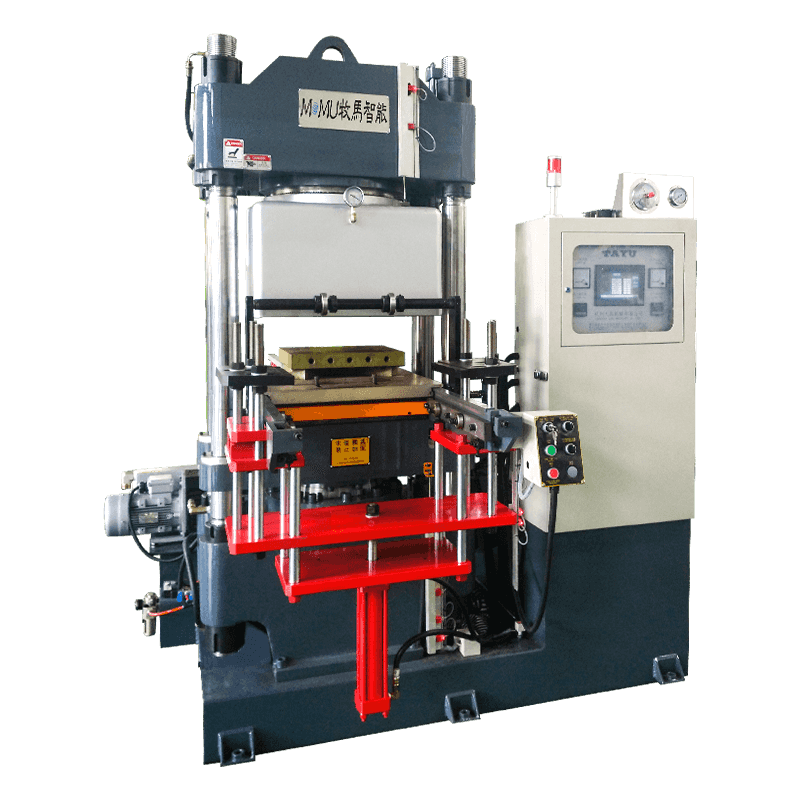
Not all injection molding machines are built the same way. The three main drive system types — hydraulic, electric, and hybrid — each suit different production environments. Knowing their differences is the starting point for any serious evaluation.
Hydraulic Machines
Hydraulic presses are the traditional workhorse of the industry. They offer high clamping force at a relatively lower purchase price, making them attractive for heavy-duty or high-tonnage applications. However, they consume more energy and require more maintenance due to oil systems, seals, and hydraulic pumps. They are well-suited for large parts, thick-walled components, and applications where precision repeatability is secondary to raw power.
All-Electric Machines
Electric machines use servo-driven motors for every axis of movement, delivering exceptional repeatability, faster cycle times, and significantly lower energy consumption — often 30–70% less than hydraulic equivalents. They are the preferred choice for high-precision parts, medical components, optical applications, and clean-room environments. The upfront cost is higher, but total cost of ownership is frequently lower over a 10-year horizon.
Hybrid Machines
Hybrid machines combine a servo-electric injection unit with a hydraulic clamping system, or vice versa. They offer a balanced trade-off between the power of hydraulics and the energy efficiency and precision of electric drives. They are a practical middle ground for shops running diverse part geometries and materials.
Clamping Force: The Number Everyone Focuses On
Clamping force, measured in tons, is the force the machine applies to keep the mold closed during injection. Selecting insufficient clamping force causes flash — where molten plastic escapes the mold parting line — while oversizing the machine wastes energy and floor space.
The standard rule of thumb is 2 to 5 tons of clamping force per square inch of projected part area, depending on the material being processed. High-viscosity materials like PC or ABS typically demand the upper end of that range. To calculate the required tonnage:
- Determine the total projected area of all cavities plus runners in the mold (in square inches).
- Multiply by the material's recommended cavity pressure factor (typically 2–5 tons/in²).
- Add a 10–20% safety margin to account for mold wear and process variation.
For example, a part with a projected area of 20 in² molded in polypropylene (a relatively low-viscosity material at 2–3 tons/in²) would require approximately 40–60 tons of clamping force, giving you a target range of 55–70 tons with the safety buffer applied.
Shot Size and Injection Unit Specifications
Shot size refers to the maximum volume of plastic the machine can inject in a single cycle. It must be matched to your part weight and the number of cavities in your mold. Critically, you should aim to use between 20% and 80% of the machine's maximum shot capacity for any given production run. Running a machine consistently below 20% capacity leads to material degradation in the barrel due to excessive residence time. Running above 80% risks inconsistent fill and dimensional variation.
Additional injection unit parameters to evaluate include:
- Injection pressure: Typically 20,000–30,000 psi for standard materials; higher-flow engineering resins may need more.
- Injection speed: Faster injection rates are needed for thin-walled parts with long flow lengths.
- Screw L/D ratio: A length-to-diameter ratio of 20:1 is standard; fiber-filled or abrasive compounds may require special screw geometries.
Material Compatibility: Match the Machine to Your Resin
The resin you run dictates many machine specifications. Different polymers require different barrel temperatures, screw designs, nozzle configurations, and corrosion resistance levels. The table below summarizes key considerations for common material families:
| Material | Barrel Temp Range | Special Requirements |
| Polypropylene (PP) | 200–280°C | Standard screw, no special lining needed |
| Polycarbonate (PC) | 280–320°C | High injection pressure, thorough drying |
| PVC | 160–200°C | Corrosion-resistant barrel and screw |
| Glass-Filled Nylon | 260–300°C | Wear-resistant bimetallic barrel, vented screw |
| TPE / TPU | 180–230°C | Low compression screw, precise back-pressure control |
If your production involves corrosive materials like PVC or fluoropolymers, investing in a bimetallic or hardened barrel is not optional — it is a basic protection for your equipment investment.
Platen Size and Mold Compatibility
The platen is the mounting surface that holds your mold. Before purchasing any machine, verify that your existing or planned molds physically fit the platen dimensions. Key measurements include the distance between tie bars (the open space between the four guide columns), the minimum and maximum mold thickness the machine can accommodate, and the daylight opening (maximum distance between platens when fully open), which must be large enough for part ejection.
If you are purchasing a machine before finalizing your mold designs, use your largest anticipated mold as the benchmark and ensure the tie bar spacing allows it to mount without interference.
Evaluating the Control System and Automation Readiness
Modern injection molding machines are sophisticated process control systems. The quality of the controller determines how well you can optimize and repeat a process. Look for controllers that offer closed-loop control on injection velocity, pressure, and position — not just open-loop settings. Machines with real-time process monitoring and the ability to log cycle data are essential for quality management systems like ISO 13485 or IATF 16949.
Also evaluate the machine's integration capabilities. Does it support standard robot interfaces (Euromap 67 or Euromap 12)? Can it connect to your factory's MES or ERP via OPC-UA or similar protocols? As automation and Industry 4.0 connectivity become baseline expectations, a machine without open communication ports will quickly become a liability in a modern shop floor environment.
Total Cost of Ownership Beyond the Sticker Price
Purchase price is only a fraction of what a machine will cost you over its operational life. When comparing quotes, build a full cost-of-ownership model that includes energy consumption, preventive maintenance intervals and parts costs, availability and cost of local service support, operator training requirements, and the cost of downtime if the machine fails. A machine priced 15% lower than a competitor may have twice the energy consumption or require costly proprietary parts that are only available from overseas suppliers with long lead times.
Request energy consumption data from the manufacturer for your specific shot size and cycle time scenario. For all-electric machines in particular, validated energy data from an independent source carries more weight than marketing claims. Ask for references from existing customers running similar applications and reach out to them directly before committing.
New vs. Used Machines: Where the Trade-offs Really Lie
Used machines can offer significant capital savings, but the risk profile is fundamentally different from buying new. A well-maintained hydraulic press from a reputable brand can deliver years of reliable service if properly inspected. Key items to verify on any used machine include the condition of the barrel and screw, the state of the hydraulic seals and pump, the calibration and function of the control system, and the structural integrity of the tie bars and platen surfaces.
For high-precision or regulated applications — medical devices, food-contact parts, or automotive safety components — the traceability and warranty guarantees of a new machine often outweigh the upfront cost savings of buying used. In high-volume commodity production where tolerances are more forgiving, a refurbished machine from a known supplier can be a sound financial choice.
Making the Final Decision
The right injection molding machine is the one that matches your part geometry, material requirements, production volume, and quality standards — not simply the one with the lowest price per ton of clamping force. Build your specification from the part outward: start with your resin and part size, calculate your required clamping force and shot size, define your quality and automation needs, and then evaluate machine options against those requirements. Involve your mold maker and process engineers early, and require technical trials on candidate machines using your actual material before finalizing any purchase. A machine bought on specifications alone is a gamble; a machine proven on your process is an investment.