Search
 English
 中文简体
中文简体 Español
Content
- 1 What Is a Vacuum Rubber Vulcanizing Machine?
- 2 How the Vulcanization Process Works
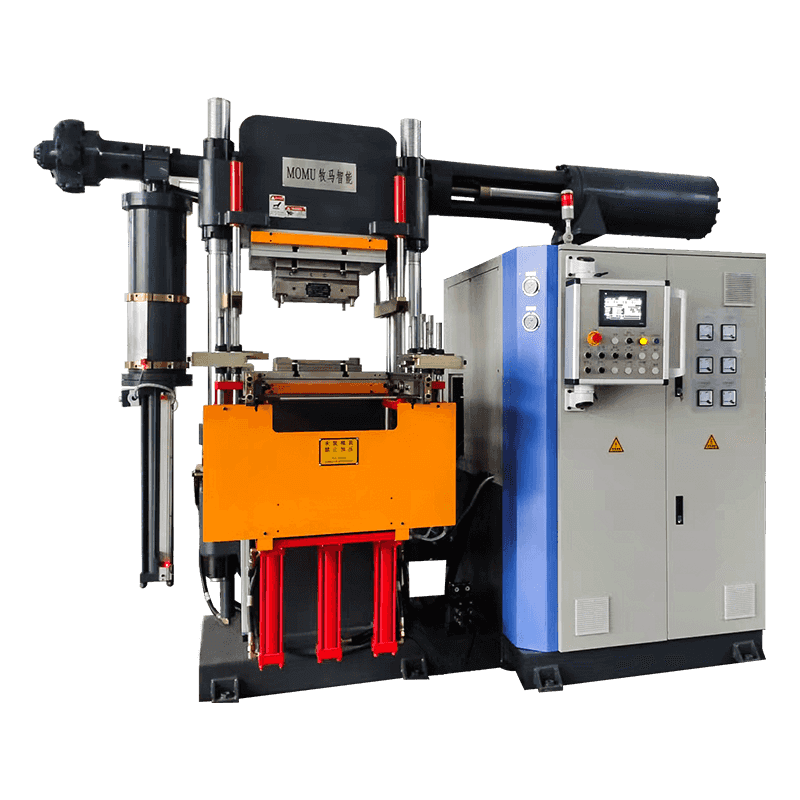
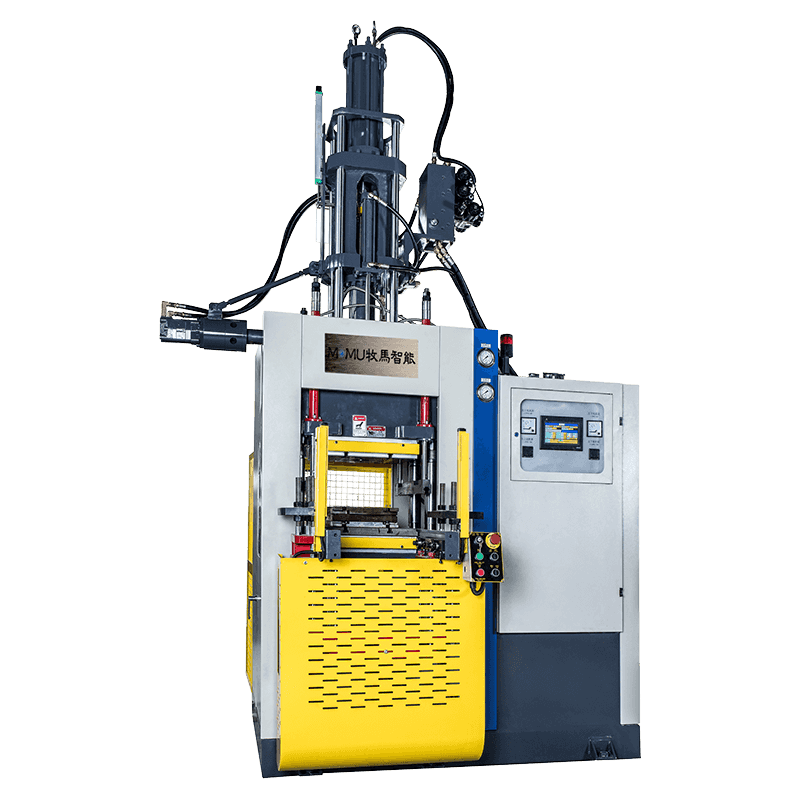
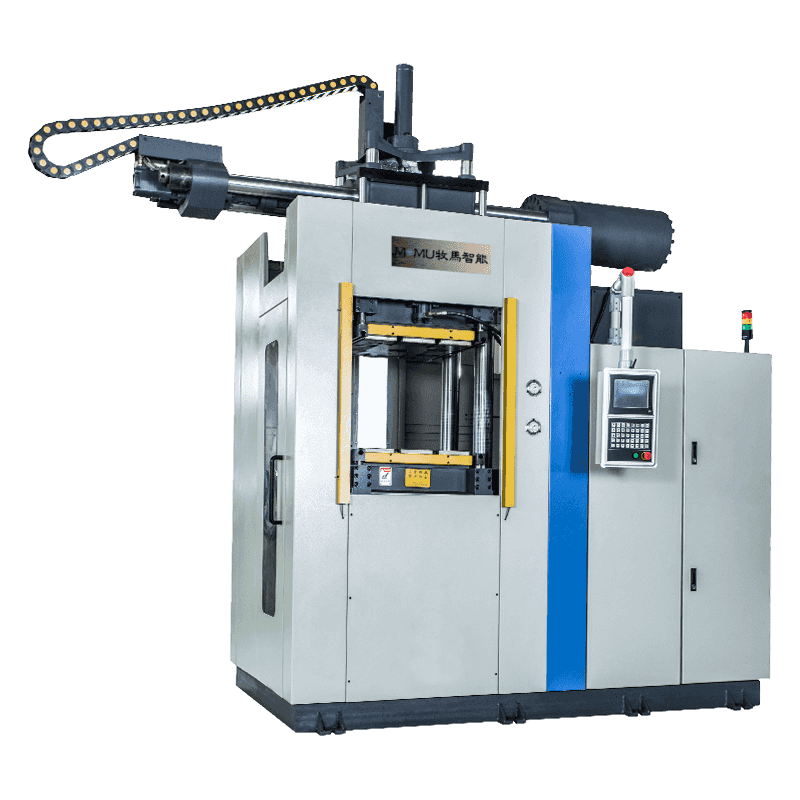
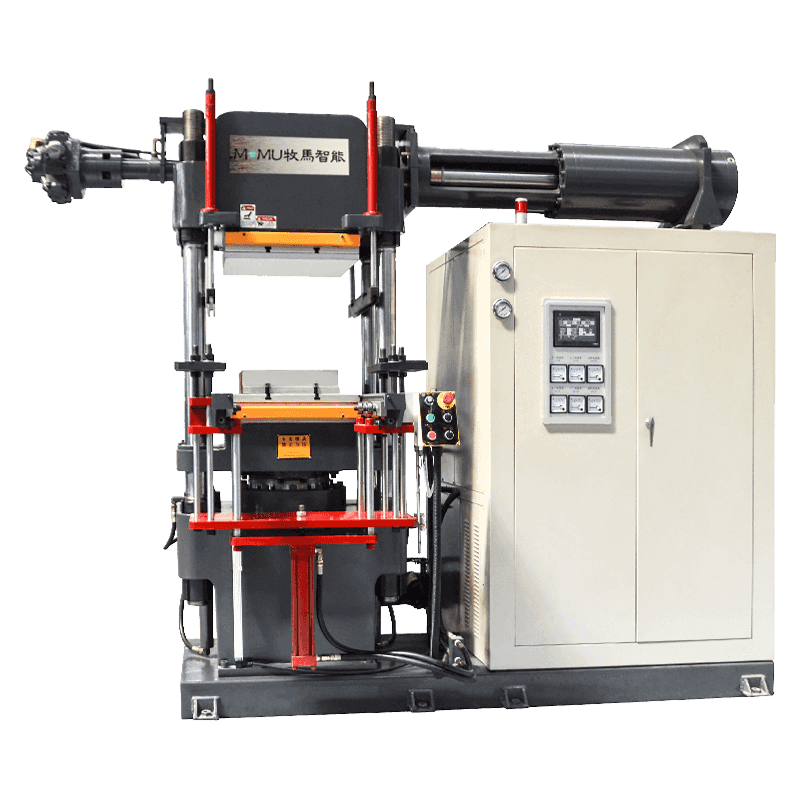
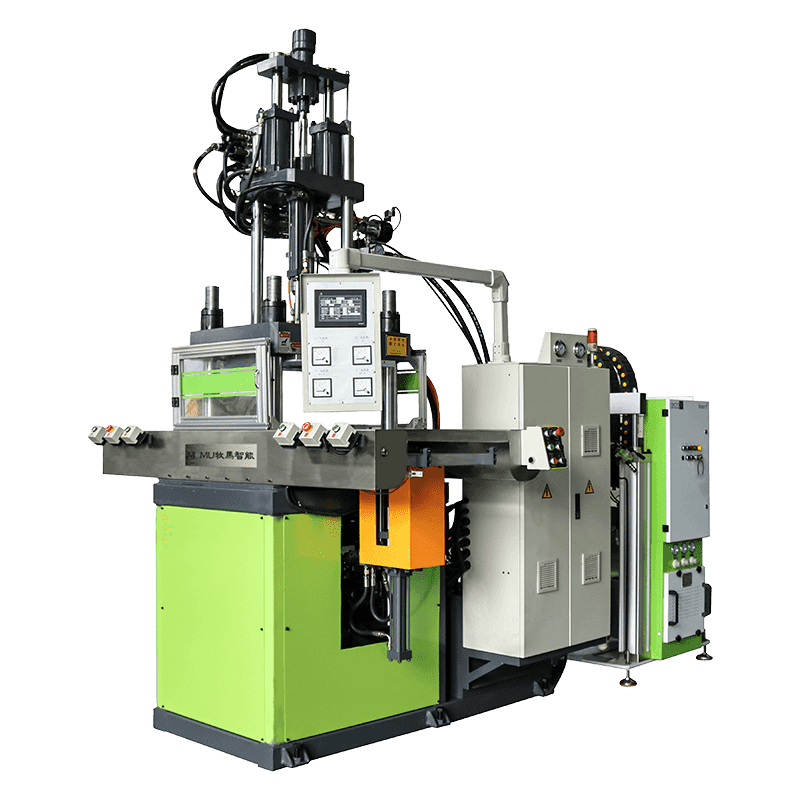
- 3 Main Components of the Machine
- 4 Comparing Vacuum Vulcanizing with Standard Vulcanizing Methods
- 5 Industries That Rely on This Equipment
- 6 Key Factors to Consider Before Purchasing
- 7 Maintenance Tips for Reliable Operation
What Is a Vacuum Rubber Vulcanizing Machine?
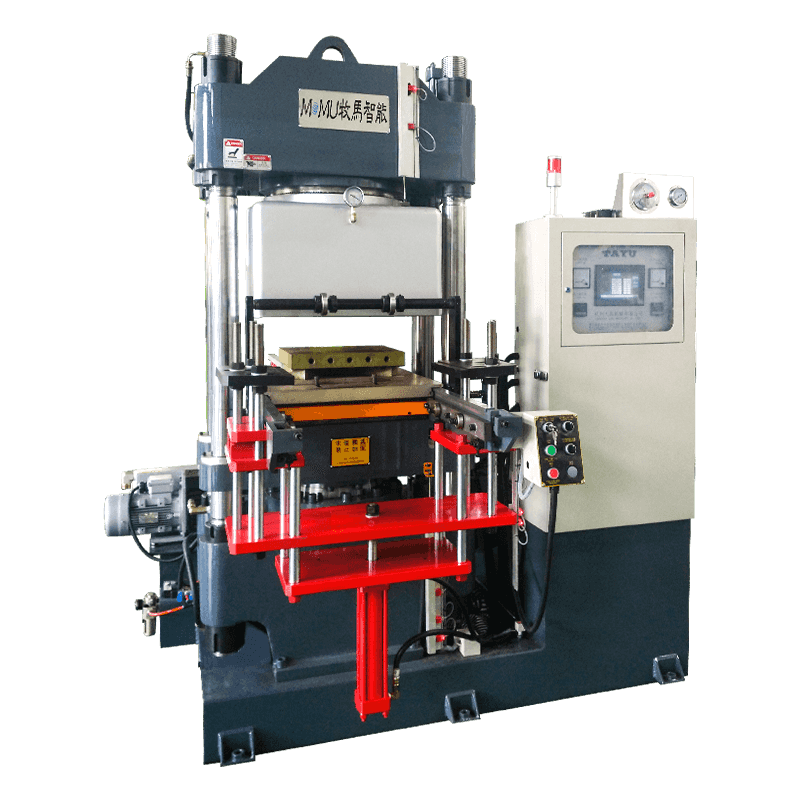
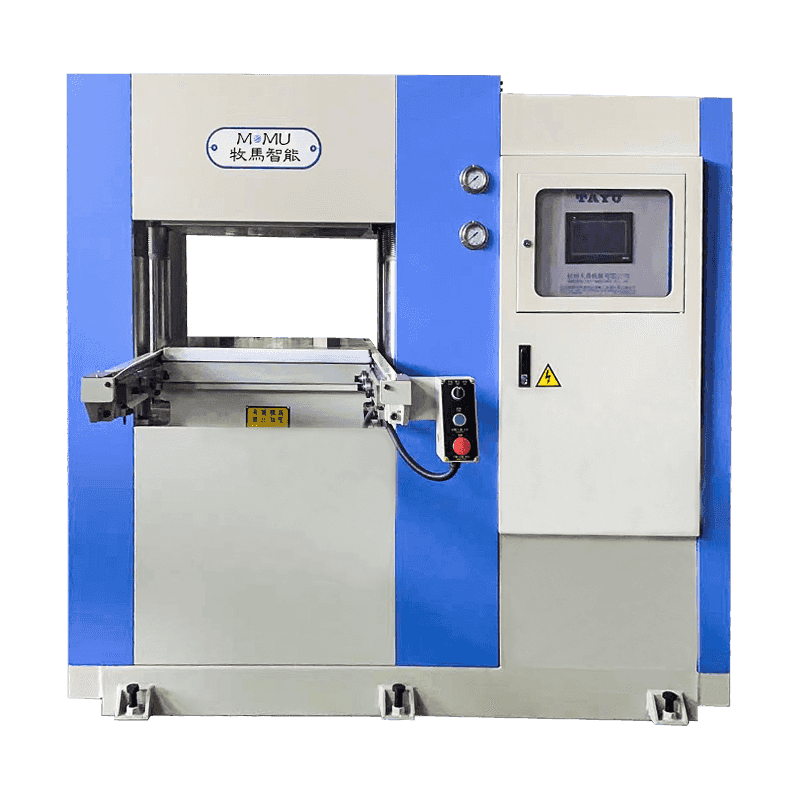
A vacuum rubber vulcanizing machine is industrial equipment used to cure rubber materials under heat, pressure, and vacuum conditions simultaneously. The vacuum function removes trapped air and moisture from the rubber compound during the molding process, which prevents bubbles, voids, and porosity from forming inside the finished product. This makes the equipment especially valuable for manufacturing dense, defect-free rubber components such as gaskets, seals, conveyor belts, and rubber-coated fabrics.
Unlike standard vulcanizing presses that rely solely on heat and pressure, the vacuum-assisted design draws air out of the mold cavity before or during the curing cycle. This results in tighter material density, improved surface finish, and greater dimensional accuracy, which is critical for applications where product reliability cannot be compromised, such as automotive sealing components and medical-grade rubber parts.
How the Vulcanization Process Works
Vulcanization is a chemical process that transforms raw rubber into a durable, elastic material through cross-linking of polymer chains, typically using sulfur or peroxide-based curing agents combined with heat. In a vacuum rubber vulcanizing machine, this process is enhanced by controlling three variables together: temperature, pressure, and vacuum level.
Heating Stage
The rubber compound is placed into a mold and heated to a specific temperature range, often between 140°C and 180°C depending on the compound type. Consistent heat distribution across the mold surface is essential to achieve uniform curing and avoid under-cured or over-cured sections.
Vacuum Extraction
Before or during pressing, a vacuum pump extracts air from the mold chamber. This step eliminates trapped gases that would otherwise create internal voids or surface blemishes, particularly important for thick or multi-layer rubber products.
Pressing and Curing
Hydraulic or pneumatic pressure compresses the rubber into the mold shape while the vacuum maintains a controlled environment. The curing time varies based on rubber thickness and compound formulation, typically ranging from several minutes to over an hour for thicker parts.
Main Components of the Machine
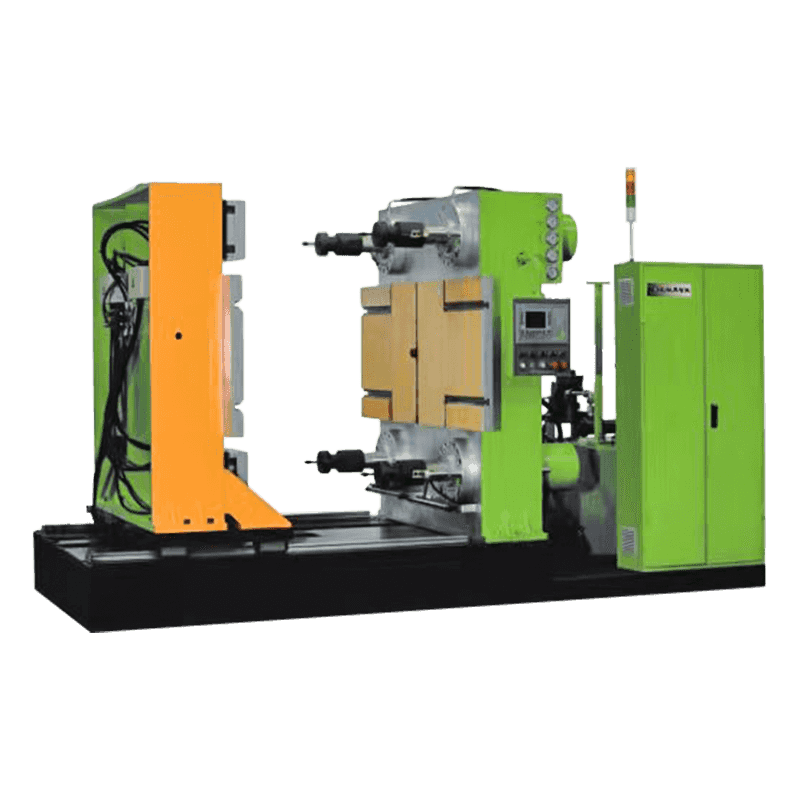
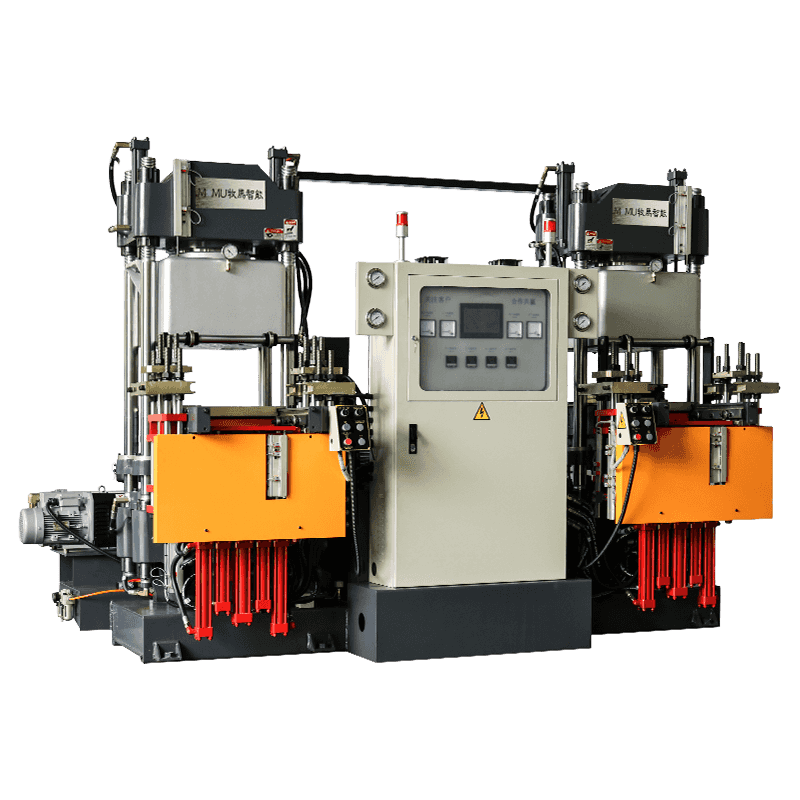
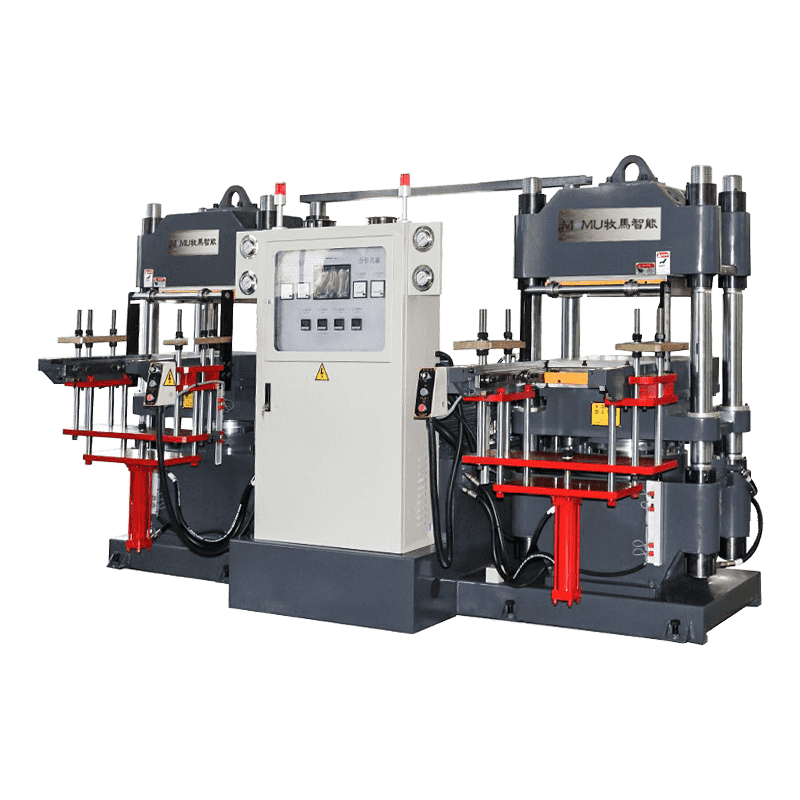
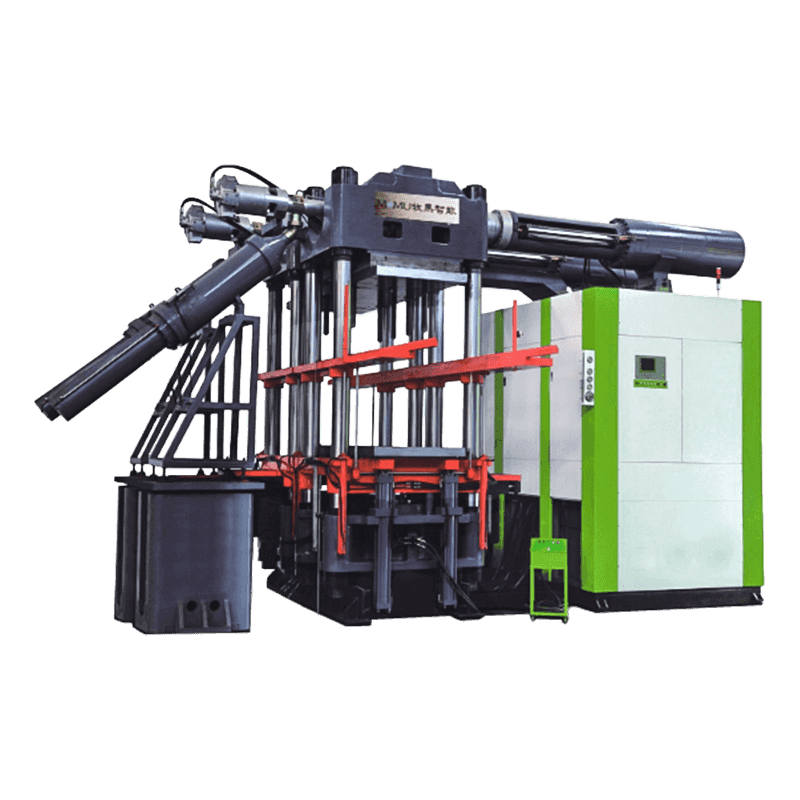
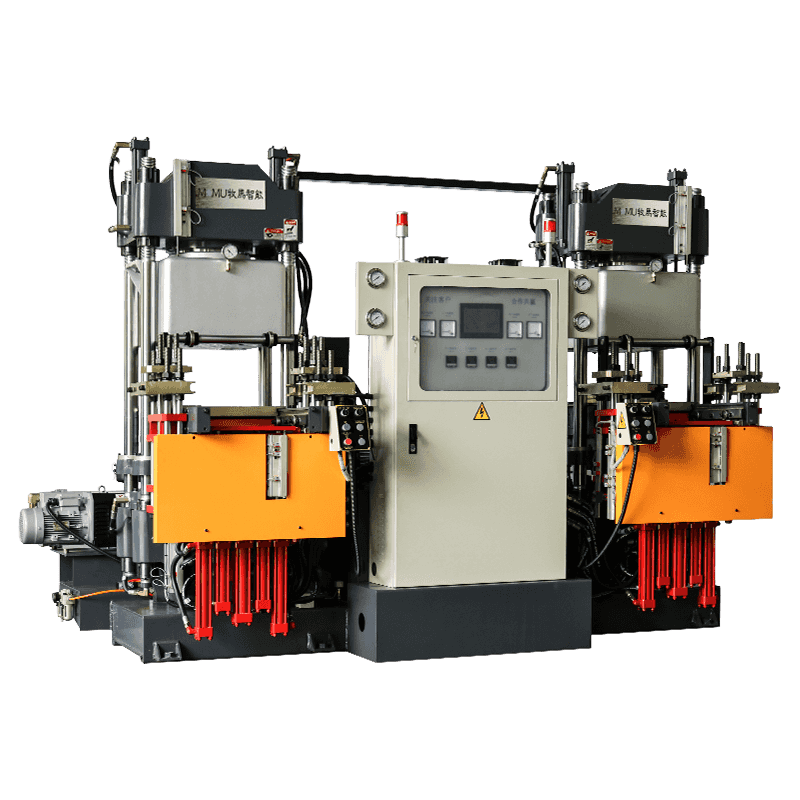
Understanding the core parts of a vacuum rubber vulcanizing machine helps operators and buyers assess equipment quality and troubleshoot performance issues effectively.
- Heating platens with electric or steam-based temperature control
- Vacuum pump and sealed chamber for air extraction
- Hydraulic cylinder system for applying consistent molding pressure
- Digital control panel for setting temperature, time, and vacuum level
- Safety interlocks that prevent operation when the chamber is not properly sealed
- Mold clamping mechanism to hold tooling securely in place
Comparing Vacuum Vulcanizing with Standard Vulcanizing Methods
The table below highlights the practical differences between vacuum-assisted vulcanizing and conventional press vulcanizing to help manufacturers determine which method suits their product requirements.
| Feature | Standard Vulcanizing Press | Vacuum Rubber Vulcanizing Machine |
| Air Void Control | Limited | Excellent |
| Suitable for Thick Parts | Moderate risk of internal defects | Reliable for thick or multi-layer parts |
| Surface Finish Quality | Standard | Higher clarity and smoothness |
| Equipment Cost | Lower | Higher due to vacuum system |
| Best Applications | General rubber molding | Precision seals, gaskets, medical parts |
Industries That Rely on This Equipment
Vacuum rubber vulcanizing machines are used across a range of industries where product density and surface integrity directly affect performance and safety.
- Automotive manufacturing for door seals, gaskets, and vibration dampers
- Industrial equipment production for O-rings and hydraulic seals
- Medical device manufacturing requiring void-free rubber components
- Conveyor belt production for mining and logistics operations
- Footwear manufacturing for rubber soles requiring consistent density
Key Factors to Consider Before Purchasing
Selecting the right vacuum rubber vulcanizing machine requires evaluating several technical and operational factors that affect long-term production efficiency.
Chamber Size and Mold Capacity
Buyers should choose a machine with a chamber size that accommodates their typical mold dimensions and production volume, since undersized equipment limits batch output and oversized equipment wastes energy.
Vacuum Pump Performance
The vacuum pump's extraction speed and achievable vacuum level directly influence product quality. A pump that cannot reach sufficient vacuum pressure will fail to eliminate trapped air effectively, especially in thicker or more complex mold geometries.
Temperature Uniformity
Even heat distribution across the platen surface prevents inconsistent curing, which can lead to weak spots or premature product failure. Manufacturers should request temperature mapping data from equipment suppliers before purchase.
Maintenance Tips for Reliable Operation
Routine maintenance keeps the vacuum system and heating components functioning correctly, reducing downtime and extending equipment lifespan.
- Check vacuum seals regularly for leaks that reduce extraction efficiency
- Clean mold surfaces after each cycle to prevent residue buildup
- Inspect heating elements periodically for uneven temperature output
- Test hydraulic pressure systems to confirm consistent clamping force
- Calibrate control panel sensors to maintain accurate process settings
A vacuum rubber vulcanizing machine offers manufacturers a dependable way to produce dense, defect-free rubber components across demanding industries. By understanding how the vacuum and pressing systems work together, evaluating equipment specifications carefully, and maintaining the machine properly, producers can achieve consistent quality while minimizing production downtime over the long term.