Search
 English
 中文简体
中文简体 Español
Content
What a Rubber Injection Molding Machine Does
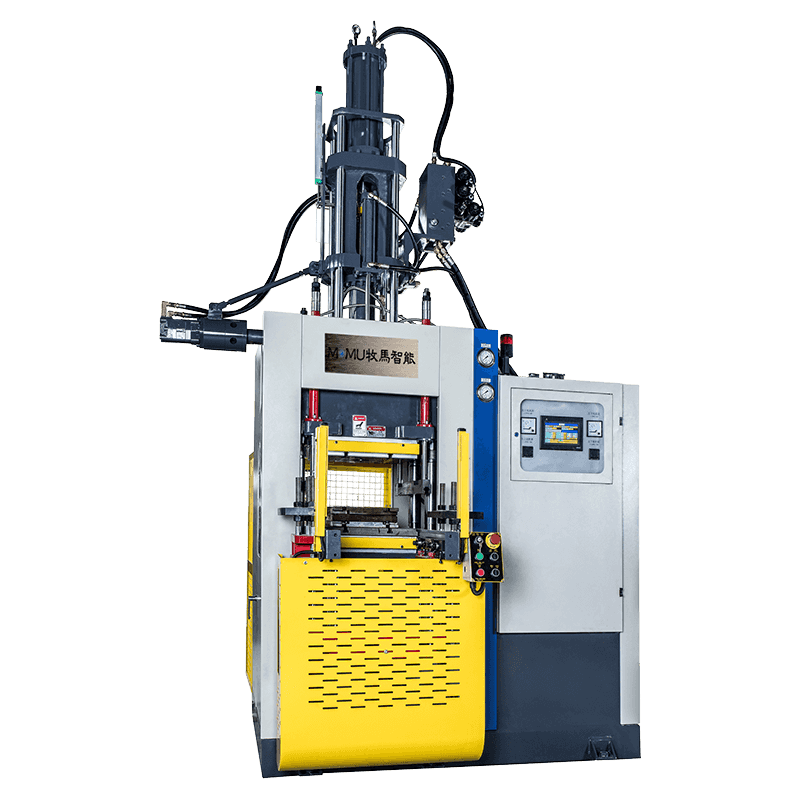
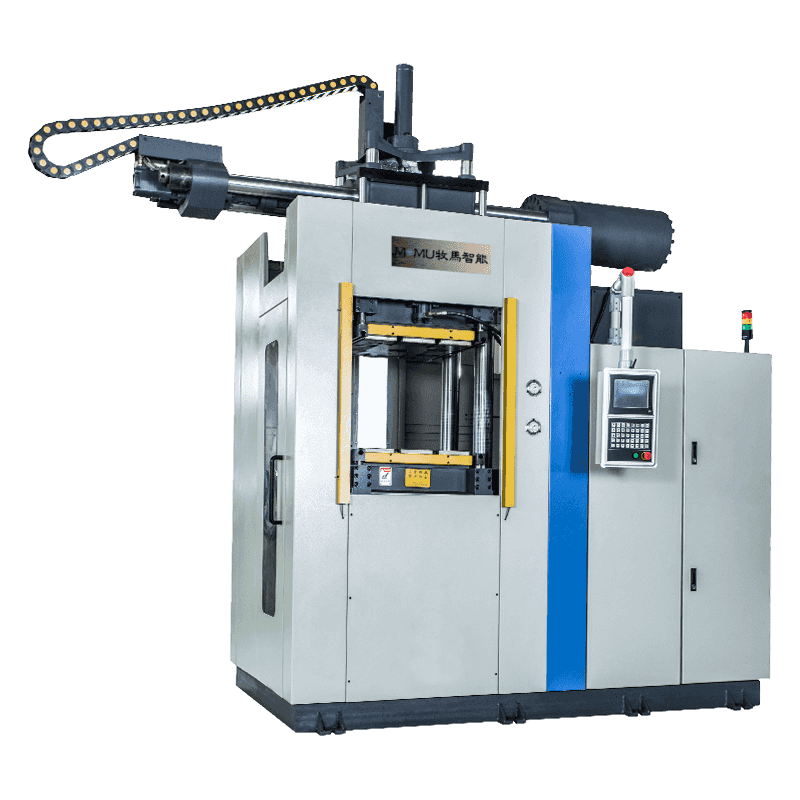
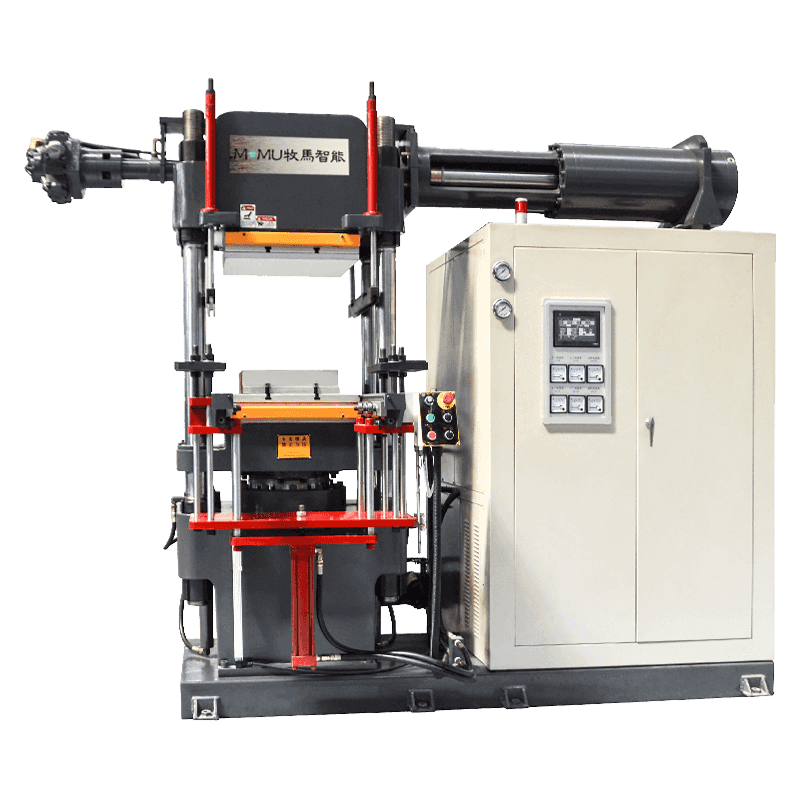
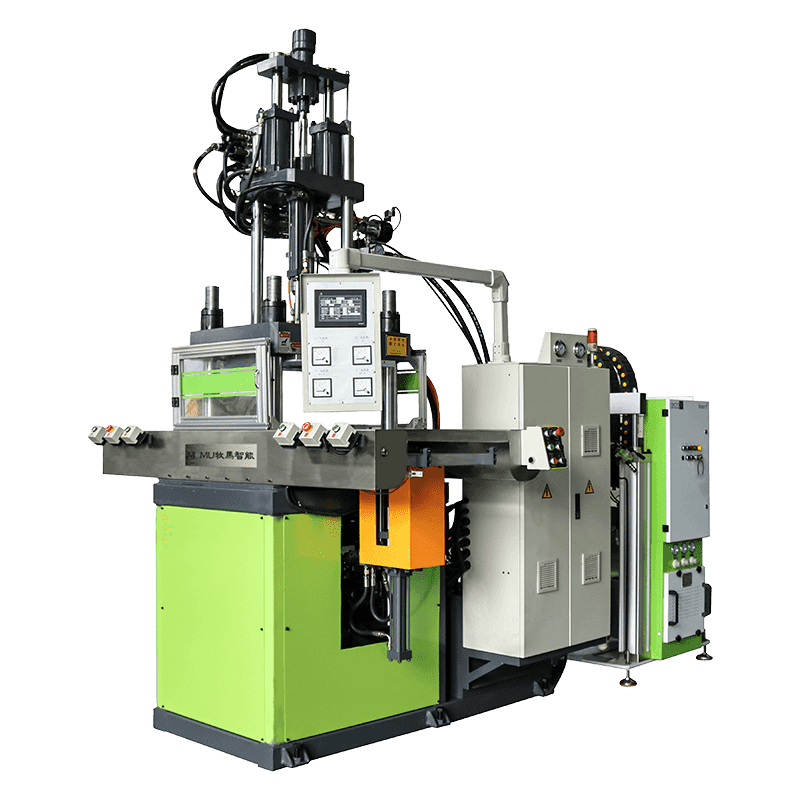
A rubber injection molding machine is industrial equipment designed to shape raw rubber compound into finished or semi-finished parts by injecting heated, pressurized material into a closed mold cavity. Unlike compression molding, which relies on manually placing preformed rubber into an open mold, injection molding forces material through a nozzle and runner system directly into a sealed cavity. This process gives manufacturers tighter control over dimensional accuracy, cycle time, and material consistency, which is why it has become a standard choice for producing seals, gaskets, grommets, automotive components, and other precision rubber parts at scale.
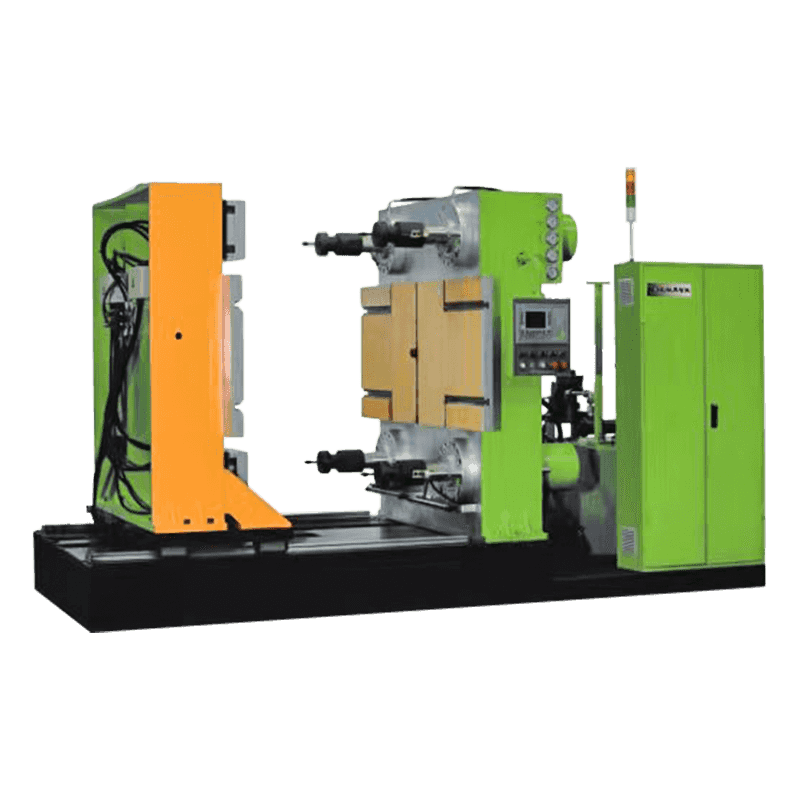
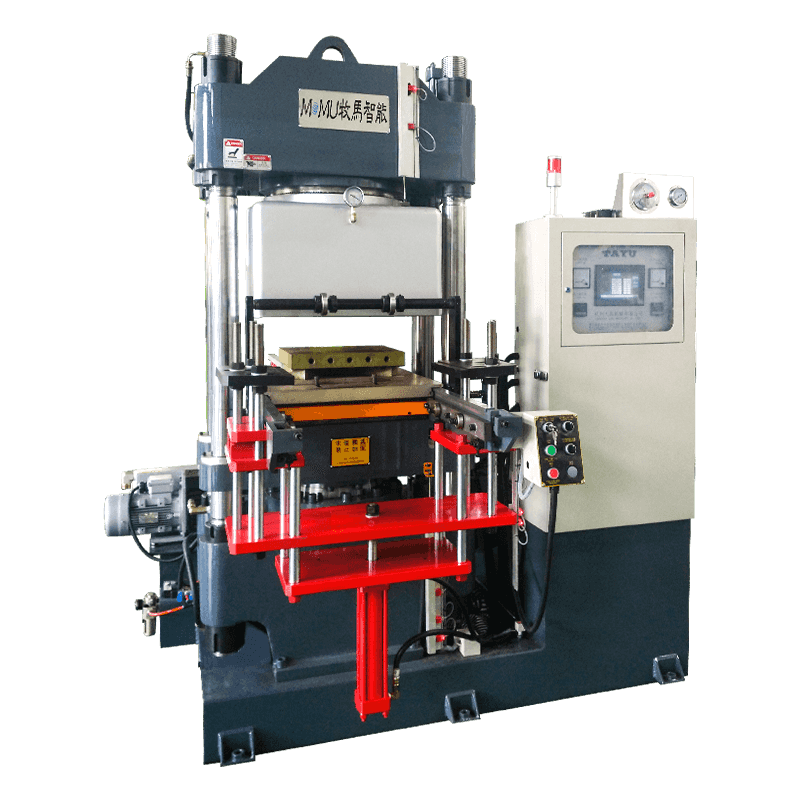
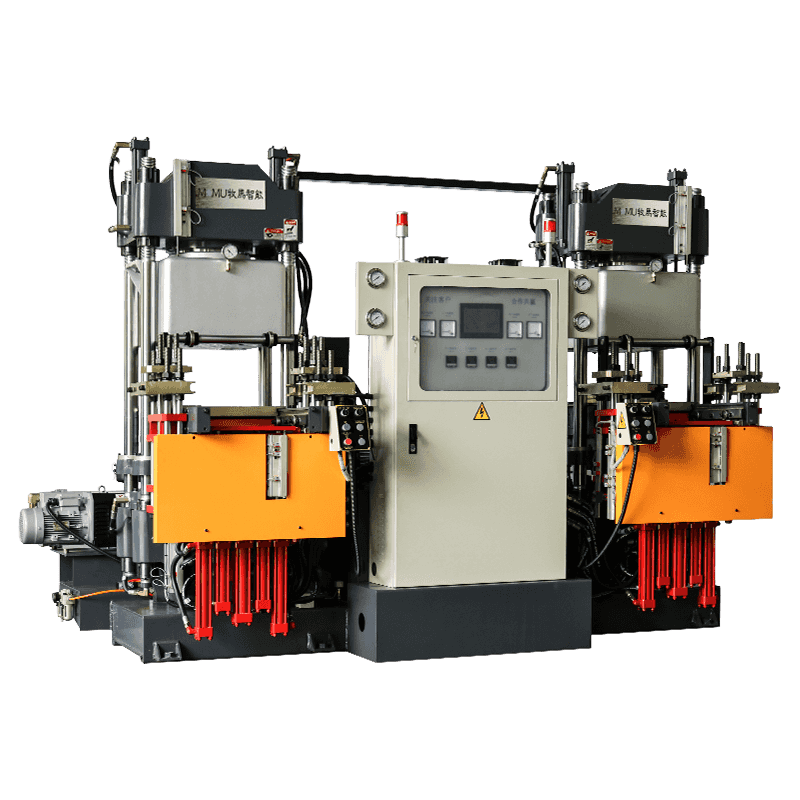
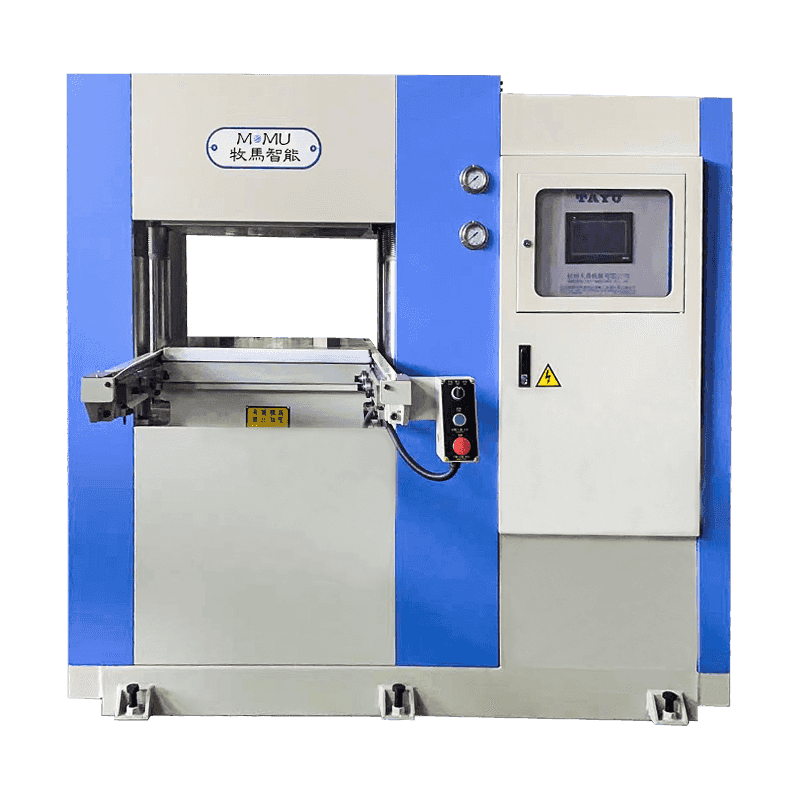
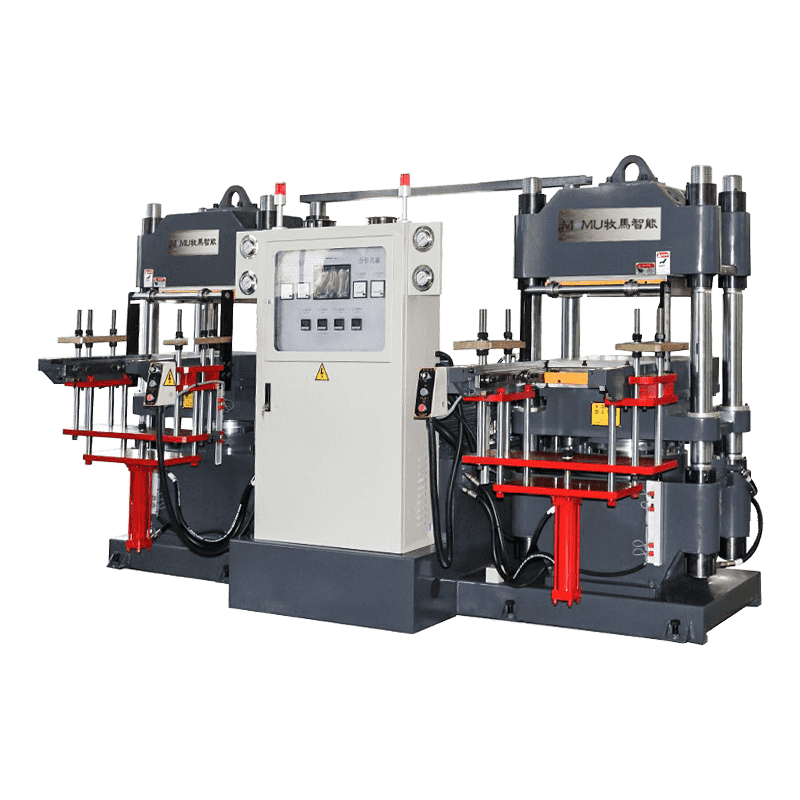
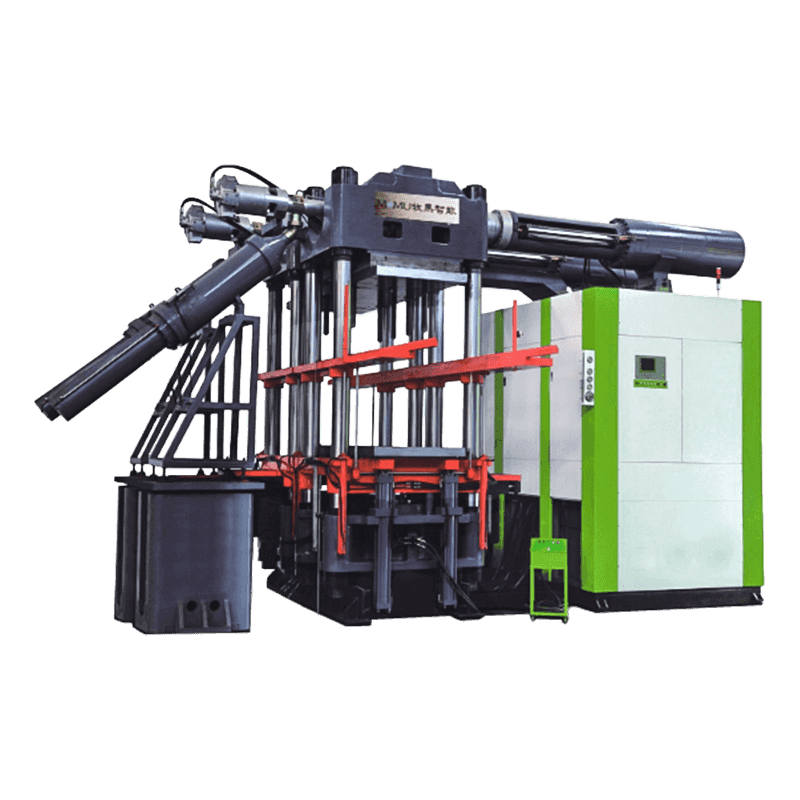
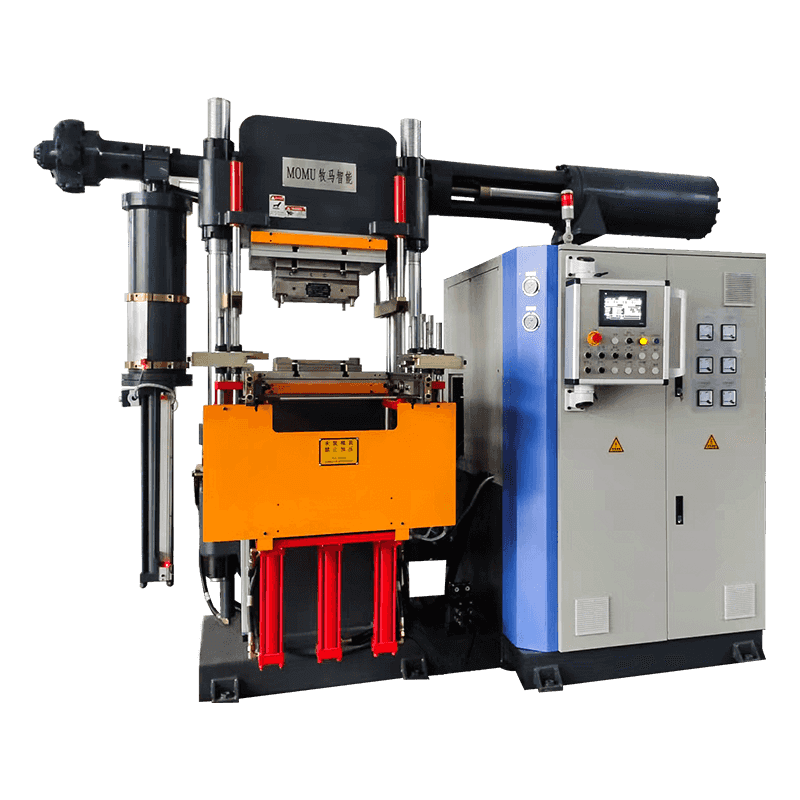
The machine typically consists of a hydraulic clamping unit, an injection unit with a screw or plunger, a heated barrel, and a mold that opens and closes automatically. Modern machines also include programmable logic controllers that manage temperature, pressure, and timing throughout each cycle, reducing the need for constant manual adjustment and improving repeatability across large production runs.
Core Components and How They Work Together
Understanding the main components of a rubber injection molding machine helps operators and buyers evaluate equipment quality and troubleshoot production issues. Each part plays a specific role in transforming raw rubber compound into a finished product with consistent physical properties.
Main Machine Components
- Injection unit: heats and pushes rubber compound through the nozzle into the mold
- Clamping unit: holds the mold halves together under pressure during injection and curing
- Heated barrel and screw: maintain consistent material temperature and plasticize the compound
- Mold cavity: defines the final shape, texture, and dimensions of the part
- Control system: manages temperature, injection speed, pressure, and cure time
These components must work in precise coordination. If barrel temperature fluctuates even slightly, the rubber compound's viscosity changes, which can lead to incomplete mold filling or inconsistent curing. This is why consistent thermal control is one of the most important factors in achieving reliable part quality.
Advantages Over Traditional Molding Methods
Compared to compression or transfer molding, injection molding offers several measurable advantages that directly affect production cost and product quality. Because the process is largely automated, it reduces dependency on manual labor for loading and shaping raw material, which lowers labor costs and minimizes human error.
Cycle times are also significantly shorter. Since the mold remains closed and heated throughout the injection and curing process, there is less time lost to material handling between cycles. This makes injection molding particularly suitable for high-volume production where consistent output speed matters as much as part quality.
Comparison of Molding Methods
| Factor | Compression Molding | Injection Molding |
| Material waste | Higher | Lower |
| Cycle time | Longer | Shorter |
| Dimensional accuracy | Moderate | High |
| Labor requirement | Higher | Lower |
| Best suited for | Simple, low-volume parts | Complex, high-volume parts |
Choosing the Right Machine Specifications
Selecting an appropriate rubber injection molding machine depends on several production-specific factors, including the size of parts being produced, the type of rubber compound used, and expected output volume. Clamping force is one of the most important specifications to evaluate, since it determines how much pressure the machine can apply to keep the mold sealed during injection. Insufficient clamping force can lead to flash formation or incomplete parts, while excessive clamping force may increase energy consumption unnecessarily.
Screw diameter and injection volume capacity should also match the size range of parts being manufactured. A machine with too small an injection capacity will require multiple shots to fill larger molds, which increases cycle time and can introduce inconsistencies at the material fusion points. Buyers should also consider whether the compound requires specific curing temperatures, since not all machines offer the same heating precision or temperature range.
Key Specifications to Evaluate
- Clamping force relative to mold size and cavity pressure
- Injection volume capacity compared to typical part size
- Temperature control range and heating uniformity
- Compatibility with the specific rubber compound being used
- Availability of programmable cycle settings for repeat production
Maintenance Practices That Extend Machine Life
Routine maintenance is essential for keeping a rubber injection molding machine operating at consistent quality levels. Residual rubber compound can accumulate in the barrel and nozzle over time, which may affect material flow and lead to defects such as short shots or surface blemishes. Scheduled cleaning cycles help prevent this buildup from interfering with production.
Mold maintenance is equally important. Molds should be inspected regularly for wear, especially around parting lines and vent channels, since worn molds can cause flash or trapped air pockets in finished parts. Hydraulic systems also require periodic fluid checks and filter replacements to maintain consistent clamping pressure throughout production runs.
Recommended Maintenance Steps
- Clean the barrel and nozzle regularly to prevent compound buildup
- Inspect molds for wear along parting lines and vent channels
- Check hydraulic fluid levels and replace filters on schedule
- Calibrate temperature sensors to confirm accurate heating readings
- Test clamping force periodically to detect early hydraulic issues
Manufacturers that follow a consistent maintenance schedule tend to experience fewer unplanned shutdowns and maintain more stable part quality across long production runs. Given that these machines operate under continuous heat and pressure, proactive upkeep is far more cost-effective than reactive repairs after equipment failure.
Final Considerations for Manufacturers
A rubber injection molding machine represents a significant capital investment, but for manufacturers producing precision rubber parts at scale, the benefits in speed, consistency, and reduced material waste typically justify the cost. Before purchasing, it is worth requesting sample runs using the actual rubber compound intended for production, since compound behavior can vary significantly between suppliers and formulations.
Working closely with equipment suppliers who offer strong technical support and readily available spare parts can also reduce long-term downtime risk. Ultimately, selecting the right machine specifications and maintaining a disciplined upkeep routine are the two factors most likely to determine whether a rubber injection molding machine delivers reliable, high-quality output over its operational lifetime.