Search
 English
 中文简体
中文简体 Español
Content
- 1 How a Rubber Injection Molding Machine Works
- 2 Core Components That Drive Performance
- 3 Advantages Over Traditional Molding Methods
- 4 Common Applications Across Industries
- 5 Comparing Injection, Compression, and Transfer Molding
- 6 Maintenance Practices That Extend Machine Life
- 7 Selecting the Right Machine for Your Operation
How a Rubber Injection Molding Machine Works
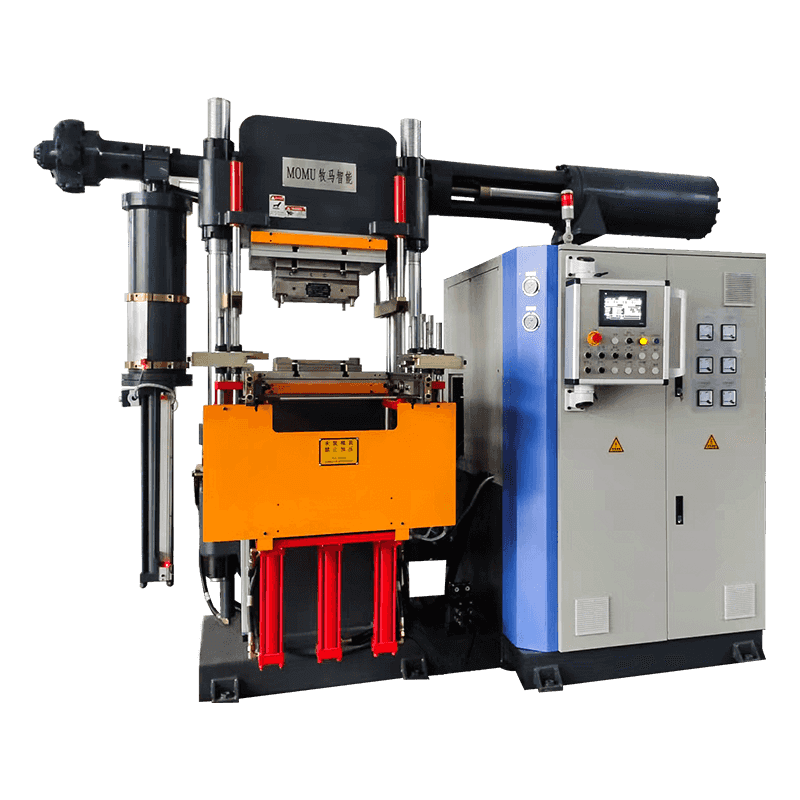
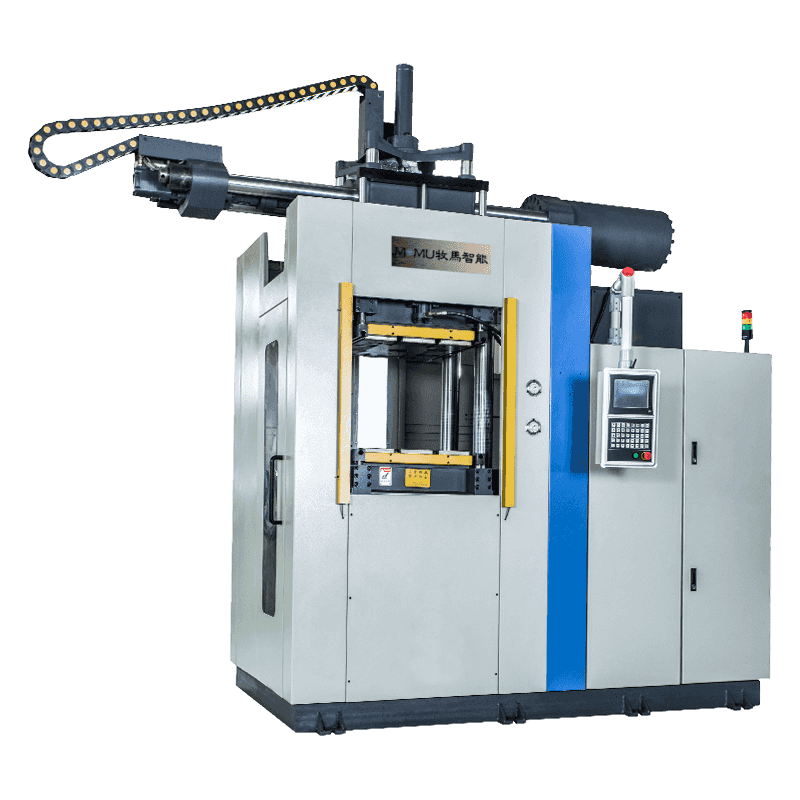
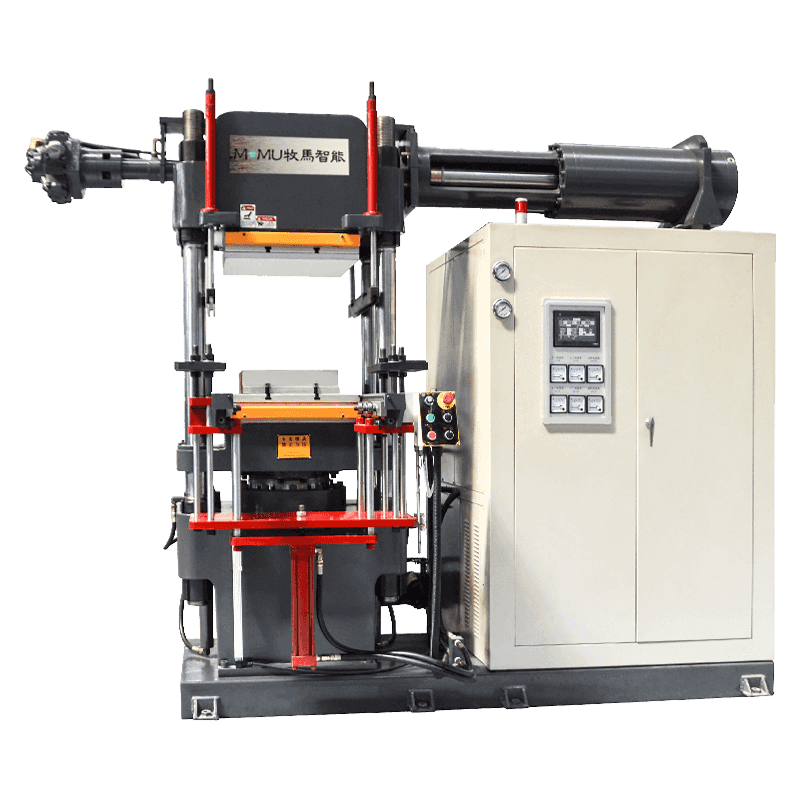
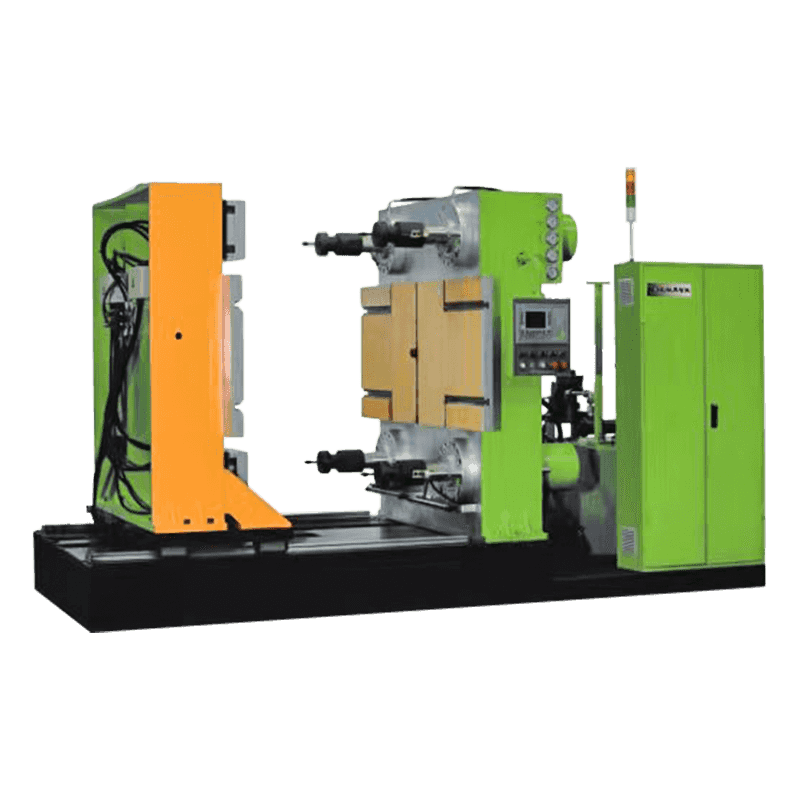
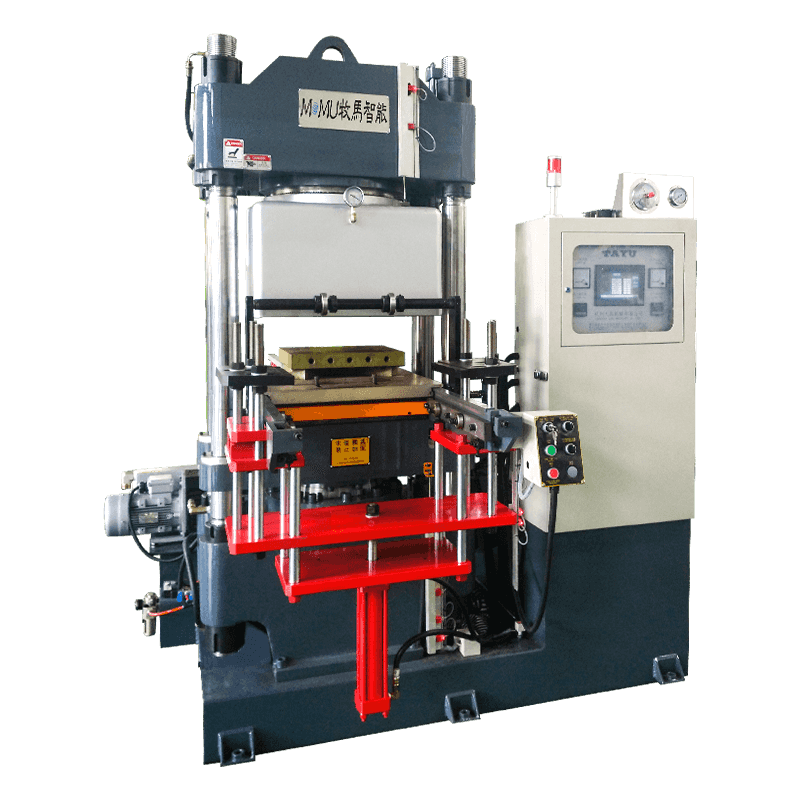
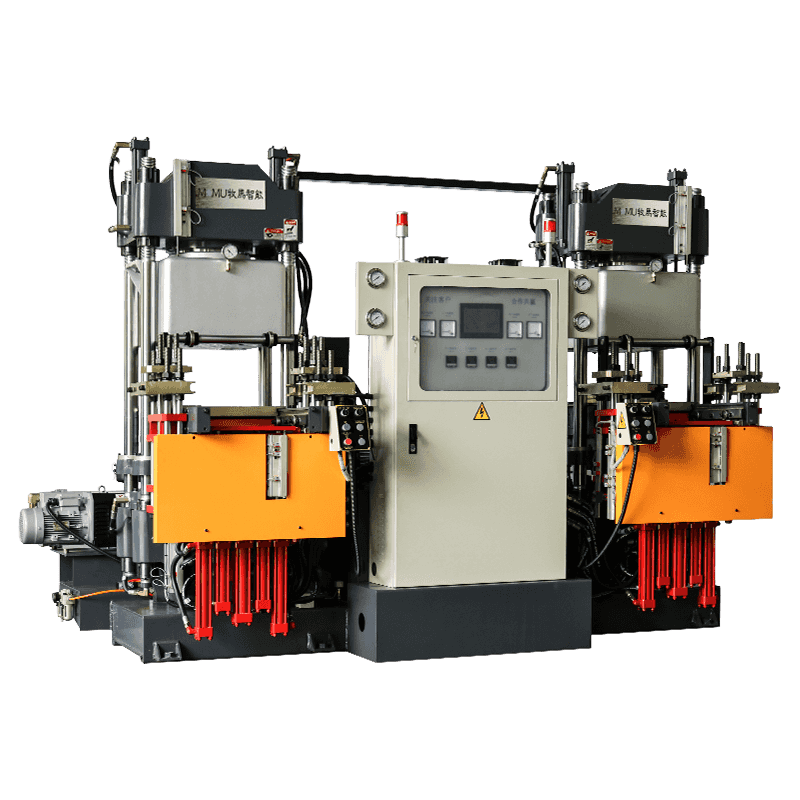
A rubber injection molding machine transforms raw rubber compound into finished parts by forcing heated material into a closed mold under high pressure. Unlike compression molding, which relies on manual mold loading and longer cure cycles, injection molding automates material feeding, plasticizing, and shot control, resulting in faster cycle times and more consistent part dimensions across large production runs.
The process begins when raw rubber, typically in strip or pellet form, enters a heated barrel through a hopper. A rotating screw inside the barrel mixes and plasticizes the material as it moves forward, building pressure until it is ready to be injected into a closed mold cavity. Once the mold fills, the machine holds pressure while the rubber cures under heat, after which the mold opens and the finished part is ejected automatically.
Core Components That Drive Performance
Understanding the main components of a rubber injection molding machine helps operators and buyers evaluate equipment quality and anticipate maintenance needs before problems affect production.
Injection Unit
The injection unit houses the screw and barrel responsible for melting and pushing rubber compound into the mold. Screw design, barrel temperature zones, and injection speed all affect how evenly the material fills complex cavities without trapping air or leaving voids.
Clamping System
The clamping system holds the mold halves together during injection and curing, resisting the internal pressure generated as rubber fills the cavity. Insufficient clamping force can cause flashing or dimensional inaccuracies, so machine tonnage must match the mold size and part complexity being produced.
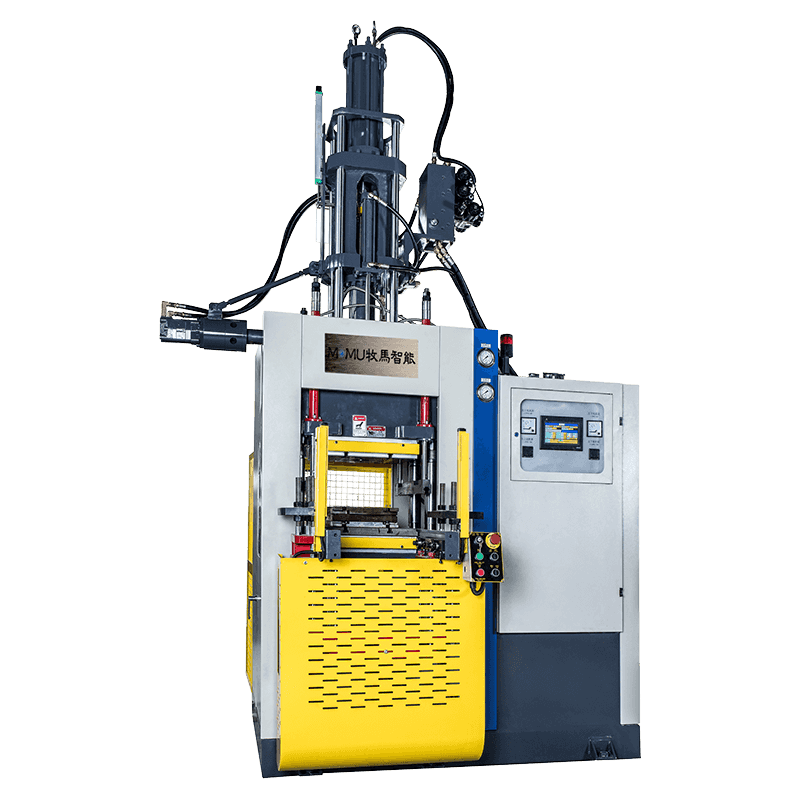
Control System
Modern machines use programmable controllers to manage temperature, pressure, and timing throughout each cycle. This level of control reduces variation between shots and allows operators to store parameters for different part numbers, speeding up changeovers between production jobs.
Advantages Over Traditional Molding Methods
Manufacturers switching from compression or transfer molding to injection molding typically see improvements across several operational areas, particularly when producing medium to high volumes of rubber components.
- Shorter cycle times due to automated material feeding and precise shot control
- Reduced material waste since injection delivers only the volume needed per shot
- Better dimensional consistency across large production batches
- Lower labor requirements since loading and ejection are largely automated
- Improved surface finish and fewer defects like air pockets or incomplete fills
Common Applications Across Industries
Rubber injection molding machines produce components for a wide range of sectors where precision and repeatability matter. Automotive manufacturers use them for seals, gaskets, and bushings, while medical device producers rely on them for grips, stoppers, and other components requiring tight tolerances. Consumer goods companies also use injection-molded rubber parts for items like handles, bumpers, and protective covers, where consistent quality across thousands of units is essential.
Comparing Injection, Compression, and Transfer Molding
The table below highlights how rubber injection molding compares to two other common molding methods, helping manufacturers decide which process fits their production goals.
| Factor | Injection Molding | Compression Molding | Transfer Molding |
| Cycle Time | Short | Long | Moderate |
| Material Waste | Low | High | Moderate |
| Automation Level | High | Low | Moderate |
| Best For | High Volume | Simple Parts | Precision Parts |
Maintenance Practices That Extend Machine Life
Consistent maintenance keeps a rubber injection molding machine running efficiently and prevents costly downtime. Screw and barrel wear should be inspected regularly, since buildup or scoring can affect material flow and part quality over time. Heating elements and temperature sensors also require periodic calibration to ensure the curing process remains accurate across every cycle.
Mold Care
Molds should be cleaned after each production run to remove rubber residue that can affect surface finish on future parts. Vent channels in particular need regular attention, as blocked vents often cause trapped air and incomplete fills.
Hydraulic and Electrical Systems
Routine checks of hydraulic fluid levels, seals, and electrical connections help avoid unexpected breakdowns. Many manufacturers schedule preventive maintenance based on cycle counts rather than calendar time, since machine wear correlates more closely with usage than with elapsed days.
Selecting the Right Machine for Your Operation
Choosing a rubber injection molding machine involves matching clamping tonnage, shot size, and screw design to the specific parts being produced. Facilities running high-mix, low-volume orders may prioritize fast changeover features and flexible control systems, while those producing large batches of a single part often focus on maximizing cycle speed and minimizing material waste.
Working closely with equipment suppliers to review part geometry, expected production volume, and available floor space can help narrow down the right machine size and configuration, ultimately supporting more efficient and reliable long-term production.