Search
 English
 中文简体
中文简体 Español
Content
- 1 What Makes BMC Different from Ordinary Molding Materials
- 2 Injection Molding or Compression Press: Which Process Fits Your Parts?
- 3 Key Features to Evaluate in a BMC Special Molding Machine
- 4 Where BMC Parts Are Used and What That Means for Equipment Selection
- 5 How to Compare BMC Special Molding Machine Manufacturers
- 6 Matching Machine Capabilities to Your Production Program
When you source BMC parts for automotive lighting, electrical switchgear, or industrial housings, the final dimensional accuracy and batch-to-batch consistency depend less on the compound itself than on the machine that shapes it. BMC is not a thermoplastic that you can simply retrofit onto a standard injection unit. It is a glass-reinforced thermoset that wears down ordinary screw surfaces, cures inside the barrel if temperatures drift out of range, and demands much more attention to pressure and temperature control than most commodity molding equipment. That is why the choice of a BMC special molding machine manufacturer should be based on material-specific engineering capability, not on a general machine catalog or the lowest price.
What Makes BMC Different from Ordinary Molding Materials
Bulk molding compound contains unsaturated polyester resin, low-profile additives, mineral fillers, and glass fibers at levels that typically reach 20 to 25 percent by weight. During the molding cycle, the resin cross-links permanently. Once the part is cured, it cannot be remelted, which gives BMC products their dimensional stability and heat resistance, but it also places strict demands on the molding machine.
From an equipment standpoint, three properties of BMC matter the most. First, the formulation is abrasive; the glass fibers act like cutting particles against the screw, barrel, backflow rings, and nozzle, so wear protection is essential. Second, the viscosity is high compared to thermoplastics, and the material does not flow easily through long runners or thin gates; the machine must deliver high injection pressures with consistent speed. Third, the curing reaction is exothermic and triggered by temperature; if barrel temperature is too high, the material cures inside the screw channel and the machine is down for a full clean-out. A BMC special molding machine manufacturer must therefore design the plasticating and injection systems specifically for these behaviors.
Injection Molding or Compression Press: Which Process Fits Your Parts?
BMC molding equipment generally falls into two camps: injection molding machines and compression presses. The right choice depends on part geometry, production volume, and whether you need to maintain tight tolerances on multiple surfaces. In all cases, the machine needs to feed a precise charge of compound, apply controlled pressure, and hold mold temperature evenly throughout the curing stage. The comparison below summarizes the main trade-offs.
| Critical Factors | Injection Molding | Compression Press |
|---|---|---|
| Material feeding | Automatic dosing unit | Pre-weighed charge placed manually or by robot |
| Cycle time | Faster and more repeatable | Slower, depending on charge handling |
| Part complexity | Complex, thin-wall geometries | Simpler, thicker geometries |
| Runner and waste | Minimal with hot-runner design | No runner, but flash must be trimmed |
| Operator dependence | Low after setup | Higher, especially for charge placement |
| Investment level | Higher machine cost | Lower initial investment |
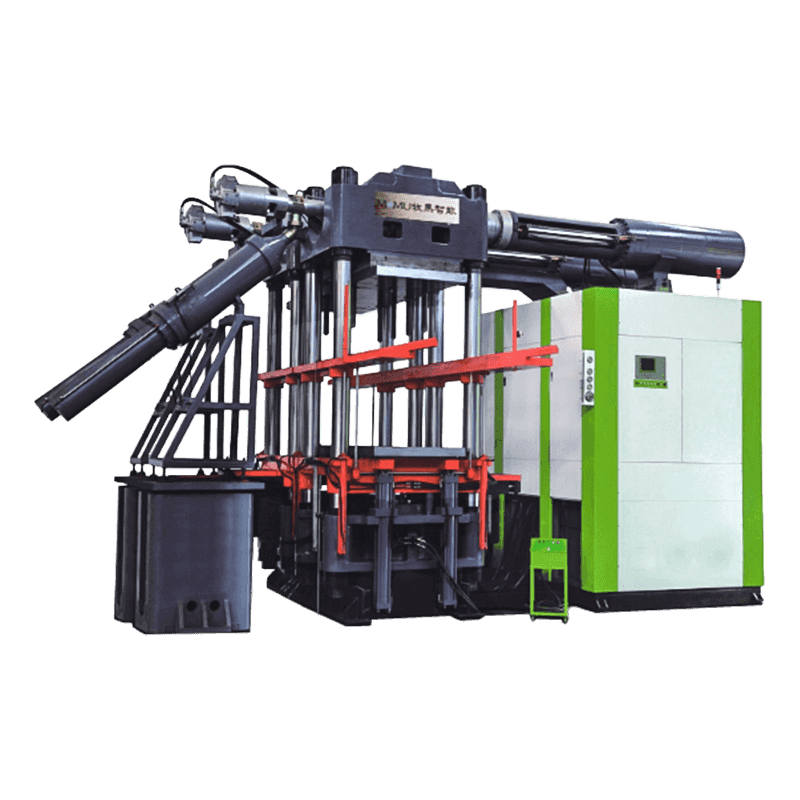
For high-volume automotive and electrical components, injection molding is usually the more efficient route because the dosing and injection cycle can be fully automated. For larger, relatively flat parts or shorter production runs, a compression press often offers lower setup complexity, simpler tooling, and easier maintenance.
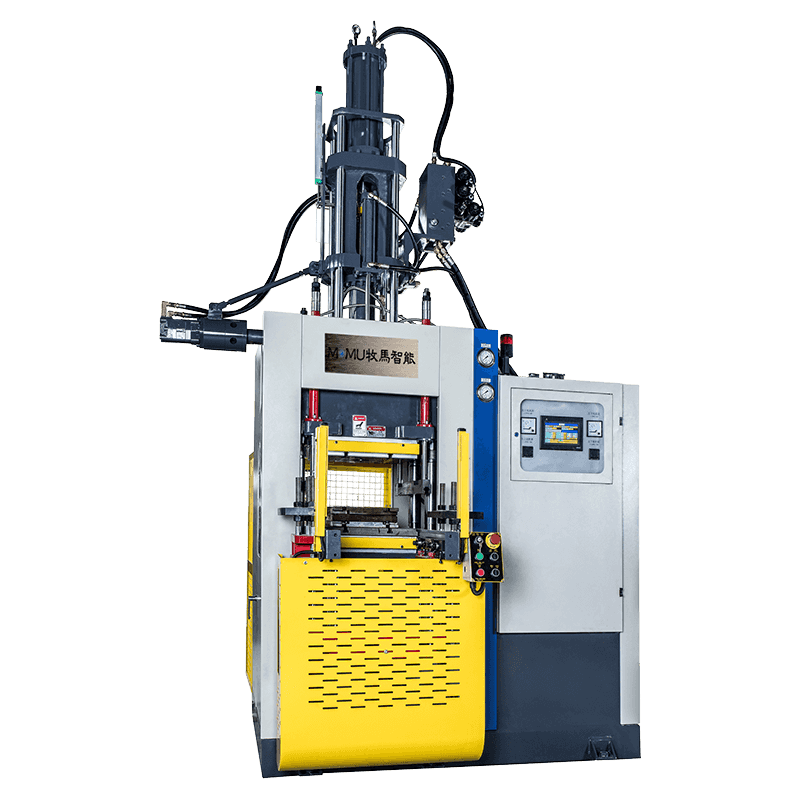
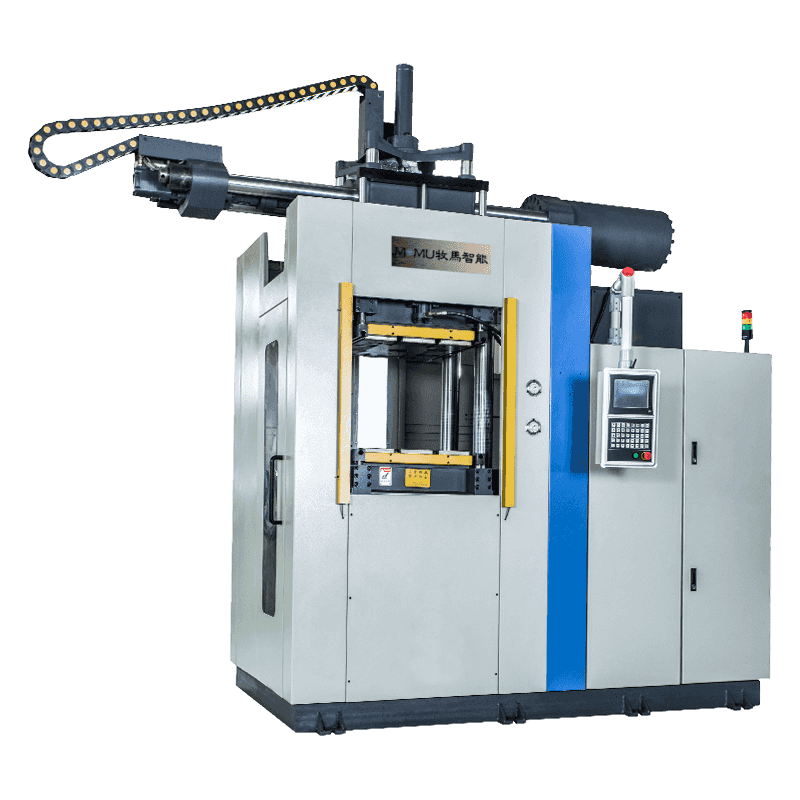
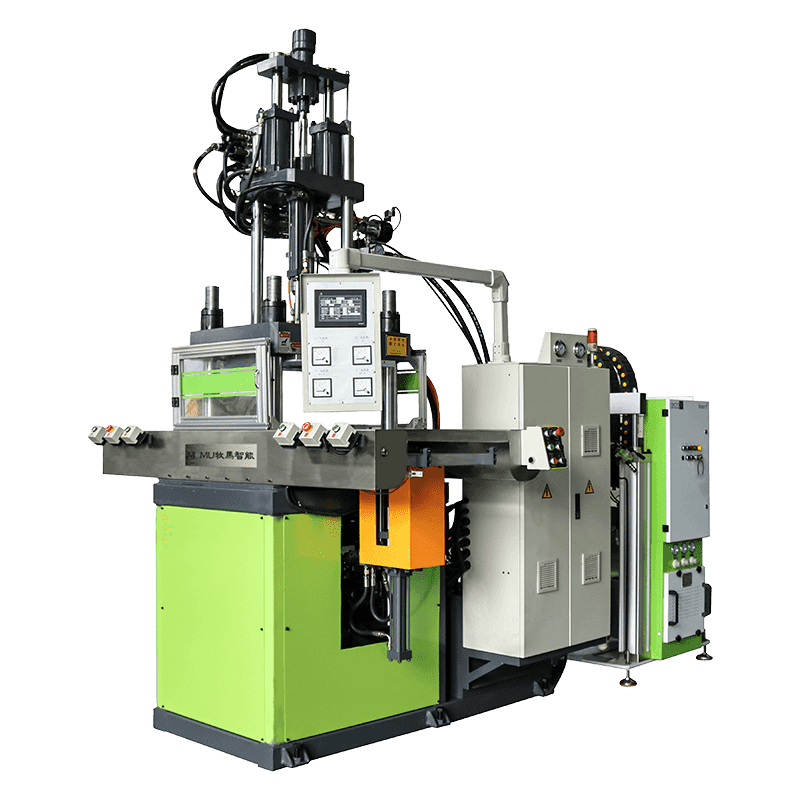
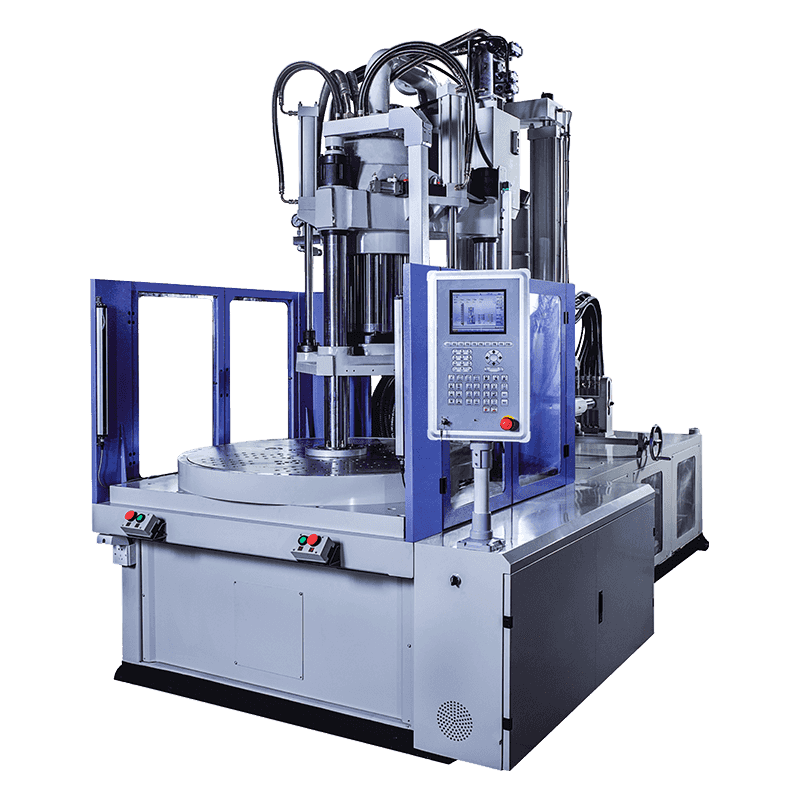 BMC Special Injection Molding Machine with Multiple Clamping Force OptionsThis injection molding machine suits high-volume automotive and electrical parts by automating dosing and injection. Its wide clamping force range and injection pressure specs let teams match machine size to part requirements while reviewing uptime and quality factors.View Product →
Key Features to Evaluate in a BMC Special Molding Machine
When you compare machines from different BMC special molding machine manufacturers, focus on the details that affect uptime and part quality. The following areas deserve review by both engineering and purchasing teams.
- Screw and barrel material: Look for bimetallic or hardened alloy components that resist abrasive wear. Ask the manufacturer for the hardness specification of the screw surface and whether the geometry is optimized for thermoset resins rather than thermoplastics.
- Temperature control: Each barrel zone needs an independent controller with a narrow tolerance. For BMC, the recommended feed-zone range is usually 40 to 60°C, dropping toward the nozzle.
- Injection speed and pressure: The machine should maintain stable injection speed at high pressures, often above 180 MPa for highly filled compounds. Accumulator-assisted hydraulic systems deliver the fast response required for short injection times.
- Clamping system rigidity: Platen deflection under full clamping force directly changes the wall thickness of the molded part. Check tie-bar spacing, platen thickness, and how clamping force is distributed.
- Process monitoring: A practical controller records injection pressure curves, barrel temperatures, and cycle times for every shot. These data sets support both quality documentation and continuous process improvement.
Where BMC Parts Are Used and What That Means for Equipment Selection
Typical BMC applications include headlamp reflectors and fuse boxes in automotive, switchgear components and insulator housings in electrical equipment, and pump housings or motor covers in industrial machinery. These parts share a need for flame resistance, arc resistance, dimensional stability, and consistent surface finish.
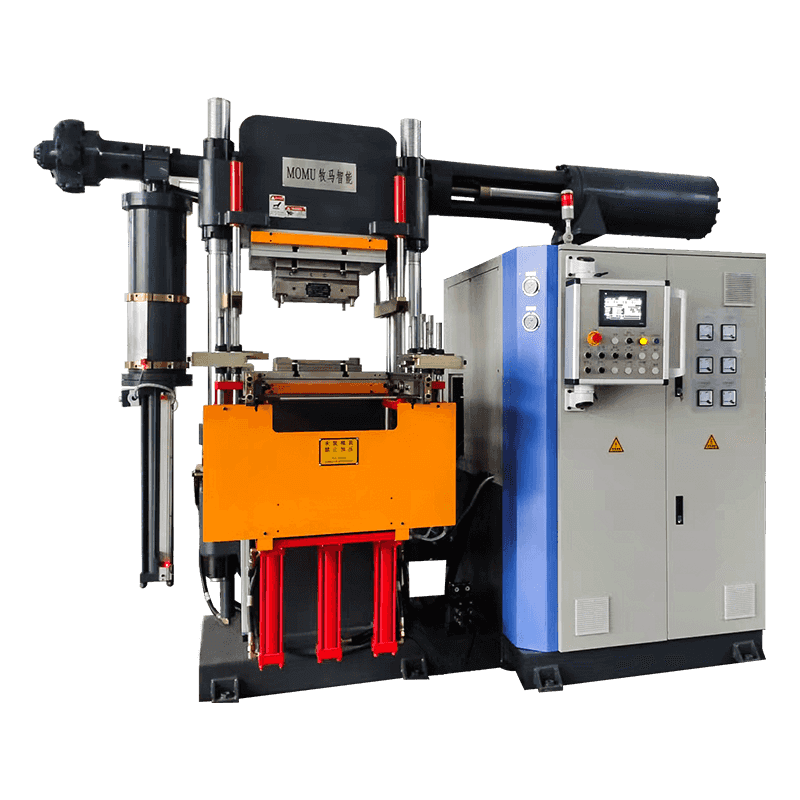
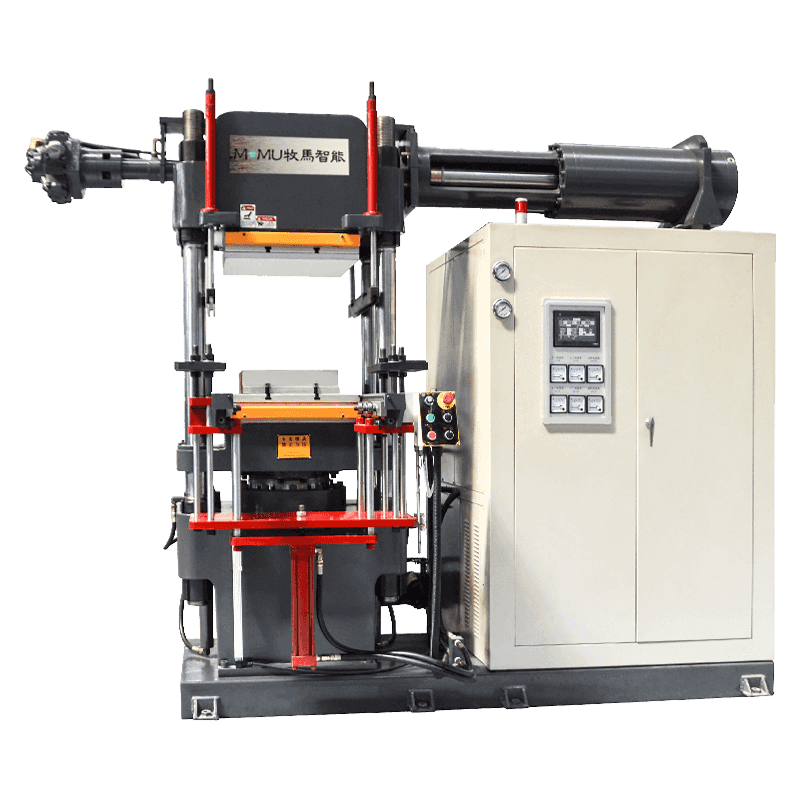
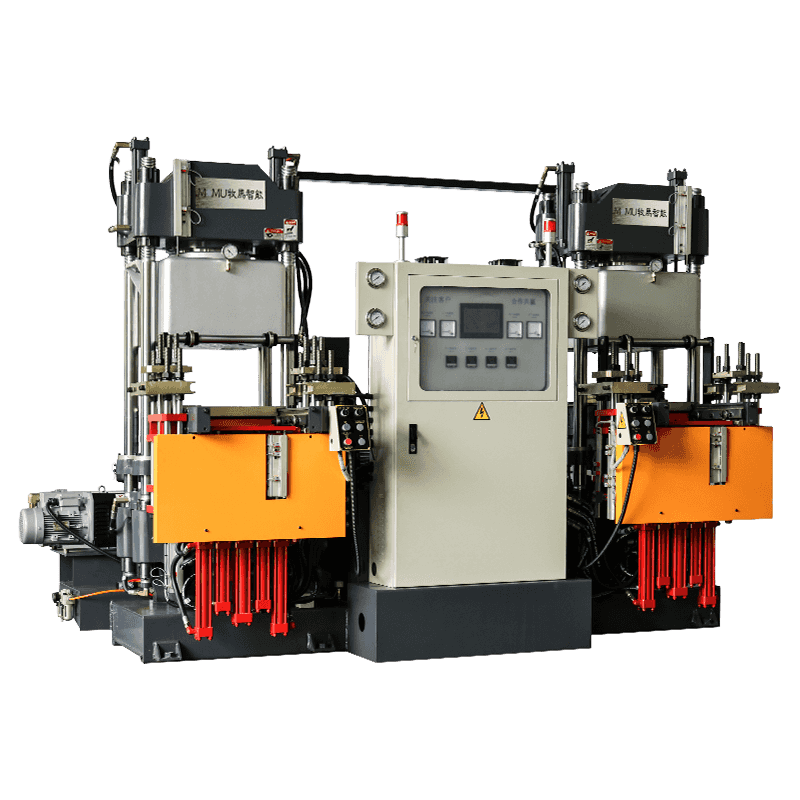
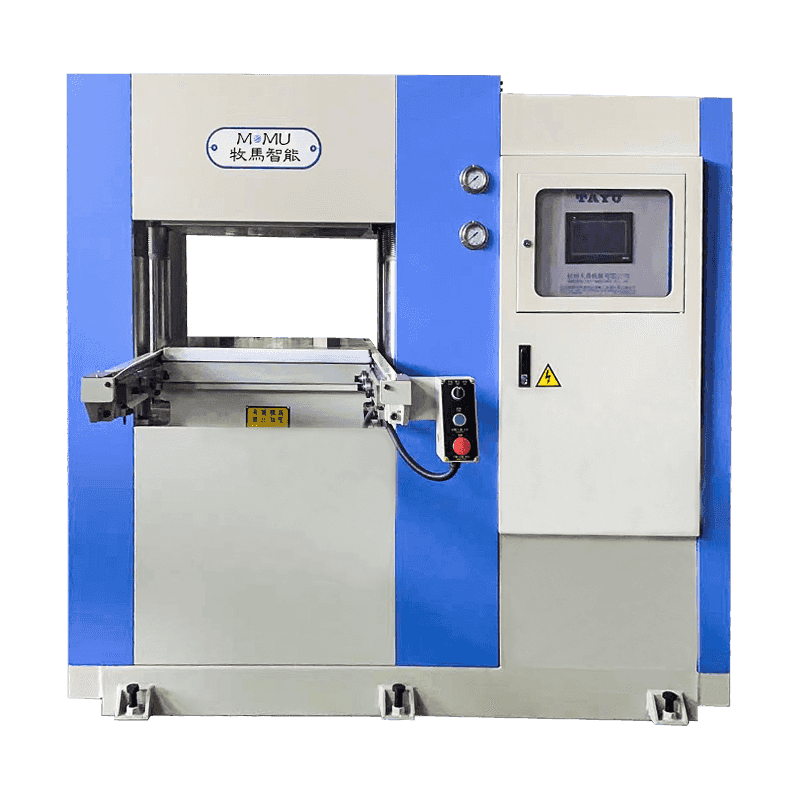
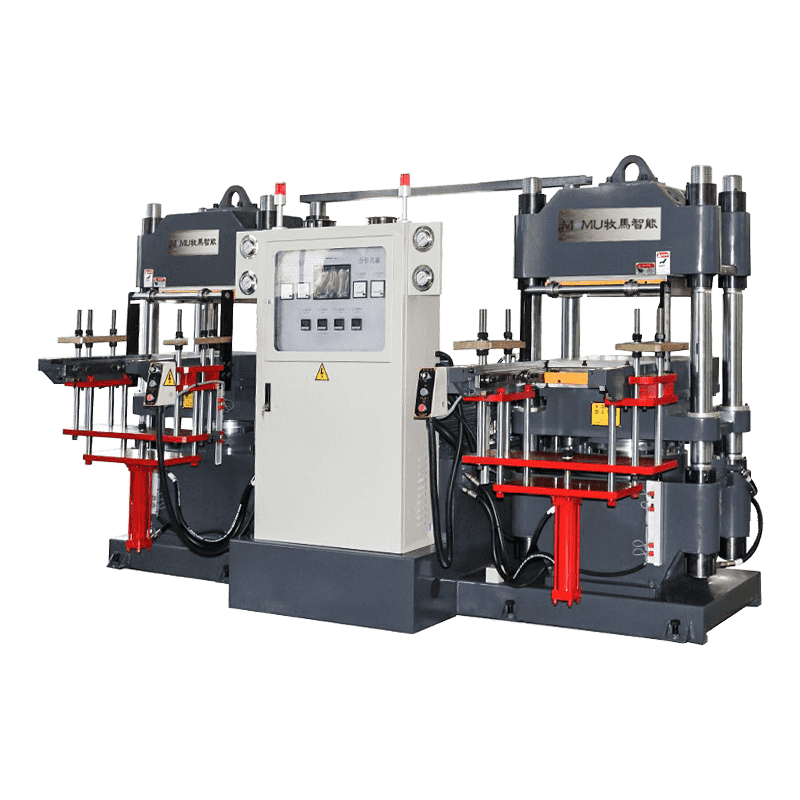
For larger, relatively flat components where the compound is compressed directly in the mold, a BMC special injection press can be the more practical choice. It uses a hydraulic press frame with a controlled closing action, and it maintains the mold pressure required for complete cross-linking.
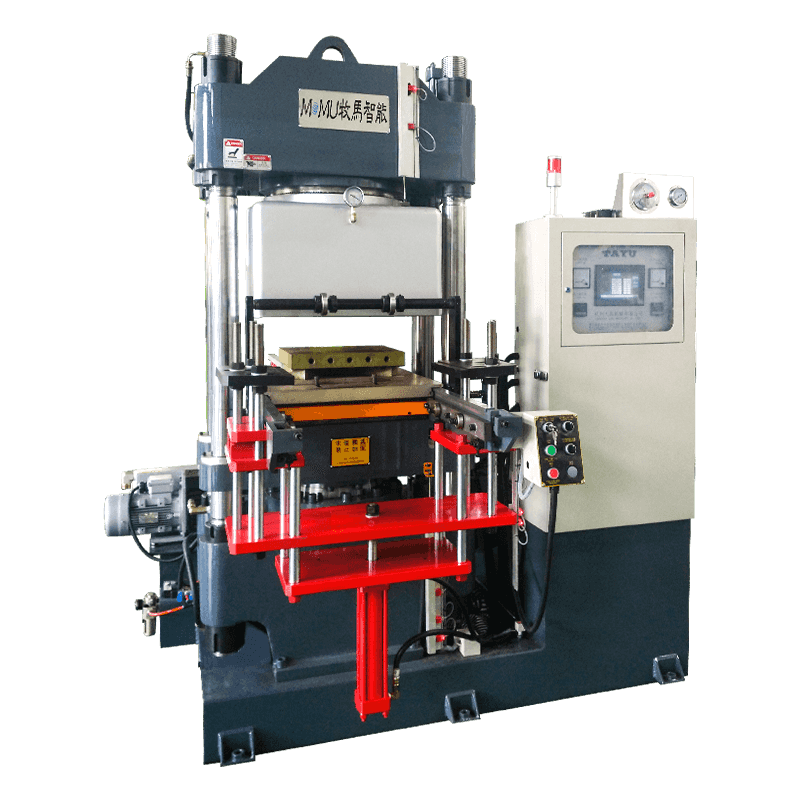
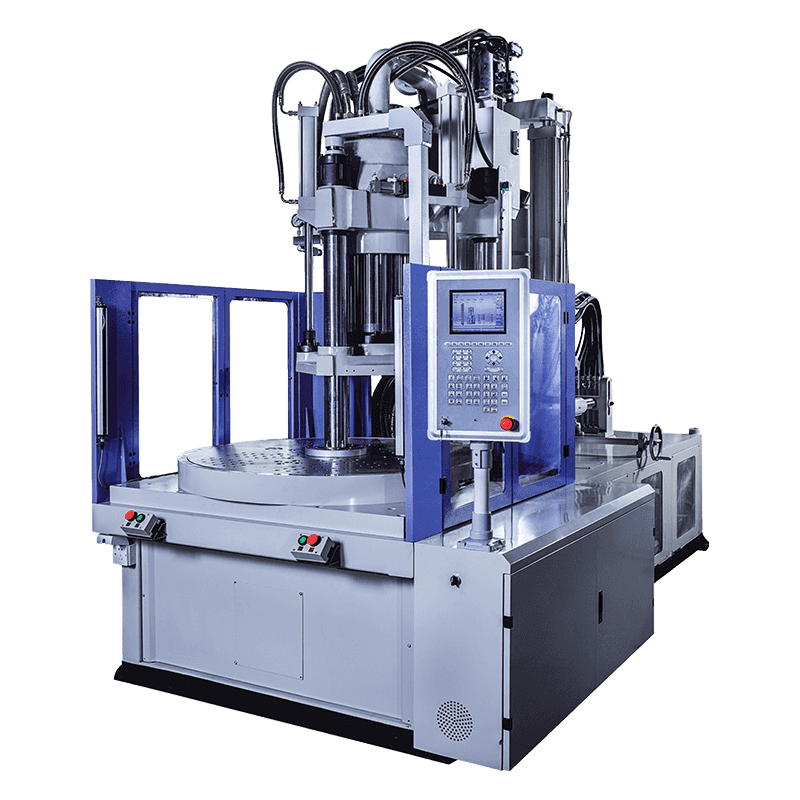 BMC Special Injection Press for Compression Molding of Flat PartsDesigned for larger, relatively flat components, this press uses a hydraulic frame with controlled closing and maintains mold pressure for complete cross-linking. It offers a practical choice for shorter runs with simpler tooling and easier maintenance, worth reviewing alongside the injection molding machine.View Product →
When evaluating a BMC special molding machine manufacturer, ask which industries their existing customers are in. A supplier that serves automotive and electrical customers has already dealt with the typical problems of mold temperature balance, flash control, and fiber distribution — problems that also affect new BMC processors.
How to Compare BMC Special Molding Machine Manufacturers
Because a BMC molding machine is a long-term investment, you should evaluate the manufacturer as seriously as you evaluate the machine model. Start with their supply chain. Machines built with recognizable hydraulic components, imported seals, and reliable electrical control brands tend to maintain performance under years of high-cycle operation.
Next, verify their process capability. Have they built machines for your application before? Do they have their own research team or collaborations with research institutes? A manufacturer that treats machine building as straightforward fabrication will not help you solve material or mold problems that appear after installation. Many equipment builders are now integrating intelligent manufacturing principles into their machine development, which can improve consistency and serviceability.
Finally, ask about after-sales support. A responsive service department with spare parts in stock and local representation in your region makes a measurable difference in machine availability. International manufacturers typically formalize this through agencies and service agreements.
Matching Machine Capabilities to Your Production Program
Once you have shortlisted manufacturers, match the machine specifications to your actual production plan. Consider the clamping force needed, the screw diameter that fits your shot weight window, the maximum daylight between platens (if you plan to use deep molds or insert loading), and the controller's ability to store multiple product recipes.
A machine that is too large wastes energy and floor space. A machine that is too small limits future mold designs and forces longer cycle times. Model your annual production volume, planned number of cavities, and expected cycle time, then select a machine size with at least 10 percent headroom.
Choosing the right BMC special molding machine manufacturer is not about collecting the longest list of machine features. It is about finding a supplier whose machines prove they know how to handle thermoset behavior, whose components can survive abrasive filled compounds over years of operation, and whose service network can keep your production line running. Compare offers against the fundamentals: the material, the mold, the required cycle time, and the quality standards you must meet. The manufacturer that performs best on those criteria is the one worth working with.