Search
 English
 中文简体
中文简体 Español
Content
A dough-like compound of glass fibers, thermoset resin, and mineral fillers may not sound like the foundation of modern electrical and automotive components, yet bulk molding compound silently holds together everything from circuit breakers to headlamp reflectors. The only way to turn that simple-looking paste into a dimensionally stable part is to process it on a machine built specifically for its unusual behavior.
Choosing the right BMC special molding machine manufacturers is therefore not a commodity purchase. The machine you select determines part quality, reject rates, cycle efficiency, and long-term maintenance costs. At Huzhou Momu Intelligent Technology Co., Ltd., we have focused on this niche since 2016, building BMC special molding machines that combine injection and press technologies for manufacturers across multiple industries.
What Makes a Molding Machine "Special" for BMC?
BMC consists of unsaturated polyester or vinyl ester resin, glass fibers, mineral fillers, catalysts, and release agents. During molding, the material is forced into a heated cavity where a crosslinking reaction permanently hardens the part. This chemistry changes nearly every part of the machine design:
- The screw and barrel must resist abrasion from glass fibers and deliver consistent plasticizing without breaking up the reinforcement excessively.
- The injection unit requires precise shot size control because BMC does not flow like a typical thermoplastic melt.
- The barrel must be cooled to keep the compound below its reaction temperature, while the mold must be heated to trigger curing.
- The clamping unit must handle long cure cycles and hold platen parallelism so flash and dimensional variation stay within acceptable limits.
Standard plastic machines often struggle with these demands. This is why experienced BMC special molding machine manufacturers develop a dedicated product line rather than simply adapting a general-purpose machine with minor changes.
Two BMC Molding Processes and How to Choose
BMC can be molded by injection molding or by injection-compression on a press. Both approaches use heated molds and cured thermoset material, but the machine structure and process sequence are distinctly different.
| Comparison Point | BMC Special Injection Molding | BMC Special Injection Press |
|---|---|---|
| Material feeding | Screw or plunger injection directly into the cavity | Material placed or injected before the press closes |
| Cycle efficiency | Higher, easier to automate | Often slower due to staged material loading |
| Part complexity | Supports complex geometries and thin sections | Best for simple, large, or thick parts |
| Fiber orientation | Fibers tend to align with the flow direction | More random fiber distribution |
| Typical application | Electrical parts, automotive components, appliance parts | Large housings, covers, heavy-duty industrial parts |
For manufacturers running high volumes of intricate BMC parts, a BMC special injection molding machine is usually the right choice. This process combines short cycle times, automatic material feeding, and the ability to mold complex geometries with tight tolerances.
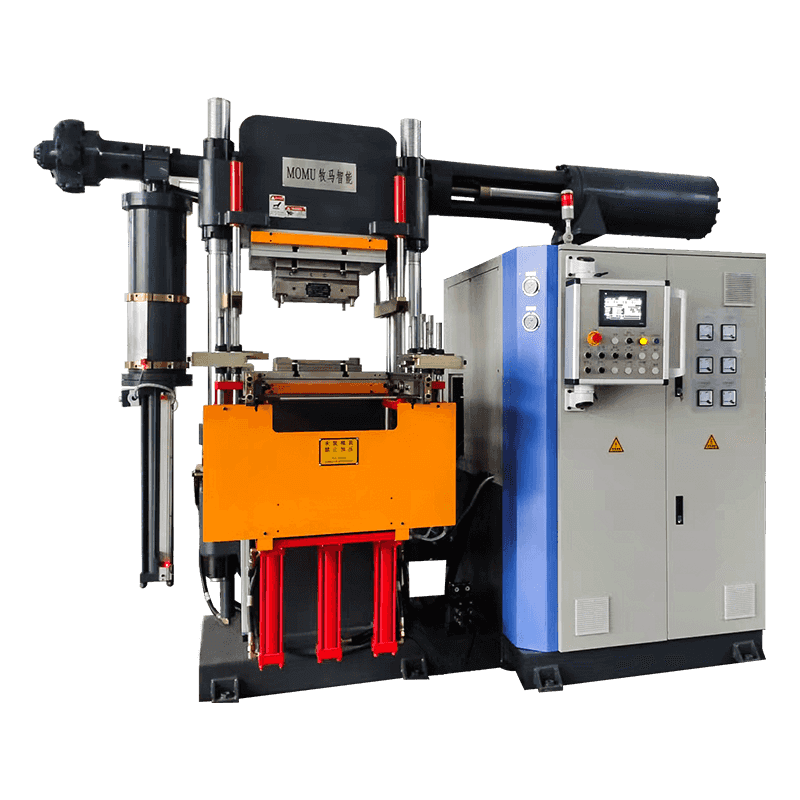
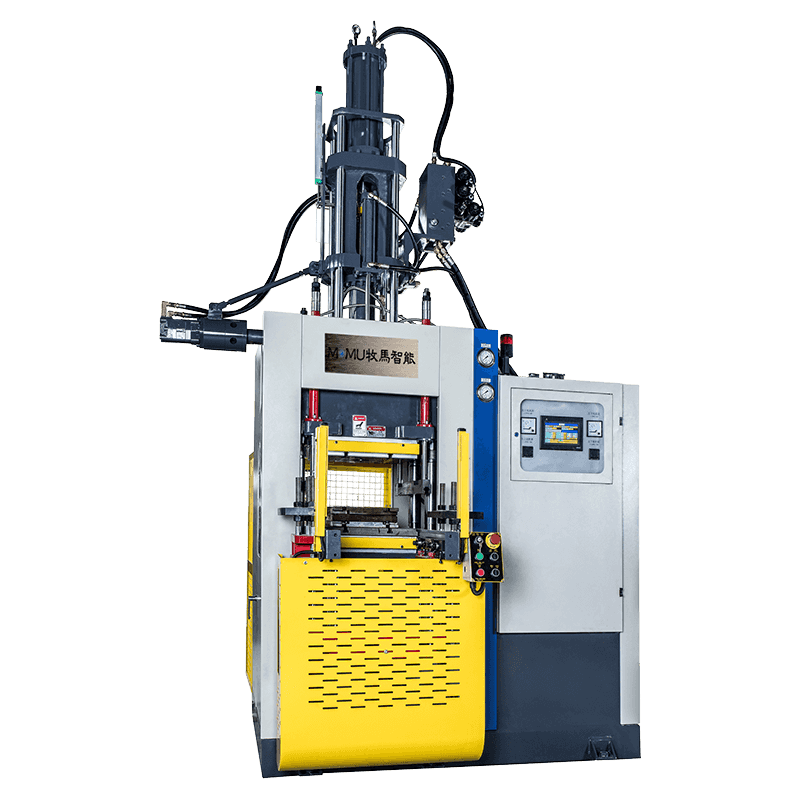
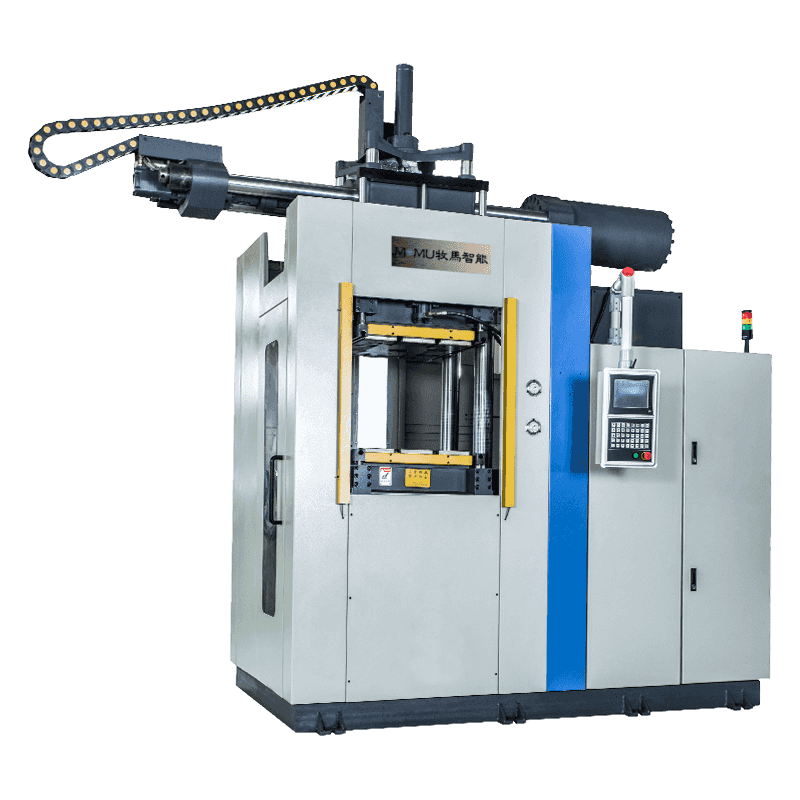
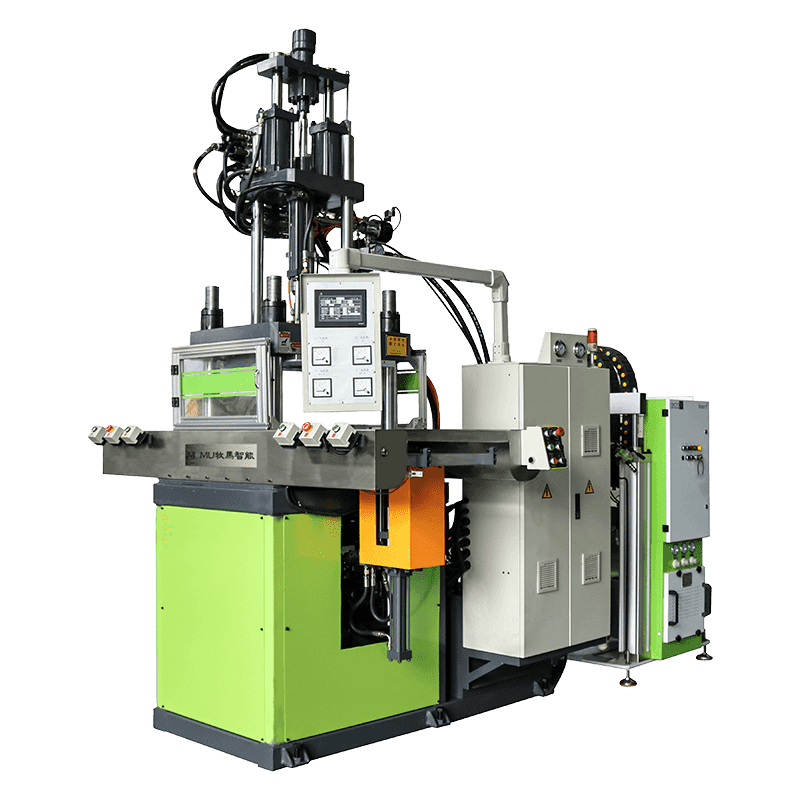
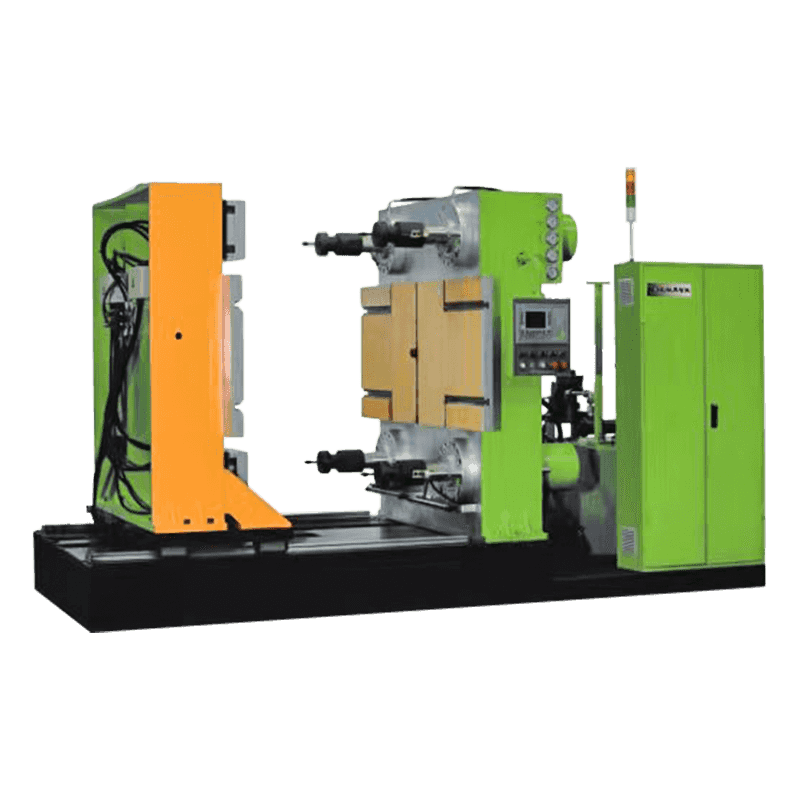
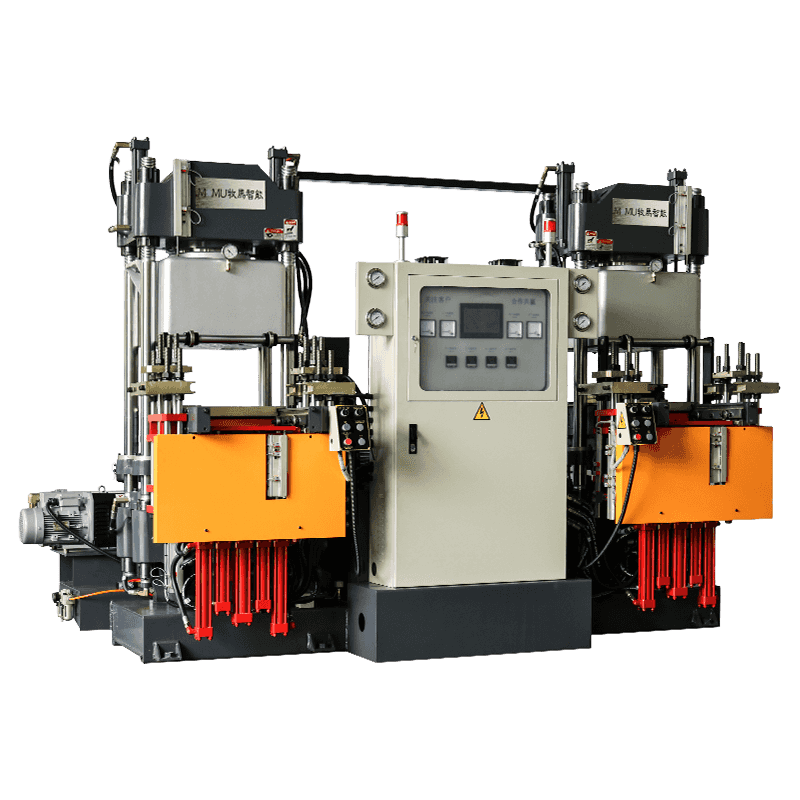
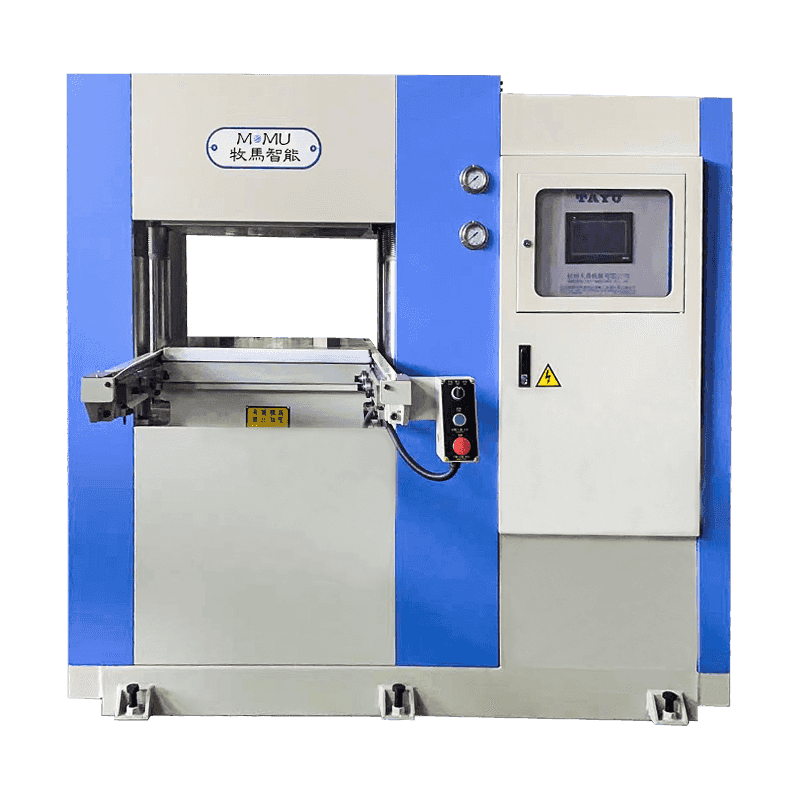
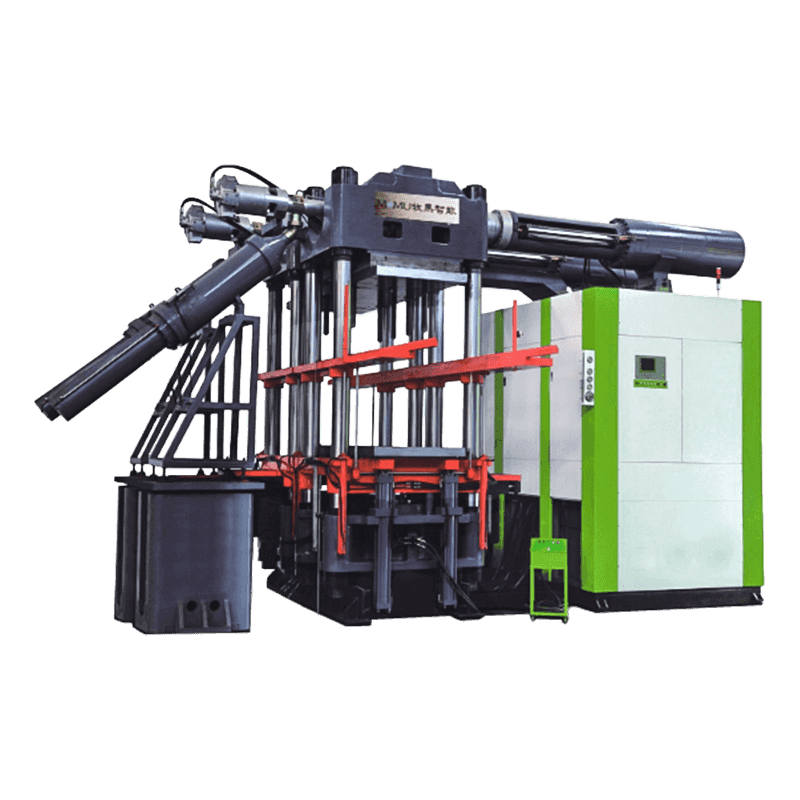
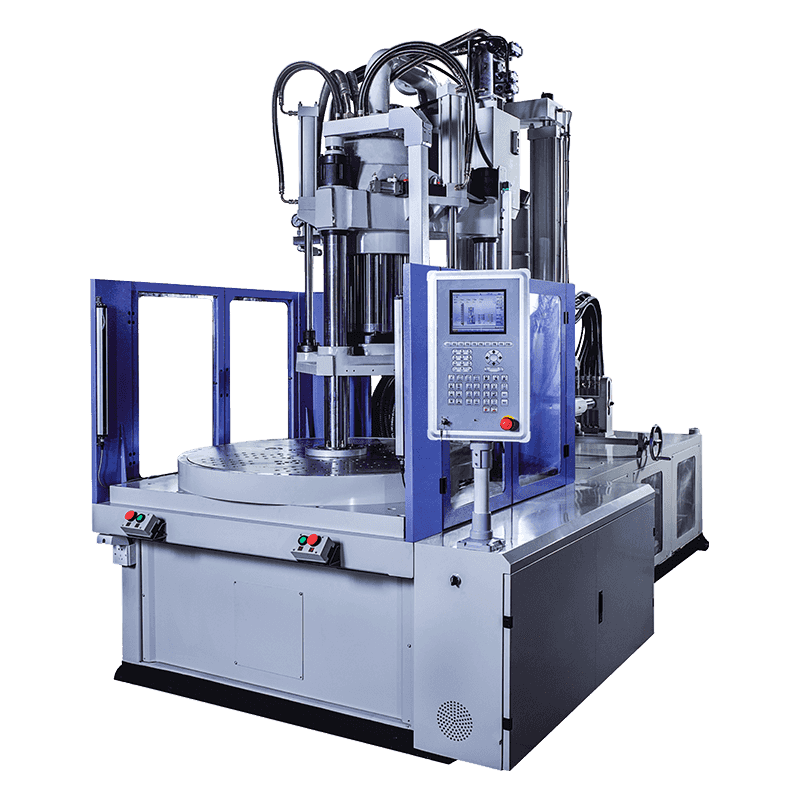 BMC Special Injection Molding Machine with Multiple Clamping ForcesThis machine series offers clamping forces from 100 to 440 tons, suitable for high-volume BMC parts requiring tight tolerances and automatic feeding. Its consistent injection and clamping parameters support complex geometries and short cycles.View Product →
For parts with a large projected area, thick cross-sections, or applications where consistent physical properties in all directions matter, a BMC special injection press offers distinct advantages. The press applies clamping force after the material is positioned, helping to distribute reinforcement more evenly and reduce the risk of knit lines.
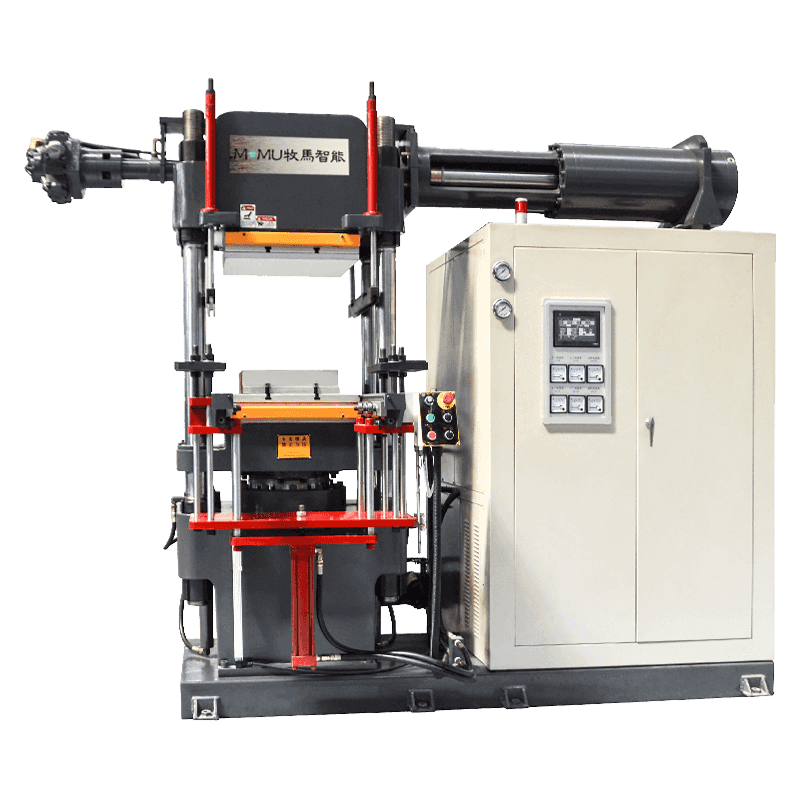
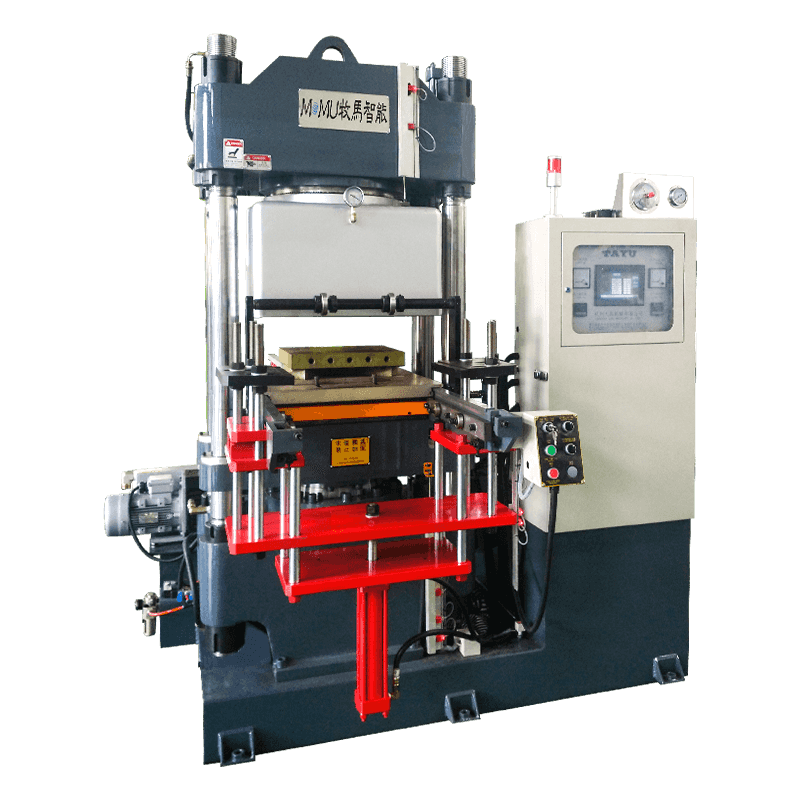
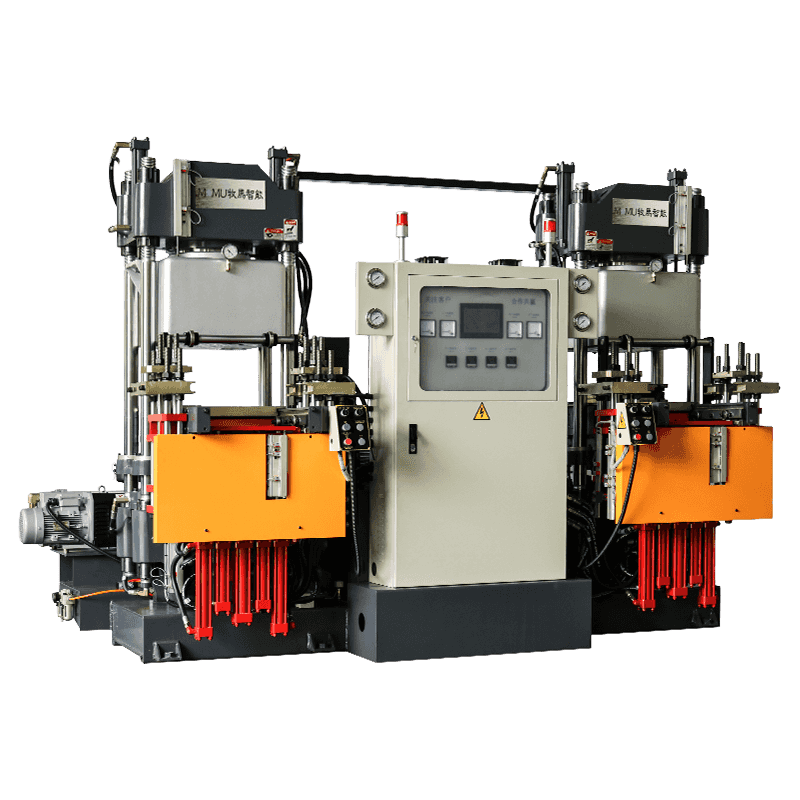
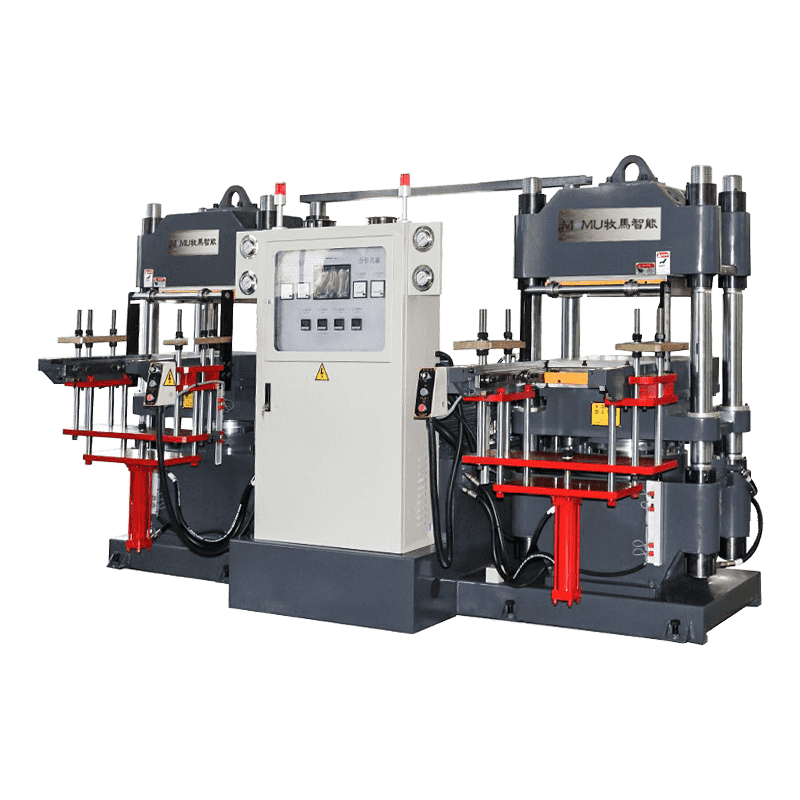
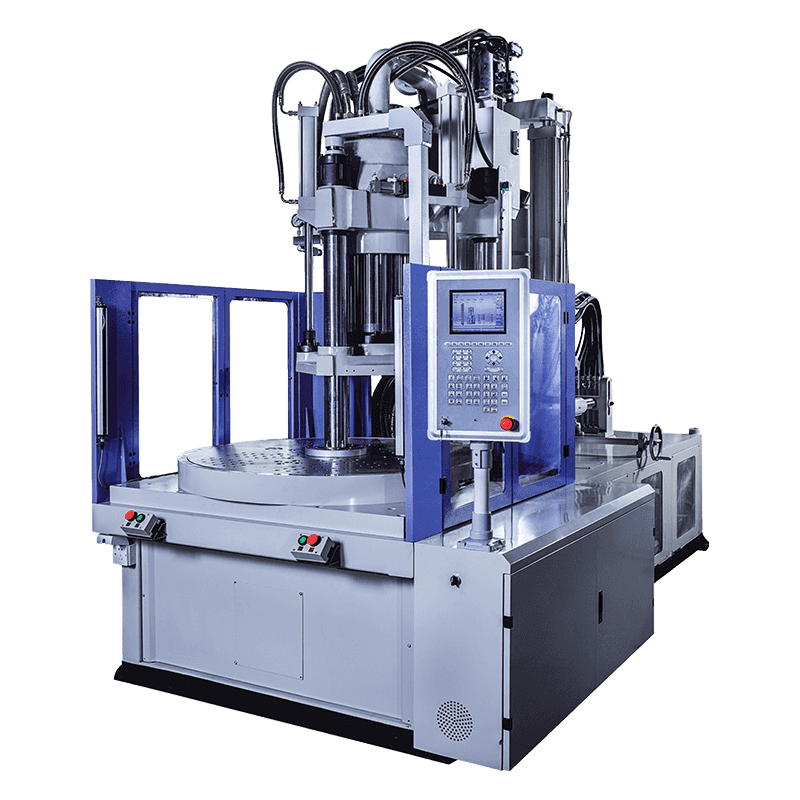 BMC Special Injection Press with High Injection CapacityThis press provides clamping forces of 120 to 220 tons with screw diameters up to 100 mm and injection capacity up to 2000 cm³. It suits large-area or thick-section parts where even reinforcement distribution and reduced knit lines are critical.View Product →
Key Technical Features to Evaluate
When you compare BMC special molding machine manufacturers, inspect the machine details rather than only the brochure parameters. The following features indicate whether a machine will deliver stable production over years of service.
Injection Unit
Look for hardened barrel and screw surfaces, an optimized compression ratio, and a nozzle design that prevents material buildup. BMC contains glass fibers, so wear resistance directly influences how long the machine holds its shot accuracy.
Hydraulic System
Hydraulics control both injection and clamping on most BMC machines. Components from established suppliers, stable oil temperature control, and reliable proportional valves keep the process repeatable from shift to shift.
Temperature Management
A BMC special molding machine needs separate cooling circuits for the barrel and dedicated heating control for the mold. Without this separation, the compound can cure inside the barrel and cause costly downtime and cleanup.
Rigidity and Platen Quality
Thermoset molding frequently involves long holding times under pressure. A strong frame, precision guide columns, and rigid platens prevent deflection that would otherwise produce flash or dimensionally inconsistent parts.
Control System
A modern PLC with recipe storage allows operators to fine-tune injection speed, pressure profile, mold temperature, and cure time, storing those parameters for every job. This is essential when a single machine runs multiple BMC formulations.
What Separates Experienced BMC Special Molding Machine Manufacturers
The term "special" is used loosely across the industry. Some builders offer a standard plastic machine with a different screw and call it a BMC machine. In practice, a reliable partner demonstrates several clear characteristics.
- Material knowledge: The manufacturer understands the flow and curing behavior of BMC and can advise on screw design, nozzle selection, and mold cooling.
- Application awareness: A skilled supplier asks about your part, material formulation, and production volume before proposing a machine size.
- Component quality: Machines equipped with well-known hydraulic, electrical, and sealing components are easier to support and far more predictable in uptime.
- After-sales service: Commissioning, training, spare parts availability, and process support matter just as much as the machine itself.
- Process flexibility: A manufacturer that offers both injection machines and presses can recommend the right process instead of pushing whatever is on the production line.
Our company fits this profile. We build BMC special molding machines with imported hydraulic and electrical components, and we pair them with applications engineering based on real thermoset molding experience. We do not treat BMC as a side project; it is one of our core product focuses.
Over the years, this dedication has pushed us to invest continuously in better control logic, stronger machine frames, and smarter production integration. For more on how we apply that mindset across our manufacturing operations, see our article on innovation-driven intelligent manufacturing.
Typical Applications of BMC Molding Machines
BMC is popular in industries where electrical insulation, mechanical strength, flame resistance, and dimensional stability are non-negotiable. The most common applications include:
- Electrical and insulation components: switchgear parts, circuit breaker housings, motor insulation systems, and arc shields.
- Automotive parts: headlamp reflectors, distributor caps, and high-temperature under-hood components.
- Household appliances: handles, control housings, switch bases, and other parts that combine strength with heat resistance.
- Industrial components: pump casings, pulleys, rollers, and structural elements that face demanding service conditions.
Each application places different demands on the molding process. A thin-walled electrical enclosure may require high injection speed and precise flow control, while a thick industrial housing may need the gentle, pressure-controlled flow of an injection press. Making both options available is one of the reasons customers stay with us for different BMC projects.
Choosing the Right Partner for Your BMC Production
Selecting a BMC special molding machine manufacturer should be treated as a technical partnership decision, not just a pricing discussion. Evaluate the engineering depth, the willingness to custom-configure the machine, and the manufacturer's track record in thermoset molding.
Ask direct questions: How is the screw designed for glass-fiber reinforced BMC? What happens when the material cures prematurely in the barrel? What support can you provide during installation and process start-up? The answers will quickly separate specialists from general equipment resellers.
At Huzhou Momu Intelligent Technology Co., Ltd., we are happy to walk you through those details. Our BMC special injection molding machines and BMC special injection presses are engineered and built in-house, configured around your parts, and supported by a service team that understands how thermoset production works. If you are looking for a manufacturer that treats BMC as a core discipline rather than an afterthought, we invite you to contact our team to discuss your application.