Search
 English
 中文简体
中文简体 Español
Content
What a Vacuum Rubber Vulcanizing Machine Is Used For
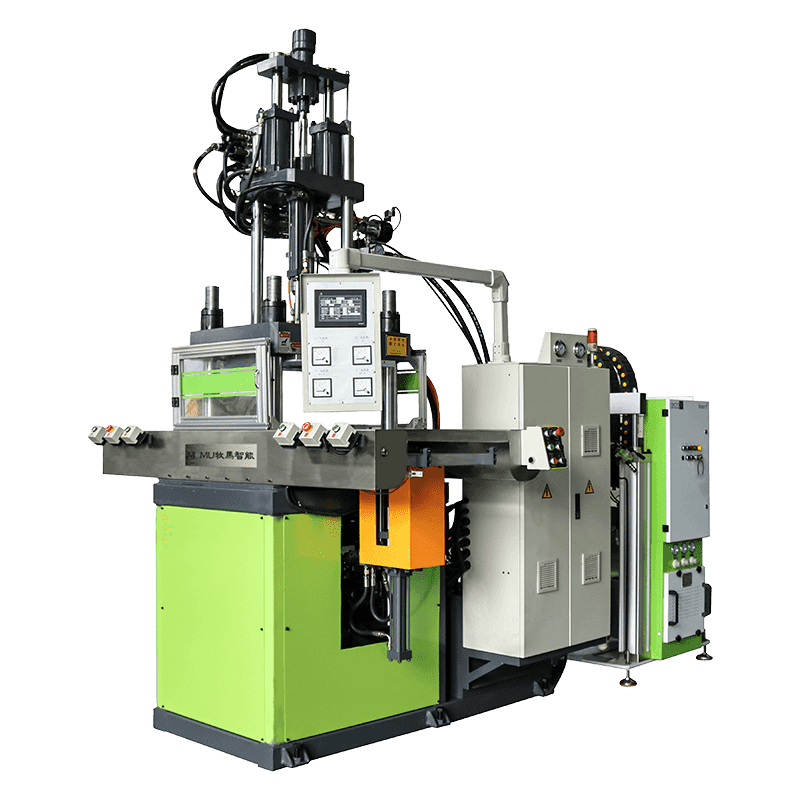
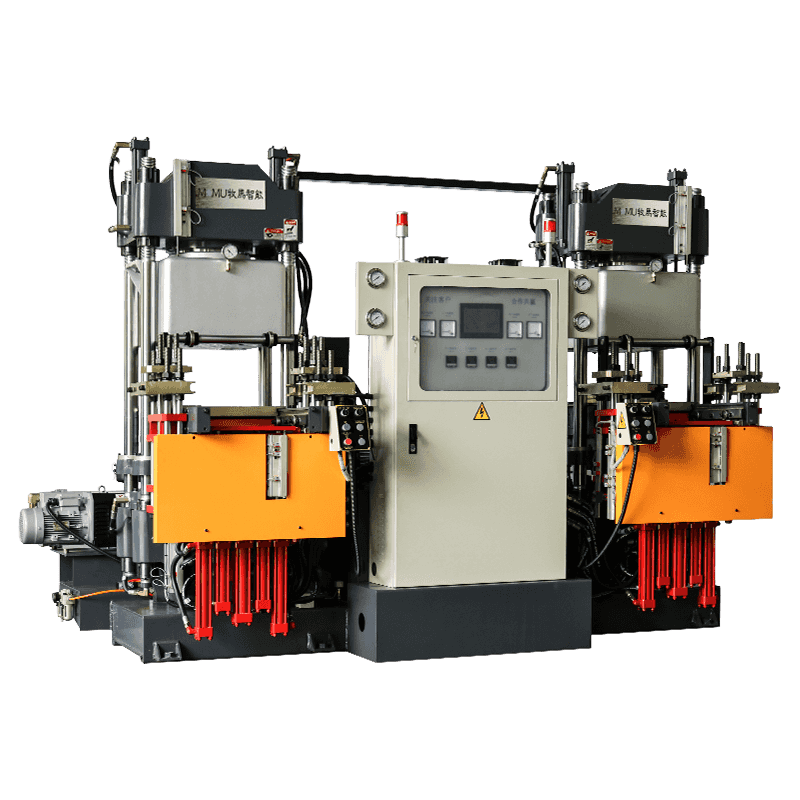
A vacuum rubber vulcanizing machine is used to repair damaged rubber materials, most commonly tires and conveyor belts, by applying heat and pressure to bond a repair patch permanently into the rubber structure. Unlike simple adhesive patches, vulcanization creates a molecular bond between the repair material and the original rubber, producing a fix that is often as strong as the surrounding material. This makes vacuum vulcanizing equipment essential in tire repair shops, industrial facilities with conveyor systems, and any operation where rubber components experience regular wear and puncture damage.
The vacuum component of these machines plays a specific role in the repair process. By removing air from the repair area, the vacuum prevents air bubbles and moisture from becoming trapped between the patch and the rubber surface during heating. Trapped air or moisture is one of the leading causes of repair failure, since it creates weak points that can separate under stress. Machines that combine vacuum extraction with controlled heat and pressure produce more reliable, longer-lasting repairs than heat-only systems.
How the Vulcanization Process Works Step by Step
The vulcanization process begins with surface preparation, where the damaged area of the rubber is cleaned and roughened slightly to help the repair material bond effectively. Skipping thorough preparation is one of the most common reasons repairs fail prematurely, since contaminants or smooth surfaces prevent proper adhesion. Once the surface is ready, a raw rubber patch or repair compound is placed over the damaged area, and the vacuum vulcanizing machine is positioned to cover it completely.
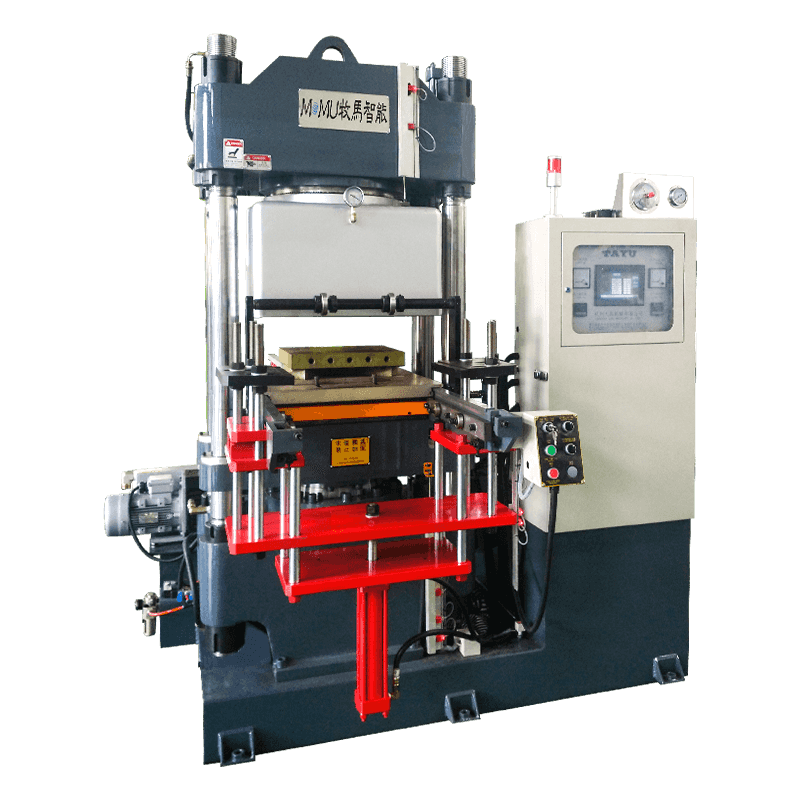
The machine then applies heat, typically between 140 and 160 degrees Celsius depending on the rubber compound, while simultaneously creating a vacuum seal around the repair zone. This combination causes the raw rubber to cure and chemically bond with the original material. The process usually takes between 15 and 45 minutes depending on the size and thickness of the repair, after which the machine is removed and the repaired section is allowed to cool before the item returns to service.
Typical Repair Process Stages
- Clean and roughen the damaged surface area
- Apply the repair compound or rubber patch
- Position the vacuum vulcanizing machine over the area
- Apply heat and vacuum pressure for the required duration
- Allow the repair to cool before returning the item to use
Features That Separate Reliable Machines From Weaker Ones
Temperature control accuracy is one of the most important features to evaluate when choosing a vacuum vulcanizing machine. Rubber compounds cure properly only within specific temperature ranges, and machines with inconsistent heating elements can produce undercured or overcured repairs, both of which weaken the bond. Digital temperature displays and adjustable heating zones give operators more precise control than older analog models, reducing the risk of inconsistent results across repairs.
Vacuum pump strength also varies significantly between machines, and a weaker pump may fail to remove enough air to prevent bubbling in larger or thicker repairs. Buyers repairing heavy industrial conveyor belts typically need a stronger vacuum pump than those handling smaller passenger tire punctures. Portability is another practical factor, since mobile repair services benefit from lighter, more compact units, while fixed industrial repair stations can prioritize larger, more powerful machines without worrying about transport.
Machine Features Comparison
| Feature | Why It Matters |
| Digital Temperature Control | Ensures consistent, accurate curing |
| Vacuum Pump Strength | Prevents air bubbles in larger repairs |
| Portability | Important for mobile repair services |
| Plate Size | Determines maximum repair area covered |
Common Mistakes That Reduce Repair Quality
Even with reliable equipment, operator error remains a frequent cause of weak or failed vulcanized repairs. Rushing the surface preparation stage is one of the most common mistakes, since inadequate cleaning or roughening prevents the raw rubber from bonding fully with the original material. Applying too little heat or ending the cycle early to save time is another frequent issue, resulting in a patch that looks complete on the surface but has not fully cured underneath, making it prone to failure under stress or pressure.
Overlooking regular maintenance on the machine itself also affects repair outcomes over time. Heating plates that develop uneven wear, vacuum seals that degrade, or pressure gauges that fall out of calibration can all silently reduce repair quality without an obvious external sign. Establishing a routine maintenance schedule, including periodic calibration checks and seal inspections, helps ensure that every repair performed meets the same standard rather than gradually declining as the equipment ages.
Getting the Most Value From Your Equipment
Operators who invest time in proper training on their specific machine model tend to produce more consistent repairs and experience fewer callbacks or repeat failures. Reading manufacturer guidelines for specific rubber compounds, since curing times and temperatures can vary between tire rubber and industrial belt materials, prevents the common mistake of applying a one-size-fits-all approach to different repair jobs. Keeping detailed records of repair times, temperatures, and outcomes can also help operators identify patterns and fine-tune their process for the specific materials they work with most often, ultimately extending both the life of the repairs and the equipment itself.