Search
 English
 中文简体
中文简体 Español
Content
- 1 What a Vacuum Rubber Vulcanizing Machine Does
- 2 Core Working Principle Behind Vacuum Vulcanization
- 3 Common Applications Across Industries
- 4 Machine Types and Configuration Differences
- 5 Step-by-Step Overview of a Typical Vulcanizing Repair
- 6 Factors That Influence Curing Time and Quality
- 7 Maintaining Equipment for Consistent Results
What a Vacuum Rubber Vulcanizing Machine Does
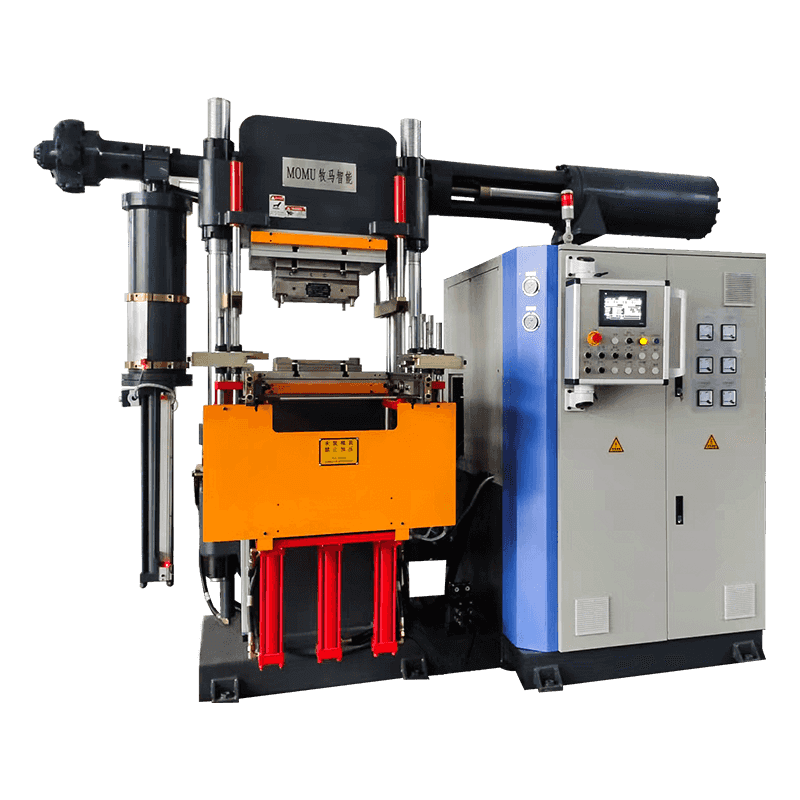
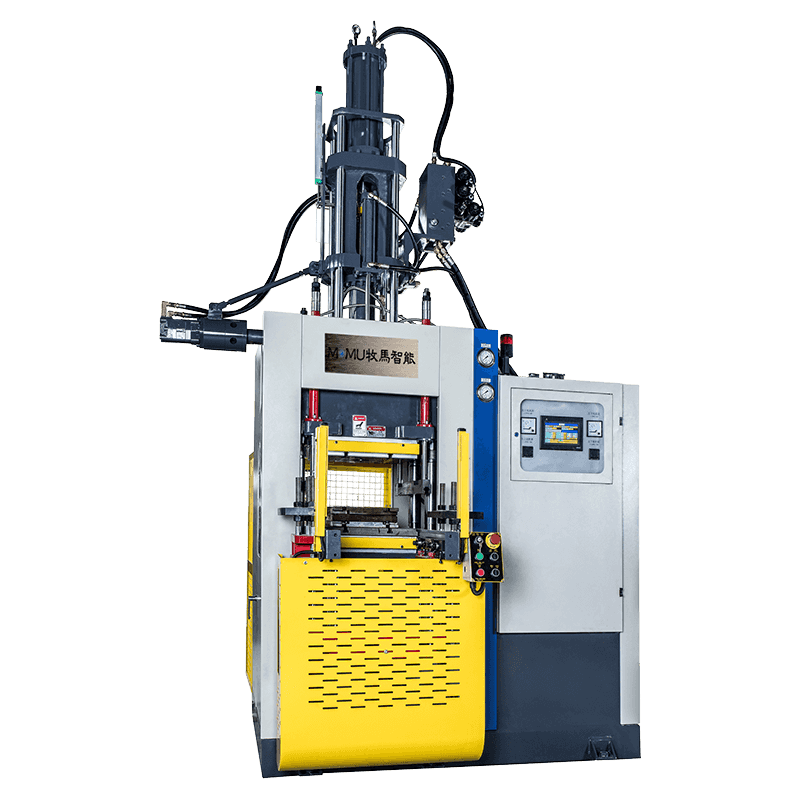
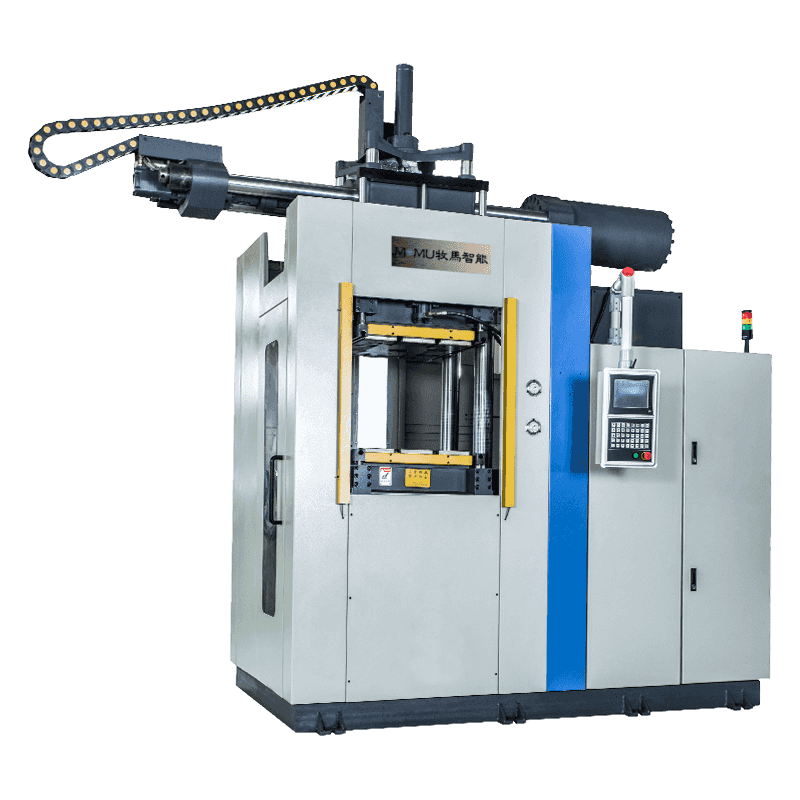
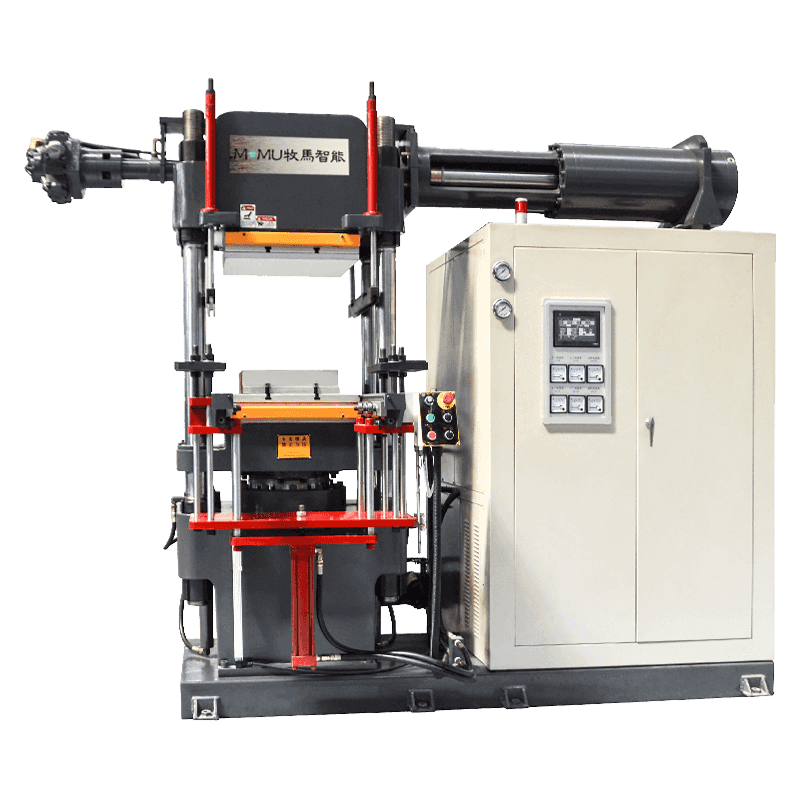
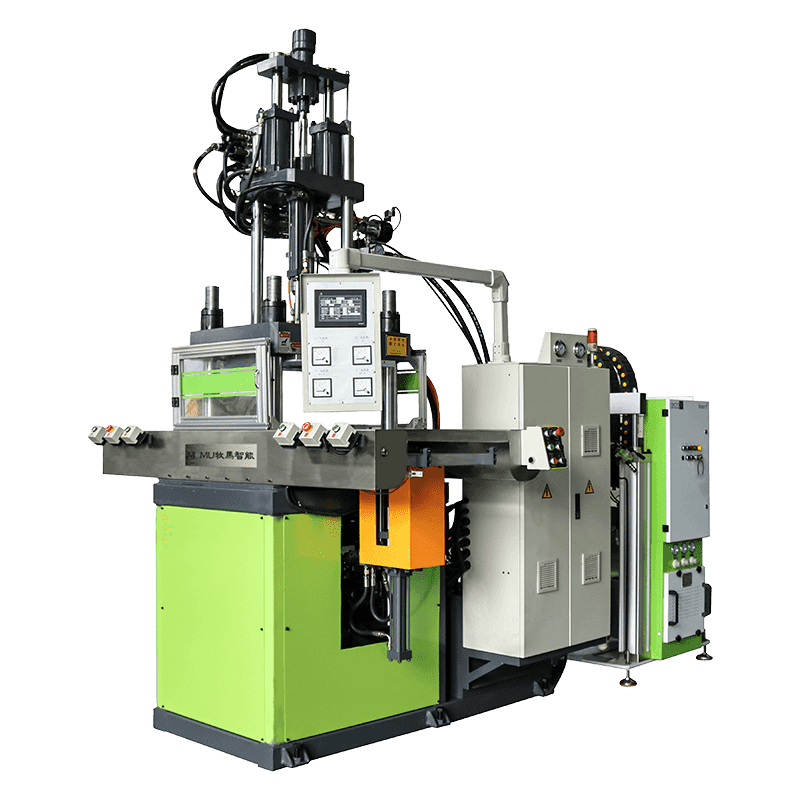
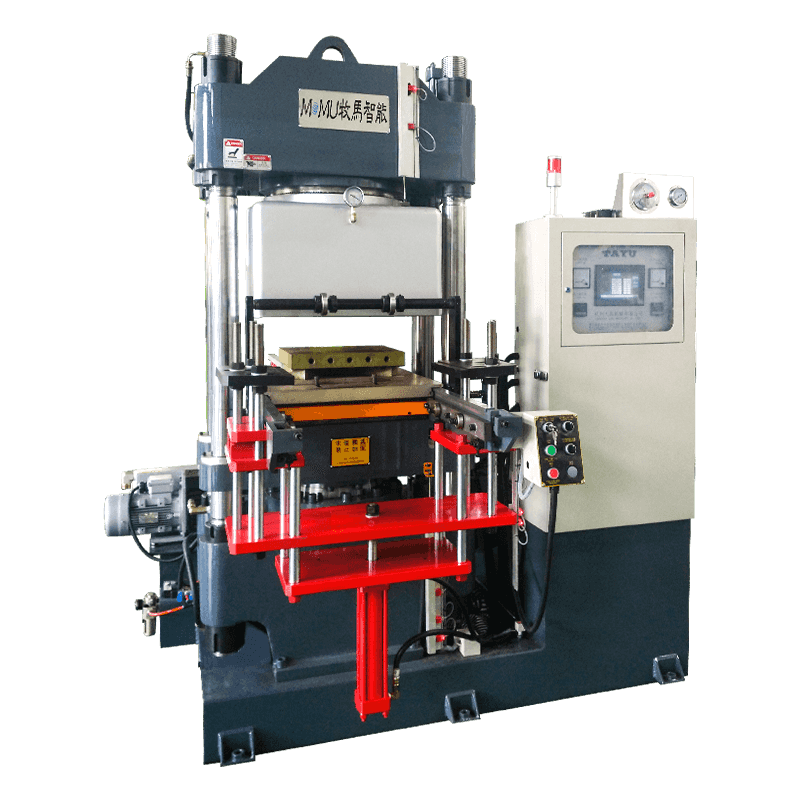
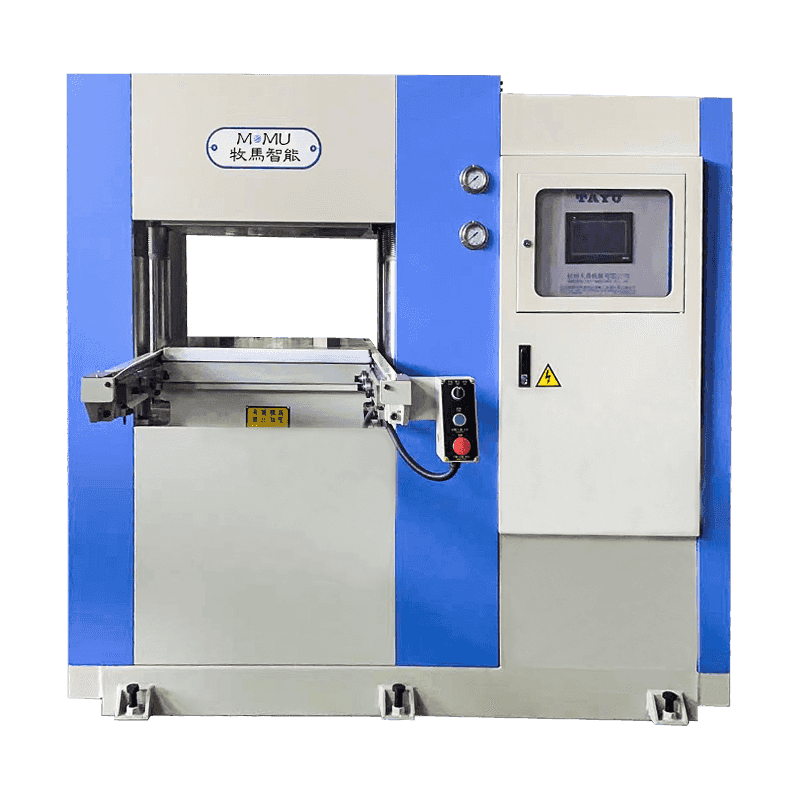
A vacuum rubber vulcanizing machine is a piece of equipment used to bond, cure, or repair rubber materials by applying a controlled combination of heat, pressure, and vacuum. Unlike standard vulcanizing presses that rely solely on heat and mechanical pressure, the vacuum component actively removes air and trapped gases from between the rubber layers before and during the curing process. This step is critical because trapped air pockets can create weak spots, bubbles, or incomplete bonds in the finished rubber product, particularly in multi-layer repairs or thick rubber sections.
These machines are commonly used in conveyor belt repair, tire retreading, rubber sheet lamination, and various industrial rubber fabrication processes where a strong, void-free bond between rubber compounds is essential for the product to perform reliably under mechanical stress.
Core Working Principle Behind Vacuum Vulcanization
The vulcanization process itself relies on a chemical reaction, typically involving sulfur or peroxide-based curing agents, that cross-links rubber polymer chains when exposed to sufficient heat over a specific duration. This cross-linking transforms soft, pliable raw rubber into a durable, elastic material with improved strength and resistance to deformation. The vacuum function enhances this process by ensuring that the rubber surfaces being bonded are in complete, air-free contact throughout the heating cycle.
The Role of the Vacuum Bag or Chamber
In most vacuum vulcanizing setups, the rubber material and repair patch are placed within a sealed vacuum bag or chamber before the heating platen is applied. A vacuum pump then draws air out of this enclosed space, creating negative pressure that presses the rubber layers firmly together from all sides, eliminating gaps that could otherwise trap air during curing.
Heating Platen and Temperature Control
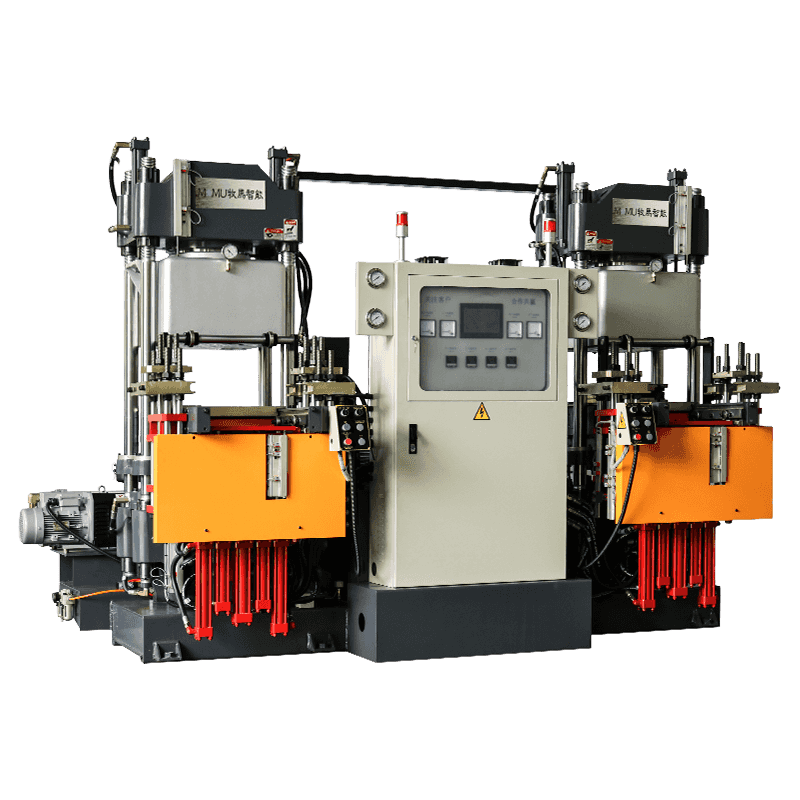
The heating platen applies consistent, evenly distributed heat to the rubber surface, with temperature typically regulated by a digital or analog controller to maintain the precise curing temperature required for the specific rubber compound being processed. Maintaining consistent temperature across the entire platen surface is essential, since uneven heating can result in under-cured or over-cured sections within the same repair.
Common Applications Across Industries
Vacuum rubber vulcanizing machines serve a range of industrial and commercial purposes wherever durable, air-tight rubber bonding is required.
- Conveyor belt repair in mining, quarrying, and bulk material handling operations
- Tire retreading and repair for commercial trucking and industrial vehicle fleets
- Rubber sheet lamination for flooring, matting, and industrial lining applications
- Manufacturing of rubber diaphragms, gaskets, and seals requiring precise curing
- Repair of rubber-lined pipes and tanks used in chemical processing plants
In conveyor belt repair specifically, vacuum vulcanizing is often the preferred method for splicing or patching belts because it produces a bond capable of withstanding the continuous flexing and mechanical stress that conveyor systems experience during operation.
Machine Types and Configuration Differences
Vacuum rubber vulcanizing machines are available in several configurations, each suited to different scales of operation and repair requirements.
| Machine Type | Typical Use | Key Feature |
| Portable Field Unit | On-site conveyor belt repair | Lightweight, mobile power supply compatible |
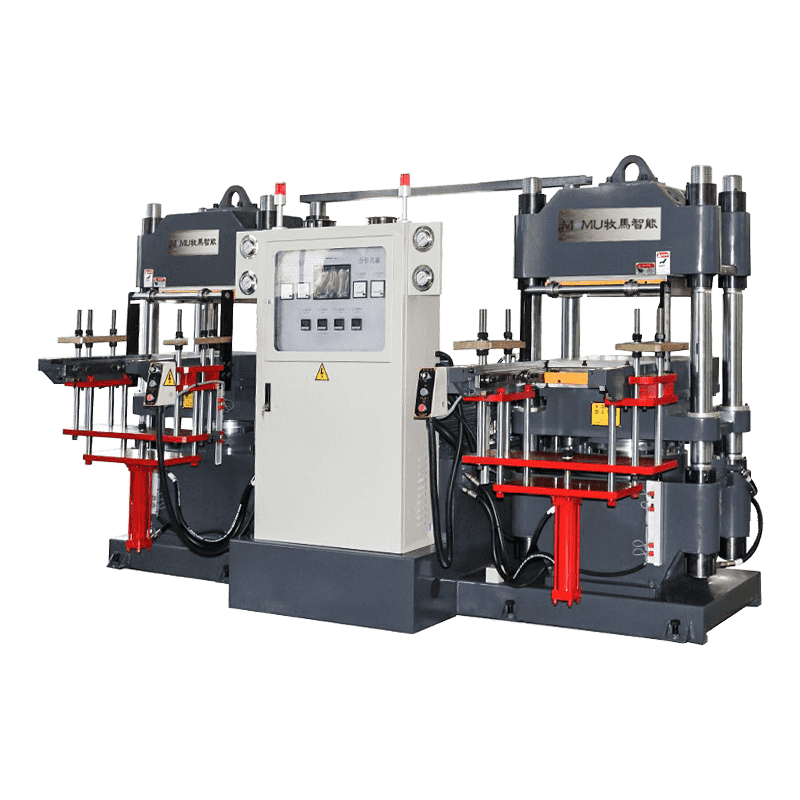
| Fixed Workshop Press | Tire retreading facilities | Larger platen size, higher pressure output |
| Flat Platen Laminator | Rubber sheet and matting production | Wide, uniform heating surface |
| Curved Segment Press | Pipe and tank lining repair | Contoured platen shapes for curved surfaces |
Choosing between these configurations depends largely on whether repairs will be performed on-site in the field, where portability matters most, or in a controlled workshop setting where larger, higher-capacity equipment can be permanently installed.
Step-by-Step Overview of a Typical Vulcanizing Repair
While specific procedures vary by machine model and rubber compound, most vacuum vulcanizing repairs follow a similar general sequence.
Surface Preparation
The damaged rubber area is first cleaned, buffed, or roughened to remove contaminants and create a surface texture that promotes better adhesion of the repair material or patch.
Applying the Repair Compound
An uncured rubber patch or repair compound, often combined with a bonding cement, is applied to the prepared area, matching the thickness and compound type of the surrounding rubber as closely as possible.
Vacuum Sealing and Curing
The repaired section is placed under the heating platen and sealed within the vacuum bag or chamber. The vacuum pump removes trapped air while the platen applies heat for a specified duration, based on the rubber compound's curing requirements and the thickness of the repair.
Cooling and Inspection
After the curing cycle completes, the repaired section is allowed to cool before the vacuum seal is released, and the finished repair is visually inspected for proper bonding, surface finish, and the absence of air bubbles or voids.
Factors That Influence Curing Time and Quality
Several variables affect how long a vulcanization cycle should run and how successful the final bond will be, making it important for operators to understand these factors rather than relying on a single fixed setting for every job.
- Rubber compound type, since natural rubber, neoprene, and nitrile compounds cure at different temperatures and durations
- Thickness of the rubber section being repaired, as thicker sections require longer heat exposure to cure fully through their depth
- Ambient temperature and humidity at the repair site, particularly for portable field units used outdoors
- Condition and calibration of the heating platen, since uneven or inaccurate heating can extend cure time or produce inconsistent results
- Strength and consistency of the vacuum seal, since a weak seal reduces the pressure applied to the bonding surfaces
Operators typically follow curing charts or manufacturer specifications provided with the rubber repair compound to determine the appropriate temperature and time settings for a given job.
Maintaining Equipment for Consistent Results
Routine maintenance of a vacuum rubber vulcanizing machine helps ensure that both the heating and vacuum systems continue to perform reliably over years of use. Operators should regularly inspect vacuum hoses and seals for cracks or wear that could compromise suction strength, check heating elements and platen surfaces for even temperature distribution, and calibrate control instruments periodically to confirm that displayed readings match actual operating conditions. Facilities that maintain their equipment on a consistent schedule generally experience fewer failed repairs and achieve more predictable curing outcomes across different rubber compounds and repair thicknesses, which ultimately supports safer and longer-lasting rubber products and repairs in the field.