Search
 English
 中文简体
中文简体 Español
Content
- 1 What a Vacuum Rubber Vulcanizing Machine Does
- 2 Core Components and Their Functions
- 3 How the Vulcanizing Cycle Works Step by Step
- 4 Why the Vacuum Stage Matters
- 5 Common Applications in Rubber Manufacturing
- 6 Key Factors to Consider When Selecting a Machine
- 7 Maintenance Practices That Extend Machine Life
A vacuum rubber vulcanizing machine is a specialized piece of processing equipment used to cure rubber products under controlled heat, pressure, and vacuum conditions. The vacuum stage removes trapped air and moisture from the rubber compound before or during curing, which reduces internal voids and produces a denser, more uniform finished product. This article explains how the machine works, what its core components do, where it is commonly used, and what factors matter most when selecting or operating one in a production environment.
What a Vacuum Rubber Vulcanizing Machine Does
Vulcanization is the chemical process that transforms raw or semi-cured rubber into a durable, elastic material by forming cross-links between polymer chains, typically through the application of heat and a curing agent such as sulfur. A standard vulcanizing press applies heat and pressure to achieve this transformation, but it does not address a common defect: trapped air bubbles and moisture pockets within the rubber compound, which can weaken the final product and create visible surface flaws.
A vacuum rubber vulcanizing machine solves this problem by incorporating a vacuum chamber or vacuum-assisted mold cavity into the curing process. Before or during the heating and pressing cycle, air is evacuated from the mold, pulling out trapped gases and moisture that would otherwise become permanent defects once the rubber cures. The result is a product with fewer internal voids, better dimensional stability, and improved mechanical properties such as tensile strength and tear resistance.
Core Components and Their Functions
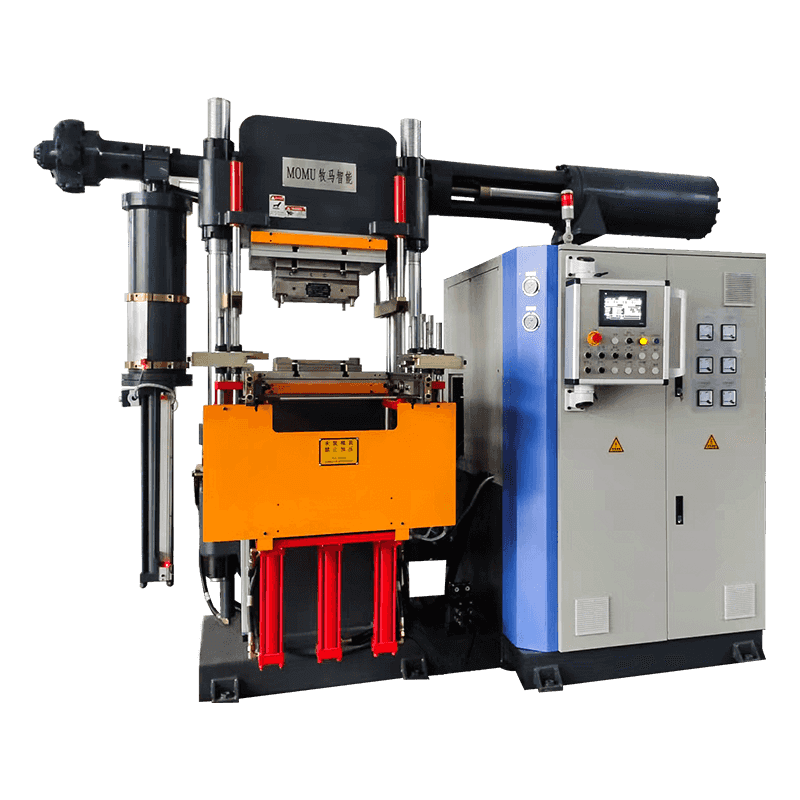
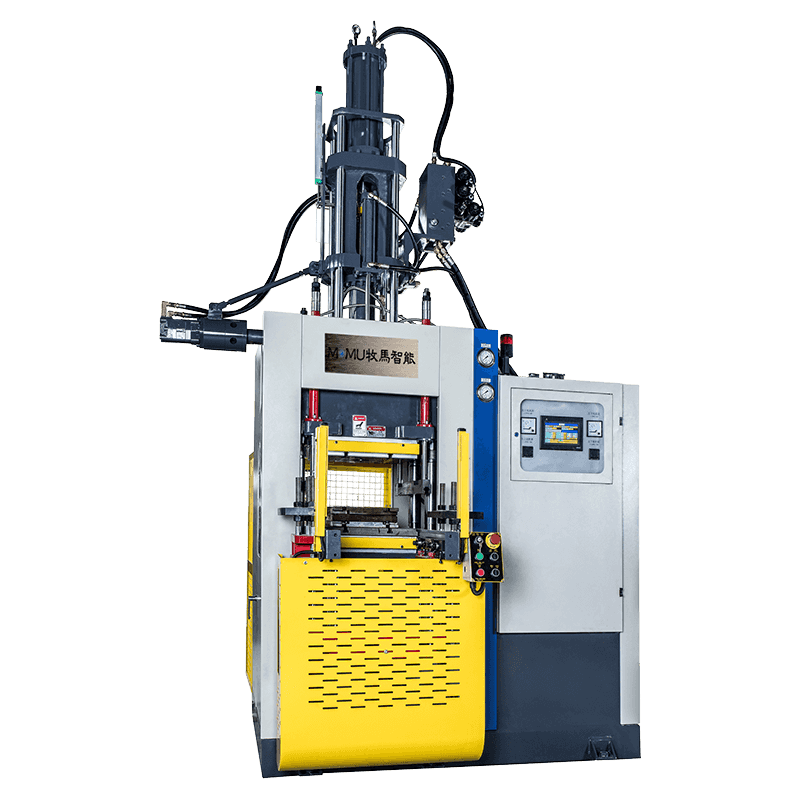
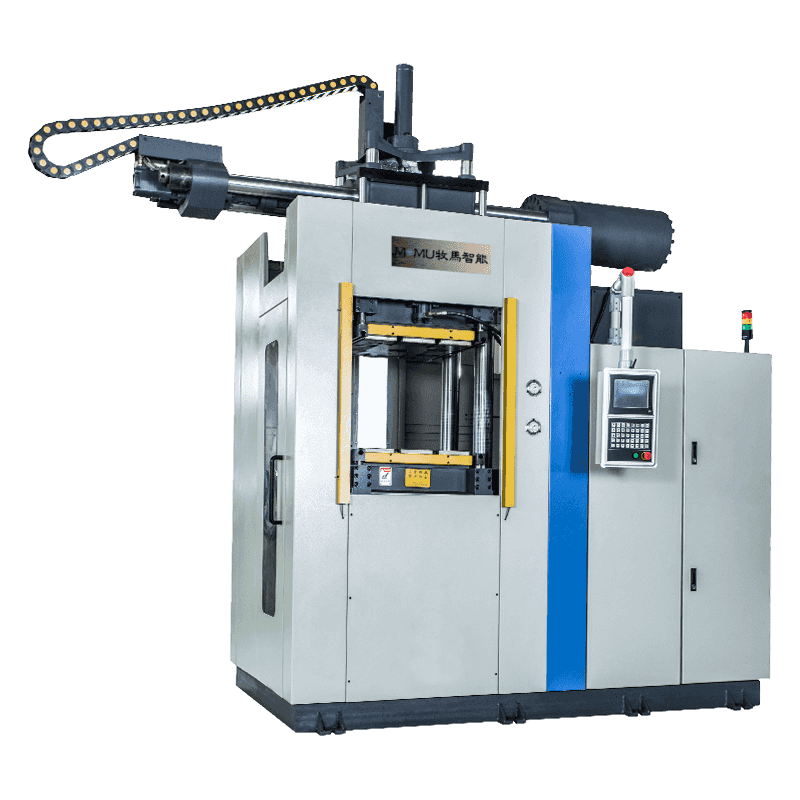
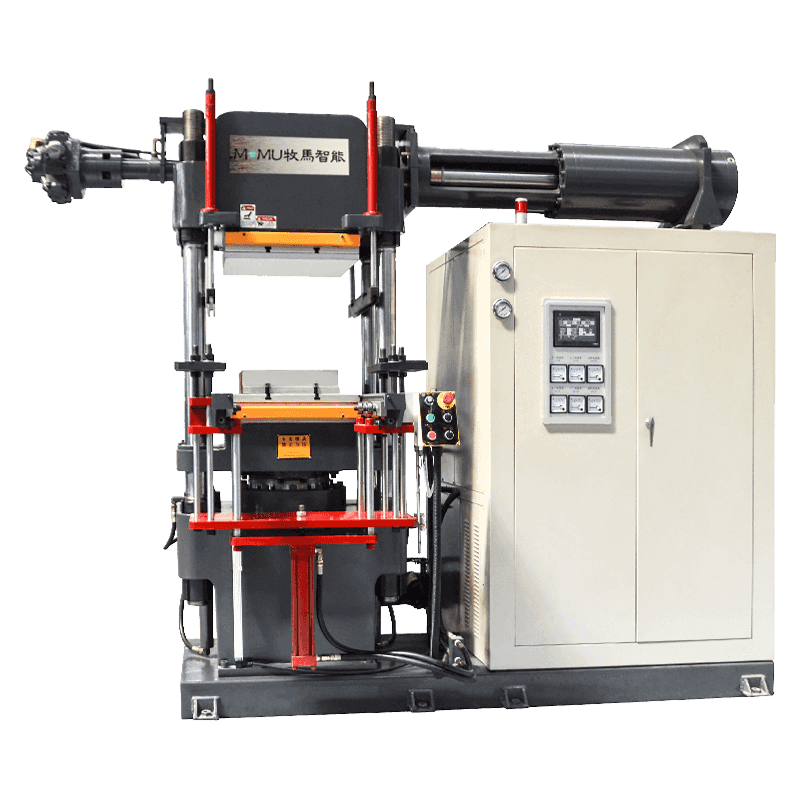
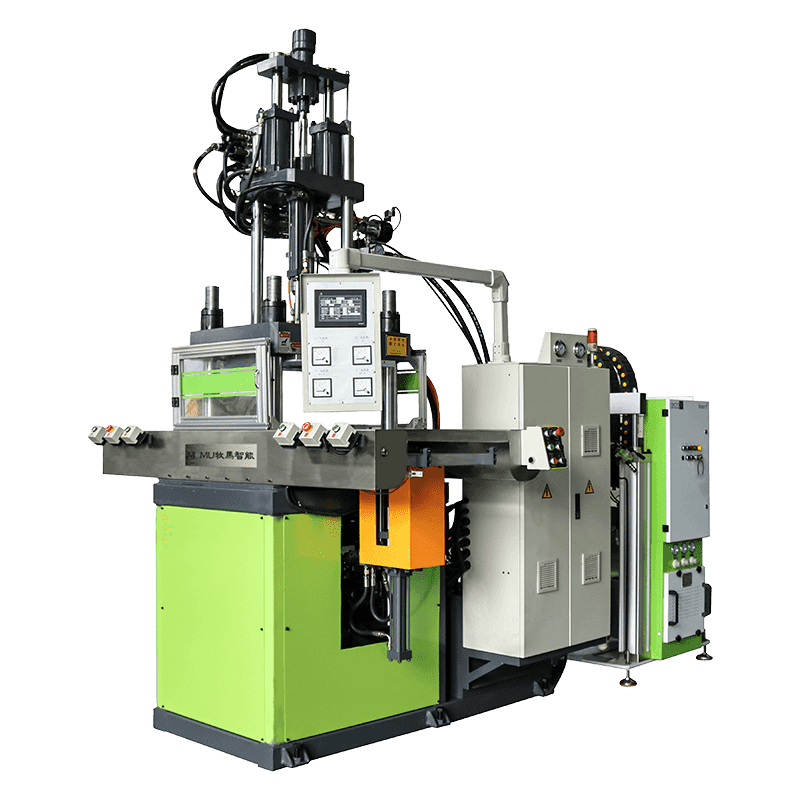
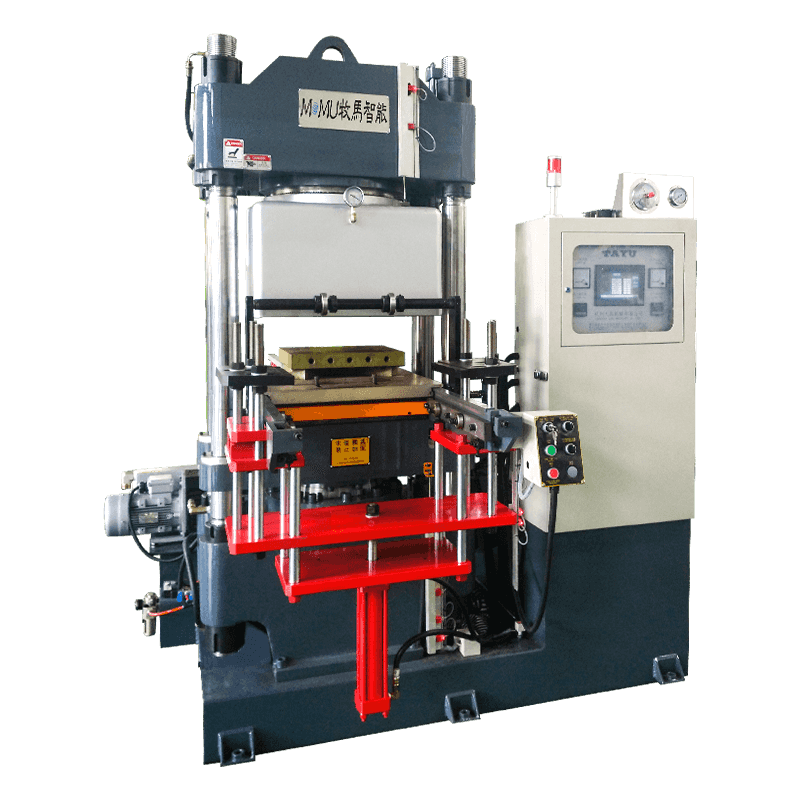
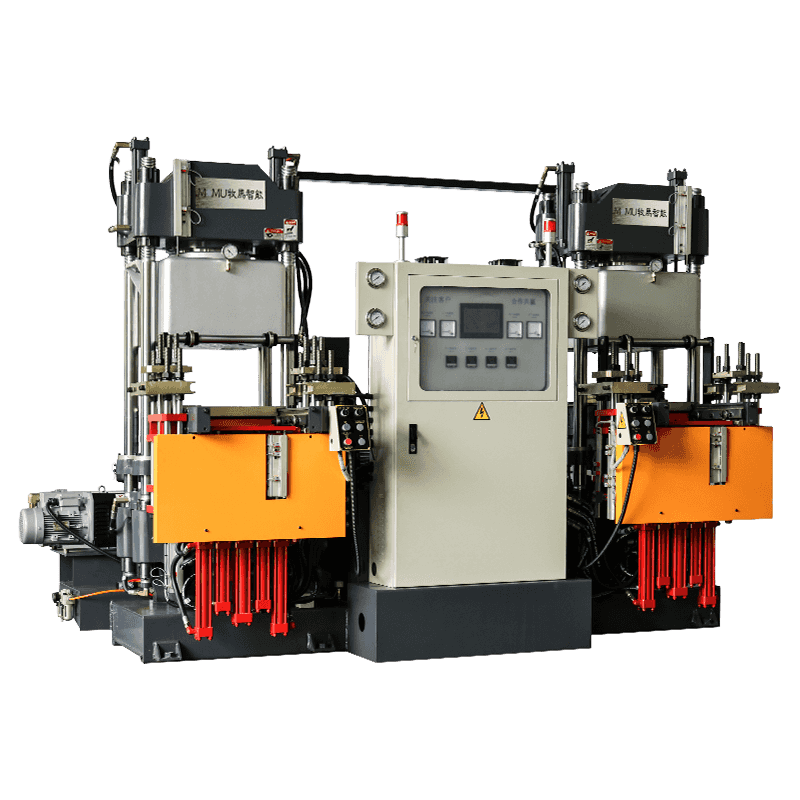
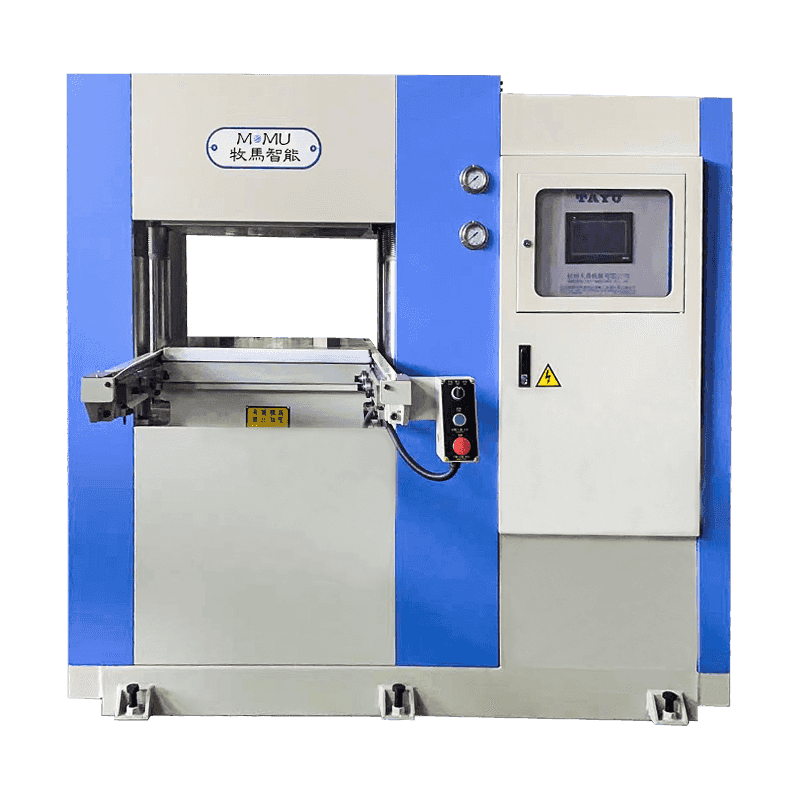
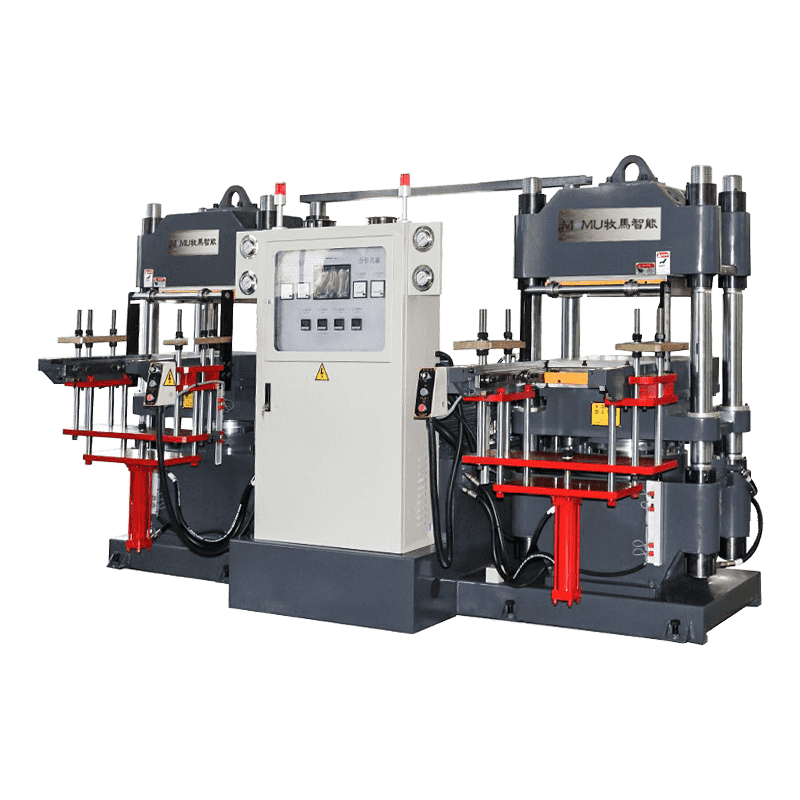
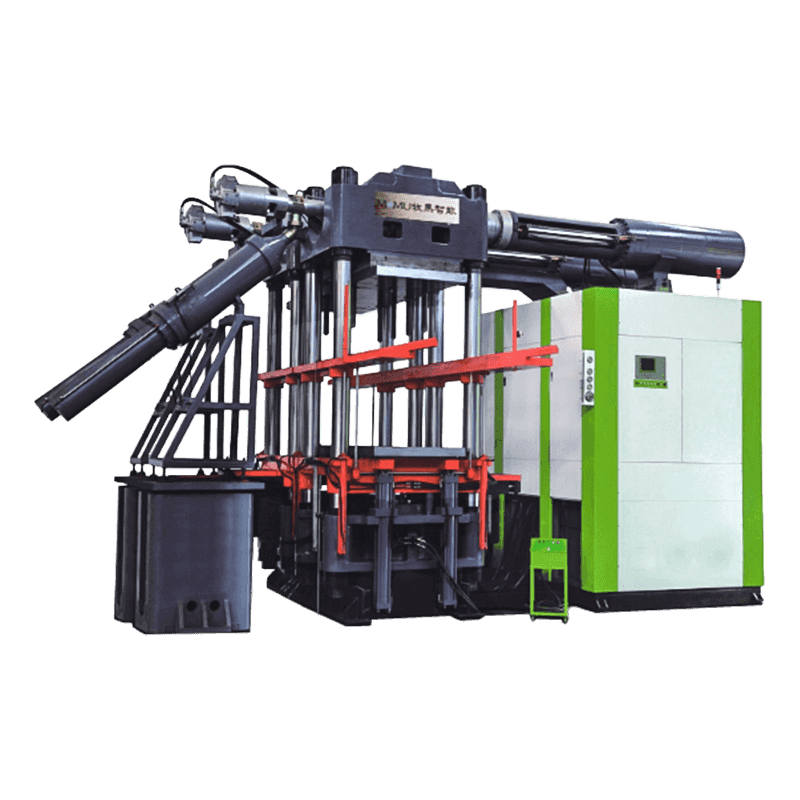
Understanding the main parts of a vacuum vulcanizing machine helps clarify how the curing process achieves its improved results. The machine generally consists of a heated platen press, a mold cavity, a vacuum pump system, and a control unit that coordinates timing, temperature, and pressure throughout the cycle.
The heated platens, usually powered by electric heating elements or steam, bring the mold up to the required curing temperature, which typically ranges from 140°C to 180°C depending on the rubber compound being processed. The mold itself is precision-machined to shape the rubber into its final form and is sealed tightly enough to hold a vacuum during the evacuation stage. The vacuum pump, connected to the mold cavity through a network of valves and hoses, draws air out before the compound is fully compressed, ensuring that gases are removed before they can become trapped within the curing rubber.
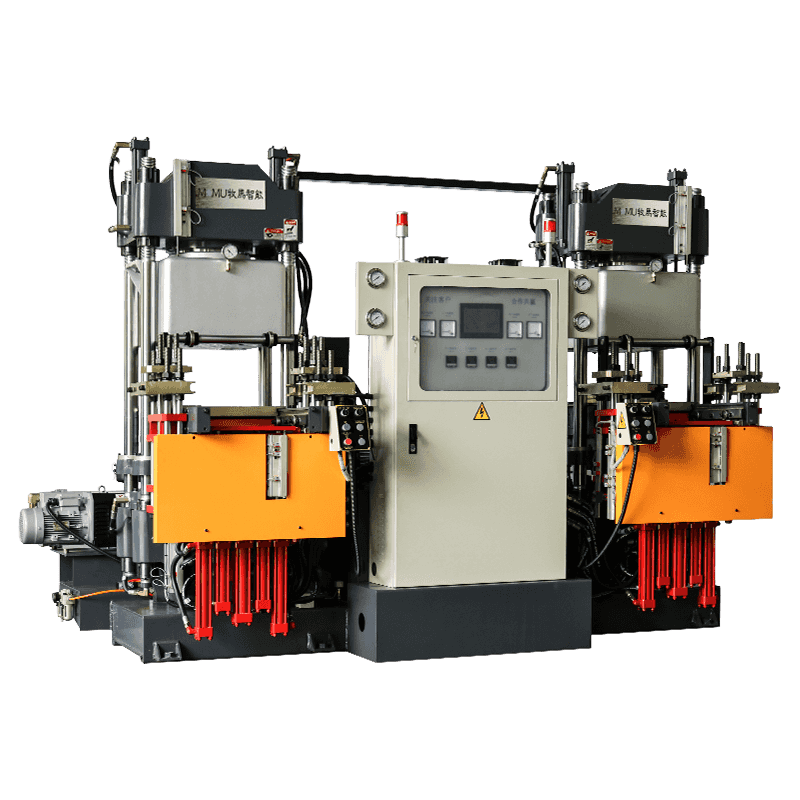
Primary Machine Components
- Heated platens for delivering consistent curing temperature
- Precision mold cavity sealed for vacuum retention
- Vacuum pump and valve system for air and moisture evacuation
- Hydraulic or pneumatic pressing system for mold closure
- Digital control panel for programming temperature, time, and vacuum level
How the Vulcanizing Cycle Works Step by Step
The typical operating cycle follows a sequence designed to maximize both curing quality and production efficiency. Understanding each stage helps operators troubleshoot defects and optimize cycle times for different rubber compounds.
| Stage | What Happens | Purpose |
| Loading | Raw rubber compound placed into mold | Prepares material for shaping and curing |
| Vacuum evacuation | Air and moisture pumped out of mold cavity | Removes trapped gases before curing begins |
| Mold closing | Hydraulic press applies clamping pressure | Shapes rubber and prevents air re-entry |
| Heating and curing | Platens maintain set temperature for a fixed time | Triggers cross-linking reaction in rubber compound |
| Cooling and release | Mold opens after controlled cooling period | Prevents deformation of the finished product |
Why the Vacuum Stage Matters
Air entrapment is one of the most common causes of rejected rubber parts in manufacturing. When air bubbles remain inside a rubber compound during curing, they expand under heat and create internal voids or surface blemishes known as porosity. These defects weaken the structural integrity of the finished product and can cause premature failure in applications where the rubber part is subjected to mechanical stress, such as seals, gaskets, or industrial hoses.
By evacuating air before the mold fully closes, the vacuum stage significantly reduces the likelihood of these defects. This is especially important when working with thick rubber sections or complex mold geometries, where air has more opportunity to become trapped in corners or cavities. Moisture removal is equally important for compounds that are sensitive to humidity, since residual moisture can cause blistering or uneven curing if not eliminated before the heating stage begins.
Benefits of Vacuum-Assisted Curing
- Reduced porosity and internal voids in the finished rubber
- Improved surface finish with fewer visible bubbles or pits
- Higher tensile strength and tear resistance in the cured product
- Better dimensional accuracy for parts with tight tolerances
- Lower rejection rates, reducing material waste over time
Common Applications in Rubber Manufacturing
Vacuum rubber vulcanizing machines are used across a range of industries where product reliability depends on defect-free rubber components. In the automotive sector, they are used to produce seals, gaskets, and rubber bushings that must maintain consistent performance under repeated mechanical stress and temperature variation. Any trapped air in these components could lead to premature cracking or seal failure, making vacuum curing a practical requirement rather than an optional upgrade.
Medical and food-grade rubber products also benefit significantly from vacuum vulcanization, since porosity in these applications can create hygiene risks by trapping bacteria or contaminants within surface voids. Industrial hose and conveyor belt manufacturing relies on the process to ensure structural consistency across long production runs, where even small internal defects can compound into significant durability issues over the product's service life. Additionally, footwear soles, particularly those made from solid rubber compounds, are commonly produced using vacuum vulcanizing presses to achieve a smoother, more consistent tread surface.
Typical Industries and Products
- Automotive seals, gaskets, and rubber bushings
- Medical-grade rubber components and tubing
- Industrial hoses and conveyor belt sections
- Footwear soles and rubber tread components
- O-rings and precision-molded sealing parts
Key Factors to Consider When Selecting a Machine
Choosing the right vacuum rubber vulcanizing machine depends on matching the equipment's specifications to the product being manufactured. Platen size and mold capacity should align with the dimensions of the parts being produced, since undersized platens limit batch output while oversized ones waste energy on unused heating surface. Vacuum pump capacity is another critical specification, as it determines how quickly and completely air can be evacuated from the mold cavity, which directly affects cycle time and defect rates.
Temperature control precision matters as well, particularly for compounds that require narrow curing temperature windows to achieve optimal cross-linking without scorching. Machines with digital PID temperature controllers offer tighter tolerance control than older analog systems, which can translate directly into more consistent product quality across production batches. Pressing force, measured in tons, should also be evaluated against the compound's viscosity and the mold's projected surface area, since insufficient pressure can lead to incomplete mold filling and flash defects.
Selection Checklist
- Match platen size and mold capacity to your typical product dimensions
- Confirm vacuum pump capacity supports your required cycle speed
- Check for digital temperature control with tight tolerance settings
- Verify pressing force is adequate for your compound viscosity and mold size
- Ask about programmable cycle memory for repeatable production settings
Maintenance Practices That Extend Machine Life
Regular maintenance is essential to keeping a vacuum vulcanizing machine operating at peak efficiency, particularly because the vacuum system relies on tight seals that can degrade over time with repeated thermal cycling. Operators should routinely inspect mold gaskets and seals for wear, since even minor leaks can prevent the vacuum pump from reaching its target pressure, undermining the entire purpose of the vacuum stage.
Vacuum pump oil, in machines using oil-sealed rotary vane pumps, should be checked and changed according to the manufacturer's schedule, as contaminated oil reduces pumping efficiency and can lead to slower evacuation times. Heating elements and platen surfaces should also be inspected periodically for hot spots or uneven heat distribution, which can cause inconsistent curing across different areas of the mold. Keeping a maintenance log that tracks cycle counts, seal replacements, and pump servicing helps operators anticipate part replacements before they cause unplanned downtime.
Routine Maintenance Tasks
- Inspect mold seals and gaskets for leaks on a regular schedule
- Change vacuum pump oil according to manufacturer intervals
- Check platen heating elements for even temperature distribution
- Calibrate temperature and pressure sensors periodically
- Keep detailed logs of cycle counts and part replacements
A vacuum rubber vulcanizing machine plays a critical role in producing rubber components that meet strict quality and durability standards. By removing trapped air and moisture before and during the curing process, these machines significantly reduce defects and improve the mechanical performance of the finished product. Selecting the right machine specifications and maintaining the vacuum and heating systems consistently ensures reliable, defect-free production across a wide range of rubber manufacturing applications.