Search
 English
 中文简体
中文简体 Español
Content
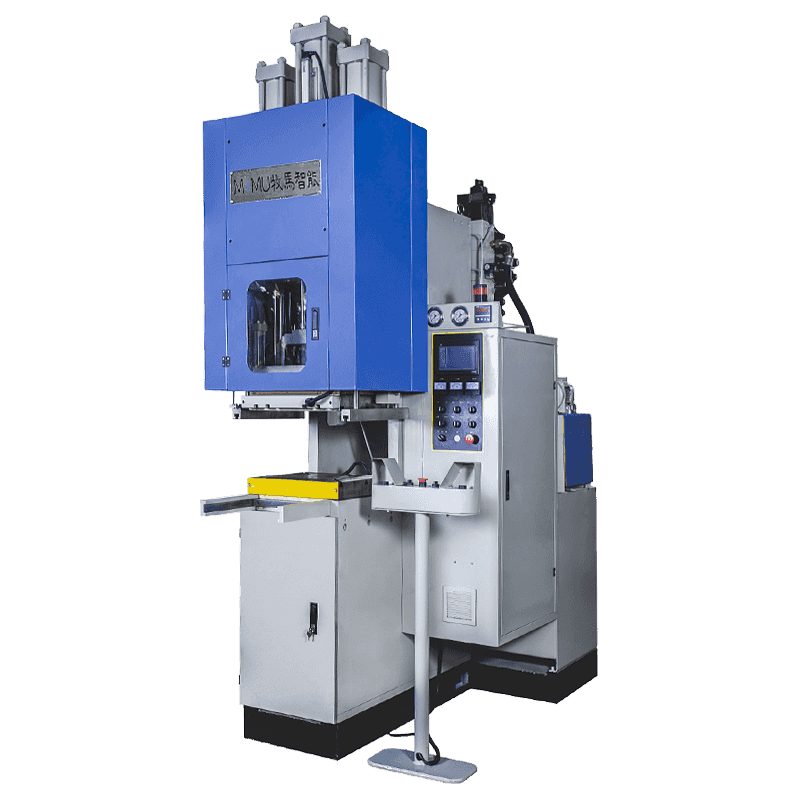
A sealing strip angle machine is designed to cut rubber, PVC, EPDM, and foam sealing strips at precise angles so that corner joints on windows, doors, refrigerator gaskets, and automotive seals fit tightly without gaps. Getting a clean angled cut matters more than it might seem: even a small deviation at a corner joint can create a weak point where air, water, or dust eventually gets through. This article looks at how these machines work, what features actually affect cut quality, and how to choose and maintain one for consistent results.
What a Sealing Strip Angle Machine Does
At its core, the machine holds a length of sealing strip in a fixed position and drives a blade through it at a set angle, most commonly 45 degrees for standard corner joints, though many machines allow adjustment from 0 to 90 degrees. The strip is clamped before the cut to prevent shifting, since soft materials like foam or rubber tend to deform under blade pressure if not held firmly.
Some machines cut a single angle per cycle, requiring the operator to reposition the strip for the second cut of a corner joint. More advanced models cut both angles of a miter joint in one clamping cycle, which reduces the chance of misalignment between the two cuts and speeds up production for high-volume work such as window frame manufacturing.
Key Factors That Determine Cut Quality
Cut quality depends on more than just the angle setting. Blade sharpness, cutting speed, and clamping pressure all interact with the material being cut. A dull blade tends to tear or compress soft rubber rather than slice it cleanly, leaving a rough edge that will not seal well against an adjoining piece. Cutting speed that is too fast for the material can cause similar tearing, especially on foam-backed strips.
Clamping pressure needs to be firm enough to prevent the strip from sliding during the cut, but not so tight that it distorts the strip's cross-section. Distorted strips often fail to seat properly in a frame channel, even if the angle itself is correct.
Common Causes of Poor Cuts
- Worn or dull blades leaving ragged or compressed edges
- Excessive clamping pressure deforming soft strip profiles
- Incorrect angle calibration drifting after repeated use
- Cutting speed mismatched to strip material or thickness
Types of Sealing Strip Angle Machines
Machines in this category generally fall into three groups based on how much of the process is automated. Manual machines require the operator to position the strip, set the angle, and trigger the cut by hand or foot pedal for every piece. These suit small workshops or repair work where volume is low and flexibility in angle and length matters more than speed.
Semi-automatic machines handle the clamping and cutting motion automatically once the operator loads the strip and sets parameters, which reduces fatigue and improves consistency across a production run. Fully automatic machines feed strip material from a roll, measure the required length, cut both angles, and eject the finished piece with minimal operator involvement, making them suitable for continuous manufacturing lines.
Comparing Machine Types
| Machine Type | Best Suited For | Typical Output |
| Manual | Small shops, repairs, custom angles | Low volume |
| Semi-automatic | Mid-size production runs | Moderate volume |
| Fully automatic | Continuous manufacturing lines | High volume |
Common Applications
Window and door manufacturers use these machines to cut weatherstripping and gasket profiles to fit precise frame corners, where a tight miter joint is necessary to keep the seal weatherproof. Refrigeration and appliance manufacturers rely on similar equipment to cut door gasket strips, since even a minor gap in the corner seal can affect insulation efficiency and energy consumption.
Automotive parts suppliers also use angle-cutting machines for trunk, door, and hood seals, where the strip must follow curved or angled body lines. In each of these industries, the shared requirement is a clean, accurately angled cut that allows two strip ends to meet without a visible or functional gap.
Typical Materials Processed
- EPDM rubber strips for window and door weatherstripping
- PVC sealing profiles for appliance and cabinet doors
- Foam-backed strips for insulation and soundproofing seals
- Silicone strips for high-temperature or outdoor applications
Maintenance Practices That Preserve Accuracy
Blade replacement schedules should be based on cut count rather than calendar time, since a machine running high volumes will dull blades faster than one used occasionally. Most manufacturers recommend inspecting the blade edge after every few thousand cuts and replacing it at the first sign of tearing rather than waiting for a complete failure, since a degrading blade produces inconsistent results well before it stops cutting entirely.
Angle calibration should be checked periodically using a test cut and a protractor or angle gauge, since repeated use can gradually shift the cutting head's position. Clamping mechanisms also benefit from regular cleaning, as rubber and foam particles tend to build up on clamp surfaces and can affect grip consistency over time.
Routine Maintenance Steps
- Inspect and replace blades based on cut count, not just calendar schedule
- Verify angle calibration with a test cut and angle gauge monthly
- Clean clamp surfaces to remove rubber and foam residue buildup
- Lubricate moving parts on the cutting head according to manufacturer guidance
Choosing the Right Machine for Your Production Needs
Selecting a sealing strip angle machine should start with an honest assessment of production volume and material variety. A workshop cutting a wide range of strip widths and angles on an irregular basis will get more practical value from a manual or semi-automatic machine with flexible settings than from a fully automatic line built around a fixed set of profiles. Conversely, a manufacturer producing the same gasket profile at high volume will see a faster return on a fully automatic machine, since the labor savings and consistency gains compound over large production runs.
It is also worth confirming that a machine's clamping system and blade type are compatible with the specific materials in use, since a machine optimized for rigid PVC may not handle soft foam strips as cleanly, and vice versa. Requesting a sample cut on the actual material intended for production, rather than relying on general specifications, is the most reliable way to confirm a machine will meet the required tolerance before committing to a purchase.