Search
 English
 中文简体
中文简体 Español
Content
- 1 Working Principle of Liquid Silicone Mold Clamping
- 2 Key Components of a Liquid Silicone Mold Clamping Machine
- 3 Types of Liquid Silicone Mold Clamping Machines
- 4 Advantages in Liquid Silicone Rubber Processing
- 5 Applications Across Different Industries
- 6 Production Efficiency and Automation Compatibility
- 7 Quality Control and Process Stability
- 8 Key Specifications to Evaluate
- 9 Maintenance and Operational Considerations
- 10 How to Choose the Right Liquid Silicone Mold Clamping Machine
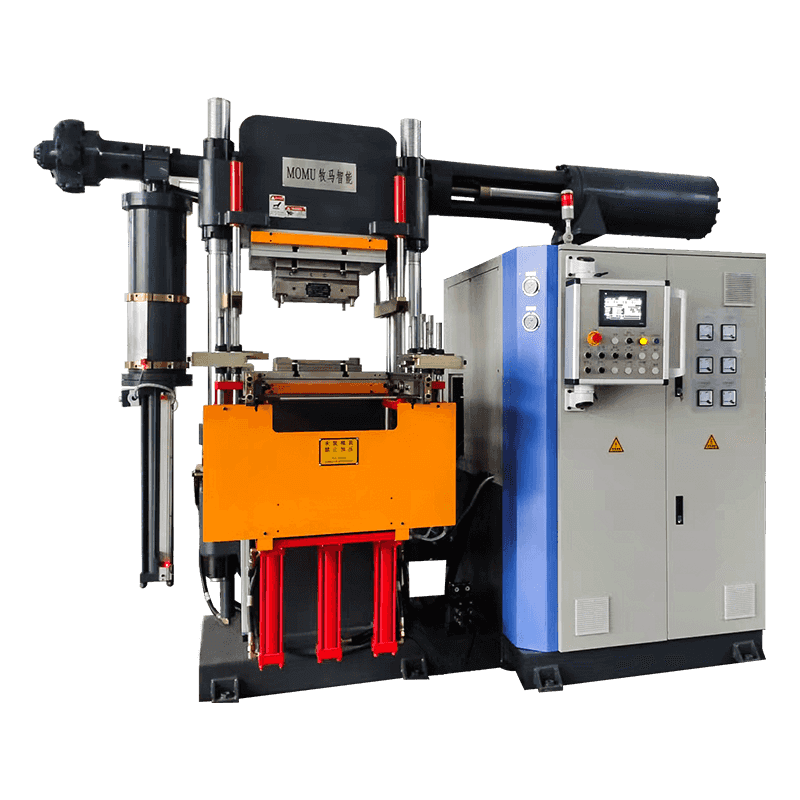
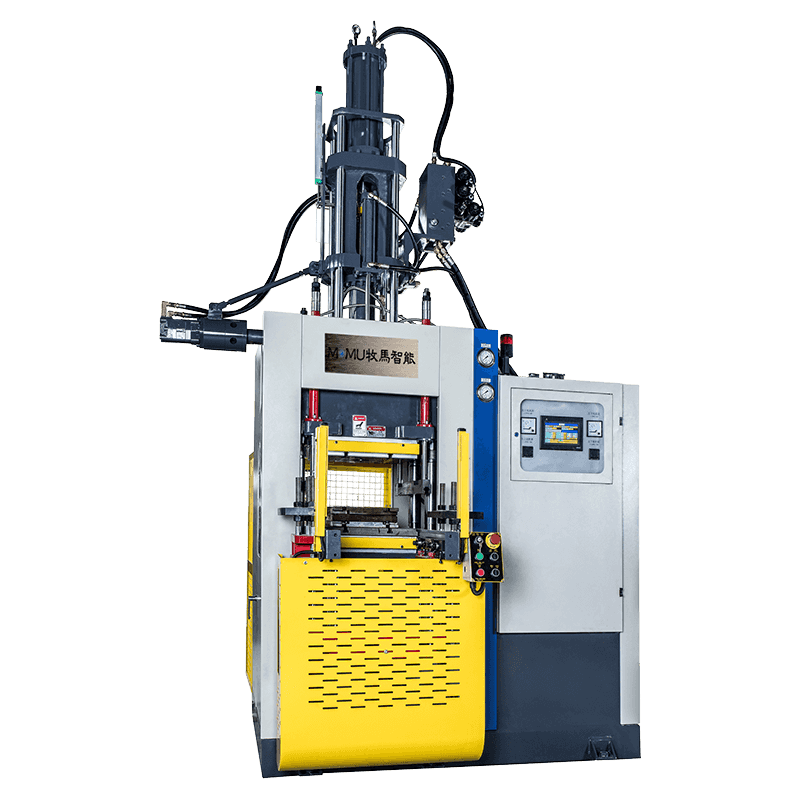
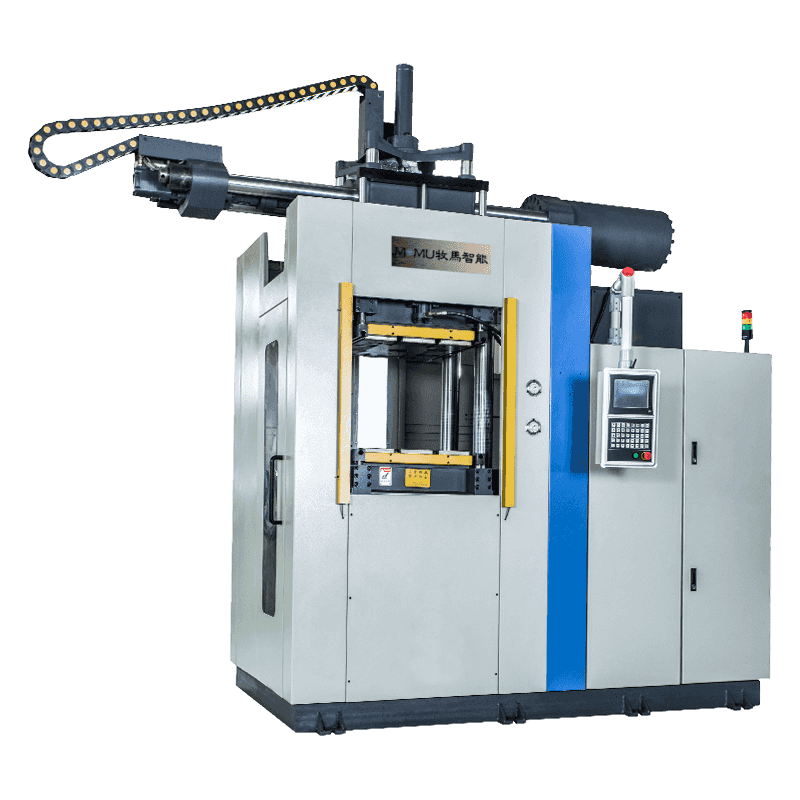
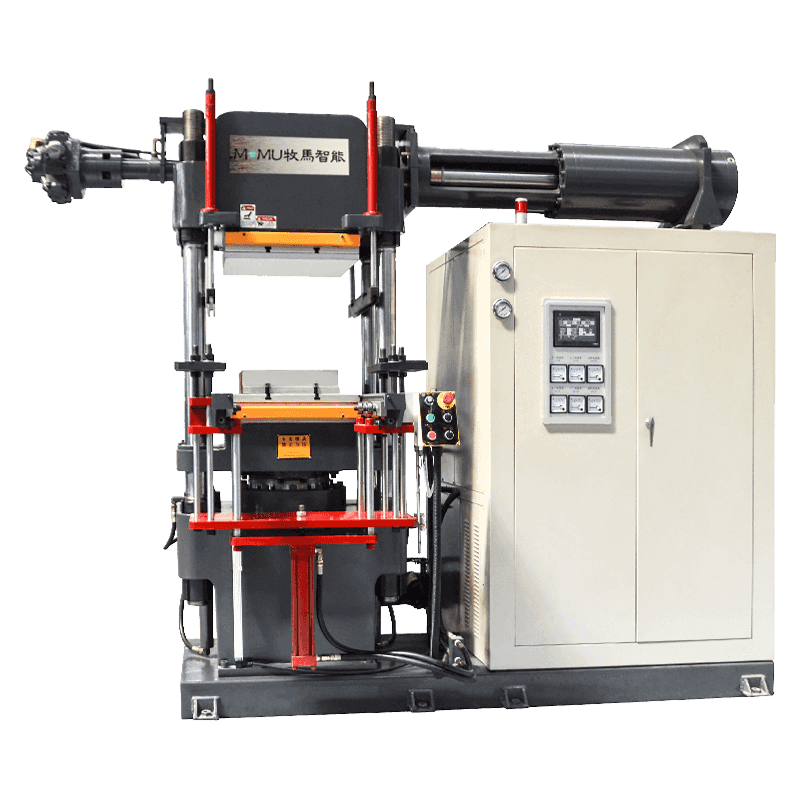
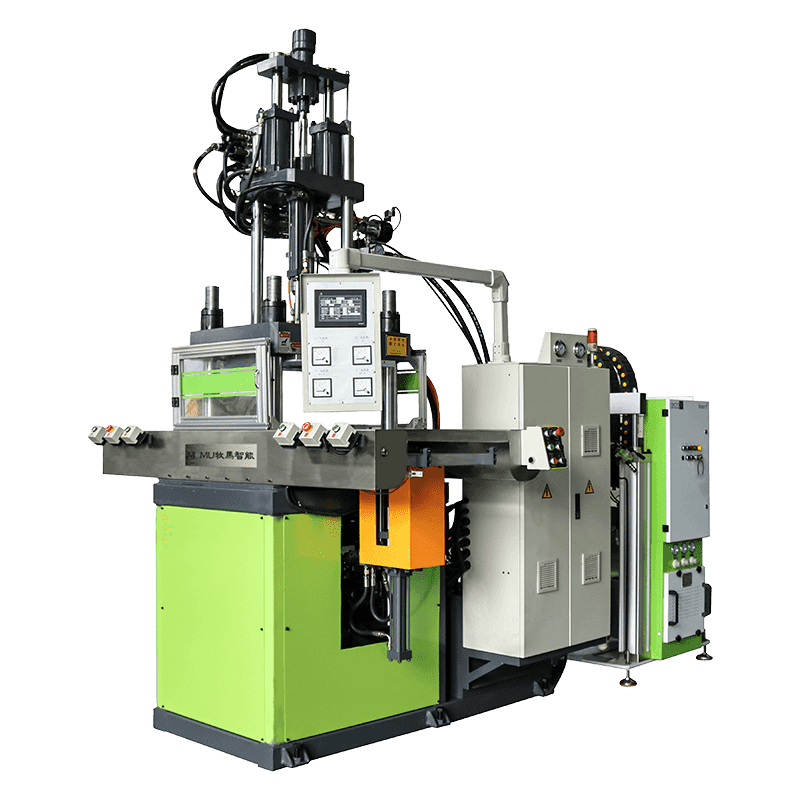
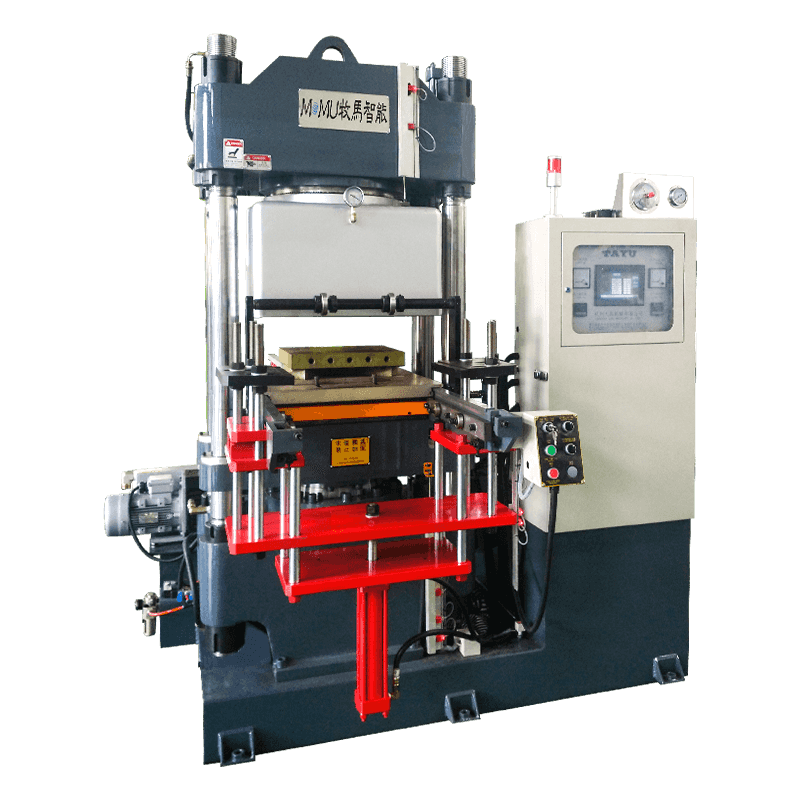
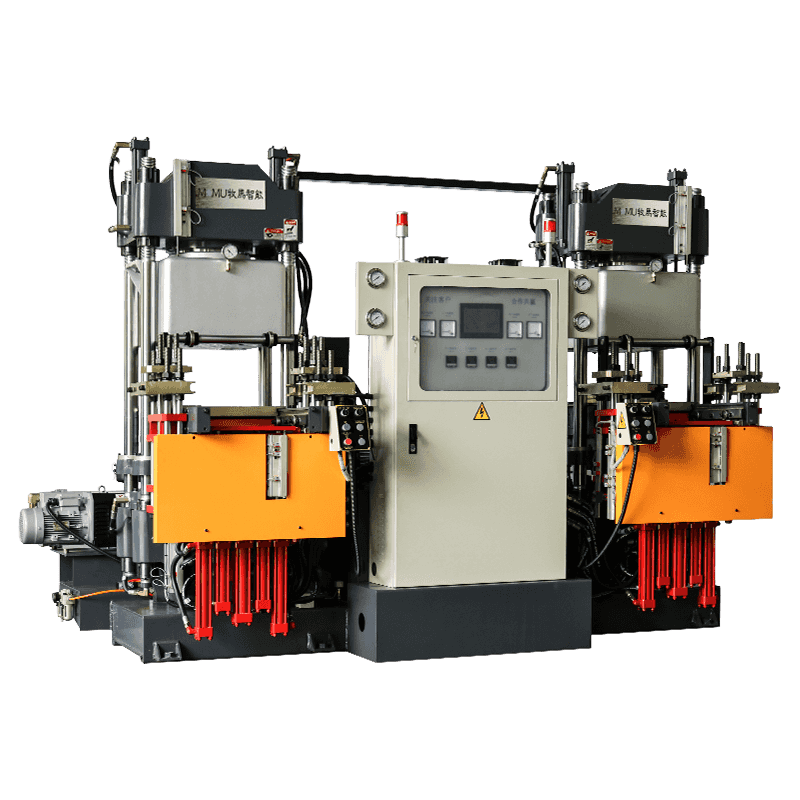
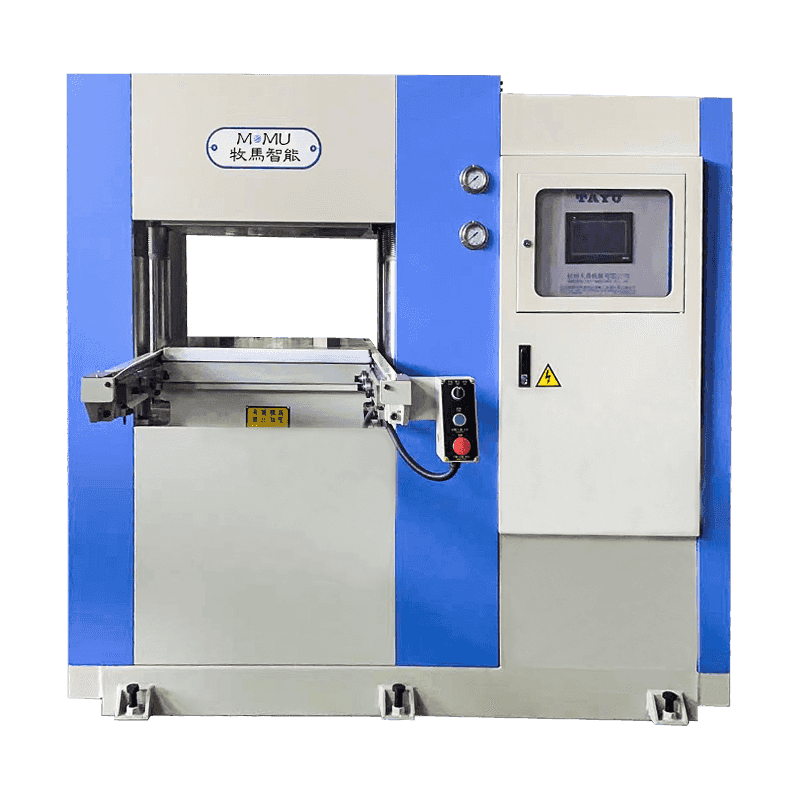
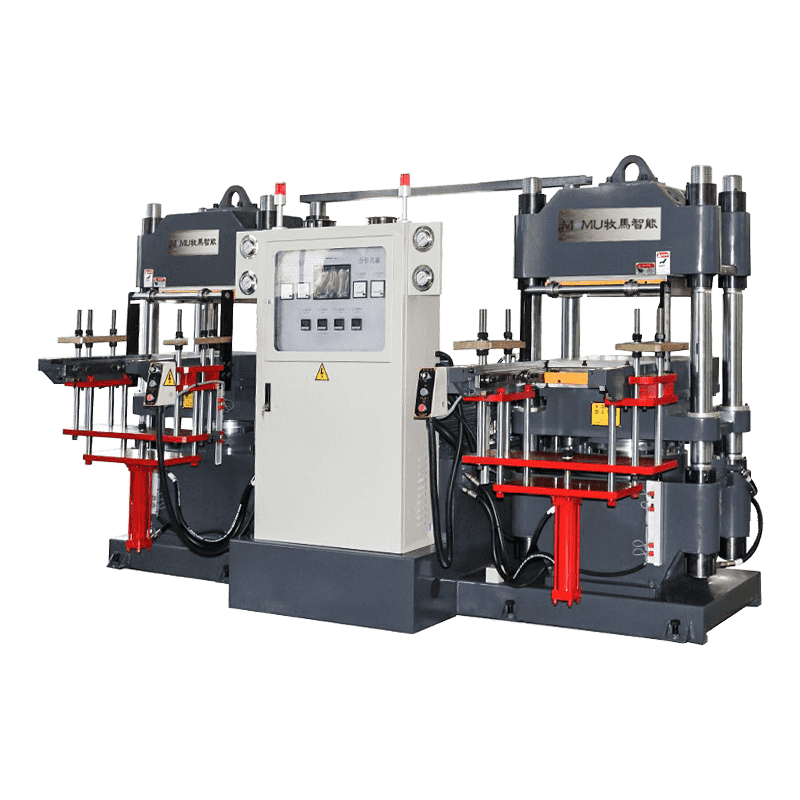
A liquid silicone mold clamping machine is a specialized piece of equipment used in liquid silicone rubber (LSR) molding processes to securely close and hold molds during injection or compression. Its primary function is to provide stable, uniform clamping force, ensuring precise mold alignment and preventing material leakage under high injection pressure. These machines are widely used in industries that require high-precision silicone products, such as medical devices, electronics, automotive components, and consumer goods.
Working Principle of Liquid Silicone Mold Clamping
The working principle of a liquid silicone mold clamping machine is based on controlled mechanical or hydraulic force applied to close the mold halves tightly during the molding cycle. Once the mold is clamped, liquid silicone rubber is injected or poured into the cavity, where it cures under heat and pressure. After curing, the clamping system releases the mold to allow part removal.
Clamping Force Generation
Clamping force is generated through hydraulic cylinders, servo-driven mechanisms, or mechanical toggle systems. The selected method determines force accuracy, response speed, and energy efficiency. Stable force control is essential to maintain mold integrity and product consistency.
Synchronization with LSR Injection
Modern liquid silicone mold clamping machines are designed to work seamlessly with LSR injection units. Precise synchronization between clamping and injection prevents flashing, air entrapment, and dimensional deviations in finished products.
Key Components of a Liquid Silicone Mold Clamping Machine
Understanding the main components helps users evaluate machine reliability, maintenance needs, and production capability. Each component plays a critical role in ensuring stable and repeatable molding operations.
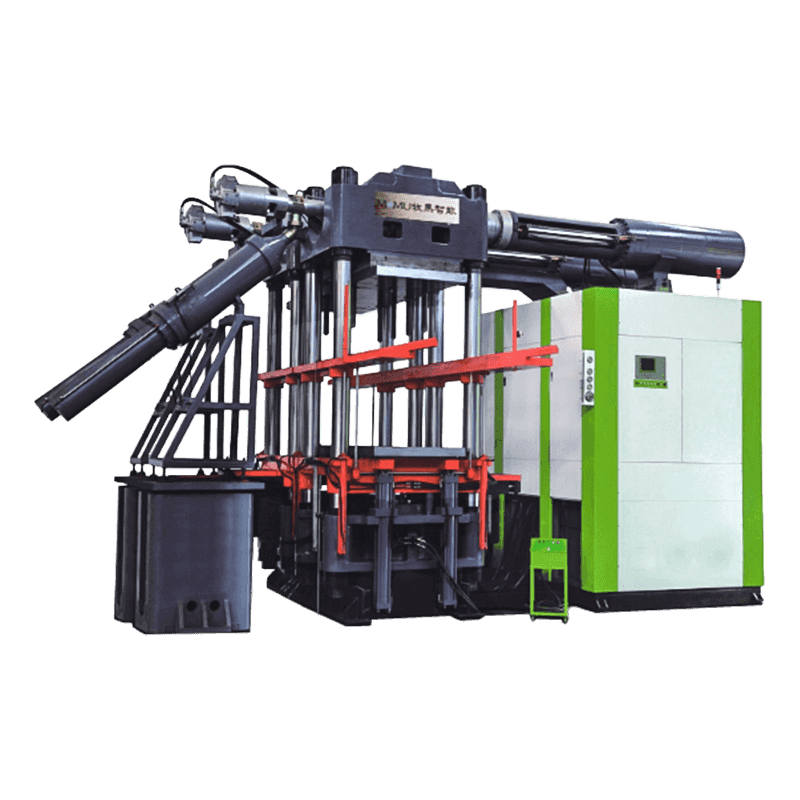
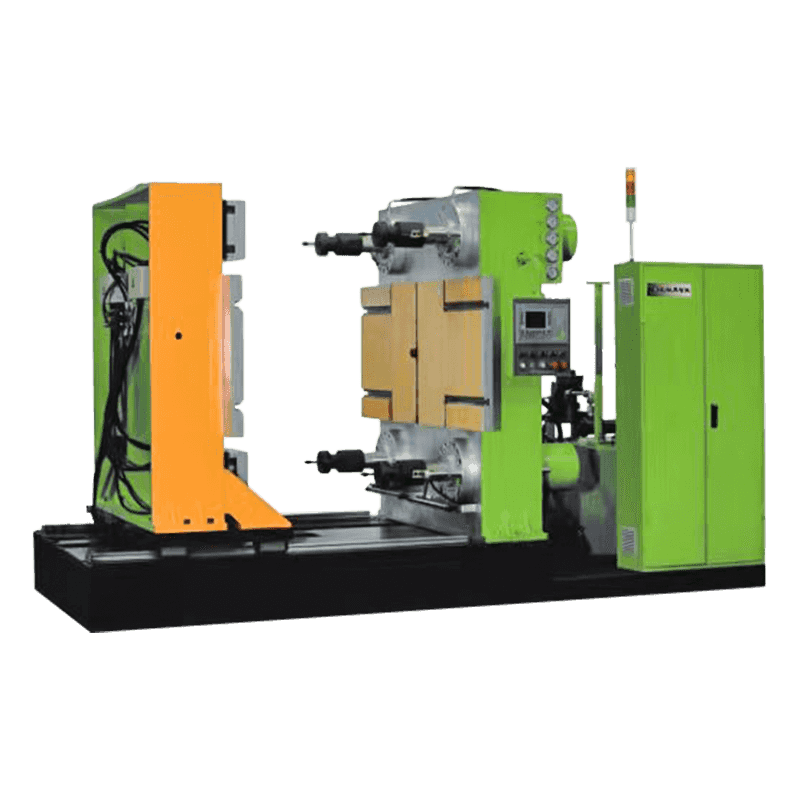
- Clamping unit with fixed and moving platens
- Hydraulic or servo drive system
- Precision guide rails and alignment system
- Control panel with programmable parameters
Types of Liquid Silicone Mold Clamping Machines
Liquid silicone mold clamping machines can be categorized based on drive system, structure, and level of automation. Selecting the right type depends on production volume, product complexity, and factory layout.
Hydraulic Mold Clamping Machines
Hydraulic systems provide high clamping force and are suitable for large molds or high-pressure LSR injection. They are known for robustness and consistent force output, making them common in industrial-scale silicone production.
Servo-Driven Mold Clamping Machines
Servo-driven clamping machines offer precise force control and improved energy efficiency. They respond quickly to parameter changes and are ideal for high-precision or cleanroom applications where stability and repeatability are critical.
Advantages in Liquid Silicone Rubber Processing
Compared with general-purpose clamping systems, machines designed specifically for liquid silicone molding offer clear technical and economic advantages. These benefits contribute to higher product quality and lower production costs.
- Uniform clamping force to prevent flashing
- Improved mold alignment and longer mold life
- Reduced scrap rate and rework
- Compatibility with automated production lines
Applications Across Different Industries
Liquid silicone mold clamping machines are used wherever high-precision silicone components are required. Their ability to maintain clean, stable molding conditions makes them suitable for demanding industrial sectors.
Medical and Healthcare Products
In medical manufacturing, these machines are used to produce seals, valves, tubing components, and implantable parts. Precise clamping ensures consistent dimensions and minimizes contamination risks.
Electronics and Electrical Components
For electronics, liquid silicone mold clamping machines support the production of insulation parts, keypads, and protective covers. Accurate mold closure is essential to protect sensitive internal structures.
Production Efficiency and Automation Compatibility
Modern liquid silicone mold clamping machines are designed to integrate easily with automated feeding, injection, and demolding systems. Automation reduces labor costs, shortens cycle times, and improves overall production efficiency, especially in high-volume manufacturing environments.
Quality Control and Process Stability
Stable clamping force directly affects product quality. Consistent mold pressure ensures uniform wall thickness and accurate part geometry. Advanced control systems allow real-time monitoring and adjustment, reducing process variation and ensuring repeatable results.
Key Specifications to Evaluate
When selecting a liquid silicone mold clamping machine, technical specifications should be carefully reviewed to ensure compatibility with existing molds and production requirements.
| Specification | Typical Range | Impact on Production |
| Clamping Force | 20–300 tons | Determines mold size and pressure capacity |
| Platen Size | Customized | Mold compatibility |
| Control System | PLC or Servo | Precision and automation level |
Maintenance and Operational Considerations
Routine maintenance is essential to ensure long-term performance and safety. Regular inspection of hydraulic seals, guide rails, and control systems helps prevent downtime. Proper operator training also improves machine utilization and reduces operational errors.
How to Choose the Right Liquid Silicone Mold Clamping Machine
Choosing the right liquid silicone mold clamping machine requires a clear understanding of product design, mold structure, and production volume. Factors such as clamping force accuracy, automation compatibility, energy efficiency, and supplier technical support should be carefully evaluated. By matching machine capabilities to application requirements, manufacturers can achieve stable production, consistent quality, and long-term cost efficiency.