Search
 English
 中文简体
中文简体 Español
Content
- 1 Stable and Precisely Controlled Clamping System
- 2 High-Precision Injection and Metering Capability
- 3 Optimized Mold Temperature Control
- 4 Automation and Intelligent Control System
- 5 Fast and Consistent Cycle Time Performance
- 6 Material Waste Reduction and Clean Production Design
- 7 Flexible Mold Compatibility and Adaptability
- 8 Energy Efficiency and Operating Cost Control
- 9 Safety Features and Operator Protection
- 10 Ease of Maintenance and Long-Term Reliability
- 11 Conclusion: Aligning Machine Features with Production Goals
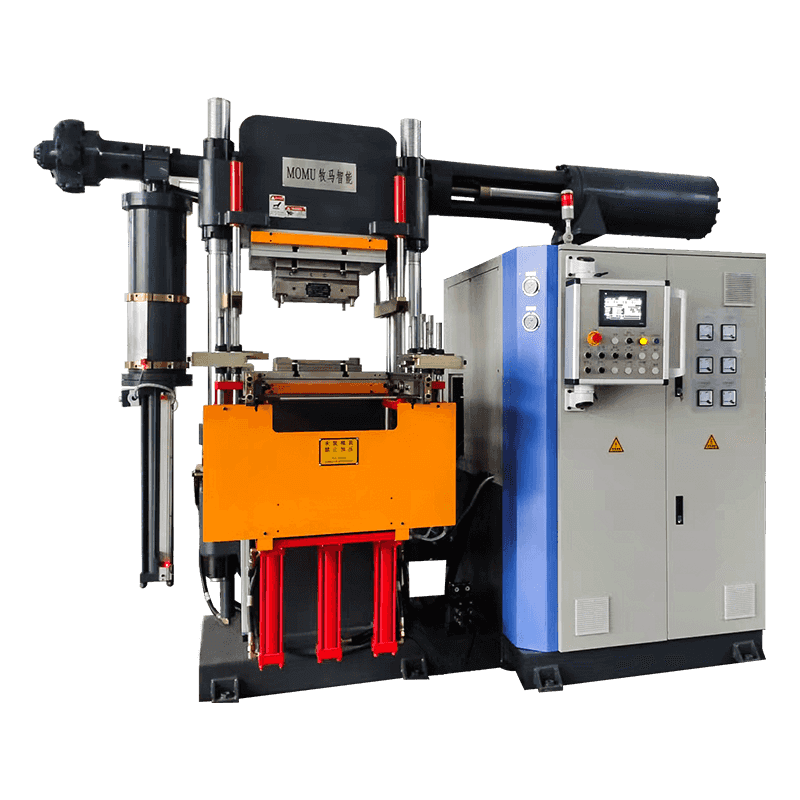
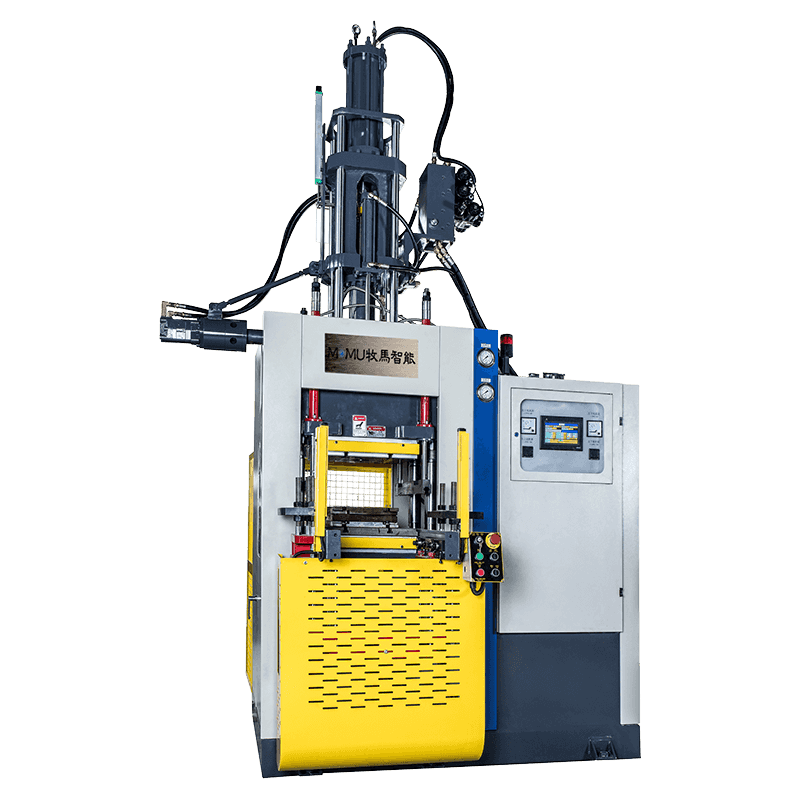
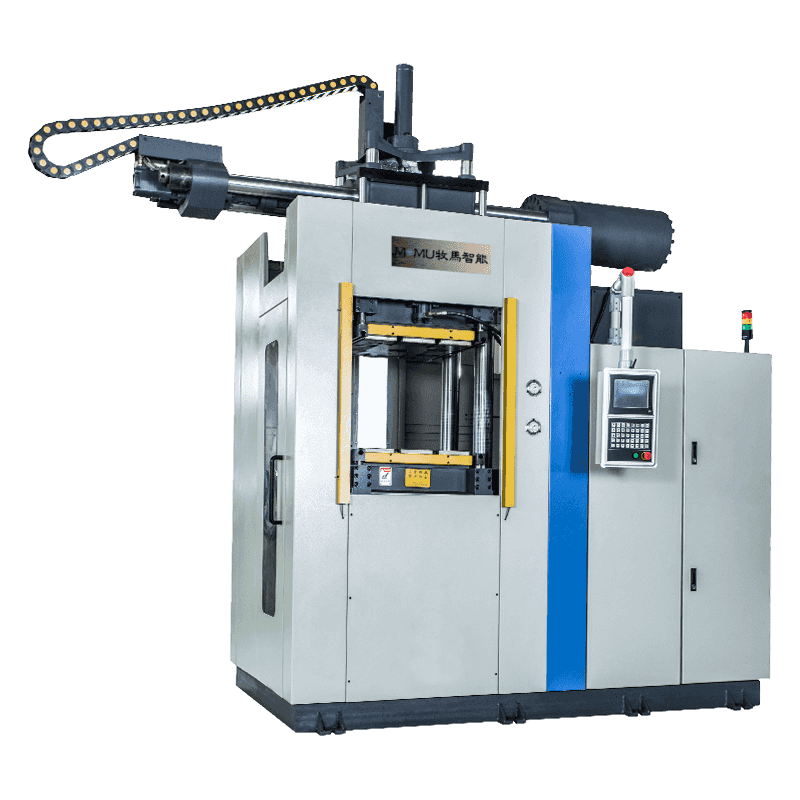
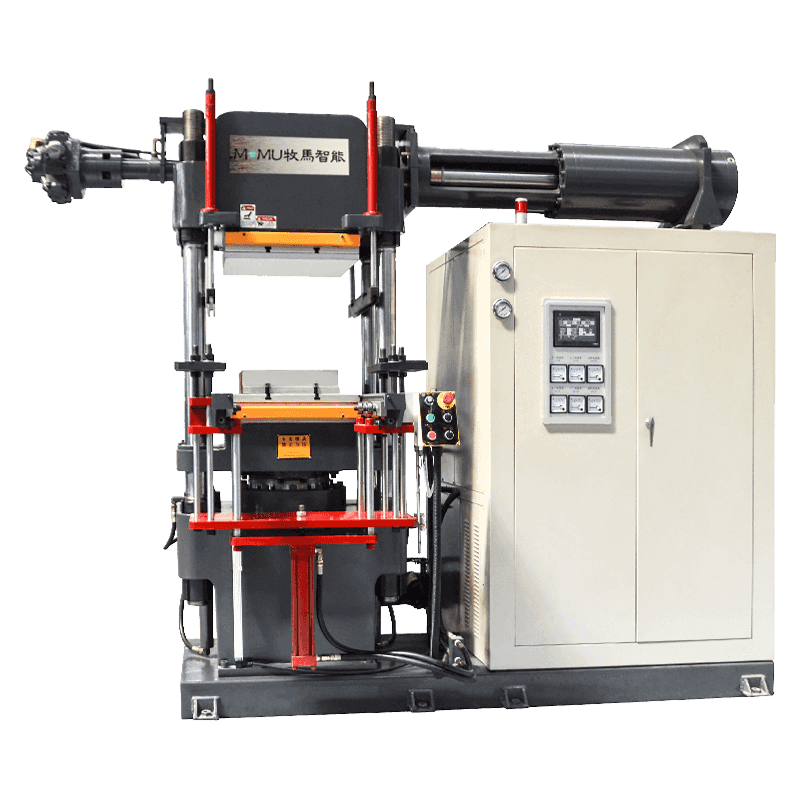
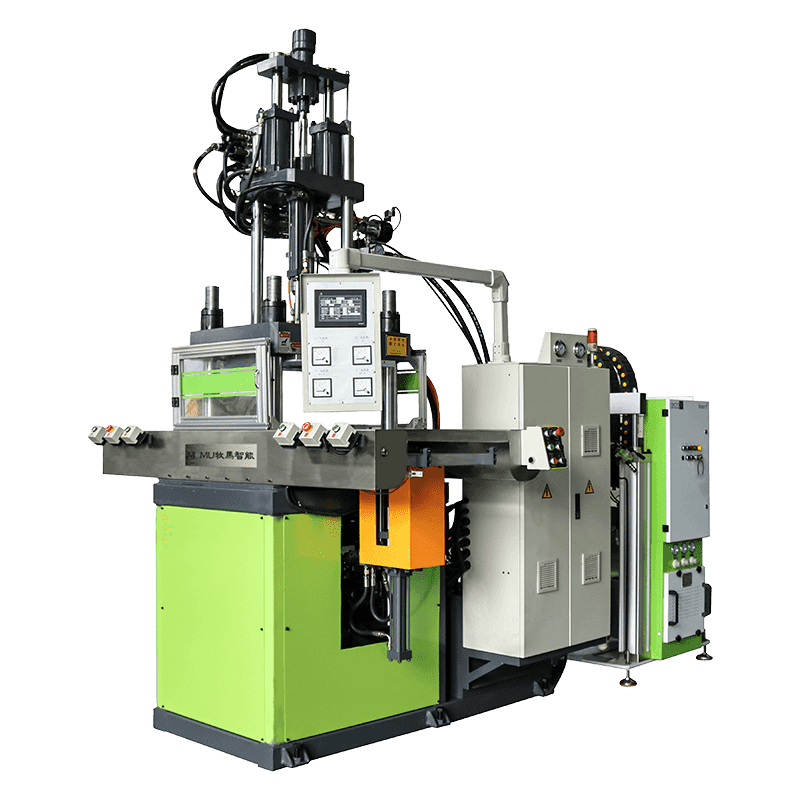
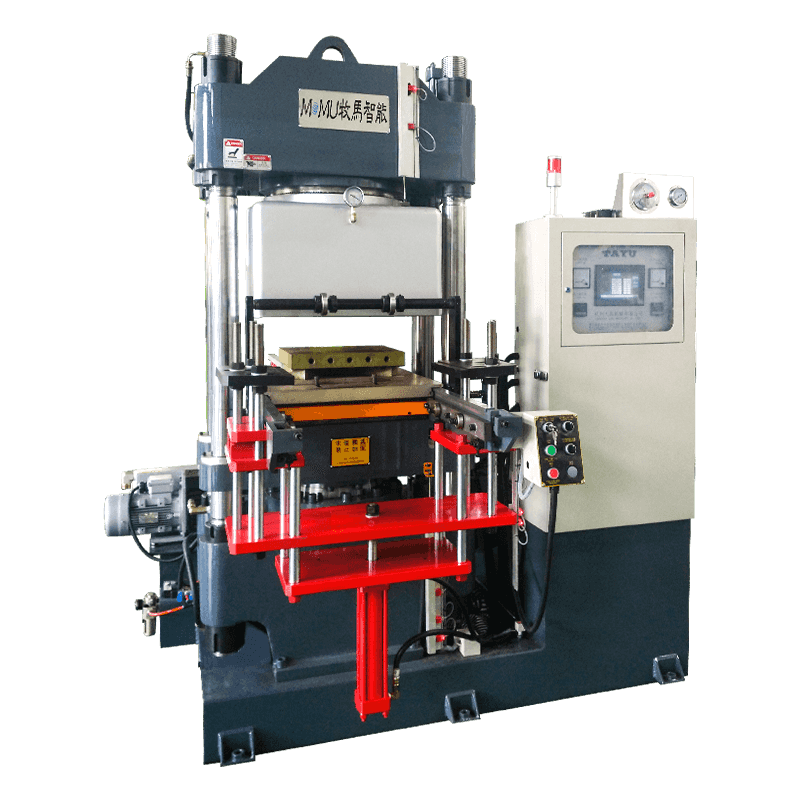
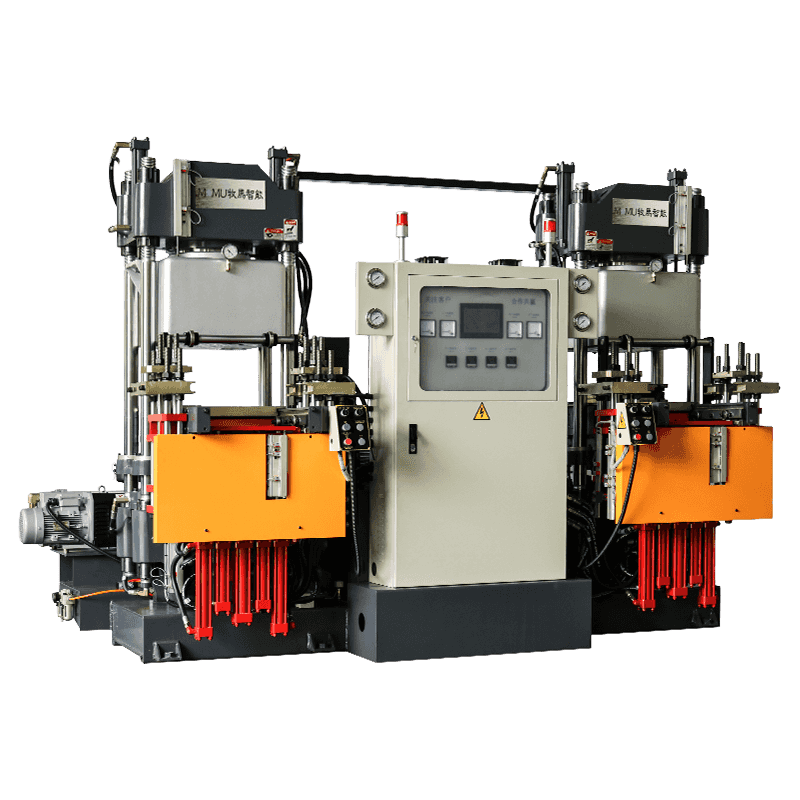
A liquid silicone mold clamping machine plays a critical role in liquid silicone rubber (LSR) manufacturing, directly affecting production efficiency, product quality, and operational stability. Unlike conventional rubber molding equipment, LSR processing requires precise control of clamping force, injection stability, temperature management, and automation. Selecting a machine with the right features ensures consistent molding cycles, reduced material waste, and long-term cost efficiency. This article explores the key features a liquid silicone mold clamping machine should have to support efficient, reliable, and scalable production.
Stable and Precisely Controlled Clamping System
The clamping system is the foundation of any liquid silicone mold clamping machine. LSR materials have low viscosity and flow easily, making them prone to flashing if clamping force is insufficient or unstable. A high-quality machine must deliver consistent and evenly distributed clamping pressure throughout the molding cycle. Precision control ensures the mold remains tightly sealed without excessive force that could damage molds or increase energy consumption.
Advanced clamping systems often use servo-driven or hydraulic-servo hybrid mechanisms. These systems allow fine adjustment of clamping force based on mold size, cavity count, and product geometry. The ability to maintain repeatable clamping accuracy improves part consistency and reduces defect rates, especially in high-cavity or thin-wall silicone products.
High-Precision Injection and Metering Capability
Efficient LSR production depends heavily on accurate injection and metering of silicone components. A liquid silicone mold clamping machine should integrate seamlessly with a precise LSR injection unit that controls shot size, injection speed, and pressure. Even small variations in metering can lead to incomplete filling, air entrapment, or inconsistent mechanical properties in finished parts.
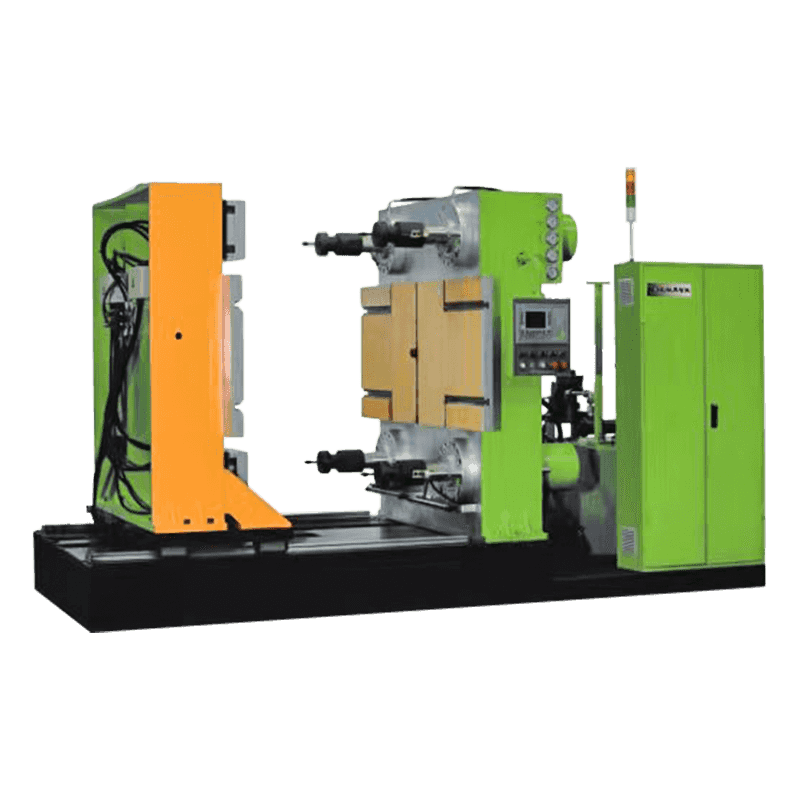
Machines designed for efficient production often support closed-loop control systems that continuously monitor injection parameters. This ensures stable flow of liquid silicone into the mold cavities, improving yield and reducing scrap. For manufacturers producing medical, electronic, or automotive-grade silicone parts, injection accuracy is especially critical to meeting tight tolerances.
Optimized Mold Temperature Control
Temperature control is one of the most important features of a liquid silicone mold clamping machine. LSR cures through heat, and inconsistent mold temperatures can cause uneven curing, surface defects, or dimensional instability. An efficient machine must support uniform heating across all mold zones and maintain stable temperatures throughout continuous production.
Modern machines often include multi-zone temperature control interfaces that allow operators to fine-tune heating parameters for different mold sections. This capability is particularly useful for complex molds or products with varying wall thicknesses. Reliable temperature control shortens curing time, improves cycle efficiency, and enhances overall product quality.
Automation and Intelligent Control System
Automation is a key feature for improving efficiency in liquid silicone molding operations. A well-designed liquid silicone mold clamping machine should be equipped with an intelligent control system that integrates clamping, injection, curing, and demolding processes. Automation minimizes manual intervention, reduces operator error, and ensures consistent cycle times.
Touchscreen HMIs with intuitive interfaces allow operators to set, store, and recall process parameters easily. Advanced systems also support real-time monitoring, alarm notifications, and production data logging. These features help manufacturers optimize processes, troubleshoot issues quickly, and maintain stable output during long production runs.
Fast and Consistent Cycle Time Performance
Cycle time efficiency directly impacts production capacity and unit cost. A liquid silicone mold clamping machine designed for efficiency must support rapid mold opening and closing, synchronized injection, and stable curing cycles. High-speed servo systems and optimized hydraulic circuits help reduce non-productive time without compromising precision.
Consistent cycle times are just as important as fast ones. Variations in cycle performance can lead to inconsistent curing and part quality. Machines with advanced motion control and feedback systems maintain repeatable timing, enabling predictable output and easier production planning.
Material Waste Reduction and Clean Production Design
Liquid silicone materials are relatively expensive, so minimizing waste is essential for cost-effective production. A high-efficiency liquid silicone mold clamping machine should support precise shot control, cold runner compatibility, and optimized mold sealing to reduce flash and excess material.
Clean production design is also important, particularly for medical, baby care, and food-contact silicone products. Machines with enclosed clamping areas, smooth surfaces, and easy-to-clean structures help maintain hygienic production environments and comply with industry standards.
Flexible Mold Compatibility and Adaptability
Production efficiency improves when a machine can accommodate different molds and product types with minimal changeover time. A versatile liquid silicone mold clamping machine should support various mold sizes, thicknesses, and cavity configurations. Adjustable platen spacing and modular clamping designs make it easier to adapt to changing production requirements.
This flexibility is especially valuable for manufacturers serving multiple industries or producing customized silicone parts. Quick mold change capabilities reduce downtime and allow faster response to new orders or design changes.
Energy Efficiency and Operating Cost Control
Energy consumption is a major consideration in long-term production efficiency. Modern liquid silicone mold clamping machines often use servo-driven systems that consume power only when motion is required. Compared to traditional hydraulic systems, servo technology significantly reduces electricity usage and heat generation.
Lower energy consumption not only reduces operating costs but also improves machine stability by minimizing thermal fluctuations. For manufacturers running continuous or high-volume production, energy-efficient machines offer clear economic and environmental advantages.
Safety Features and Operator Protection
An efficient production environment must also be a safe one. A reliable liquid silicone mold clamping machine should include comprehensive safety features such as light curtains, emergency stop systems, pressure monitoring, and safety interlocks. These features protect operators while allowing smooth, uninterrupted production.
Well-designed safety systems reduce the risk of accidents and equipment damage, contributing to stable long-term operation. When safety and efficiency are integrated effectively, production lines can run at optimal speed with confidence.
Ease of Maintenance and Long-Term Reliability
Maintenance efficiency has a direct impact on machine uptime and overall productivity. A liquid silicone mold clamping machine designed for efficient production should feature accessible components, clear maintenance layouts, and durable mechanical structures. Easy access to clamping units, hydraulic systems, and control components simplifies routine inspection and servicing.
Long-term reliability reduces unplanned downtime and extends equipment lifespan. Machines built with high-quality materials and proven control systems provide stable performance even under demanding production conditions, making them a valuable long-term investment.
Conclusion: Aligning Machine Features with Production Goals
Choosing the right liquid silicone mold clamping machine is essential for achieving efficient, high-quality LSR production. Key features such as precise clamping control, accurate injection, stable temperature management, automation, and energy efficiency work together to improve productivity and reduce costs. By focusing on practical performance characteristics rather than generic specifications, manufacturers can select equipment that truly supports their production goals.
A well-equipped liquid silicone mold clamping machine not only improves current output but also provides the flexibility and reliability needed to scale operations in the future. Investing in the right features ensures consistent product quality, efficient workflows, and long-term competitiveness in the liquid silicone molding market.