Search
 English
 中文简体
中文简体 Español
Content
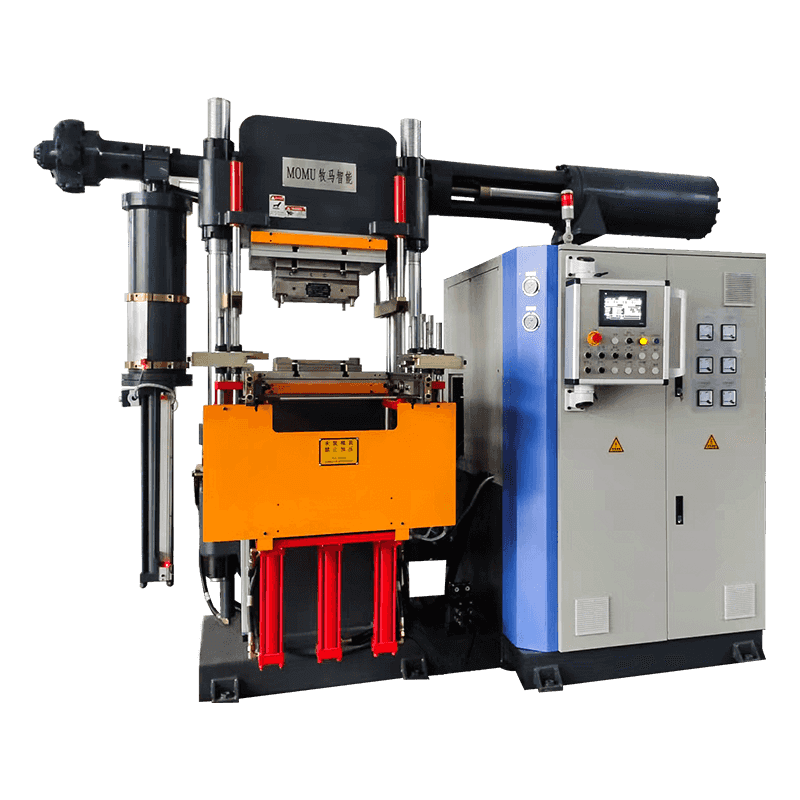
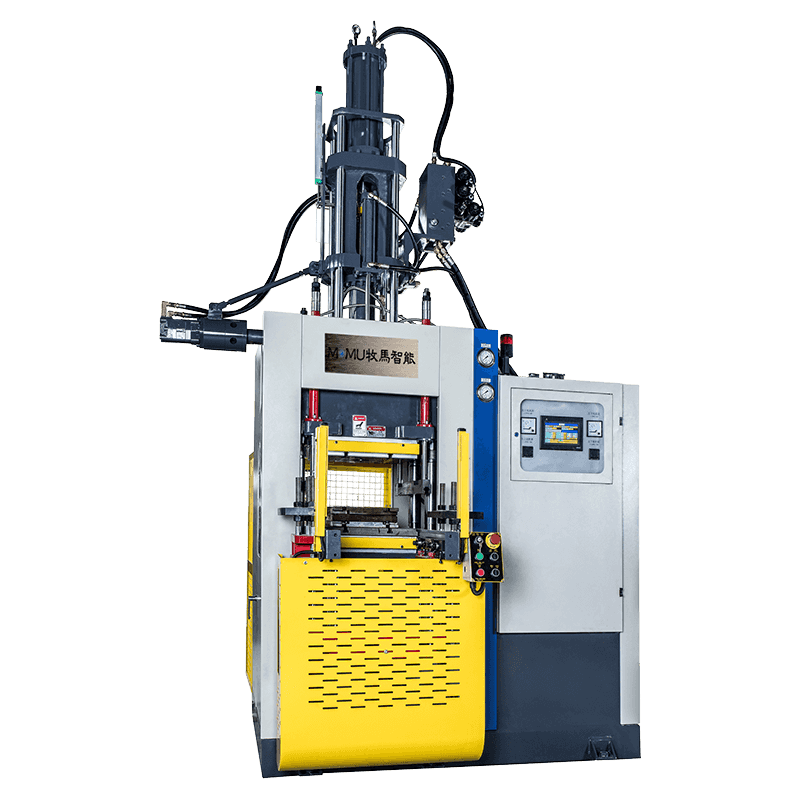
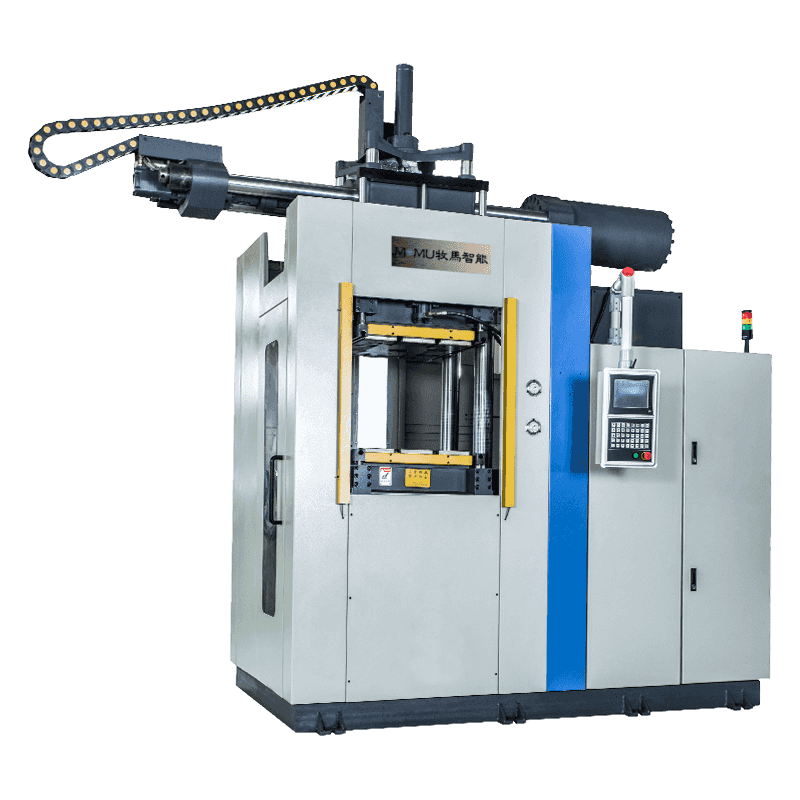
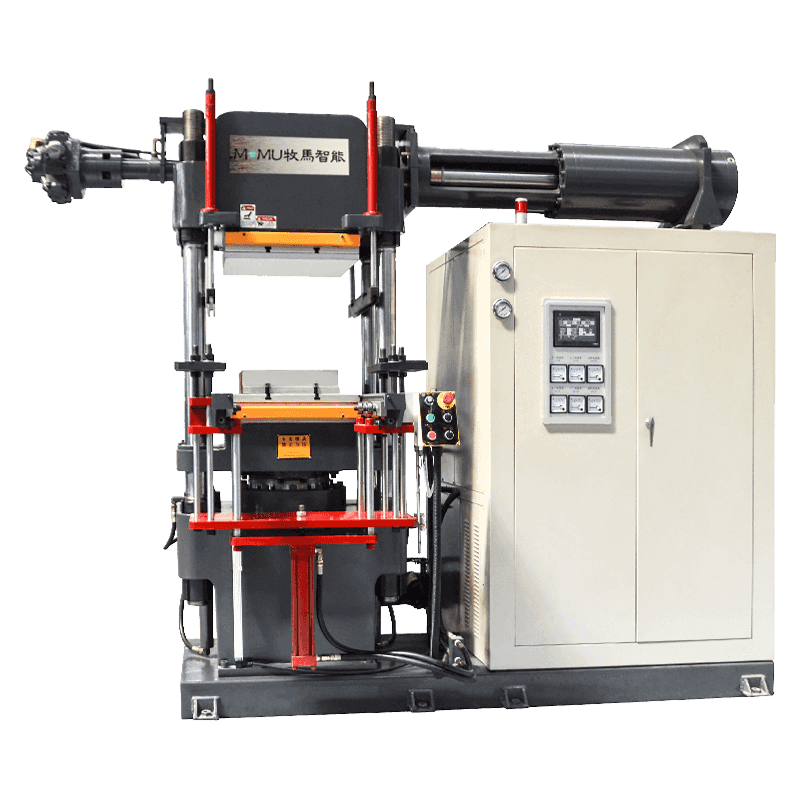
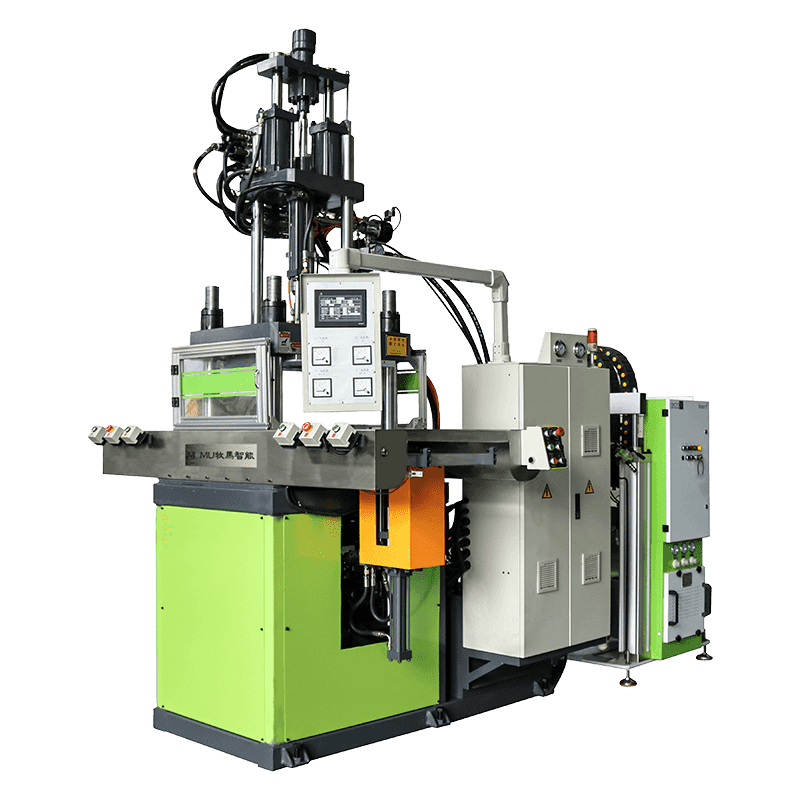
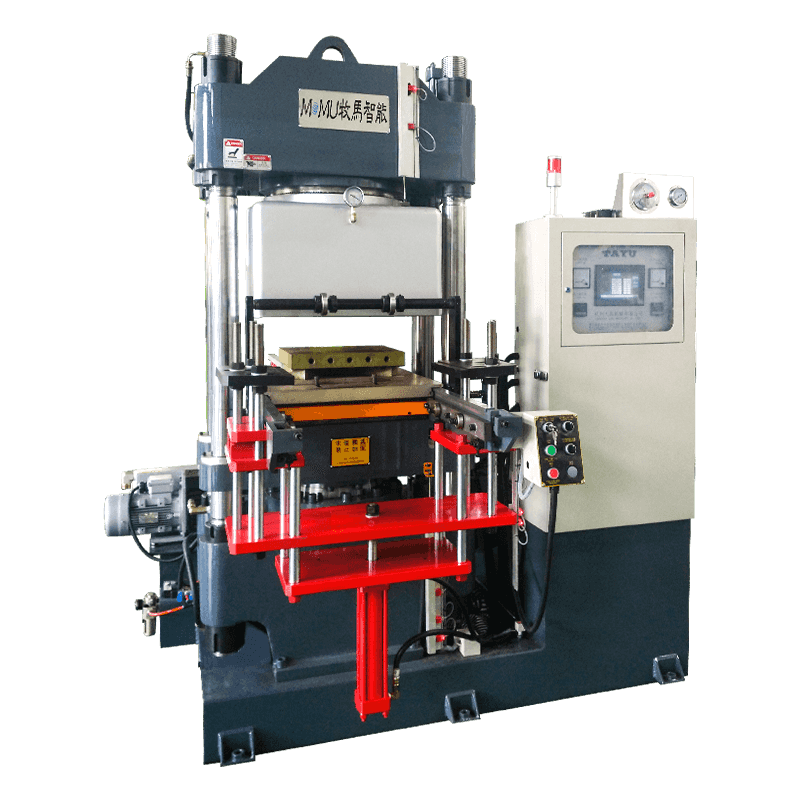
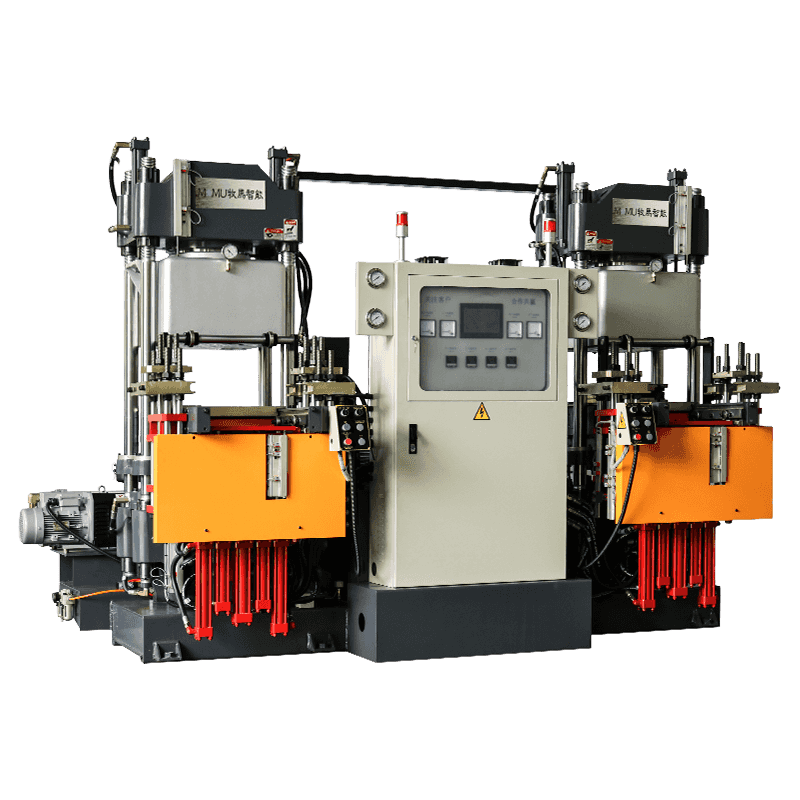
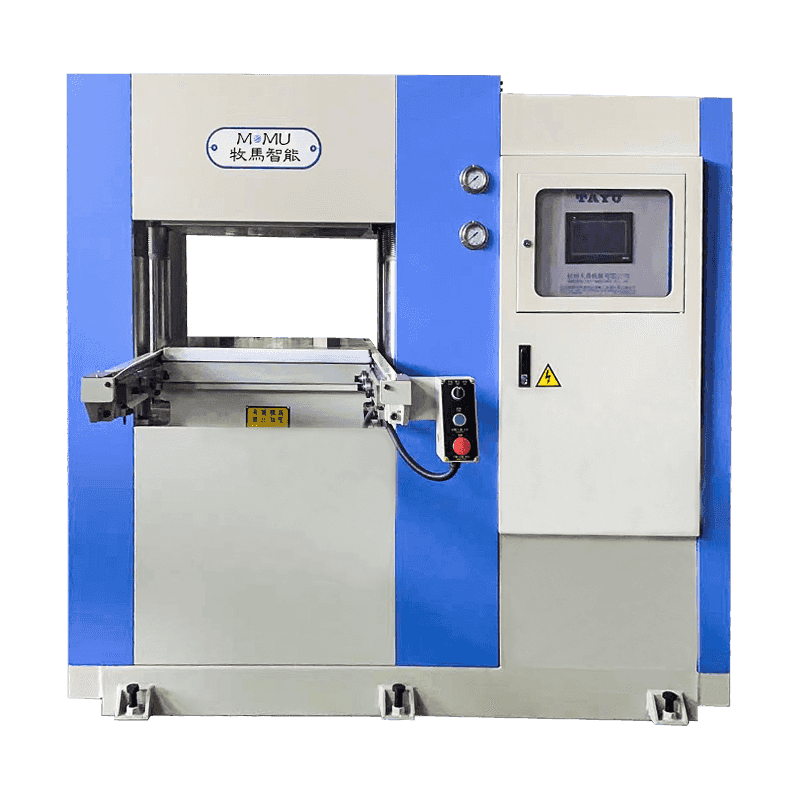
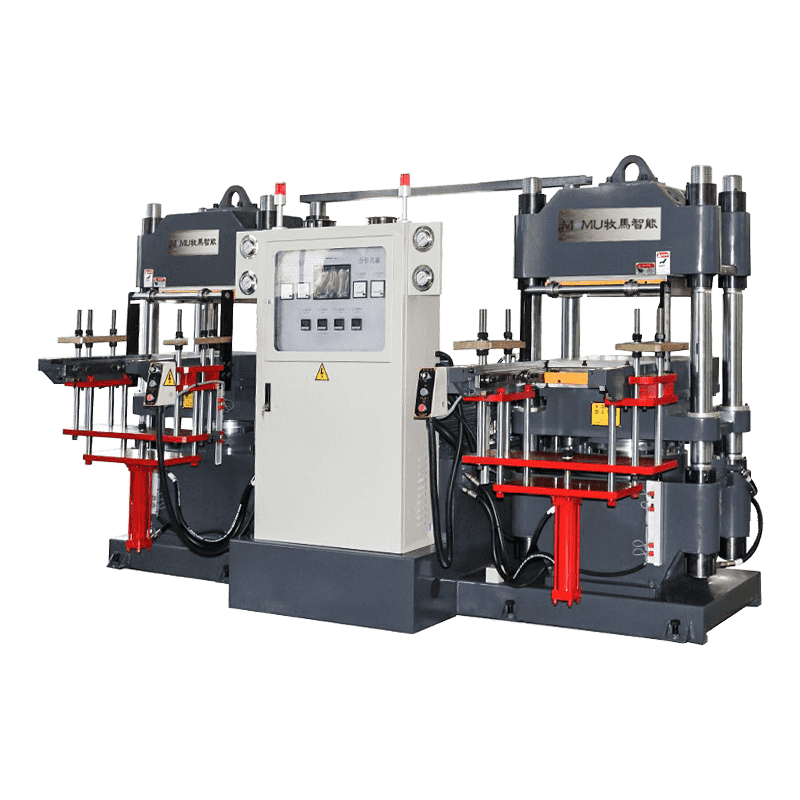
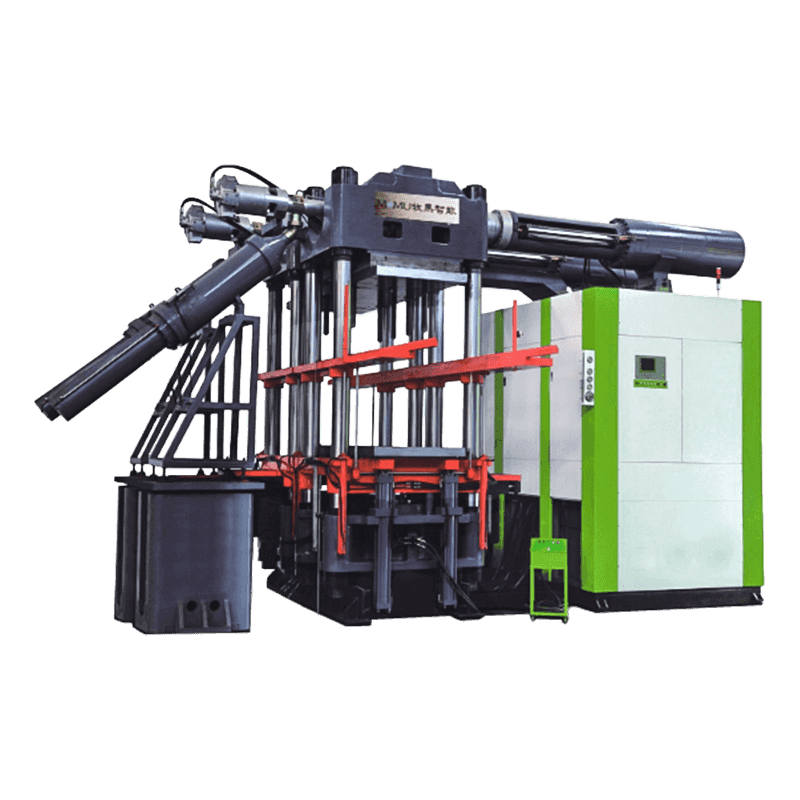
Liquid silicone mold clamping machines are specialized equipment used in the precision molding of liquid silicone rubber (LSR) products. Designed to provide stable clamping force, precise temperature control, and accurate mold alignment, these machines are essential in industries such as medical devices, automotive parts, kitchenware, and electronics, where high-quality silicone components are required.
These machines combine mechanical and hydraulic systems with advanced control software to optimize injection, curing, and ejection processes. By maintaining consistent pressure and temperature, they ensure uniform product quality, reduce material waste, and improve production efficiency.
Key Features and Technical Advantages
Liquid silicone mold clamping machines offer a range of features that improve accuracy, efficiency, and versatility in silicone molding.
High Clamping Force
The machine provides a strong and adjustable clamping force, preventing mold separation during injection. This ensures precise product dimensions and eliminates flash formation, which is crucial for high-tolerance silicone components.
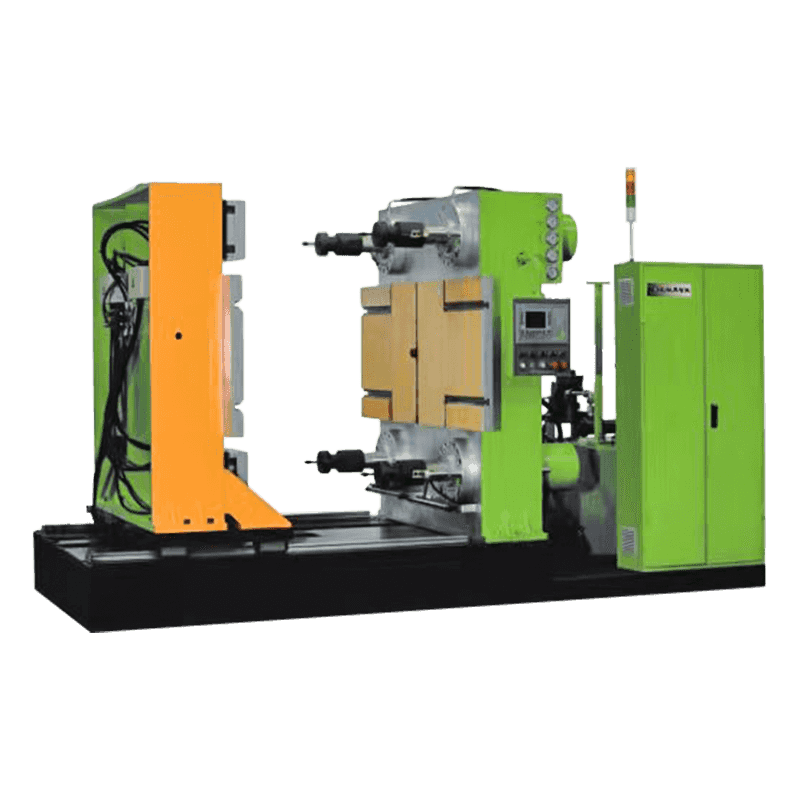
Temperature and Pressure Control
Integrated heating and cooling systems allow precise mold temperature management. Combined with controlled injection pressure, this ensures consistent curing, optimal flow, and improved surface finish of silicone parts.
Automated Operation and Programmability
Modern machines feature programmable logic controllers (PLC) and touch screen interfaces. Operators can set injection speed, pressure profiles, clamping duration, and temperature sequences, reducing human error and enabling repeatable production for complex parts.
Safety and Reliability
These machines are equipped with safety interlocks, emergency stop functions, and protective enclosures. Mechanical and hydraulic components are designed for durability, ensuring reliable performance even under continuous production conditions.
Applications Across Industries
Liquid silicone mold clamping machines are widely used in industries that demand precision, high-quality surface finish, and reliable silicone components.
Medical Devices
Used to produce syringes, tubing connectors, seals, and implants, these machines ensure hygienic molding with minimal contamination. Precise clamping prevents flash and ensures tight dimensional tolerances critical for medical safety standards.
Automotive Components
They manufacture gaskets, seals, O-rings, and vibration-dampening parts. Controlled pressure and temperature maintain elasticity, durability, and precise fit, which are essential for automotive performance and safety.
Consumer Electronics
Components like silicone buttons, protective casings, and connectors benefit from high repeatability and surface finish. Automated clamping ensures consistent thickness, flexibility, and aesthetic appeal.
Kitchenware and Household Products
Silicone baking molds, spatulas, and seals are produced efficiently, with uniform thickness, smooth surfaces, and excellent thermal resistance, thanks to precise clamping and injection control.
Efficiency and Productivity Considerations
Maximizing the performance of liquid silicone mold clamping machines requires understanding operational parameters, mold design, and material behavior.
- Optimizing clamping force prevents flash and ensures dimensional accuracy
- Adjusting injection speed and pressure profiles improves filling and reduces defects
- Maintaining precise mold temperature ensures consistent curing and surface finish
- Using automation and programmable sequences reduces cycle time and operator error
Maintenance and Longevity
Routine maintenance ensures optimal performance and extends the lifespan of liquid silicone mold clamping machines.
- Regular lubrication of hydraulic and mechanical components to prevent wear
- Periodic inspection of clamping plates and alignment mechanisms to maintain precision
- Software updates and backup of control programs to ensure consistent production
- Monitoring hydraulic pressure and temperature sensors to prevent unexpected downtime
Comparison with Other Silicone Molding Methods
Liquid silicone mold clamping machines provide advantages over manual or semi-automatic molding processes, particularly in precision, consistency, and production efficiency.
| Feature | Manual Molding | Semi-Automatic | Clamping Machine |
| Precision | Low | Moderate | High |
| Cycle Time | Long | Medium | Short |
| Consistency | Variable | Moderate | High |
| Material Waste | High | Moderate | Low |
Tips for Optimal Use
To maximize efficiency and product quality, consider the following best practices:
- Select molds with precise alignment and uniform wall thickness to reduce stress points
- Maintain consistent temperature and pressure throughout the production cycle
- Use clean, high-quality liquid silicone to prevent contamination and defects
- Regularly calibrate sensors and hydraulic systems for repeatable accuracy
Conclusion
Liquid silicone mold clamping machines are essential for high-precision, high-efficiency silicone molding applications. Their combination of adjustable clamping force, precise temperature control, and automation ensures consistent quality, minimal waste, and optimized production cycles.
By understanding operational principles, maintenance practices, and best usage tips, manufacturers can fully leverage these machines to produce medical, automotive, electronic, and household silicone components with exceptional reliability and repeatability.