Search
 English
 中文简体
 Español

Content
- 1 What FIFO Actually Means in a Rubber Injection Unit
- 2 Why It Matters More for Rubber Than for Plastics
- 3 FIFO Versus Conventional: A Side-by-Side View
- 4 What Separates a Good Supplier From a Catalogue
- 5 Questions Worth Asking Before You Sign
- 6 Matching the Machine to the Parts You Make
- 7 Cost, Lead Time and the Long View
If you are comparing rubber injection molding machine suppliers, you have probably seen the term FIFO appear in spec sheets and brochures with very little explanation attached. It looks like a small detail buried between clamp force and shot size. In practice, it is one of the clearest signals of how seriously a machine builder has thought about rubber as a material rather than as a variation of plastic.
We have been building rubber and silicone molding equipment in Huzhou since 2016, and the conversations we have with buyers rarely begin with screw geometry. They begin with a part, a compound, a cycle time and a delivery date. FIFO only becomes interesting once you connect it to those four things, and that is exactly the order in which this article treats it.
What FIFO Actually Means in a Rubber Injection Unit
FIFO stands for first in, first out. It describes the path the compound takes through the plasticizing and injection unit. In a FIFO design, the material that entered the unit first is also the material that leaves it first, with as little stagnation as possible along the way.
In a conventional injection unit, compound can linger in the barrel or in an accumulator chamber while fresh material is pushed in behind it. The portion that sits longest also absorbs the most heat, and in a rubber compound that has already been mixed with curatives, heat is time on the cure clock. A FIFO unit is arranged so that the flow through the screw and plunger is continuous and sequential, which keeps residence time short and, just as importantly, predictable.
When you look at a machine, these are the design features worth asking about:
- A straight-through material path with no large dead zones in the barrel or nozzle area
- A screw and plunger arrangement that discharges the oldest compound before fresh compound
- Temperature control zones that hold the compound comfortably below its scorch point
- Residence time that stays consistent from a small shot to a full shot
- A purging routine that clears the unit quickly during compound or colour changes
Why It Matters More for Rubber Than for Plastics
Plastics are processed by melting, and a plastic that spends an extra minute in the barrel usually just gets a little hotter. Rubber compounds behave differently. They are reactive systems, and once the curatives are in the mix, the compound is already on a slow countdown. Hold it at elevated temperature and it begins to scorch, viscosity rises, flow becomes uneven, and the defect shows up later as a short shot, a weld line or a patch of vulcanized material in the runner.
Filled compounds make this harder still. Carbon black, mineral fillers and flame retardants increase shear heating inside the injection unit, so the temperature the compound actually experiences can be noticeably higher than the set point. Silicone compounds are more forgiving in some respects but are still shear sensitive, and translucent grades have no patience at all for material that has been sitting and discolouring.
A compound that has spent ten minutes at 85 °C in the barrel is not the same compound that went in. FIFO is essentially a mechanical answer to that problem.
FIFO Versus Conventional: A Side-by-Side View
The differences are easiest to see when they are laid out against each other. The comparison below is a general one; the exact behaviour of any machine depends on its design, its temperature control and the compound being run.
| Aspect | Conventional injection unit | FIFO injection unit |
|---|---|---|
| Material residence time | Longer and less predictable, varies with shot size | Short and consistent across the shot range |
| Scorch risk | Higher, especially during pauses and slow cycles | Lower, because compound is not held in a heated pocket |
| Compound and colour changes | More purging, more waste per changeover | Faster clean-out and less material discarded |
| Temperature consistency | Can drift between shots | More uniform from shot to shot |
| Cleaning and downtime | Accumulated material may need manual removal | Simpler routine cleaning |
| Typical fit | Simple parts, tolerant compounds, long runs | Precision parts, scorch-sensitive compounds, frequent changes |
Neither column is universally better. The right answer depends on your compound, your part tolerance and how often your production mix changes. A supplier who tells you FIFO is always necessary, or never necessary, is not really listening to the application.
What Separates a Good Supplier From a Catalogue
Search results for FIFO rubber injection molding machine suppliers tend to look alike: similar photographs, similar specification tables, similar claims about precision. The differences appear once you start asking how decisions were made.
Engineering dialogue before the quotation
A serious supplier asks about your compound first. Scorch time, hardness, filler content, shot weight and required cycle all shape the recommendation. If the first reply is a price list with no questions attached, treat that as information about how the relationship will go after the machine arrives.
Build quality you can inspect
Clamp rigidity, platen parallelism, hydraulic sealing, the quality of the electrical and hydraulic components, and the neatness of the wiring all matter more than a polished brochure. Ask which components are imported and which are local, and ask why each choice was made. Good builders answer that question comfortably.
Range and configuration fit
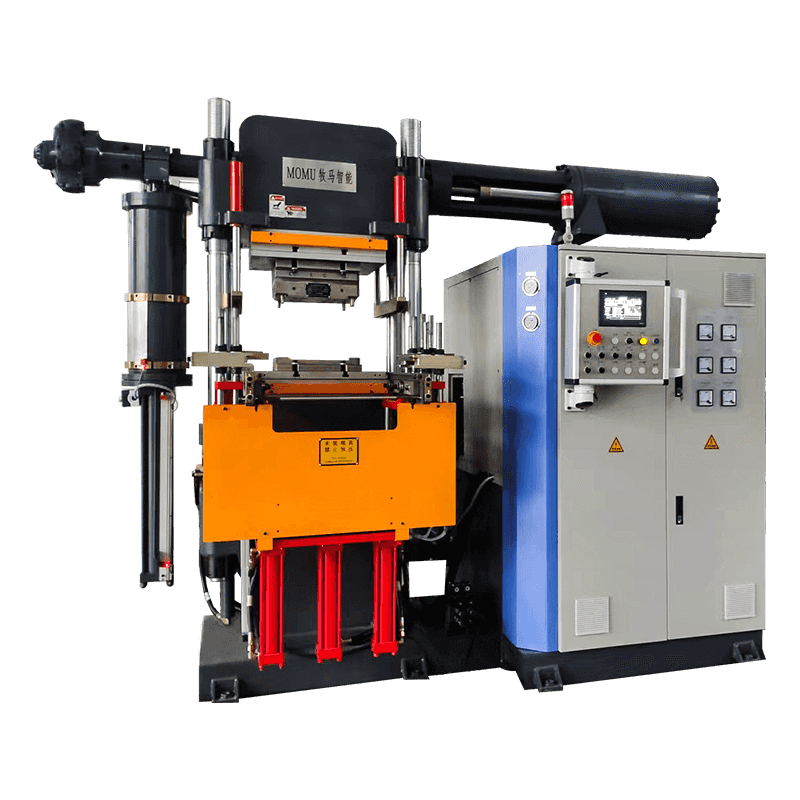
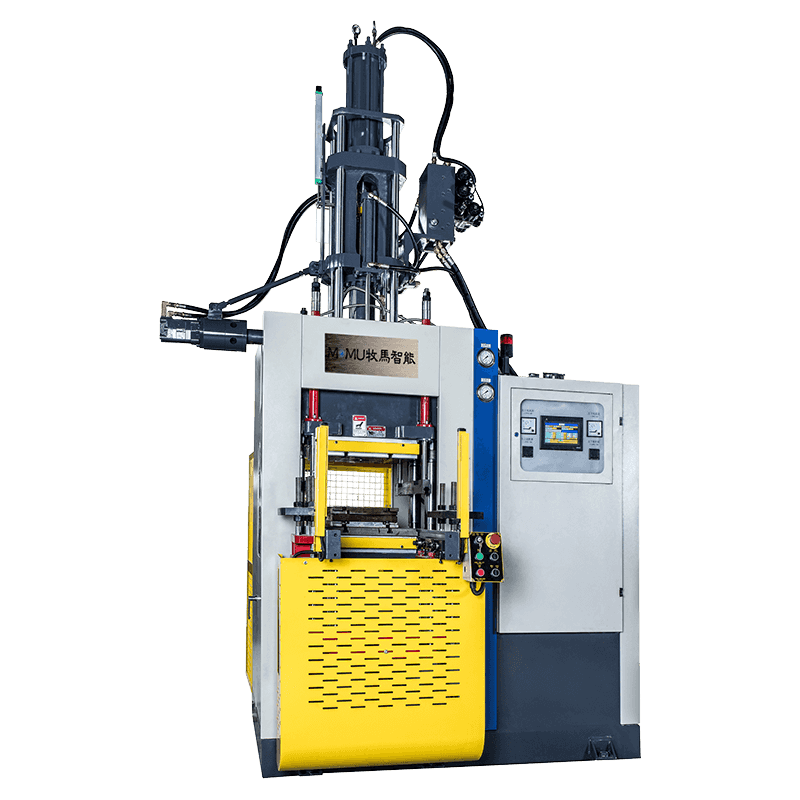
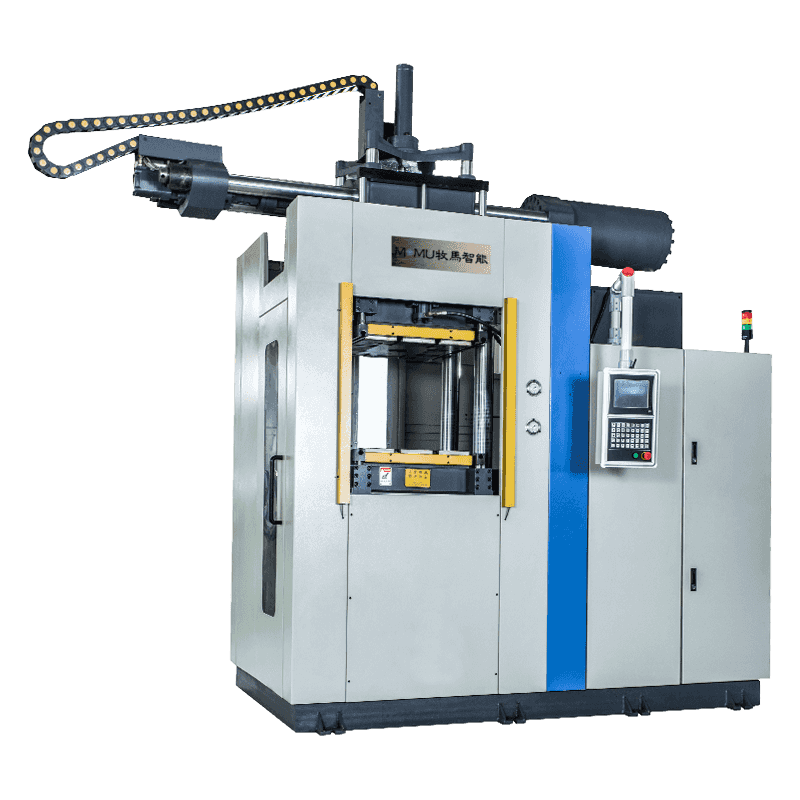
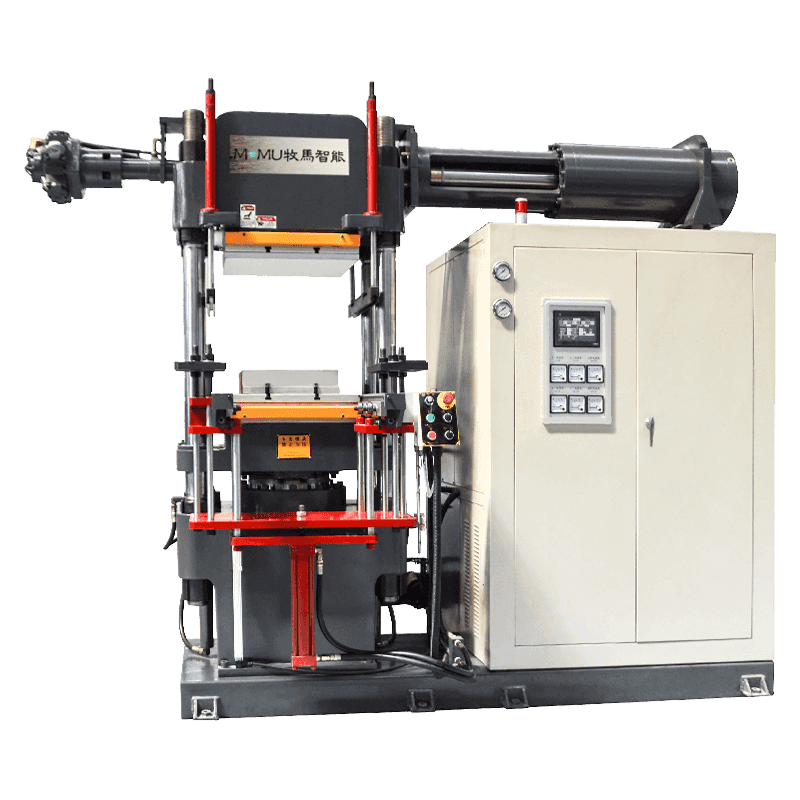
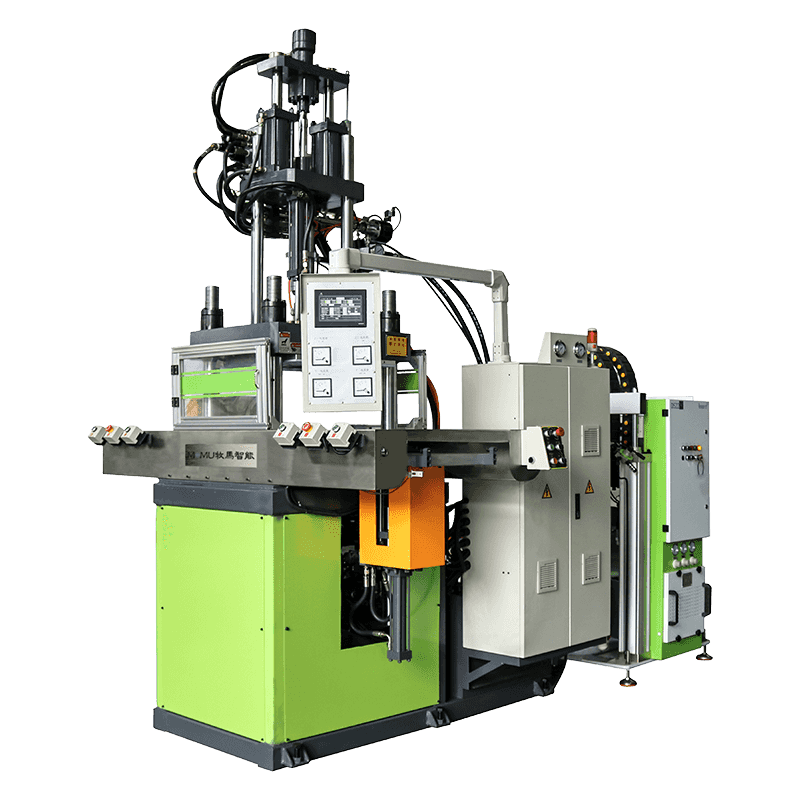
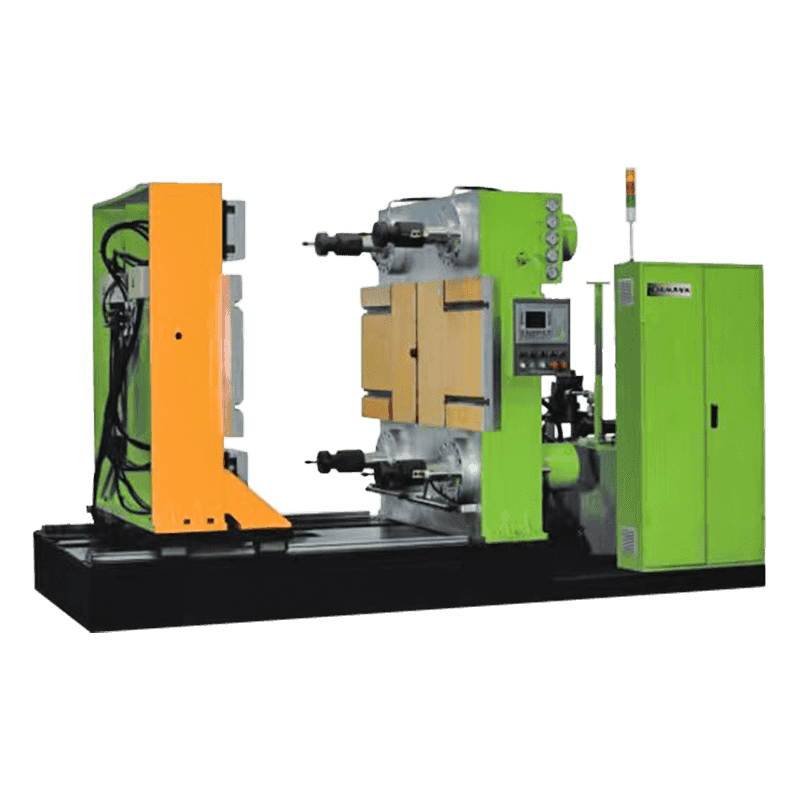
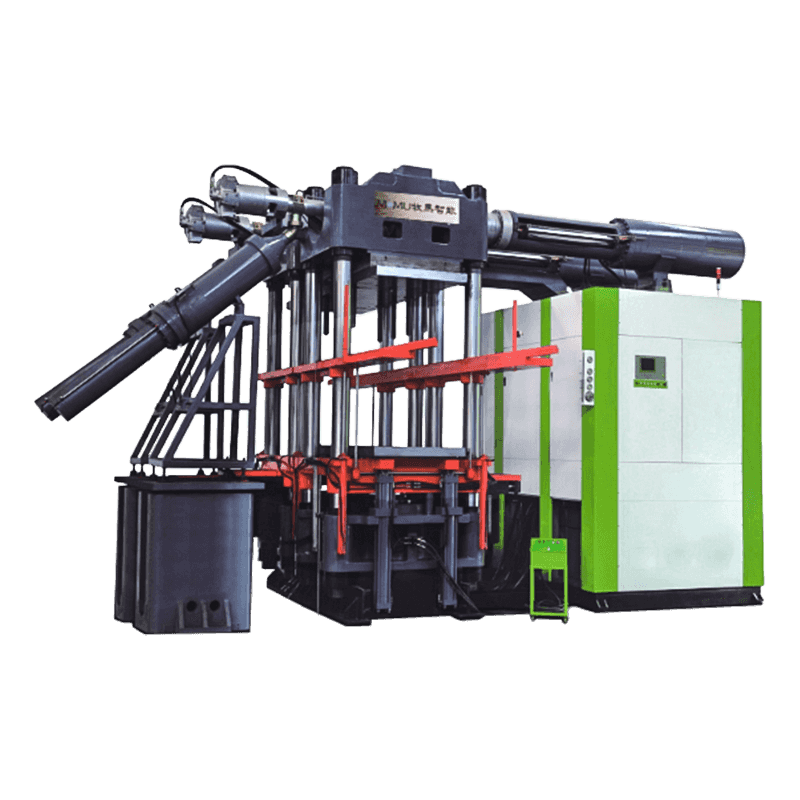
FIFO injection units appear in horizontal, vertical and angle configurations, and each layout suits different parts and different factory footprints. A supplier with a narrow range will tend to shape your requirement to fit what they sell. A supplier with a broader range can tell you honestly when a simpler machine would do the job.
Service, spares and response
Rubber machines run hot and run hard. Ask how spare parts are stocked, how quickly a technician can reach you, what remote support is available, and whether training is included for setters and maintenance staff. Response time is a specification too, even if it never appears in the table.
Questions Worth Asking Before You Sign
A short list, drawn from the conversations that tend to save buyers the most trouble later:
- What residence time does the injection unit give at our smallest and largest shot weights?
- How is barrel temperature controlled, and how many zones are there?
- What is the actual scorch margin for our compound on this machine?
- Which hydraulic, electrical and sealing components are imported, and which are not?
- How long does a compound or colour change take, and how much material is lost?
- What is the demonstrated repeatability of shot weight over a production shift?
- What training is included, and in what language is the documentation written?
- How are spare parts supplied after the warranty period ends?
Matching the Machine to the Parts You Make
FIFO units earn their cost in different ways depending on the product. For oil seals and small precision rubber parts, the benefit is shot-to-shot consistency and fewer scorch rejects. For sealing strip corners and other profile work, it is faster changeover and less waste during purging. For silicone insulators and hollow casings, it is stable temperature control on a shear-sensitive compound with a long flow path.
Part size also drives the layout decision. Small parts often favour a vertical or angle configuration where inserts are easy to load and the clamp is accessible. Larger, flatter parts usually point toward a horizontal machine with a wider platen. Shot size, clamp force, injection pressure and plasticizing capacity should all be sized against the part rather than against the nearest model in a catalogue.
The most useful thing you can bring to a supplier conversation is a real part drawing, a compound data sheet and a target cycle time. With those three in hand, a good engineer can tell within a short conversation whether a FIFO injection unit is genuinely the right choice or whether a standard unit would serve you better and cost less.
Cost, Lead Time and the Long View
Purchase price is the easiest number to compare and the least informative one. A FIFO machine that reduces scorch scrap by a few percent, or cuts changeover time on a high-mix production schedule, can repay its premium well within the first year. Conversely, paying for FIFO capability on a single compound running a stable, tolerant part may simply be money that could have gone into automation or tooling.
Ask about energy consumption, hydraulic oil care, expected downtime for routine maintenance and the real cost of the consumables the machine uses. Ask what lead time is quoted and what lead time is realistic, including tooling and commissioning. Then ask what happens in year three, when a seal kit is needed and production cannot wait.
Choosing among FIFO rubber injection molding machine suppliers comes down to a fairly human process. The machine matters, of course, and its injection unit, clamp, controls and build quality all deserve close attention. But the supplier behind it determines how smoothly the machine is specified, installed, learned and kept running over the years that follow.
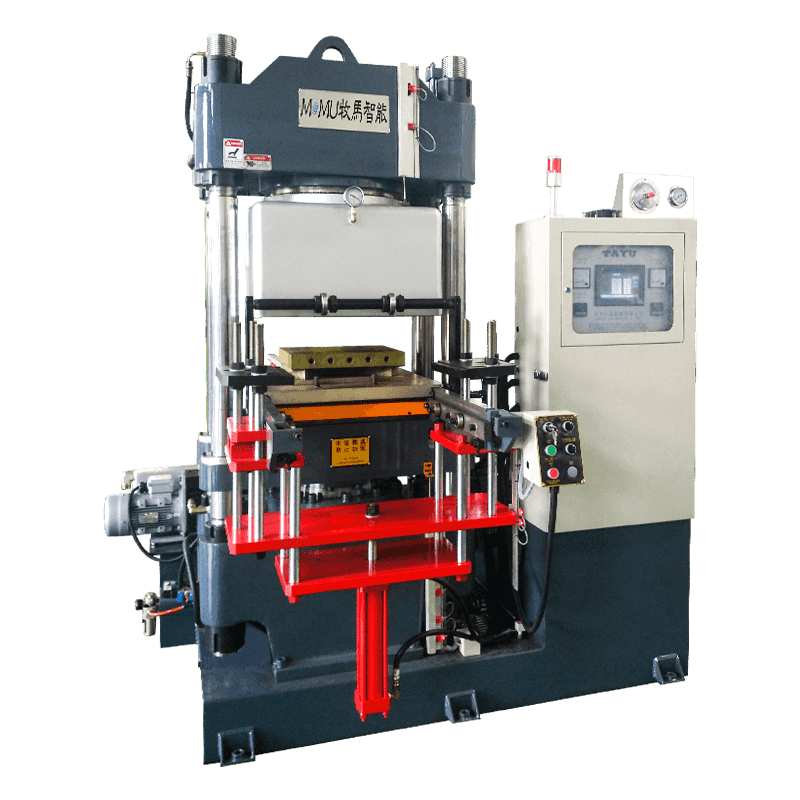
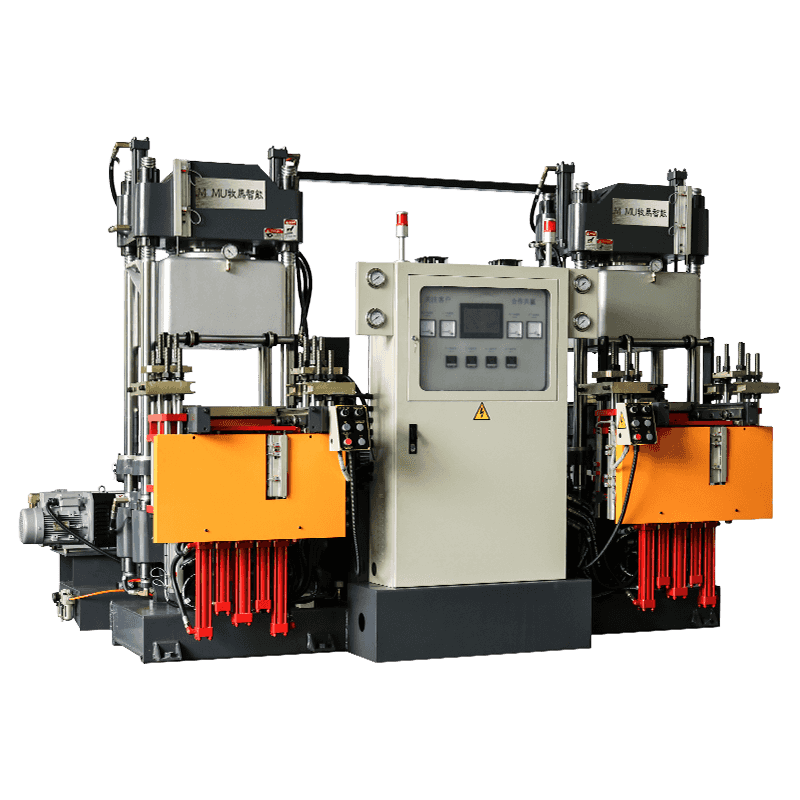
As a manufacturer, we build FIFO rubber and silicone injection machines in horizontal, vertical and angle configurations alongside our compression, vacuum vulcanizing and special-purpose lines, and we would rather have an honest conversation about your part than send a quotation into silence. Bring the drawing, the compound and the cycle time. The rest usually follows.