Search
 English
 中文简体
 Español

Content
- 1 What FIFO Means on a Rubber Injection Machine
- 2 Why the Supplier Matters as Much as the Specification
- 3 The Core Specs to Compare Before You Shortlist Suppliers
- 4 Questions That Reveal a Supplier’s Real Experience
- 5 Match the Machine to Your Plant, Not Just the Brochure
- 6 Where FIFO Pays Back Fastest
- 7 Price, Lead Time, and the Cost You Do Not See
- 8 Red Flags When Screening Suppliers
- 9 A Simple Shortlisting Process
- 10 How Momu Approaches FIFO Machine Supply
Searching for FIFO rubber injection molding machine suppliers usually starts with a simple goal: find a machine that keeps material moving, keeps cure consistent, and keeps scrap under control. The hard part is that “FIFO” appears on many datasheets, while the real difference sits in the flow path, temperature control, service support, and the supplier’s willingness to understand your compound. This guide is for buyers who want to compare suppliers on substance rather than slogans.
What FIFO Means on a Rubber Injection Machine
FIFO stands for first in, first out. In a properly designed rubber injection machine, compound enters the barrel, moves through the heating and plasticizing zones in sequence, and leaves in the same order. Material that arrived first is injected first. That sounds simple, but rubber compounds are heat-sensitive. When material sits in a corner or dead spot, it can begin to scorch, cure unevenly, or change viscosity before it reaches the mold.
A FIFO flow path is not just a screw shape. It is a combination of barrel geometry, feeding control, temperature zoning, injection pressure, and cycle logic. A supplier that treats FIFO as a label, rather than a process, will struggle when your compound changes or your shot size moves outside a narrow window.
Why the Supplier Matters as Much as the Specification
Two suppliers can quote the same clamping force, shot weight, and screw diameter and still deliver very different results. The machine is a system: feeding, plasticizing, injection, mold protection, safety, and controls all interact. A good supplier asks about compound hardness, cure system, part thickness, insert loading, cycle time, and rejection history before recommending a model. A catalog-only supplier may simply match a price to a tonnage.
That difference shows up during commissioning. Rubber processing has many variables that do not appear in a brochure, from scorch safety to mold temperature balance. A supplier with process experience can help your team set a stable window instead of leaving it to guesswork.
The Core Specs to Compare Before You Shortlist Suppliers
Use a like-for-like comparison. The table below covers the points that tend to matter most when the machine reaches your plant.
| Evaluation area | What to check | Why it matters |
|---|---|---|
| Flow path and residence time | Ask for a flow diagram and an explanation of low-shot and high-shot behavior | Shows whether FIFO is designed, not just named |
| Shot size vs. mold layout | Check shot capacity against part volume, runner, and cure time | An oversized or undersized shot can hurt consistency |
| Temperature control | Review zone count, sensor placement, and cooling stability | Heat history drives scorch risk and cure quality |
| Control and traceability | Look for recipe storage, alarm history, and injection curve data | Supports repeatability and faster troubleshooting |
| Spares and service | Confirm local stock, response time, and support for imported components | Downtime is the cost you feel after the invoice |
| Trial and validation | Request a material trial, samples, a report, and operator training | Confirms the machine works with your compound |
Questions That Reveal a Supplier’s Real Experience
Before you invite a supplier to quote, ask a few questions that go beyond the specification sheet.
- Can you show the FIFO path and explain how residence time is controlled at both low and high shot weights?
- What happens to the compound during a short stop, a lunch break, or a weekend shutdown?
- Which rubber and silicone compounds have you run, and what trial data can you share without exposing confidential formulas?
- How do you size the screw, barrel, and injection unit for our shot weight, cure time, and mold layout?
- Which hydraulic, electrical, and sealing components are imported, and what spare parts will we need in the first two years?
- What is included in commissioning, operator training, and process documentation?
- How do you handle warranty claims and remote support in our region?
Answers to these questions tell you more than a glossy catalog. A supplier that can walk through material behavior, shutdown recovery, and spare parts planning is usually a safer partner.
Match the Machine to Your Plant, Not Just the Brochure
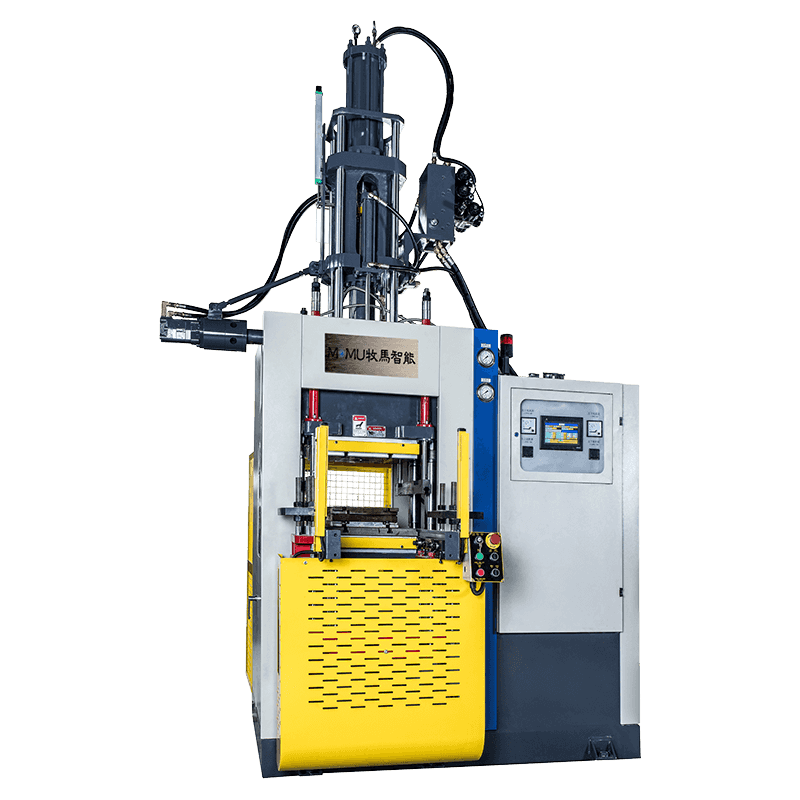
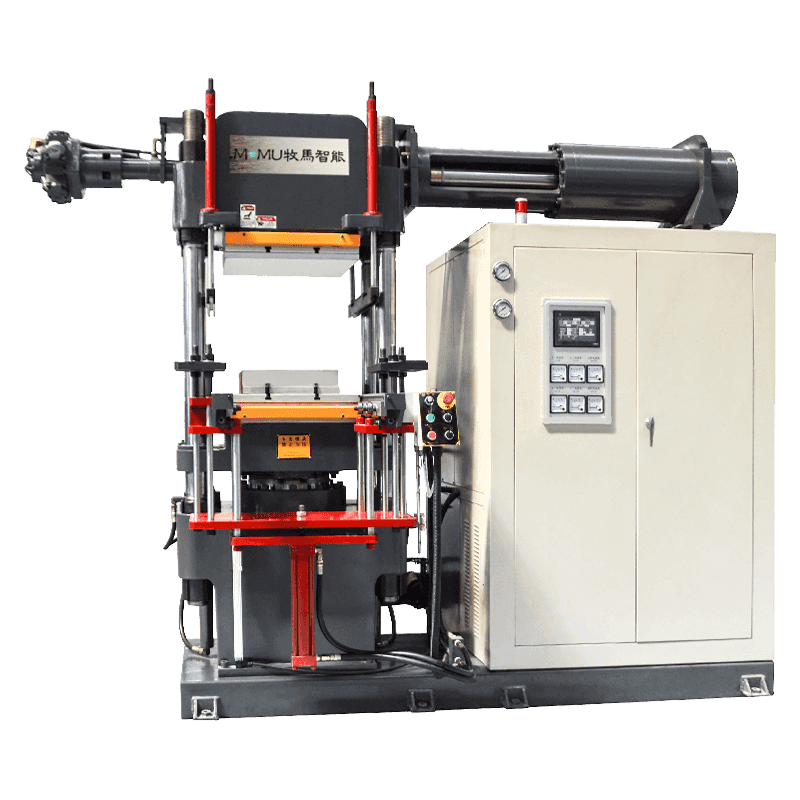
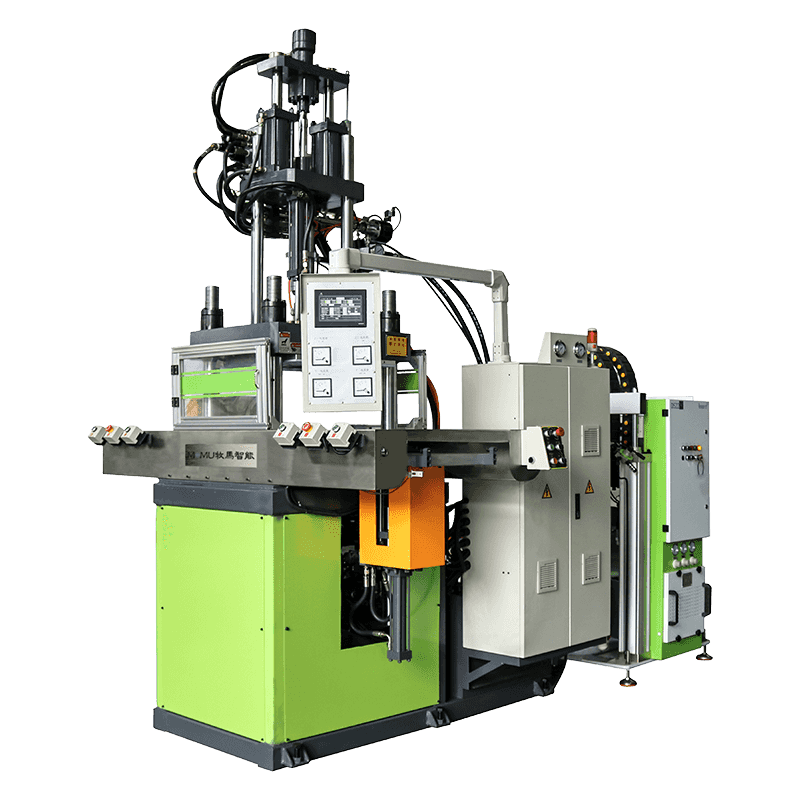
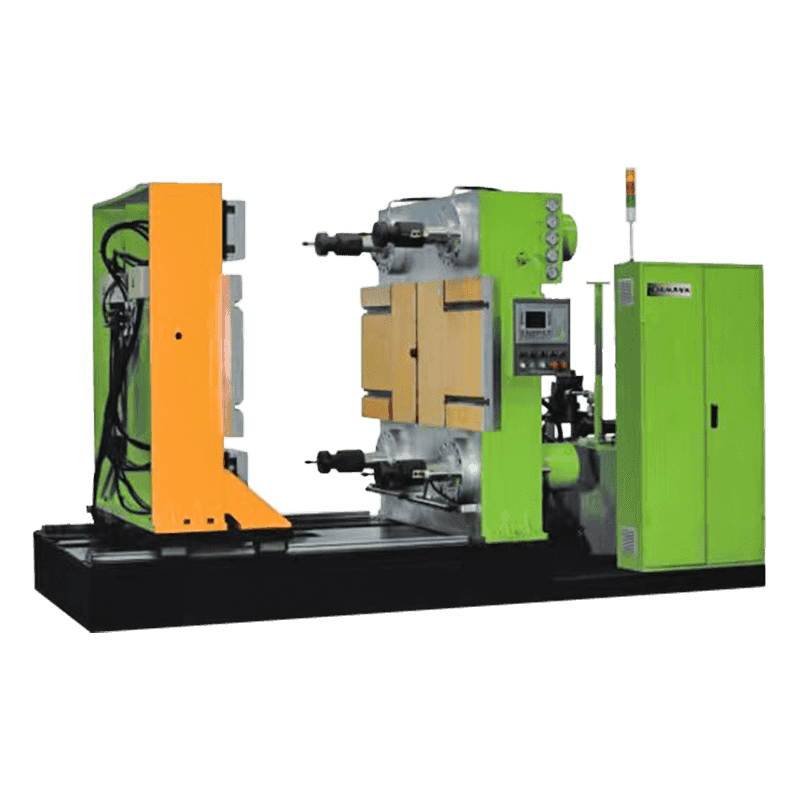
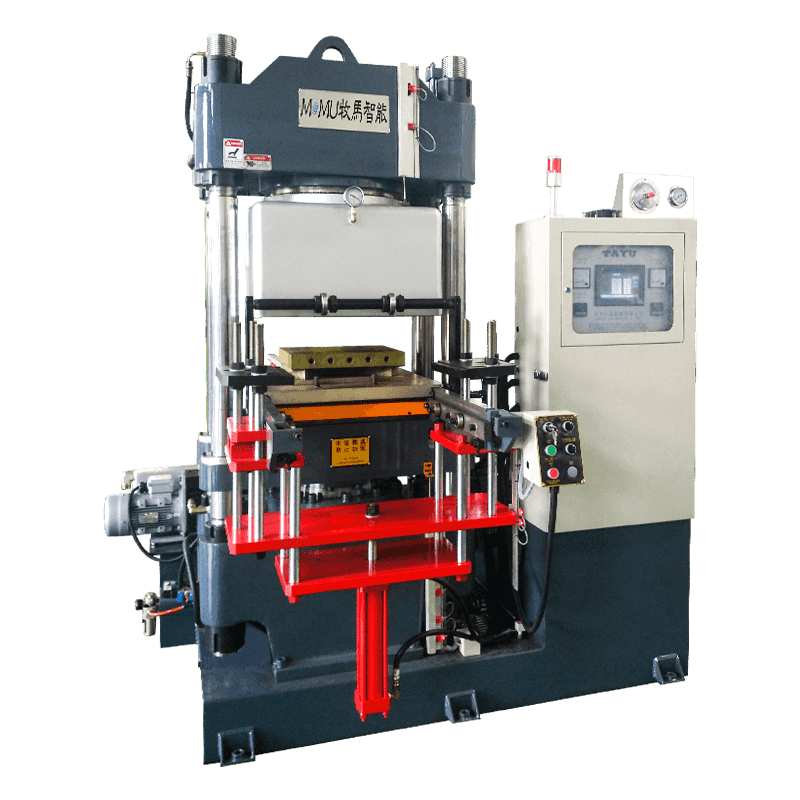
FIFO machines come in different layouts for a reason. A vertical machine can save floor space and make insert loading easier. A horizontal design may suit longer molds and automated part removal. Angle-type configurations can fit specific mold handling needs. The right choice depends on your factory flow, mold weight, operator position, and automation plan, not on which model looks most advanced.
It also helps to discuss future products. If you plan to add silicone, color changes, or smaller batches, the feeding and cleaning strategy may matter as much as the injection unit. A supplier who understands your roadmap can specify a machine that remains useful after the first product launch.
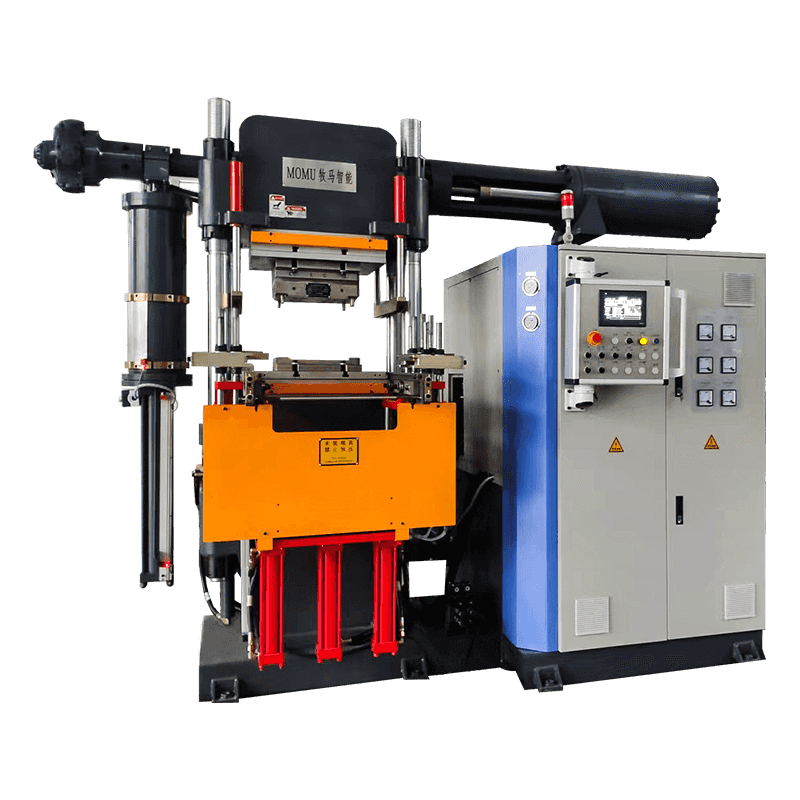
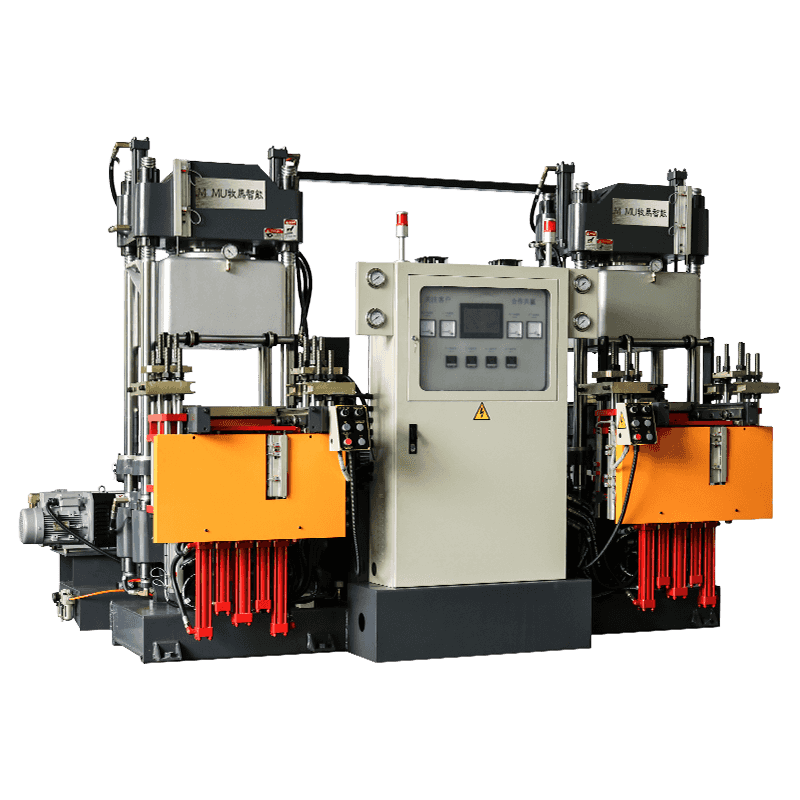
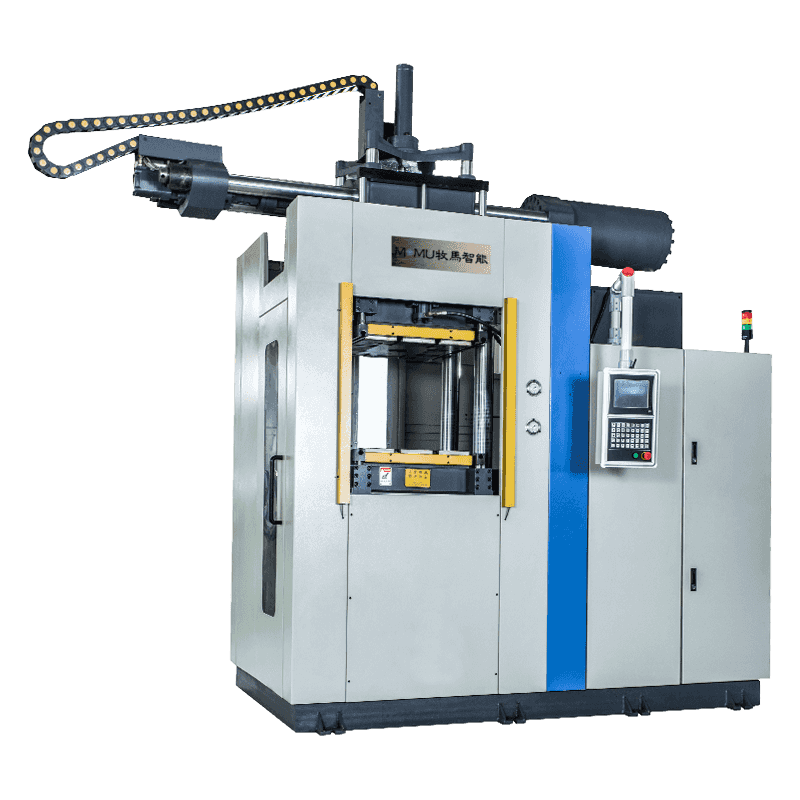 FIFO Rubber and Silicone Injection Molding MachinesExplore the FIFO injection system with PLC three-stage pressure and flow control, available in horizontal and vertical configurations for different silicone production requirements.View Product →
Where FIFO Pays Back Fastest
FIFO is not only for exotic compounds. It tends to earn its keep in several practical situations:
- Frequent color or compound changes, where purge time and cross-contamination cost real money.
- Heat-sensitive compounds that scorch easily or need a tight cure window.
- Small and medium batches that run intermittently, leaving material in the barrel between shots.
- High-value silicone or rubber parts where a small scrap rate has a large financial impact.
- Thick parts and long cycles, where consistent material history supports repeatable cure.
For a simple, high-volume black rubber part running around the clock, a well-controlled conventional machine can still be the right answer. The point is to match the flow design to the risk, not to buy FIFO as a badge.
Price, Lead Time, and the Cost You Do Not See
Purchase price is easy to compare. Operating cost is not. Ask each supplier to estimate scrap rate, changeover time, energy use, spare parts consumption, and training needs for your part. A lower-priced machine that needs frequent purging or struggles with short stops can cost more within a year than a better-designed unit.
Lead time also deserves a closer look. A short delivery promise is only useful if the machine arrives with the right voltage, safety configuration, documentation, and commissioning plan. Confirm what is included in the quoted price and what becomes an extra later.
Red Flags When Screening Suppliers
Some warning signs appear before you ever place an order:
- The supplier cannot explain the material flow path or what happens during a pause.
- “FIFO” is used as a selling word, but no drawings, photos, or process explanation are offered.
- No material trial is available, or the trial uses only the supplier’s easiest compound.
- Spare parts lists, warranty terms, and response times are vague.
- The sales team never asks about your mold, compound, or rejection rate.
These gaps often become commissioning problems. It is better to slow down the shortlist than to speed up a poor match.
A Simple Shortlisting Process
A structured comparison keeps the conversation practical:
- Define the part, compound, shot weight, cure time, mold size, and automation target.
- Ask each supplier for a flow path explanation, utility requirements, and a spare parts list.
- Request a material trial or a video run using a comparable compound.
- Check service coverage, response time, and training scope in writing.
- Compare total operating cost, not only the machine price.
- Speak to references with similar parts and production patterns.
This process usually separates suppliers who build machines from suppliers who only move catalogs.
How Momu Approaches FIFO Machine Supply
At Momu, we have focused on rubber and silicone molding equipment since 2016. Our product range covers rubber injection machines, silicone injection machines, vacuum vulcanizing machines, compression molding machines, and BMC equipment. The FIFO rubber and silicone injection molding machine is one part of that range, built for plants that need better material control rather than a fashionable label.
We ask about the compound, part, mold, and cycle before recommending a configuration. We also talk openly about imported hydraulic, electrical, and sealing components, because stable operation comes from the whole supply chain, not one impressive number on a datasheet. If you are comparing suppliers, ask us for the flow path explanation, utility list, and trial plan. The answers should be specific enough to help you make a decision, even if you choose another supplier.
Choosing among FIFO rubber injection molding machine suppliers comes down to evidence. Ask for the flow path, the trial, the service plan, and the operating cost. A supplier who can answer those questions clearly is more likely to deliver a machine that keeps material moving and production stable long after the installation crew leaves.