Search
 English
 中文简体
中文简体 Español
Content
- 1 Principle of Vacuum Vulcanization
- 2 Main Machine Structure and Components
- 3 Heating Systems and Temperature Control
- 4 Vacuum System Design and Performance
- 5 Pressure and Clamping Control
- 6 Rubber Materials Suitable for Vacuum Vulcanization
- 7 Typical Applications and Industries
- 8 Advantages Over Conventional Vulcanizing Presses
- 9 Process Parameters and Cycle Optimization
- 10 Mold Design for Vacuum Vulcanization
- 11 Automation and Control Systems
- 12 Quality Control and Defect Prevention
- 13 Maintenance and Reliability Management
- 14 Energy Efficiency and Operating Costs
- 15 How to Select the Right Vacuum Rubber Vulcanizing Machine
- 16 Conclusion: Maximizing Quality with Vacuum Vulcanization
A vacuum rubber vulcanizing machine is specialized equipment designed to cure rubber products under controlled temperature, pressure, and vacuum conditions. By removing air and volatile gases from the mold cavity during vulcanization, the machine helps produce rubber parts with higher density, fewer internal voids, and improved surface quality. This technology is widely used for precision rubber components that require consistent mechanical properties and defect-free structure.
Compared with conventional rubber presses, vacuum rubber vulcanizing machines offer better control over air entrapment, which is a common cause of bubbles, burn marks, and weak bonding areas. This makes vacuum systems essential for high-value and high-reliability rubber products.
Principle of Vacuum Vulcanization
The core principle of vacuum vulcanization is the removal of air from the mold cavity before and during the curing process. Once the rubber compound is placed into the mold, the chamber is sealed and connected to a vacuum system. Air and trapped gases are evacuated, allowing the rubber to flow more uniformly and fill fine mold details.
After vacuum is established, heat and pressure are applied to initiate cross-linking of rubber molecules. This controlled environment promotes more uniform curing and minimizes defects associated with trapped air or moisture.
Main Machine Structure and Components
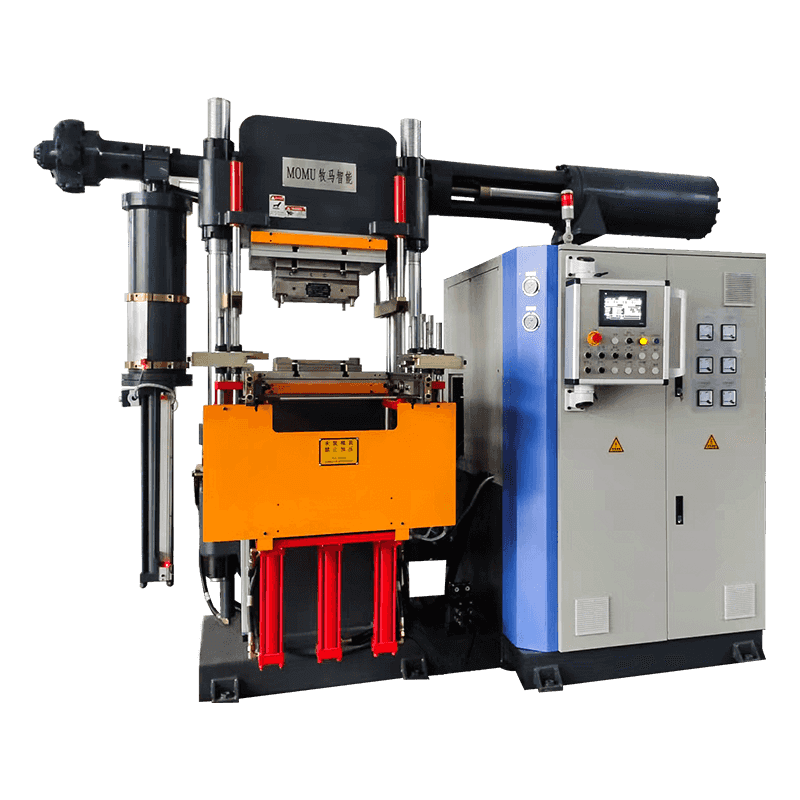
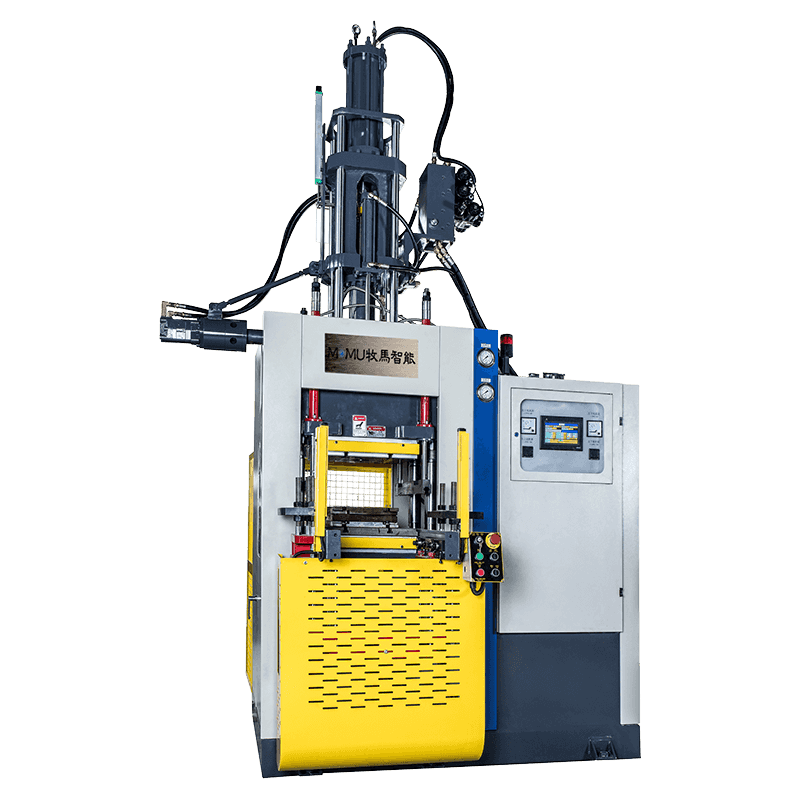
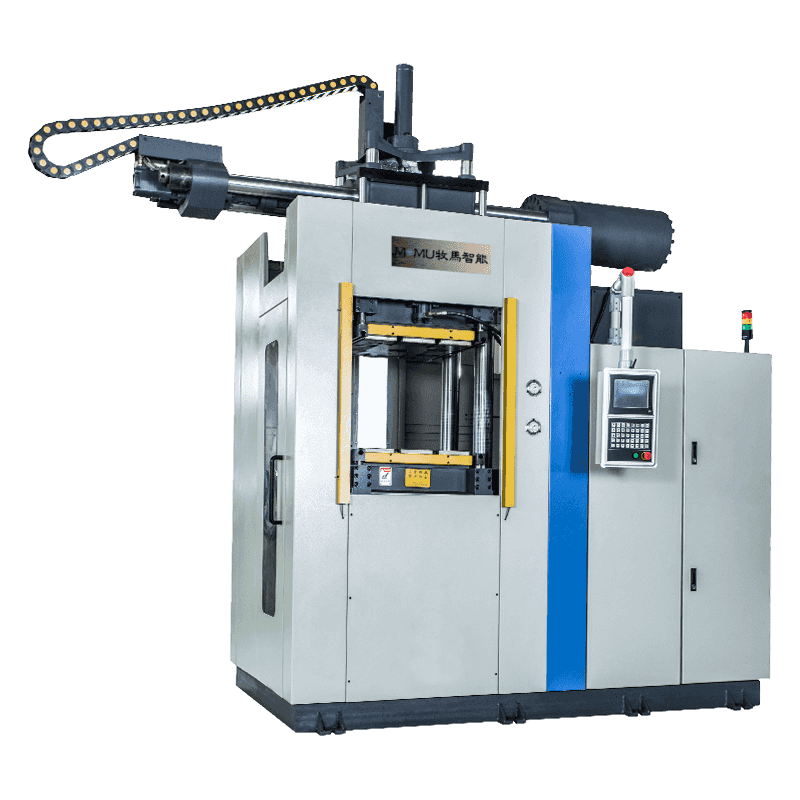
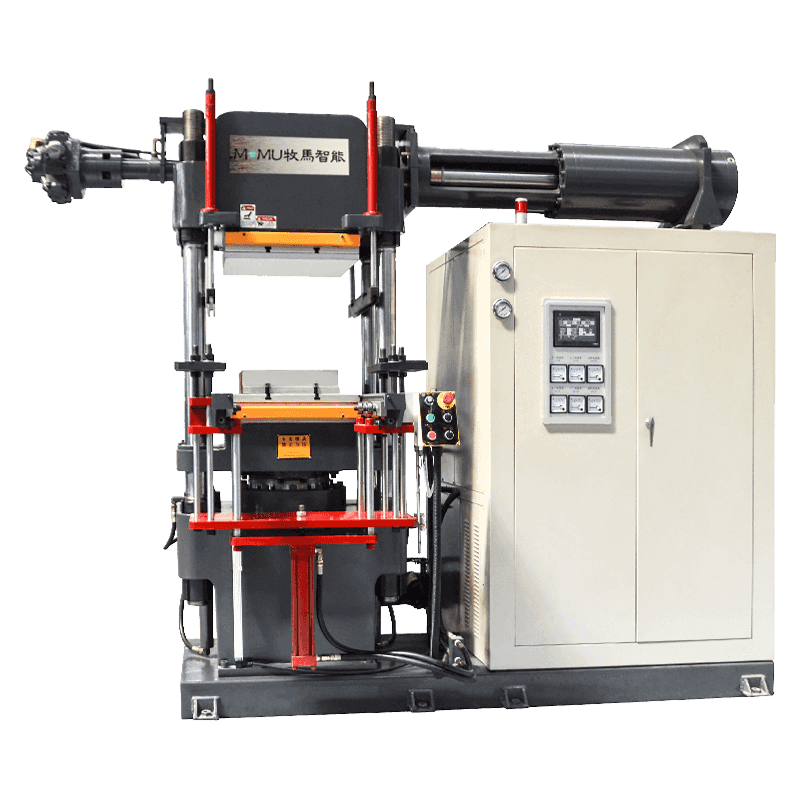
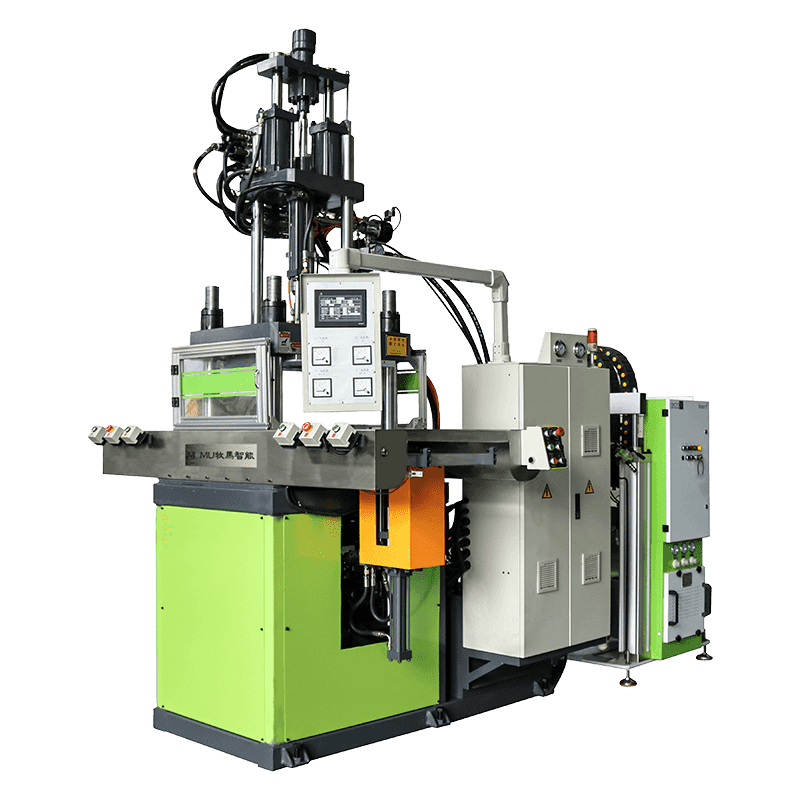
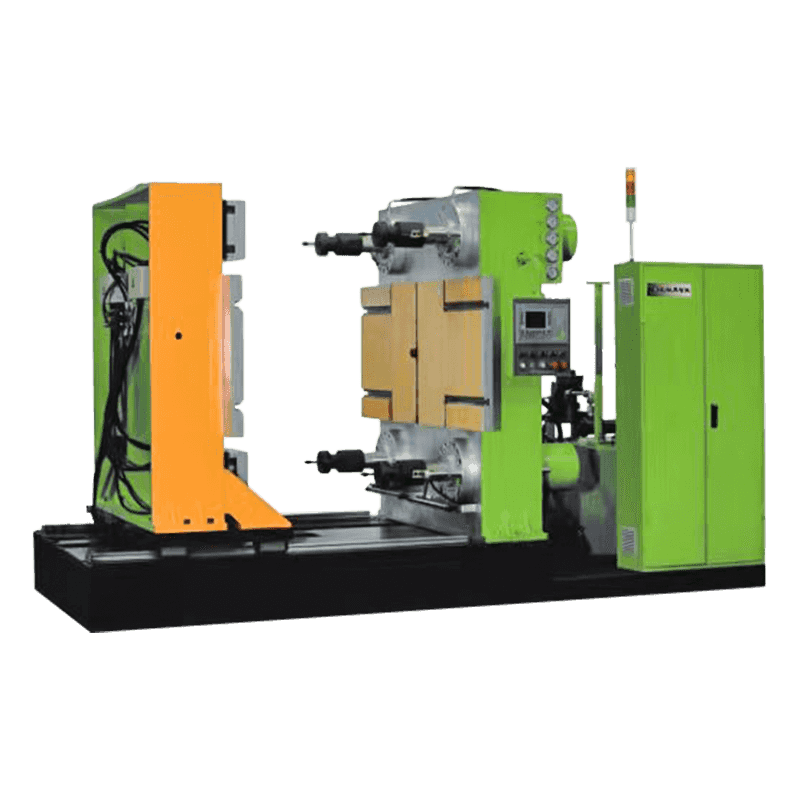
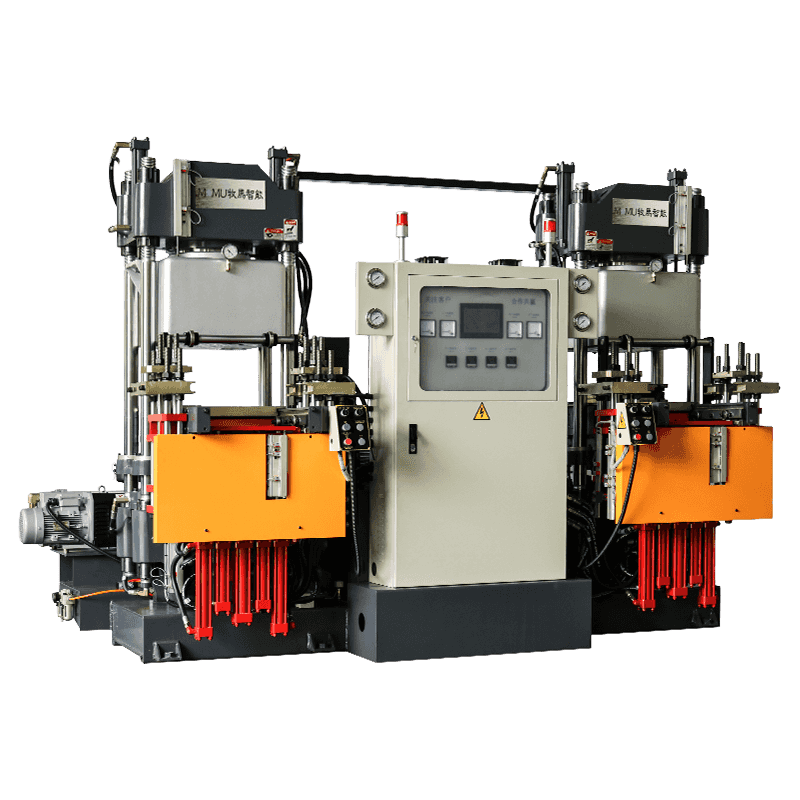
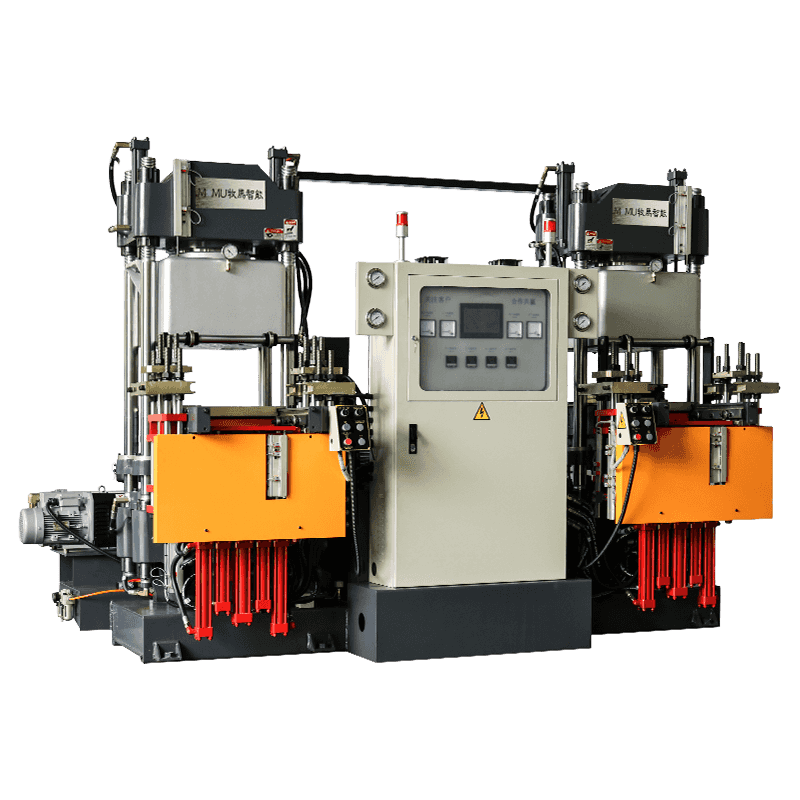
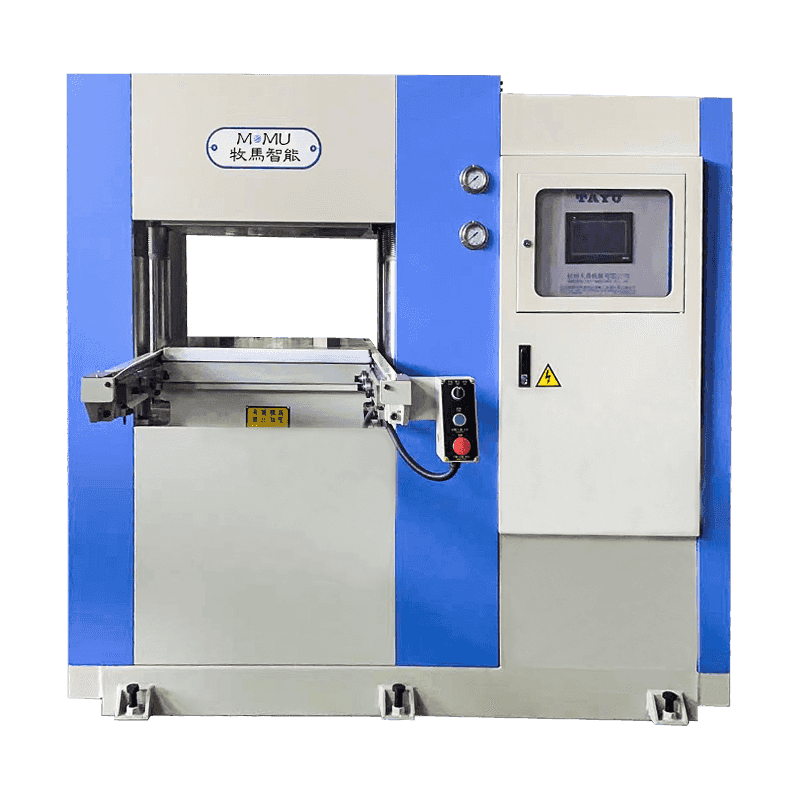
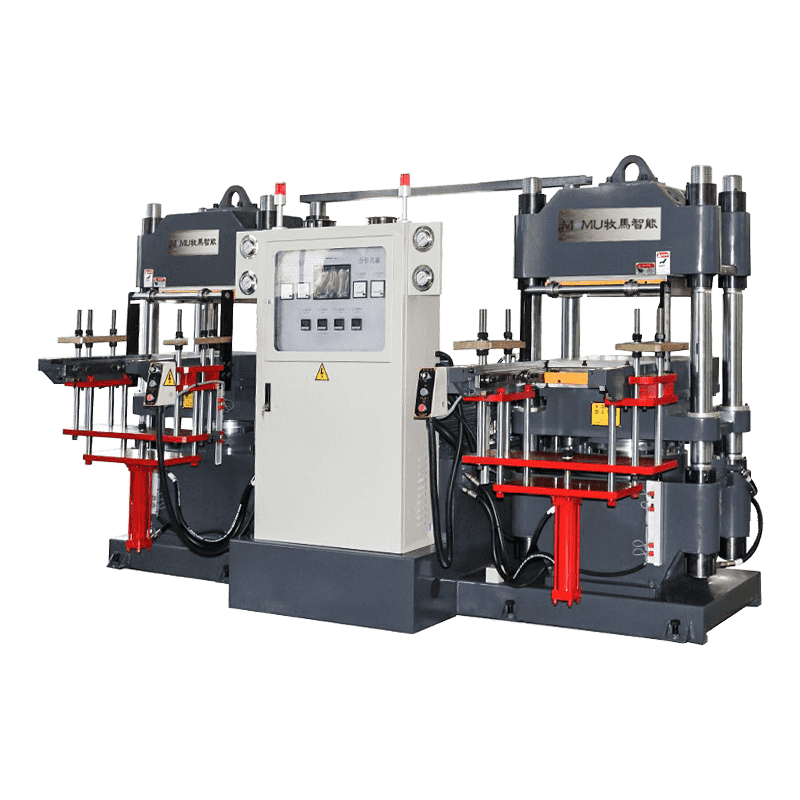
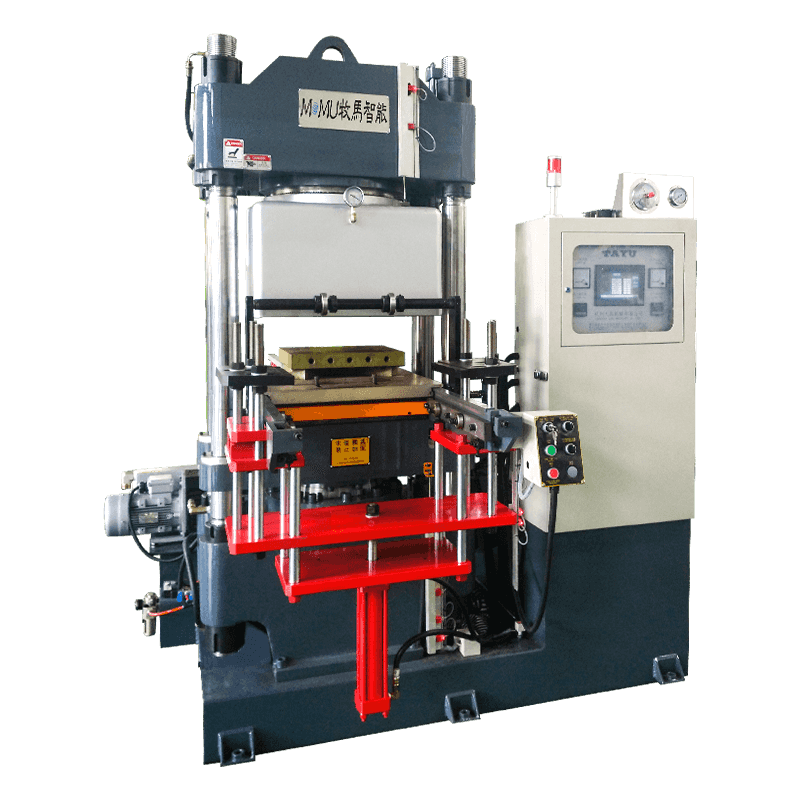
A vacuum rubber vulcanizing machine is composed of several key systems that work together to achieve precise curing conditions. Each component plays a critical role in ensuring stable operation and consistent product quality.
- Heating platens to provide uniform and controlled temperature.
- Hydraulic or servo press system to apply clamping pressure.
- Vacuum chamber or vacuum sealing system integrated with molds.
- Vacuum pump and piping for air evacuation.
- PLC or digital control system for process monitoring.
The integration quality of these systems directly affects cycle stability, energy efficiency, and finished product consistency.
Heating Systems and Temperature Control
Precise temperature control is essential for rubber vulcanization. Vacuum rubber vulcanizing machines typically use electric heating elements, oil heating systems, or steam heating depending on application and production scale.
Uniform platen temperature ensures consistent cross-linking throughout the rubber part. Advanced machines use multi-zone temperature control and embedded sensors to reduce temperature gradients and improve curing repeatability.
Vacuum System Design and Performance
The vacuum system is the defining feature of this type of vulcanizing machine. It typically includes rotary vane pumps, liquid ring pumps, or dry vacuum pumps, depending on required vacuum level and process environment.
Key performance indicators include ultimate vacuum level, evacuation speed, and leak rate. A well-designed system rapidly removes air from the mold cavity and maintains stable vacuum during curing, preventing re-entry of air and improving rubber flow.
Pressure and Clamping Control
Clamping pressure ensures that molds remain tightly closed and that rubber material is properly compressed during vulcanization. Hydraulic systems are commonly used to deliver stable and adjustable pressure.
Servo-controlled presses offer more precise pressure profiling and energy savings. Accurate pressure control helps maintain dimensional accuracy and improves bonding between rubber layers and inserts.
Rubber Materials Suitable for Vacuum Vulcanization
Vacuum rubber vulcanizing machines are compatible with a wide range of rubber compounds. The vacuum environment is especially beneficial for materials that are sensitive to air entrapment or moisture.
- Silicone rubber for medical and electronic components.
- EPDM for automotive and sealing applications.
- NBR for oil-resistant seals and gaskets.
- FKM for high-temperature and chemical-resistant parts.
Each compound may require specific temperature, pressure, and time profiles to achieve optimal curing and physical properties.
Typical Applications and Industries
Vacuum rubber vulcanizing machines are used in industries where high precision and defect-free rubber parts are required. Common applications include seals, gaskets, diaphragms, and molded rubber-metal bonded components.
They are also widely used in electronics, medical devices, automotive systems, and aerospace, where internal voids or surface defects can compromise performance and safety.
Advantages Over Conventional Vulcanizing Presses
Compared with standard rubber vulcanizing presses, vacuum machines offer significant technical advantages. These benefits directly impact product quality and production efficiency.
- Reduced air bubbles and internal porosity.
- Improved surface finish and detail replication.
- More consistent mechanical properties.
- Lower scrap and rework rates.
These advantages are particularly important for high-value rubber components where defects result in significant cost and performance risks.
Process Parameters and Cycle Optimization
Optimizing the vulcanization cycle involves balancing temperature, pressure, vacuum level, and cure time. Incorrect settings can lead to under-curing, over-curing, or dimensional instability.
Process engineers often conduct trial runs to determine the optimal profile for each rubber compound and mold design. Data logging and real-time monitoring help identify deviations and improve long-term consistency.
Mold Design for Vacuum Vulcanization
Molds used in vacuum vulcanizing machines require special design considerations. Vacuum channels, venting paths, and sealing surfaces must be precisely engineered to ensure effective air evacuation.
Poor mold design can limit vacuum effectiveness and reduce the benefits of the vacuum system. Proper vent placement and surface finishing improve rubber flow and final part quality.
Automation and Control Systems
Modern vacuum rubber vulcanizing machines use PLC or touchscreen control systems to manage temperature, pressure, and vacuum sequences. Automated recipes allow operators to store and recall optimized process settings.
Integration with MES or factory monitoring systems enables real-time production tracking, alarm management, and preventive maintenance scheduling.
Quality Control and Defect Prevention
Quality control focuses on detecting voids, surface defects, and incomplete curing. Vacuum vulcanization significantly reduces these risks, but inspection is still essential.
- Visual inspection for surface defects.
- Dimensional checks for mold accuracy.
- Physical property testing for hardness and tensile strength.
- Leak or pressure testing for sealing components.
Combining vacuum processing with systematic inspection ensures consistent and reliable production outcomes.
Maintenance and Reliability Management
Regular maintenance is critical for vacuum rubber vulcanizing machines. Vacuum pumps, seals, heating elements, and hydraulic components must be inspected and serviced on a scheduled basis.
Leaks in the vacuum system can quickly reduce performance and lead to product defects. Preventive maintenance programs help minimize downtime and extend machine service life.
Energy Efficiency and Operating Costs
Energy consumption is influenced by heating method, cycle time, and vacuum pump efficiency. Modern machines are designed with insulation, servo systems, and intelligent controls to reduce energy usage.
Optimizing cycle parameters and maintaining equipment in good condition can significantly lower operating costs while maintaining high product quality.
How to Select the Right Vacuum Rubber Vulcanizing Machine
Selecting the right machine requires a clear understanding of product size, rubber type, production volume, and quality requirements. Key factors include platen size, tonnage, vacuum level, and automation options.
Buyers should also consider after-sales support, spare parts availability, and the supplier’s experience with similar applications. A properly matched machine improves productivity and reduces long-term operational risk.
Conclusion: Maximizing Quality with Vacuum Vulcanization
Vacuum rubber vulcanizing machines play a critical role in producing high-quality, defect-free rubber components. By combining precise temperature, pressure, and vacuum control, these machines deliver superior curing consistency and improved product performance.
For manufacturers focused on premium rubber parts, investing in the right vacuum vulcanizing technology provides long-term benefits in quality, efficiency, and customer satisfaction.