Search
 English
 中文简体
中文简体 Español
Content
- 1 What Are Insulators Injection Molding Machines?
- 2 Which Materials Are Commonly Used in Insulator Injection Molding?
- 3 How Do Insulators Injection Molding Machines Work?
- 4 What Are the Advantages of Using Insulators Injection Molding Machines?
- 5 Which Industries Benefit Most From These Machines?
- 6 How Do Insulators Injection Molding Machines Compare With Other Molding Techniques?
- 7 How to Optimize Performance of Insulators Injection Molding Machines?
- 8 Conclusion
What Are Insulators Injection Molding Machines?
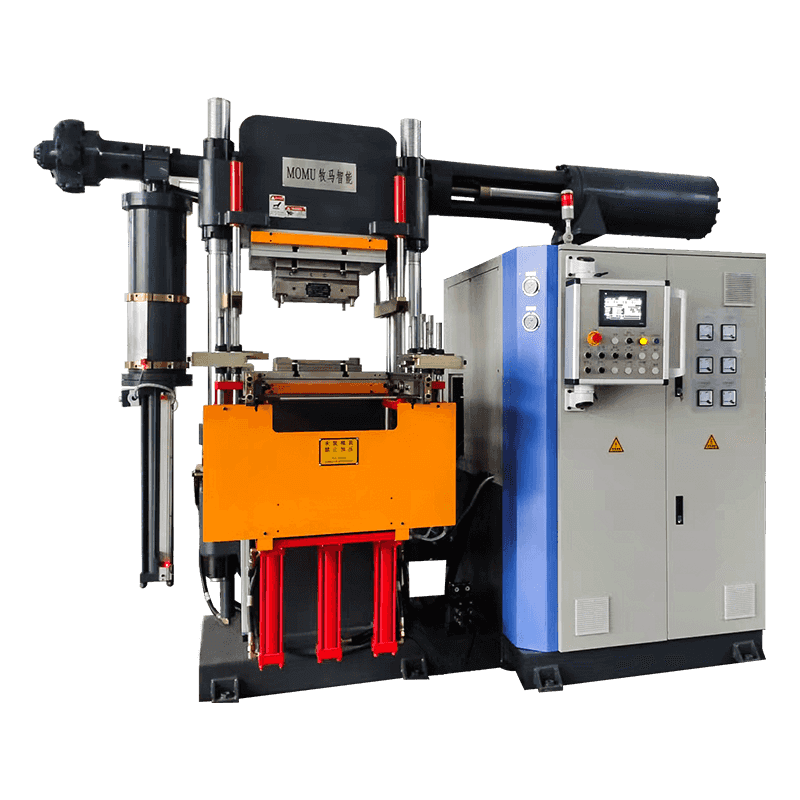
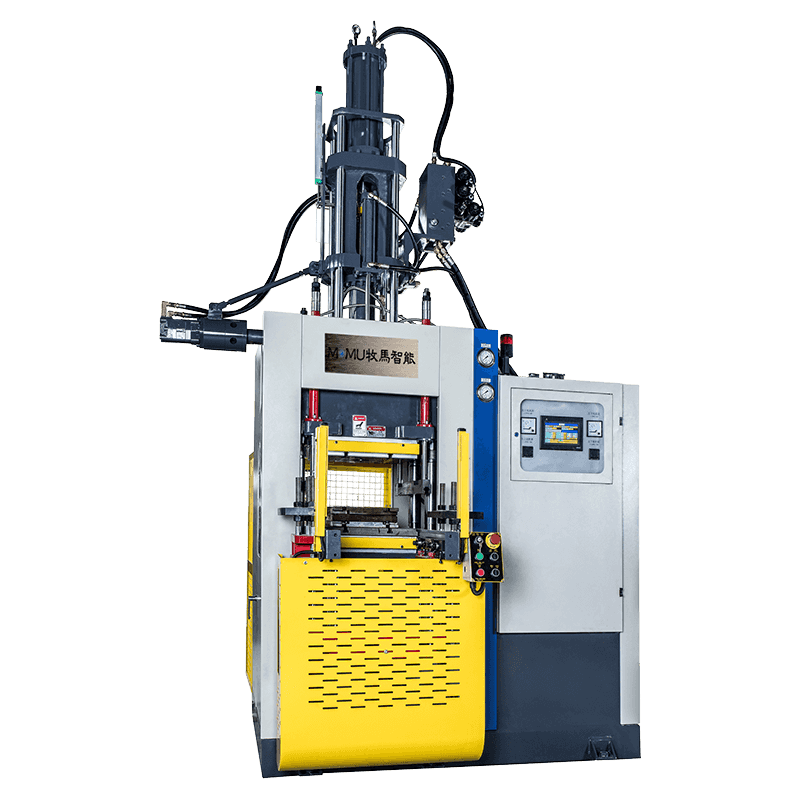
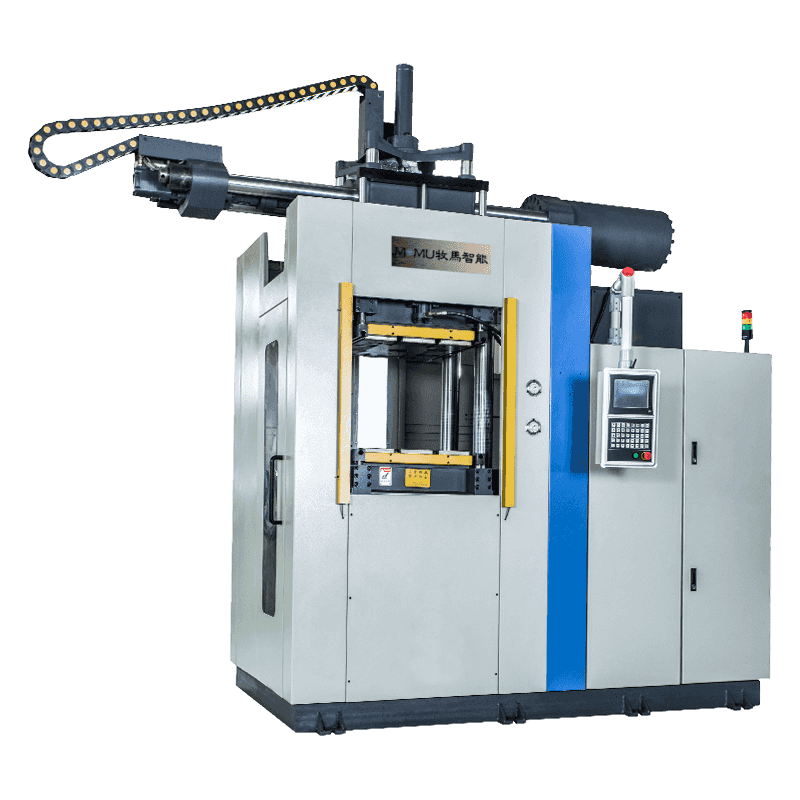
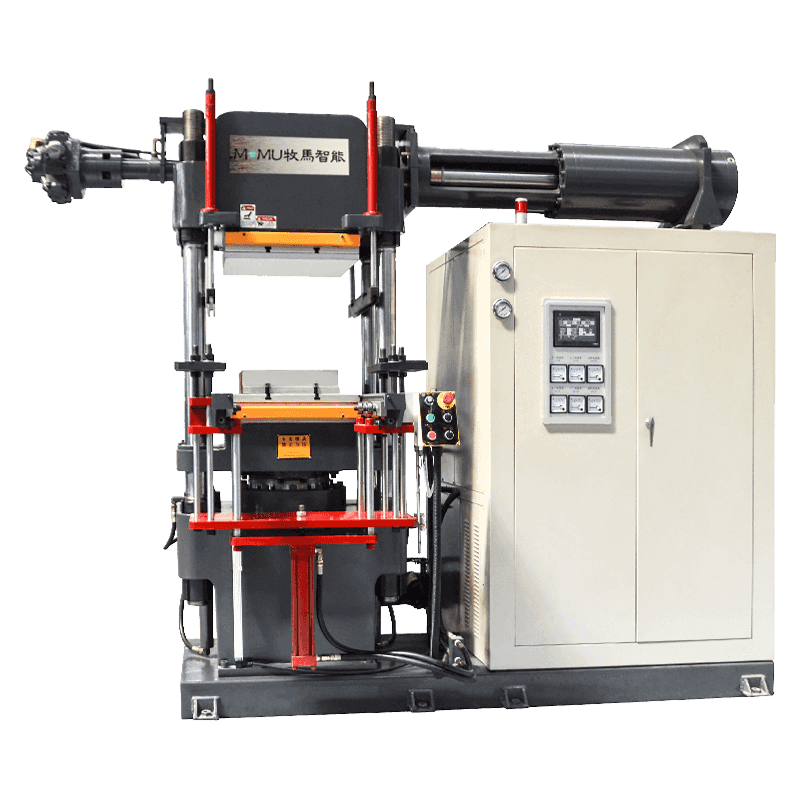
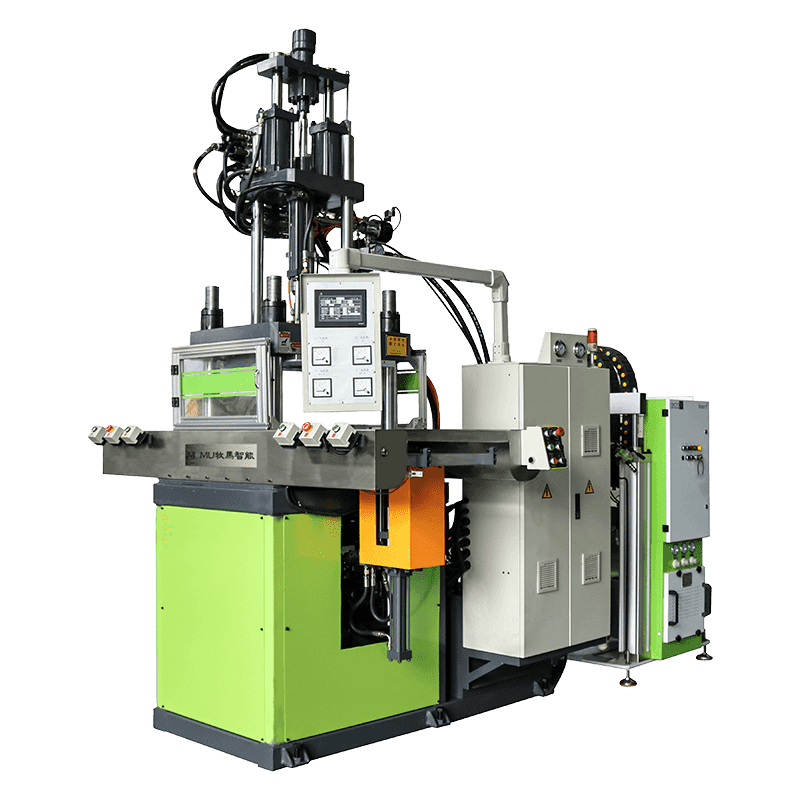
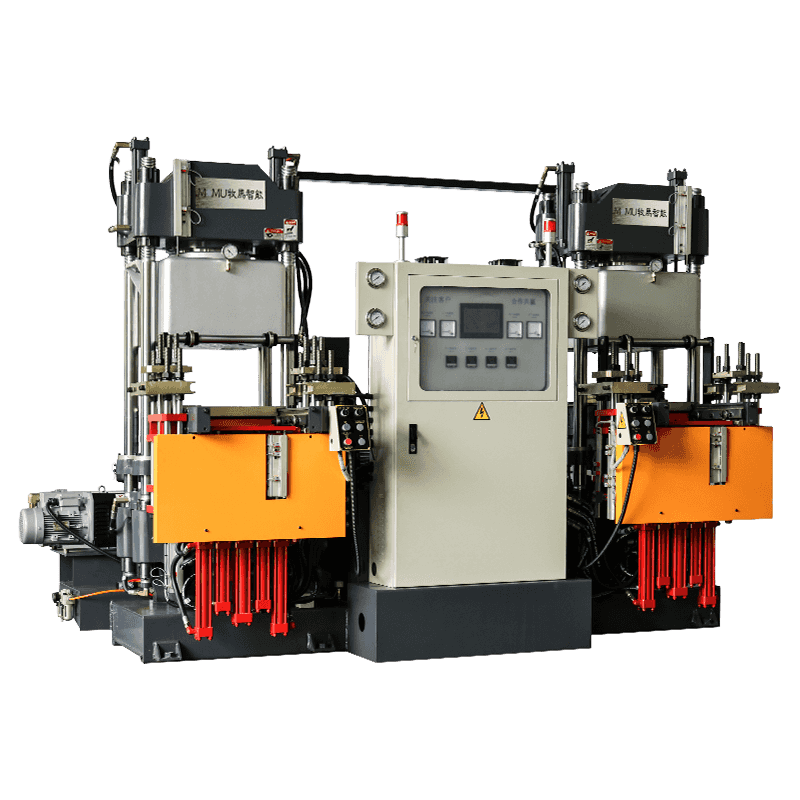
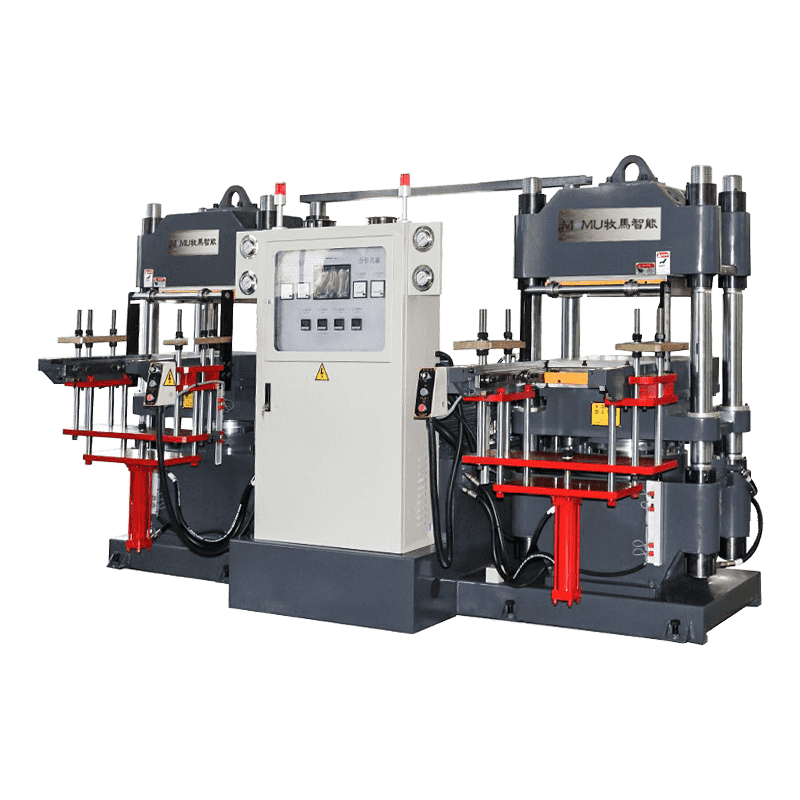
Insulators injection molding machines are specialized equipment used to produce high-quality electrical insulators by injecting molten polymer materials into precise molds. These machines are crucial in the electrical industry, where insulators must withstand high voltage, heat, and mechanical stress. The process allows for consistent production of complex shapes with tight tolerances, reducing waste and ensuring durability in demanding applications.
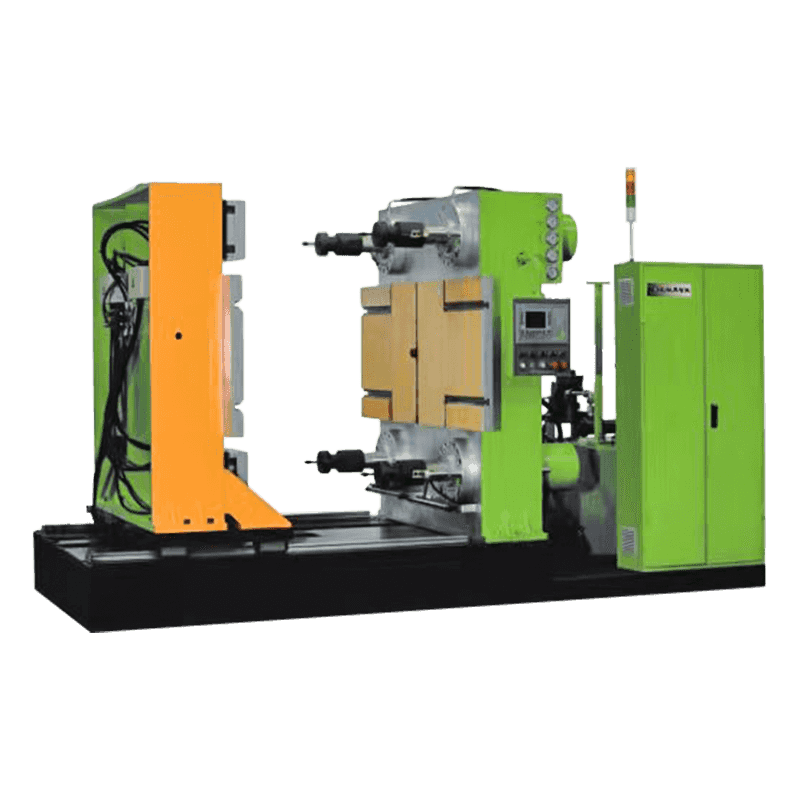
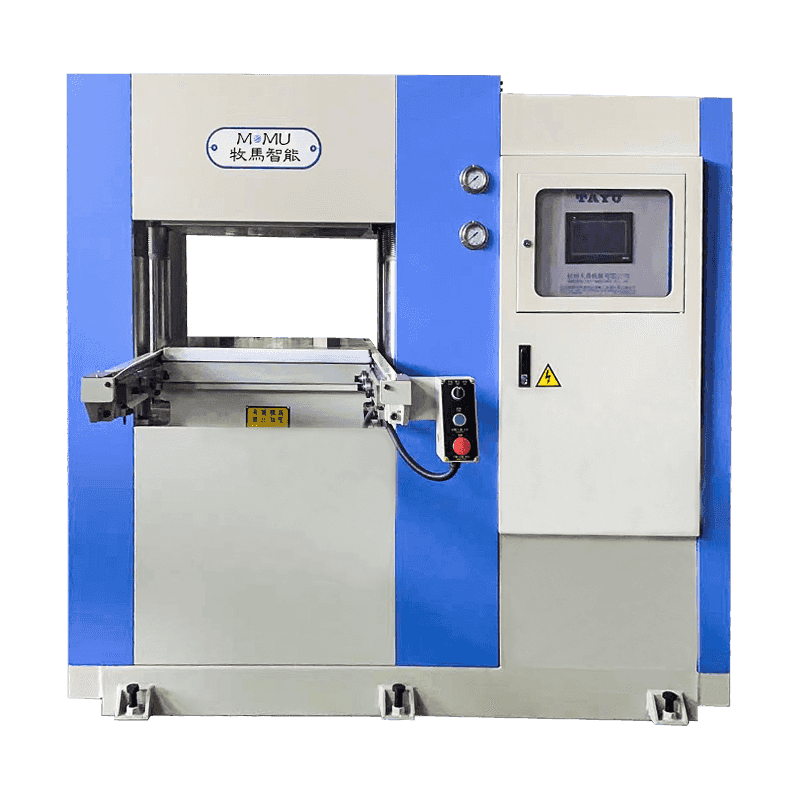
The core components of an insulators injection molding machine include the injection unit, clamping unit, heating system, and control system. The injection unit melts the polymer and injects it into the mold. The clamping unit ensures the mold remains securely closed during injection and cooling. The heating system controls the temperature of the polymer, while the control system allows precise adjustments to pressure, speed, and cycle time.
Which Materials Are Commonly Used in Insulator Injection Molding?
The choice of material is critical for insulators to meet electrical, thermal, and mechanical requirements. Commonly used materials include:
- Thermoplastic polymers such as Polycarbonate (PC) and Polyphenylene Sulfide (PPS) for high-temperature resistance
- Epoxy resins for excellent dielectric properties and chemical stability
- Silicone-based materials for flexibility and high-voltage insulation
- Composite materials combining fibers and resins for enhanced mechanical strength
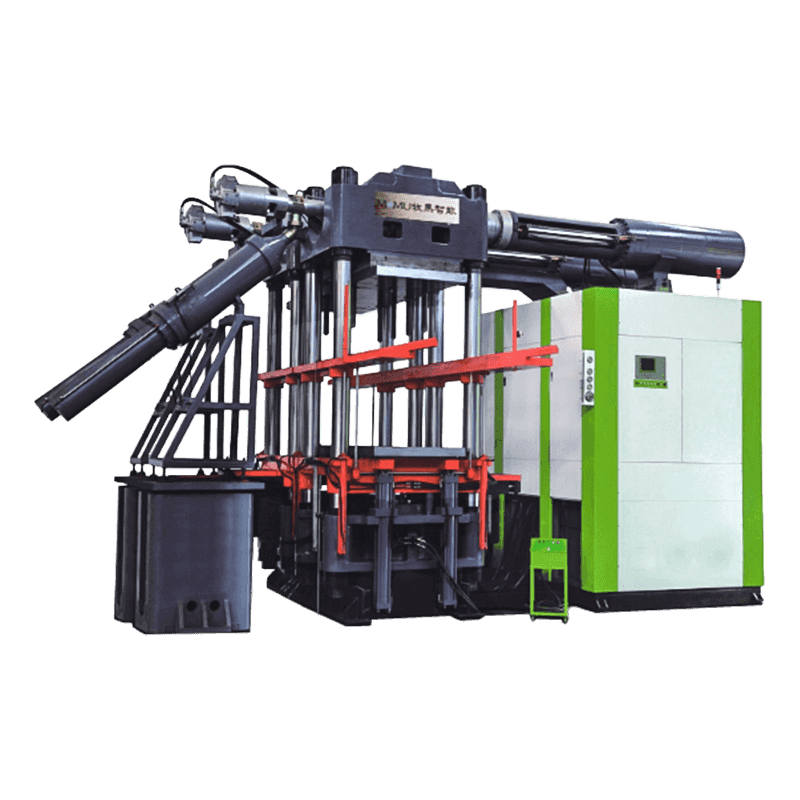
How Do Insulators Injection Molding Machines Work?
Injection Process
The injection process begins by feeding raw polymer pellets into the hopper, where they are heated to a molten state. The molten material is then injected under high pressure into a precision mold cavity. This ensures the polymer fills every contour of the mold, forming a complete and accurate insulator shape.
Cooling and Solidification
Once the mold is filled, the material cools and solidifies into the final shape. The cooling system ensures uniform temperature distribution to prevent warping or shrinkage. Efficient cooling cycles reduce production time and maintain consistent quality across multiple parts.
Ejection and Quality Control
After solidification, the clamping unit opens and ejector pins remove the finished insulator. Modern machines are equipped with sensors and monitoring systems to detect defects such as incomplete filling, surface flaws, or dimensional inaccuracies. This allows for real-time adjustments to maintain high-quality output.
What Are the Advantages of Using Insulators Injection Molding Machines?
- High precision and repeatability for complex insulator shapes
- Fast production cycles and reduced labor costs
- Ability to use advanced polymers for enhanced thermal and electrical performance
- Reduced material waste compared to traditional molding methods
- Integration with automation systems for mass production and quality monitoring
Which Industries Benefit Most From These Machines?
Electrical Power Industry
High-voltage insulators for power transmission lines, switchgear, and transformers are commonly manufactured using injection molding machines. Their precise dimensions and dielectric properties are critical for safe and reliable energy transmission.
Automotive Industry
Electric vehicles and hybrid systems use molded insulators in battery packs, wiring harnesses, and charging components. Injection molding ensures consistent insulation performance and durability under thermal and mechanical stress.
Consumer Electronics
Insulators are required in electronic devices such as laptops, smartphones, and home appliances. Injection molding allows precise miniaturized shapes, meeting the compact design and high-voltage isolation requirements of modern electronics.
How Do Insulators Injection Molding Machines Compare With Other Molding Techniques?
| Molding Method | Precision | Production Speed | Material Efficiency | Typical Applications |
| Injection Molding | High | Fast | Excellent | Electrical insulators, automotive components |
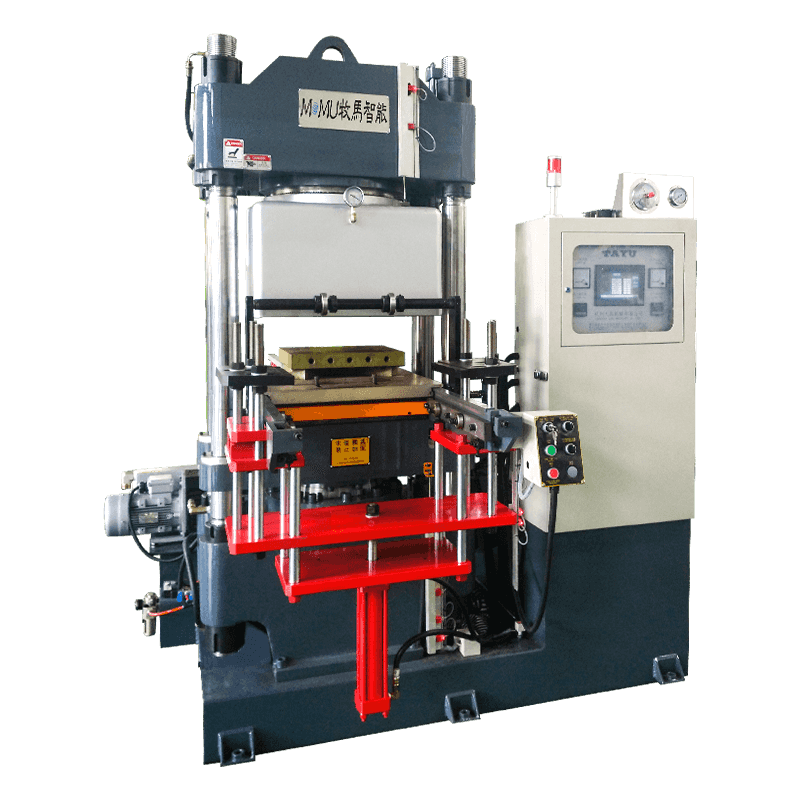
| Compression Molding | Medium | Medium | Moderate | Large industrial parts, heavy-duty insulators |
| Thermoforming | Low | Fast | Good | Simple enclosures, low-voltage insulators |
How to Optimize Performance of Insulators Injection Molding Machines?
- Regular maintenance of heaters, screws, and molds to prevent defects
- Use high-purity polymers to enhance electrical insulation and thermal resistance
- Calibrate injection pressure, speed, and cooling cycles for consistent quality
- Integrate sensors and automation for real-time quality monitoring
- Train operators to handle precise mold adjustments and troubleshooting
Conclusion
Insulators injection molding machines play a critical role in manufacturing high-quality electrical components. Their precision, efficiency, and compatibility with advanced polymers make them indispensable for power, automotive, and electronics industries.
By understanding material selection, process optimization, and quality control, manufacturers can produce durable, high-performance insulators that meet stringent industrial standards. These machines continue to drive innovation in electrical insulation technology and support the growing demand for reliable, safe, and compact electrical components.