Search
 English
 中文简体
中文简体 Español
Content
- 1 What FIFO Means in a Rubber Injection Molding Machine
- 2 Why FIFO Geometry Matters for Rubber and Silicone Compounds
- 3 How to Judge a FIFO Rubber Injection Molding Machine Supplier
- 4 Machine Configurations: Vertical, Horizontal and Angle Type
- 5 Matching the Machine to the Part You Produce
- 6 Service, Spare Parts and the Real Cost of Downtime
- 7 Questions to Ask Before You Place an Order
- 8 Why Buyers Work With Momu
Ask a rubber molder what makes an injection molding machine worth its price, and the answer is rarely the paint or the nameplate. It is whether shot number one thousand looks exactly like shot number ten. That is why more and more buyers now search for FIFO rubber injection molding machine suppliers: those four letters describe a precise idea about how compound should travel through a barrel, and that idea shows up directly in scrap rates, cure consistency and changeover time.
Momu has been building rubber and silicone molding equipment since 2016, and in that time we have watched the phrase move from engineering departments into purchasing offices. This guide explains what FIFO really means, why it matters for rubber and liquid silicone, and how to compare suppliers without drowning in specification sheets.
What FIFO Means in a Rubber Injection Molding Machine
On a conventional reciprocating-screw machine, the screw does two jobs at once: it plasticizes the compound and then pushes it into the mold. The material that finally leaves the barrel may have entered it twenty minutes ago, while the material right behind it entered only a minute ago. When every shot draws from a different layer of the barrel, residence time varies, and so does the state of the compound at the moment of injection.
A FIFO injection unit separates those two jobs. A plasticizing screw melts and homogenizes the compound and feeds it forward into a separate injection chamber, where a plunger pushes it into the mold. Because the chamber fills from one end and empties from the same end, every shot uses the oldest material first, exactly like a queue. Nothing sits at the back of the barrel slowly overcooking, and nothing fresh is injected before it is truly ready.
The practical result is a much narrower spread in compound temperature, viscosity and cure state from shot to shot, which is precisely what tight-tolerance rubber parts demand.
Why FIFO Geometry Matters for Rubber and Silicone Compounds
Rubber compounds are heat sensitive. Accelerators and curing agents start to react once the material reaches a certain temperature, and that clock cannot be reset. In a barrel with uneven residence time, part of the batch edges toward scorch while another part is still cold; the symptom appears later as flow marks, weak knit lines, excess flash or a cure that varies across the mold.
The effect is strongest with liquid silicone rubber and high-hardness compounds. LSR cures quickly and cannot be reworked, so a machine that holds material too long in the barrel wastes it. FIFO units also shorten material and color changeovers, because less compound is left behind to purge. That is not a small saving on a machine that may change material several times a week.
None of this makes FIFO the right answer for every part, but for thin-walled, high-precision or heat-sensitive compounds it usually is.
How to Judge a FIFO Rubber Injection Molding Machine Supplier
Specification sheets look alike, so it helps to compare suppliers on the points that actually decide whether the machine earns money for you:
- Injection volume and shot weight range, measured against your heaviest and lightest part, not your average one.
- Clamping force and platen size, including whether your mold fits with room for vacuum plates or ejector systems.
- Screw and barrel metallurgy, and how many temperature zones control the plasticizing screw and the injection chamber separately.
- The control platform: recipe storage, cure-time monitoring, trend recording and an open interface for plant data.
- Automation readiness, from robot interfaces to conveyor and demolding signals.
- Whether the supplier will run your own compound and return samples, cycle curves and a real shot-weight repeatability figure.
- Spare-part stock, response time and technical documentation in your language.
A supplier who answers these questions with data rather than adjectives is usually the one whose machine will still be running smoothly in ten years.
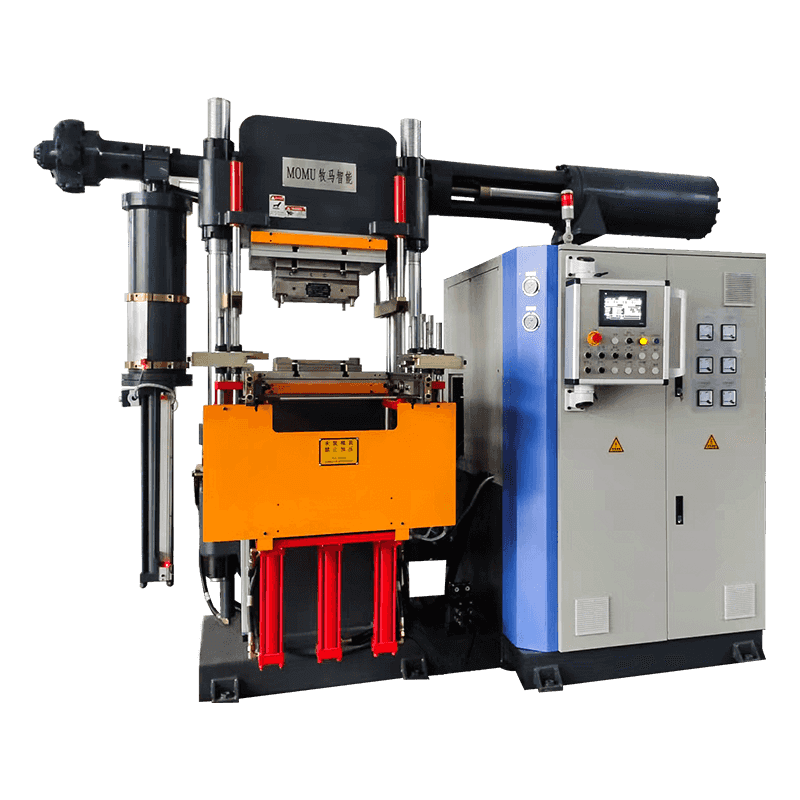
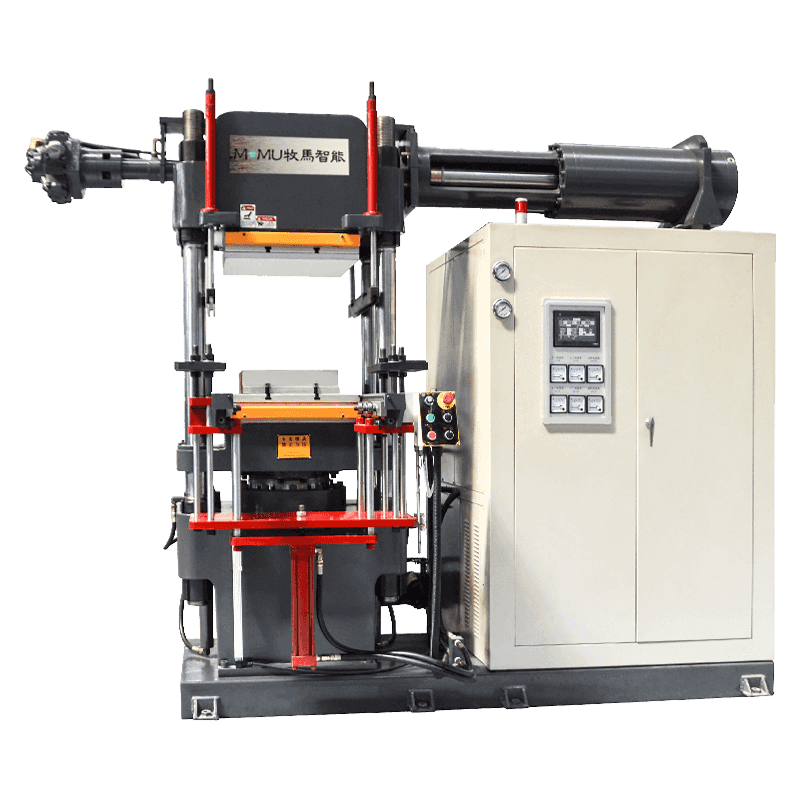
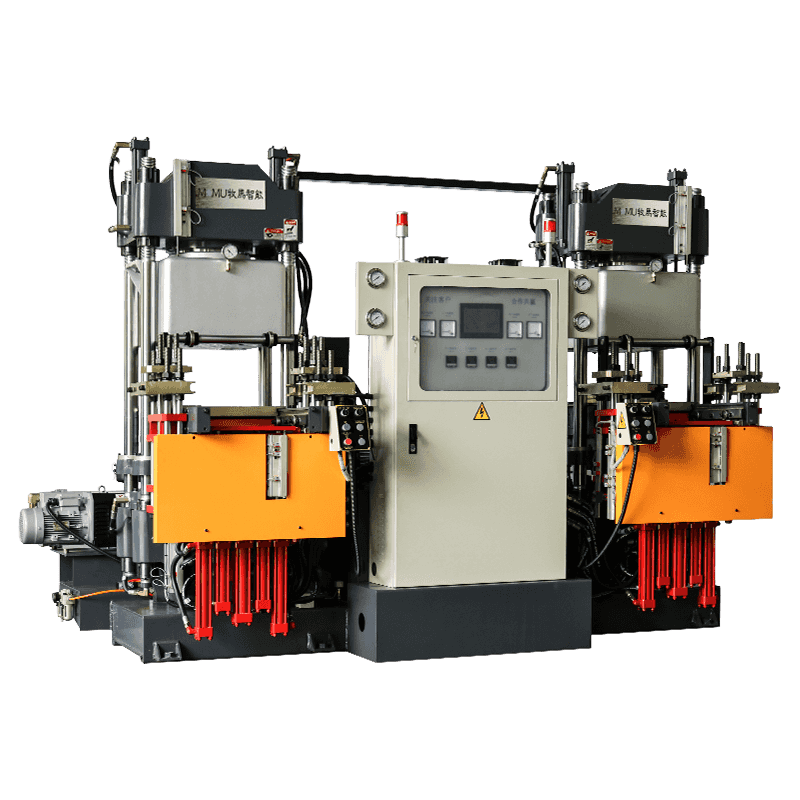
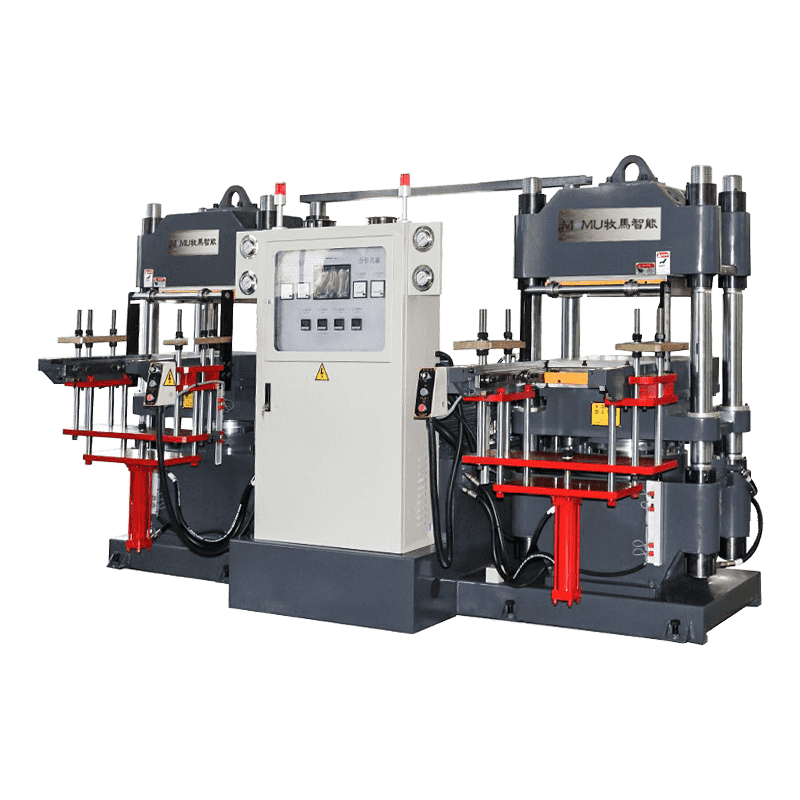
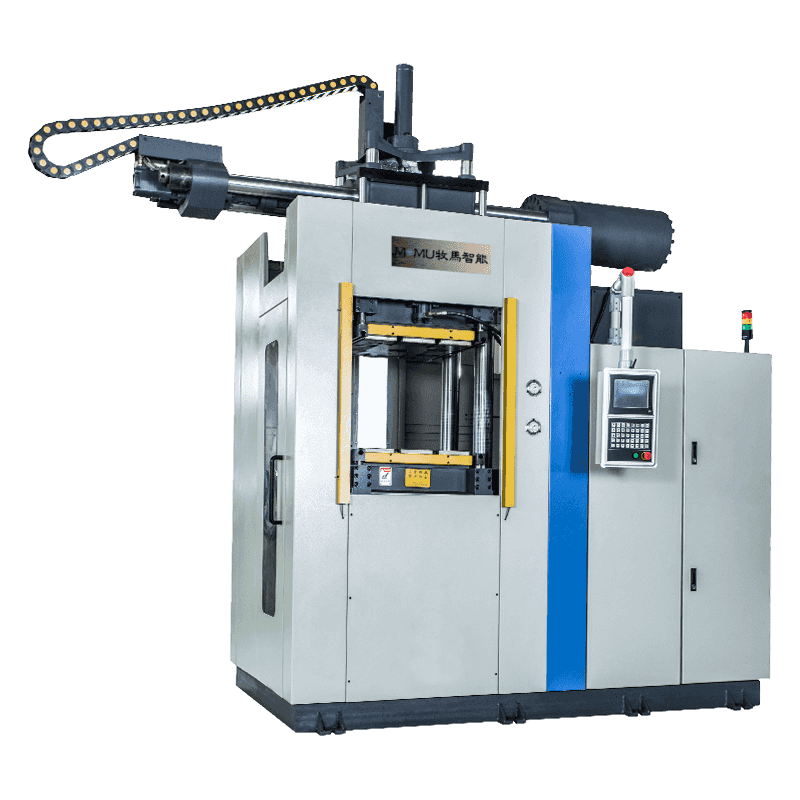 First In First Out Rubber (Silicone) Injection Molding MachineSingle-Cylinder Horizontal Item Unit TGD-100 TGD-155 TGD-210 TGD-260 TGD-330 TGD-395 TGD-440 TGD-550 Clamping force TON 100 155 210 260 330 395 440 550 Injection Capac...View Product →
Machine Configurations: Vertical, Horizontal and Angle Type
FIFO describes the injection principle; the frame describes how the machine fits into your plant. Vertical machines clamp downward and leave the lower platen open, which suits insert-loaded parts, multi-station work and factories with limited floor space. Horizontal machines offer larger platens and are easier to link to robots and automatic demolding. Angle-type machines give you an accessible vertical platen without the height penalty, while C-frame machines are built for products such as sealing strip corners, where the mold geometry is unusual.
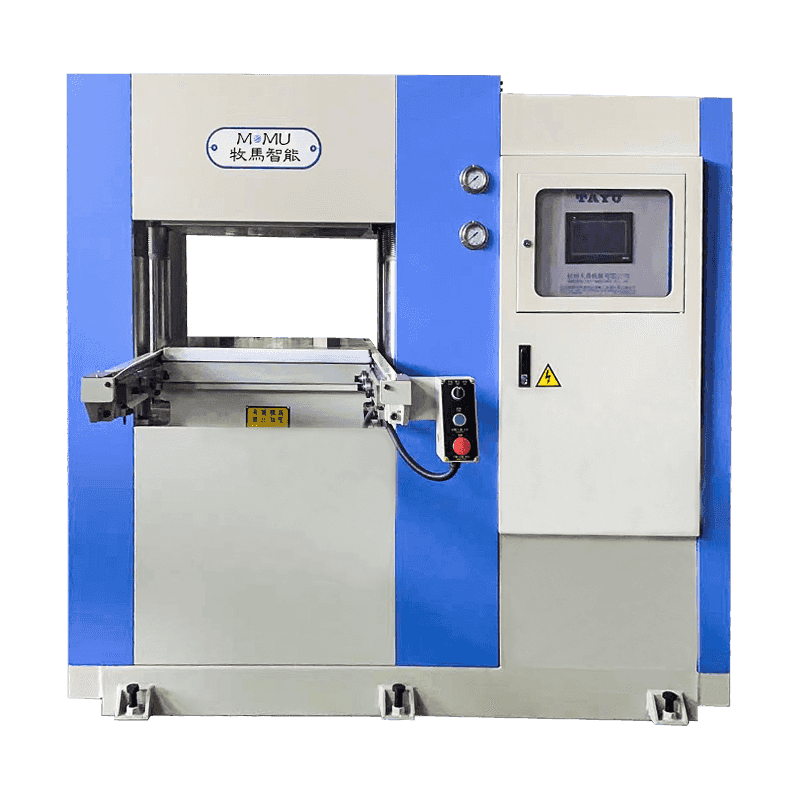
It is also worth remembering that injection is not always the answer. Thick-section rubber goods, oil seals and many general rubber parts are still produced efficiently on compression presses or vacuum vulcanizing machines, and a supplier who tells you so is more useful than one who sells an injection unit for every job.
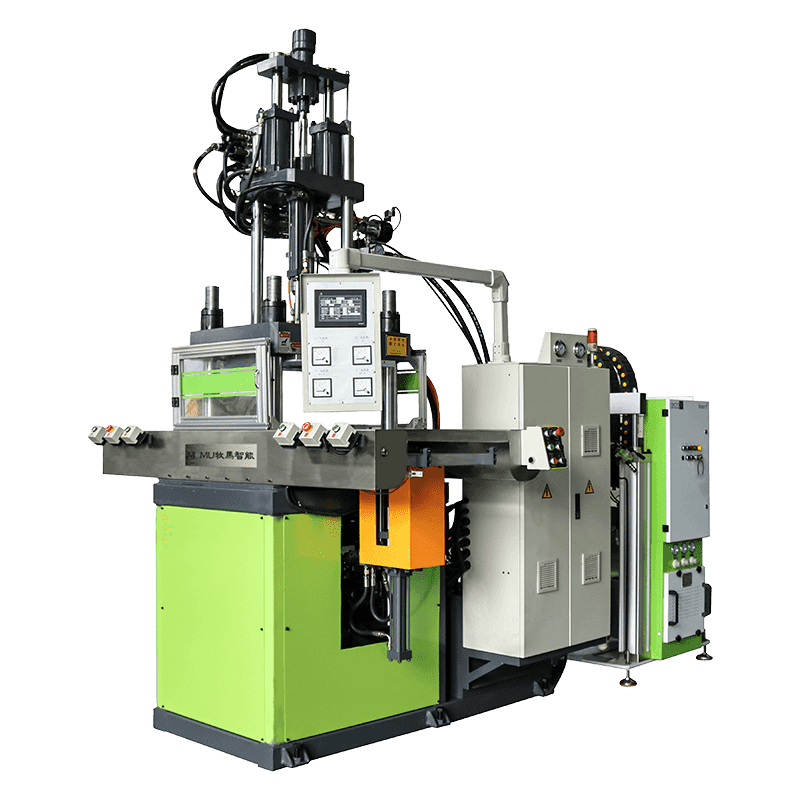
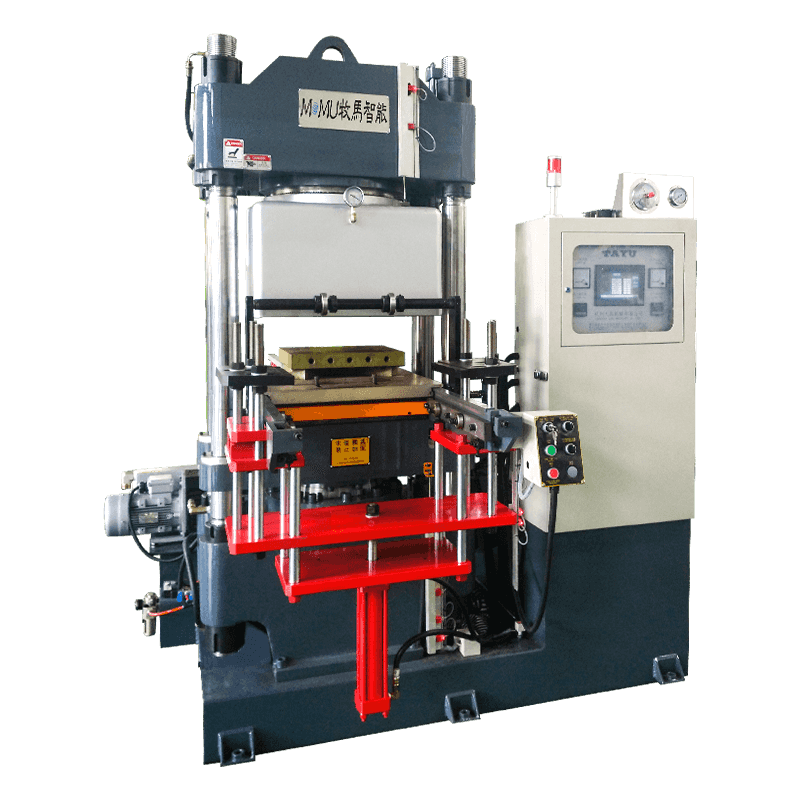
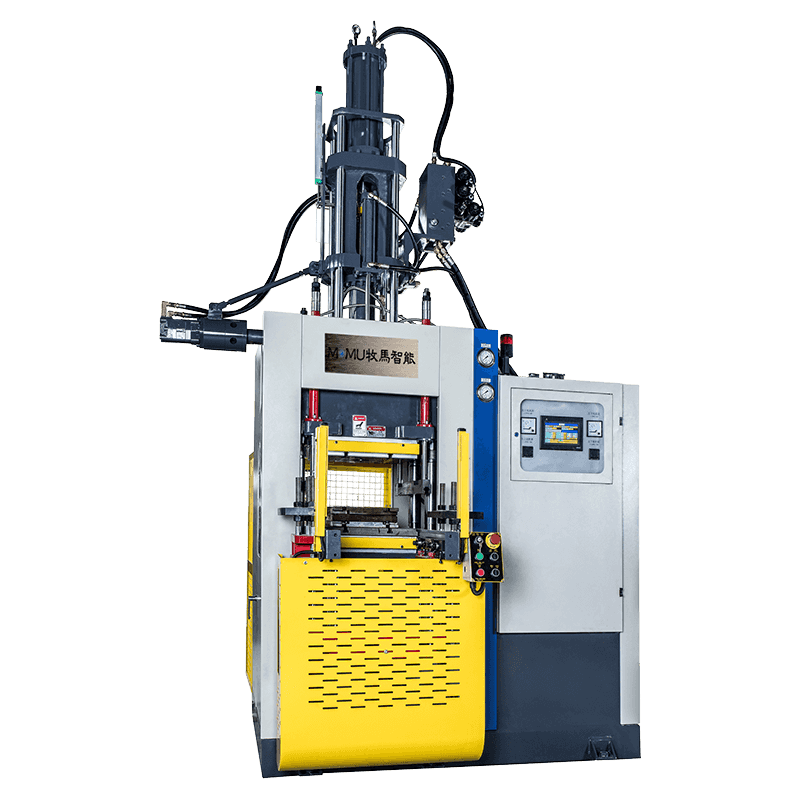 Vertical Rubber (Silicone) Injection Molding MachineItem Unit TRV-100 TRV-155 TRV-210 TRV-260 TRV-330 TRV-395 TRV-440 TRV-550 Clamping force Ton 100 155 210 260 330 395 440 550 Injection Capacity cc 300 600 1500 2000 25...View Product →
Matching the Machine to the Part You Produce
The best starting point for any machine comparison is the part itself. A precision oil seal, a thin-walled silicone hollow casing, a C-shaped sealing strip corner and a power insulator share very little in the way of mold layout, insert handling or cure profile. Insulators and hollow casings, for example, need controlled injection pressure, careful venting and stable clamping, because the wall section is thin and the electrical requirement leaves no room for voids or flow lines.
Bring drawings, compound data and your target cycle time to the conversation. A supplier who asks about wall thickness and insert handling before talking about price is asking the right questions.
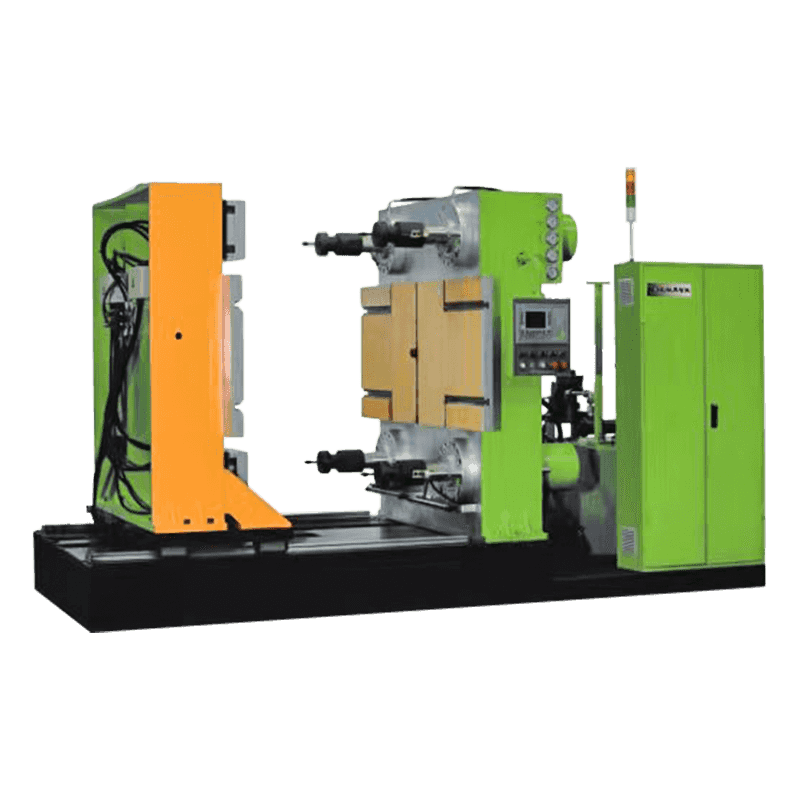
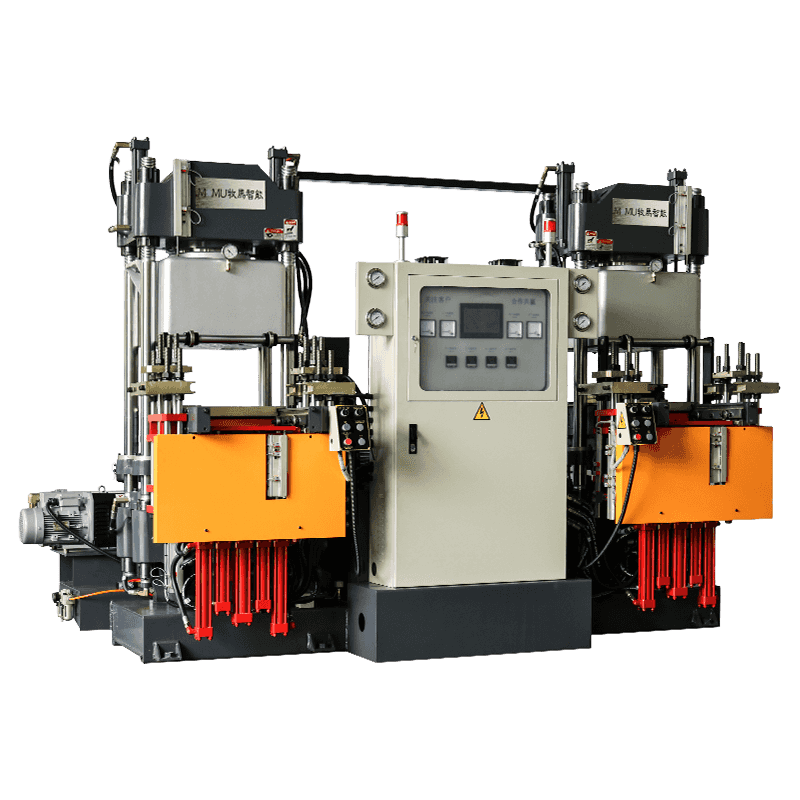
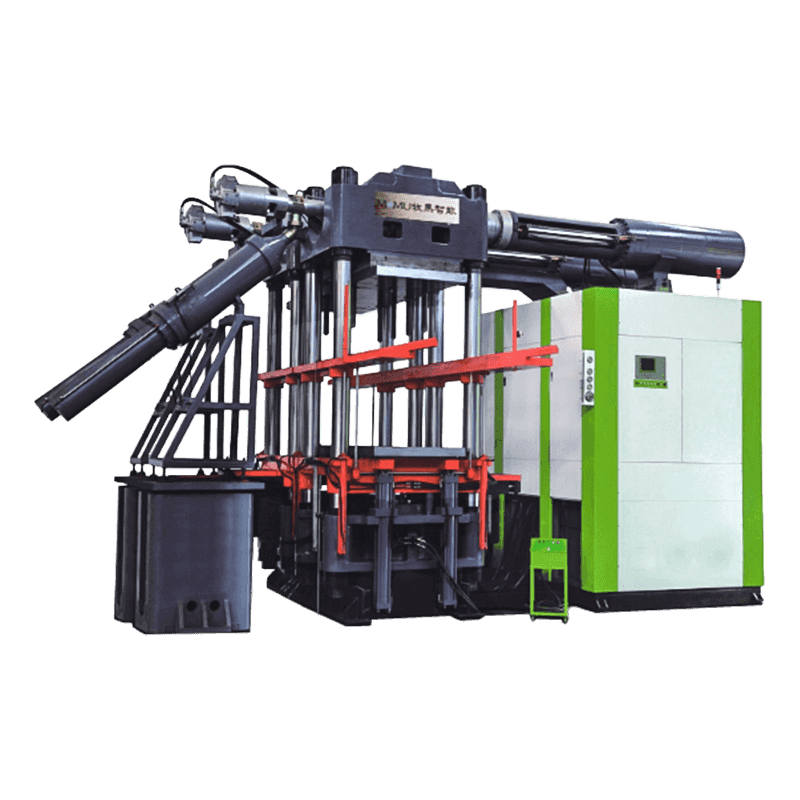 Special Injection Molding Machine For Silicone InsulatorsItem Unit TRS-330 TRS-550 TRS-1100 TRS-1300 Clamping force Ton 330 550 1100 1300 Injection Capacity cc 5000/8000 10000/13000 25000 23000*2 Heated plate size mm 650*120...View Product →
Service, Spare Parts and the Real Cost of Downtime
A molding machine is a long-term asset, and the supplier relationship lasts far longer than the purchase. A partner four time zones away who cannot ship a hydraulic valve or a temperature controller quickly becomes expensive, however good the machine is. Ask about local agents, spare-parts stock, remote diagnostics and operator training before you compare prices.
It is also worth asking how the machine will behave once your plant moves toward automation. Molders planning to link presses into automated production lines should raise that topic during the technical review, not after installation, because interface signals and safety logic are far easier to specify in advance.
Questions to Ask Before You Place an Order
- Which injection volume and clamping force do you recommend for my part, and what calculation supports that choice?
- Can you run my own compound and send samples together with shot-weight and cycle data?
- How is the FIFO injection chamber temperature controlled, and how many zones does the barrel have?
- How long does a material changeover take, and how much purge compound is lost?
- Where do the hydraulic, electrical and sealing components come from?
- What exactly is included in delivery, installation, commissioning and training?
- What does the warranty cover, and how quickly can spare parts reach my country?
Why Buyers Work With Momu
Momu designs and manufactures rubber injection machines, silicone injection machines, vacuum vulcanizing machines, flat vulcanizing presses and special equipment for BMC, liquid silicone, sealing strips, oil seals and power insulators. Our engineers work with European technology and with research institutes, and we build each machine around imported hydraulic, electrical and sealing components because stability and service life are decided by those parts. More than a thousand customers later, we still believe the honest answer to a technical question is worth more than a quick signature, and our agents across Asia, Europe and South America are there to keep machines running.
Choosing among FIFO rubber injection molding machine suppliers comes down to three questions: can the machine handle my compound, will it hold my tolerance, and can the supplier support it for the next decade? Send us a part drawing, a compound data sheet and your target cycle time, and we will tell you plainly whether a FIFO injection machine is the right answer for your product, and which configuration we would recommend.