Search
 English
 中文简体
中文简体 Español
Content
- 1 What Makes BMC Different from Ordinary Molding Materials
- 2 Injection Molding or Compression Press: Which Process Fits Your Parts?
- 3 Key Features to Evaluate in a BMC Special Molding Machine
- 4 Where BMC Parts Are Used and What That Means for Equipment Selection
- 5 How to Compare BMC Special Molding Machine Manufacturers
- 6 Matching Machine Capabilities to Your Production Program
Bulk molding compound behaves nothing like a standard thermoplastic pellet, and that single fact shapes every machine built to process it. BMC combines polyester resin with chopped glass fibre, mineral filler and catalyst into a soft, tacky paste that has to be handled gently, dosed accurately and cured inside a heated mould. Comparing BMC special molding machine manufacturers therefore means comparing process understanding as much as tonnage and price. This guide walks through the material itself, the two main forming routes, the features worth inspecting on the shop floor, and the questions that separate a dependable supplier from a printed catalogue.
What Makes BMC Different from Ordinary Molding Materials
BMC is a thermoset. Once the resin cross-links in the mould, the part will not soften again, which is exactly why the material suits electrical and under-the-bonnet components that must keep their shape at temperature. Before cure, however, the compound is a heavily filled paste whose viscosity shifts with temperature and storage time, and whose glass content can vary widely from one formulation to the next.
Two practical consequences follow. First, the plasticating system has to move a sticky, low-bulk-density material without bridging in the feed throat or building up on the screw flights. Second, the glass fibres need to arrive in the cavity largely intact and reasonably evenly distributed, because fibre length and orientation decide mechanical strength. A general-purpose injection unit borrowed from thermoplastic work will compress the compound too aggressively, break the fibres and wear out quickly, since mineral fillers are abrasive.
That is why a genuine BMC special molding machine uses a purpose-designed barrel, a low-compression screw with generous flights, hardened wear surfaces and tighter temperature control in the feed zone. The machine is built around the material rather than adapted to it after delivery.
Injection Molding or Compression Press: Which Process Fits Your Parts?
BMC parts are produced mainly by injection molding or by compression molding on a press, and the better answer depends on geometry, fibre length, volume and tolerance.
Injection molding meters a precise shot into a closed, heated mould. It supports metal inserts, complex three-dimensional shapes, short cycles and repeatable part weight, which matters when you run high volumes or components with tight dimensional requirements.
Compression presses place a weighed charge in the open cavity, then close and cure under pressure. This route is often preferred for very long fibres, large flat parts and lower tooling budgets, because material flows less and fibre degradation is reduced. Charge placement and flow inside the cavity then become critical, and even distribution is one of the classic challenges on this route; our technical note on how even material distribution is achieved in the mold explores that in more detail.
| Consideration | BMC Injection Molding | BMC Compression Press |
|---|---|---|
| Material feed | Metered shot from a sealed barrel | Weighed charge placed by hand or robot |
| Fibre integrity | Moderate shear, manageable with correct screw | Highest fibre retention, minimal flow |
| Cycle consistency | High, part weight is repeatable | Depends on charge accuracy and discipline |
| Part geometry | Complex 3D shapes, inserts, thin walls | Large flat parts with simple sections |
| Tooling cost | Higher, mould must be precise and hardened | Usually lower and simpler to maintain |
| Typical volume | Medium to high, long runs | Low to medium, or very large parts |
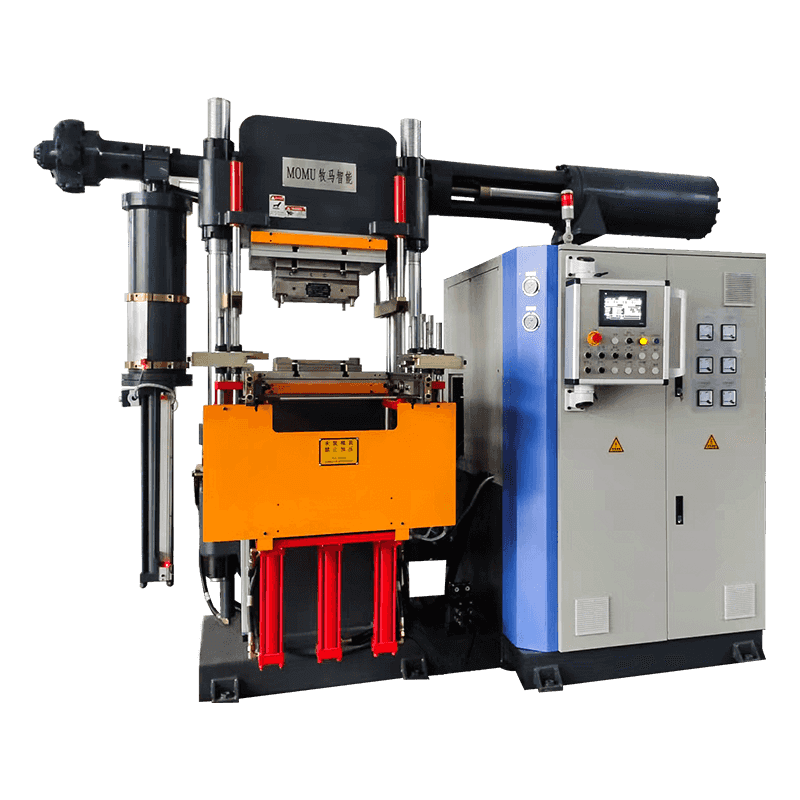
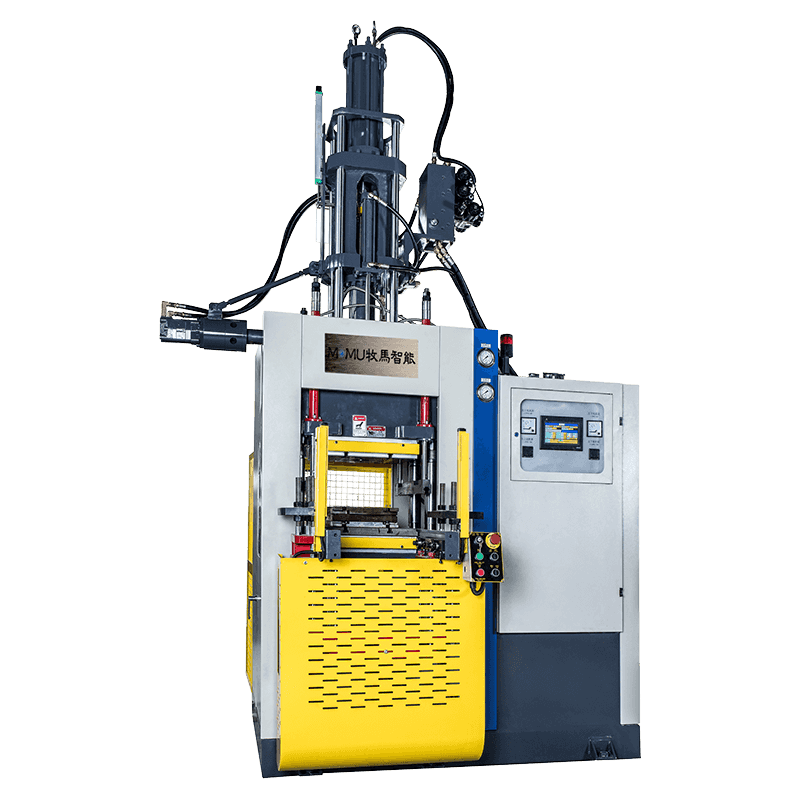
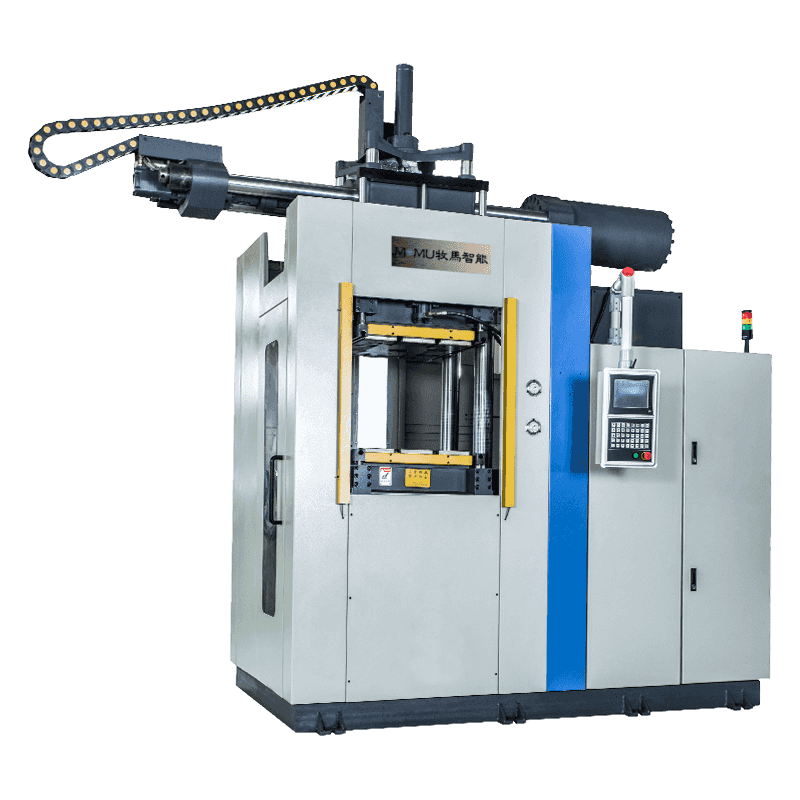
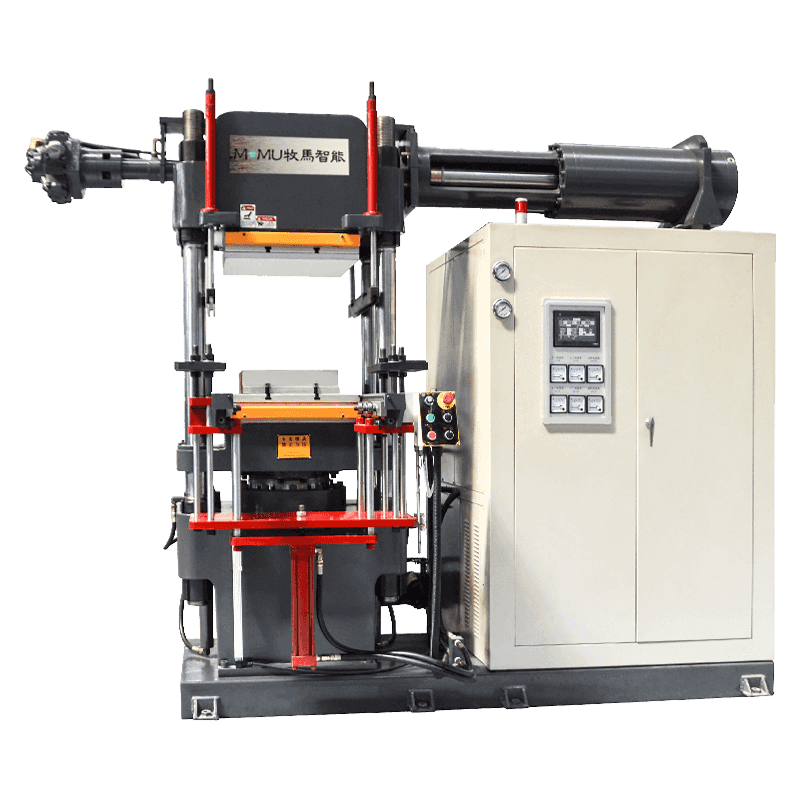
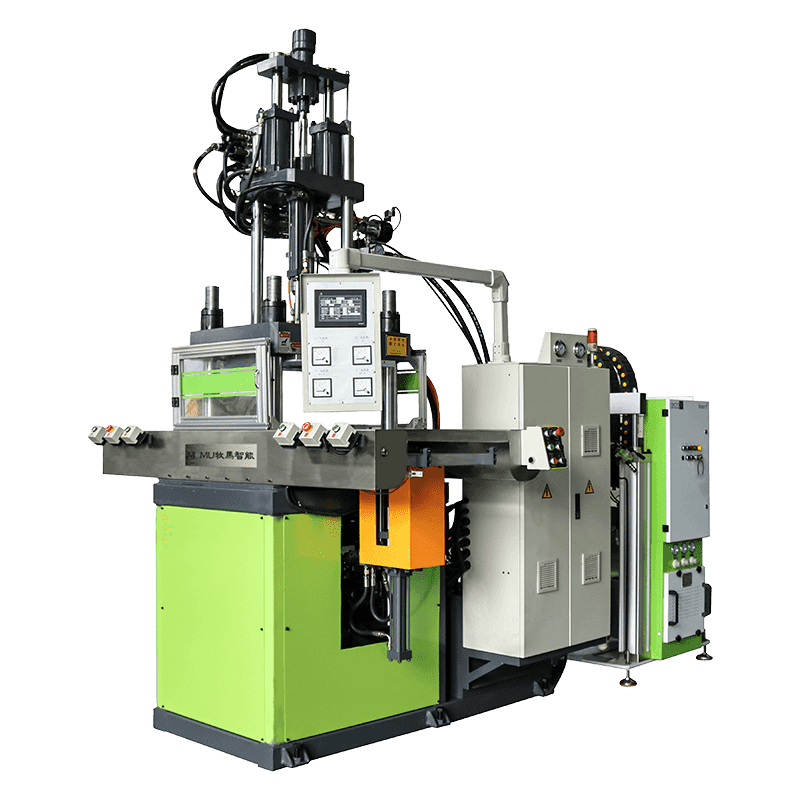
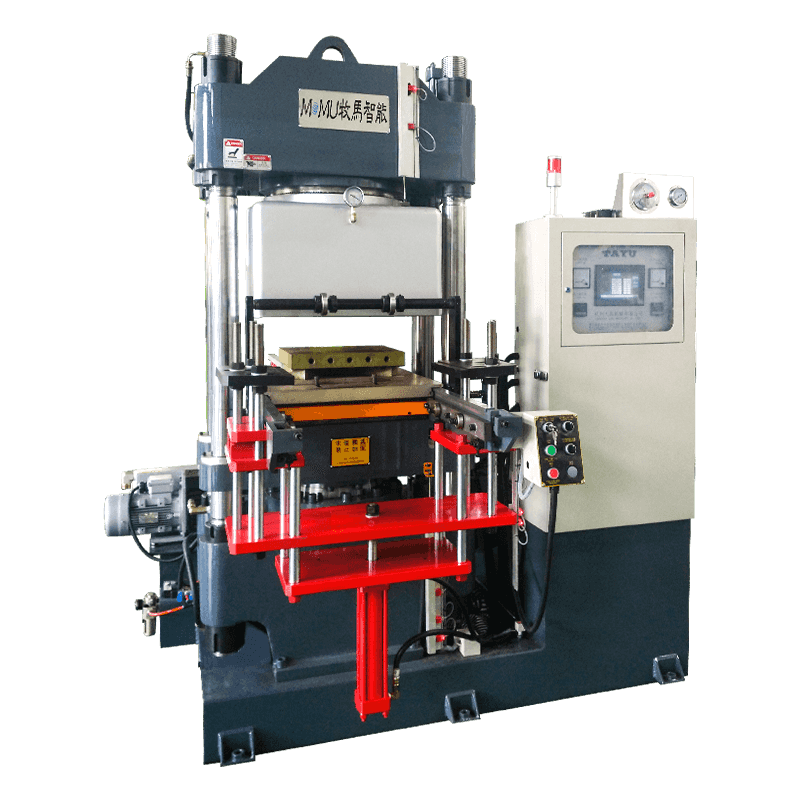
Both routes sit inside our own product range, so the decision can stay with your part instead of with our catalogue. Injection programs are served by the BMC special injection molding machine, while press-based programs are covered by the BMC special injection press.
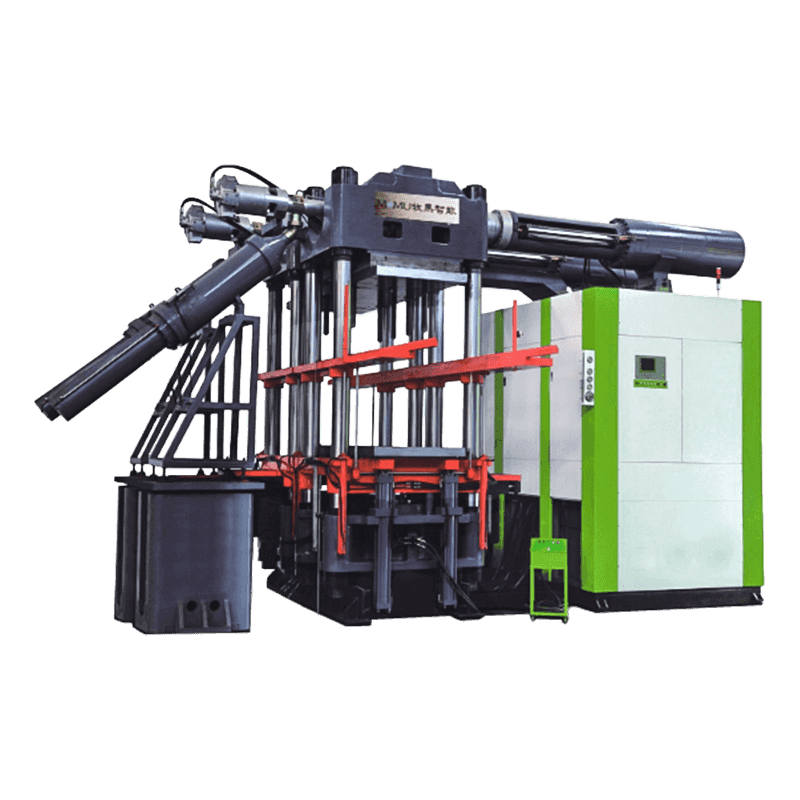
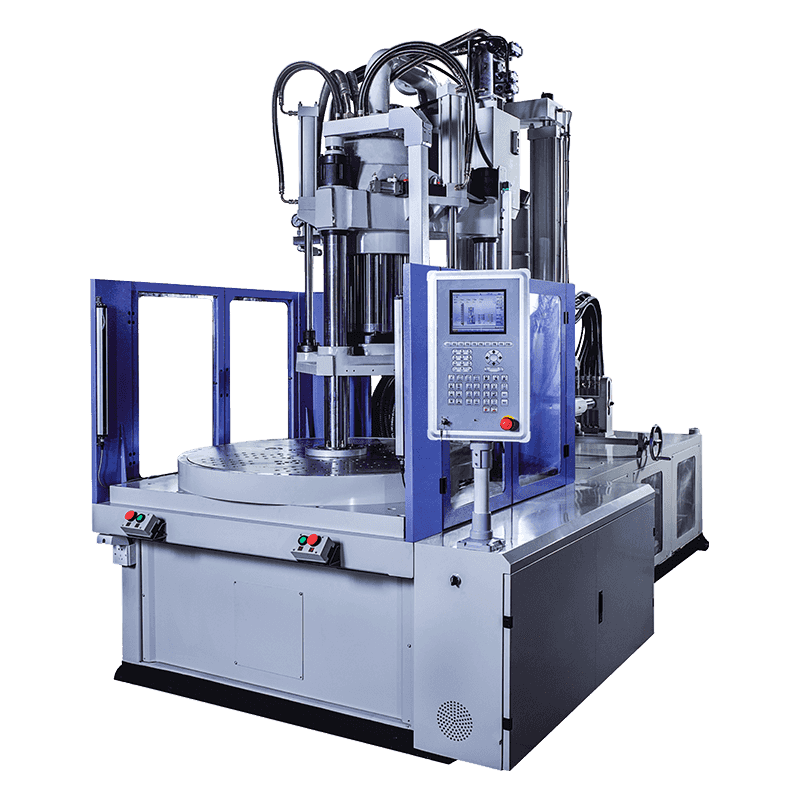 BMC Special Injection Molding Machine for Injection ProgramsA BMC injection molding machine with 100–440-ton clamping force, intended for injection-based programs; compare its specifications to match part and production requirements.View Product →
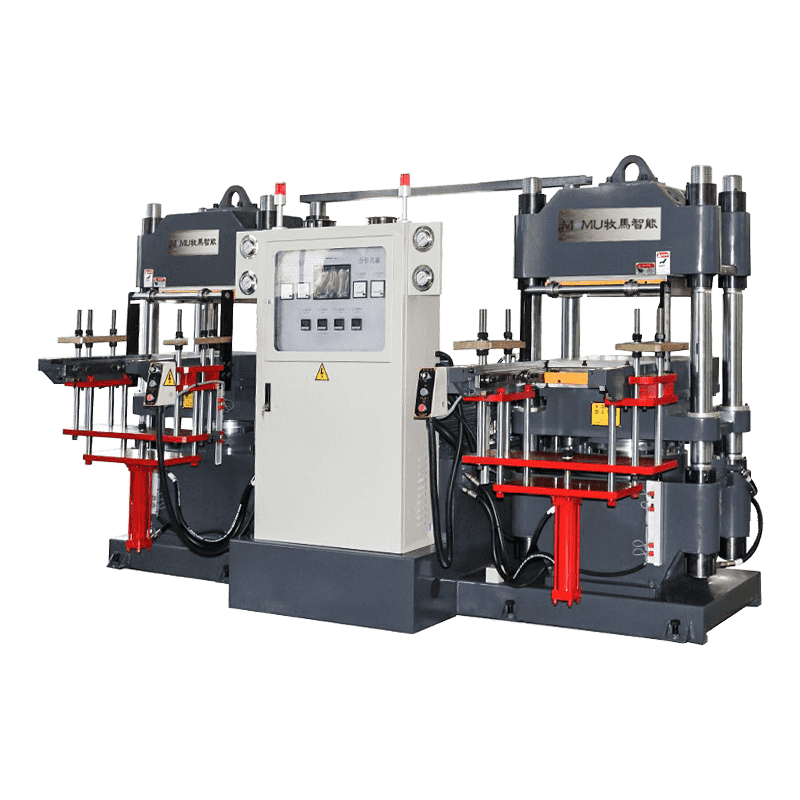
 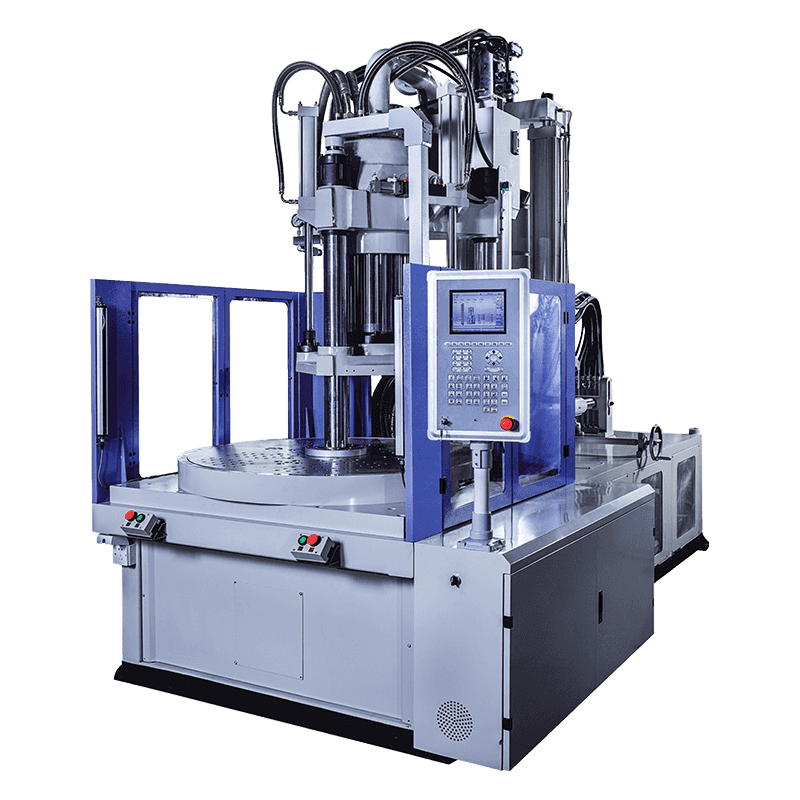 BMC Special Injection Press for Press-Based Molding ProgramsA BMC injection press available with 120–220-ton clamping force, suited to press-based programs; its specifications help users assess fit for their molding needs.View Product →
Key Features to Evaluate in a BMC Special Molding Machine
When you stand next to a machine with a supplier's engineer, these are the points that reveal how much thought went into the design.
- Screw and barrel specification: check compression ratio, flight geometry, surface hardening and whether the supplier will share the drawing rather than just the model number.
- Shot repeatability: ask for the dosing tolerance in grams across a full shift, not only on the first cycle after warm-up.
- Clamp behaviour: parallelism and pressure distribution under load protect both the part and the mould, especially with inserts and multi-cavity tools.
- Temperature control: barrel zone stability, mould heating method and the speed at which the machine recovers after a stoppage all affect cure consistency.
- Decompression and venting: controlled breathing releases gas without scorching the surface or pulling fibres apart at the gate.
- Automation and data: interfaces for dosing units, robots and traceability systems save labour and make quality problems traceable.
- Serviceability: easy access to the injection unit, clearly identified wear parts and a genuine spare-part stock are worth more than a small saving on price.
Where BMC Parts Are Used and What That Means for Equipment Selection
BMC earns its place wherever a part must stay rigid, resist heat and hold electrical properties for years. Typical examples include automotive headlamp housings, under-hood brackets and pump bodies; electrical and electronic housings, connectors, sensor bodies, switchgear and meter enclosures; and appliance or industrial items such as handles, motor housings and tool bodies.
Those end uses translate directly into machine requirements. Flame-retardant grades run hotter and often cure faster, so temperature stability becomes critical. Components with metal inserts need a clamp that holds parallelism under load, and thin-walled housings need a shot that fills completely before the material gels. A machine that performs well on a small connector may be entirely wrong for a large enclosure, which is why the part drawing should be the starting point of every machine discussion.
How to Compare BMC Special Molding Machine Manufacturers
The fastest way to separate serious builders from resellers is to ask for evidence rather than brochures.
- Ask what they manufacture in house and what they buy in, and request the component list for the hydraulic and electrical systems.
- Request a trial with your own compound, then inspect part weight variation, fibre appearance on a fracture surface and cycle time stability.
- Check references in your own segment and region, and ask how long those machines have been running.
- Discuss spare parts, remote support, engineer visits and operator training before the contract, not after a breakdown.
- Compare running costs: energy consumption, wear-part life, mould compatibility and expected downtime all belong in the total figure.
- Look at how the supplier develops its own technology, since continuous improvement inside the factory usually shows up as better machines on your floor.
Our approach to innovation-driven intelligent manufacturing describes how that development work is organised in practice.
We are a molding machine manufacturer based in Huzhou, China, founded in 2016 and focused on rubber and plastic forming equipment. Alongside the BMC line we build liquid silicone injection machines, silicone and rubber injection machines, rubber compression machines, vacuum vulcanizing machines and dedicated machines for power insulators, sealing strip corners and oil seals. Critical hydraulic, electrical and sealing components are imported to support stability and service life, and our technical and after-sales departments work with customers in more than ten countries through local agents.
Matching Machine Capabilities to Your Production Program
A machine choice is really a production decision. The correct tonnage, screw design, shot size and level of automation follow from three numbers: the largest projected area of your part, the annual volume you expect, and the tolerance you must hold. Bring those figures together with a material datasheet and a mould concept, and the shortlist narrows quickly.
It also helps to think one step ahead. If your programme may later move to liquid silicone or rubber parts, a supplier with a broader forming portfolio can support that transition without a second learning curve. If your parts will stay in BMC, depth in thermoset processing matters more than breadth.
The right BMC machine is the one that fits your part, your compound and your production rhythm. Send us a drawing, a material datasheet and your expected annual volume, and we will recommend a configuration, run a trial and quote the tooling interface together with the machine. That conversation costs nothing, and it usually saves far more than the discount a cheaper press appears to offer.