Search
 English
 中文简体
中文简体 Español
Content
- 1 What Makes BMC Different as a Molding Material
- 2 BMC Special Injection Molding Machine
- 3 BMC Special Injection Press
- 4 Key Factors to Consider When Selecting a BMC Molding Machine
- 5 Common Applications for BMC Molded Parts
- 6 Why Manufacturers Choose MOMU for BMC Equipment
- 7 Getting the Most from Your BMC Molding Process
- 8 Conclusion
BMC (Bulk Molding Compound) is a glass-fiber-reinforced thermoset material known for outstanding electrical insulation, heat resistance, and dimensional stability. Molding it, however, is not like processing ordinary thermoplastics. BMC is abrasive, thick, and cures permanently under heat and pressure. That is why a BMC special molding machine must be engineered specifically for these demanding conditions. At MOMU Machinery, we have spent years refining this equipment to help manufacturers turn BMC into high-quality components with repeatable, profitable cycles.
What Makes BMC Different as a Molding Material
BMC is a dough-like compound made from unsaturated polyester resin, chopped glass fibers, mineral fillers, and additives. Because it is a thermoset, it cannot be remelted. Once the curing reaction begins, the material sets permanently, which makes process control a top priority. If the compound cures too early inside the barrel, it can damage the machine. If the mold is not hot enough, the part may come out weak or under-filled. The abrasive glass fibers also wear any surface they touch, so screws, barrels, check rings, and molds all need hardened materials and careful design.
There are two main ways to mold BMC, and each has distinct advantages:
| Process | Material Feeding | Cycle Efficiency | Typical Parts | Key Advantage |
|---|---|---|---|---|
| BMC Injection Molding | Automated screw injection | Faster cycles | Complex, medium-sized parts | High productivity and consistency |
| BMC Compression Molding | Pre-weighed charge in mold | Slower but robust cycles | Large or deep parts | Lower tooling cost, high strength |
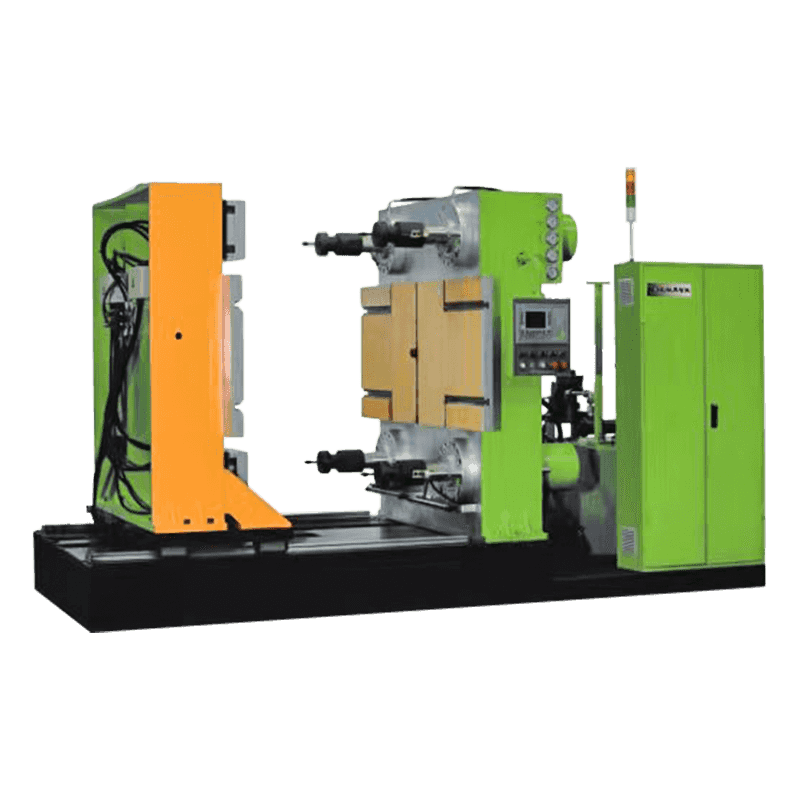
Both processes require a machine with high clamping force, stable mold temperature control, and durable contact surfaces. That is why our BMC product range includes both a special injection molding machine and a special injection press, so you can match the process to the part you need to produce.
BMC Special Injection Molding Machine
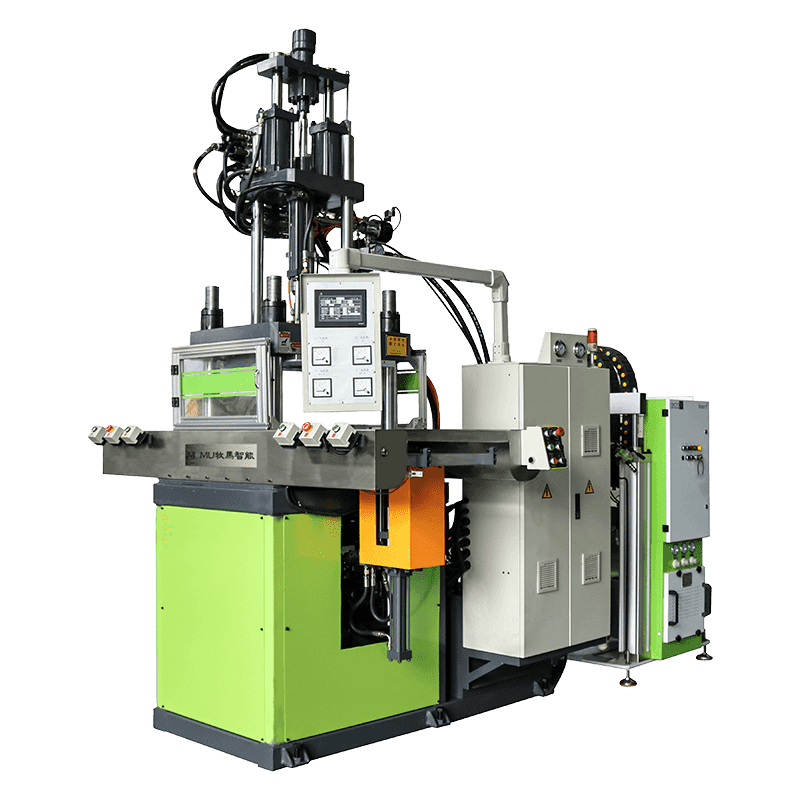
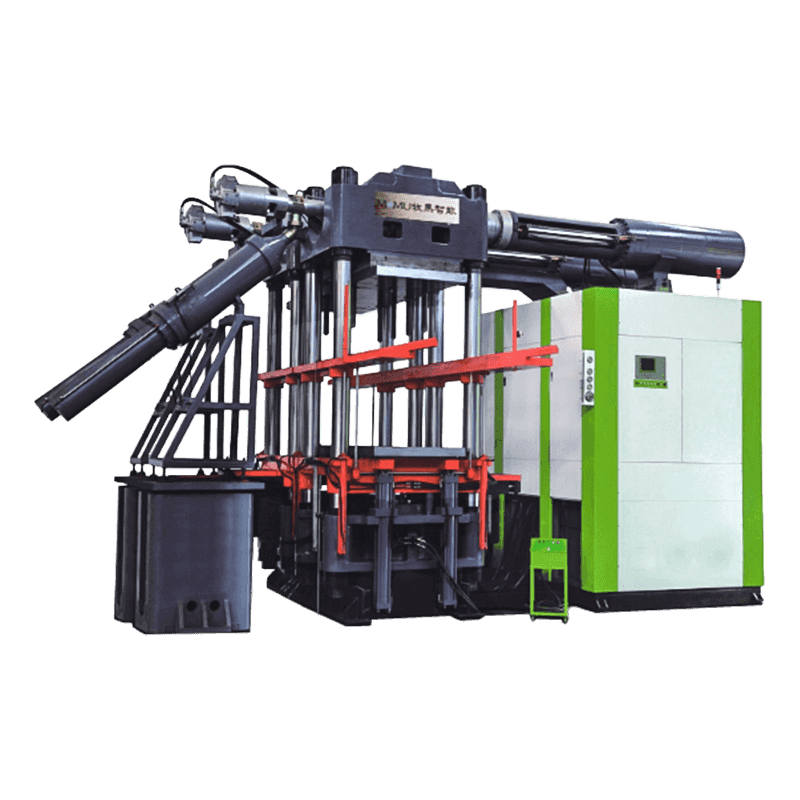
The BMC special injection molding machine is the right choice when you need high efficiency and automated operation. Its injection unit is designed to handle a highly viscous, abrasive compound. A specially developed screw and barrel combination resists wear, while precise shot control ensures that every cavity fills consistently, shot after shot.
Temperature control deserves special attention in injection molding. The barrel must plasticize the BMC without triggering premature curing, while the mold must remain hot enough to cure the part quickly. Our machine controls these zones independently, giving operators a stable process window that can be fine-tuned when material batches change.
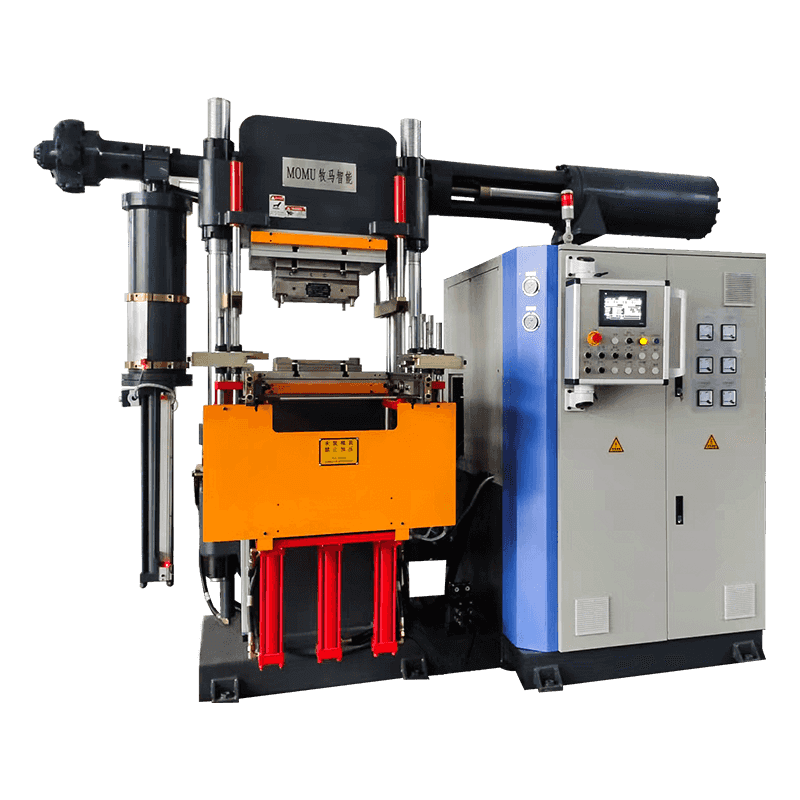
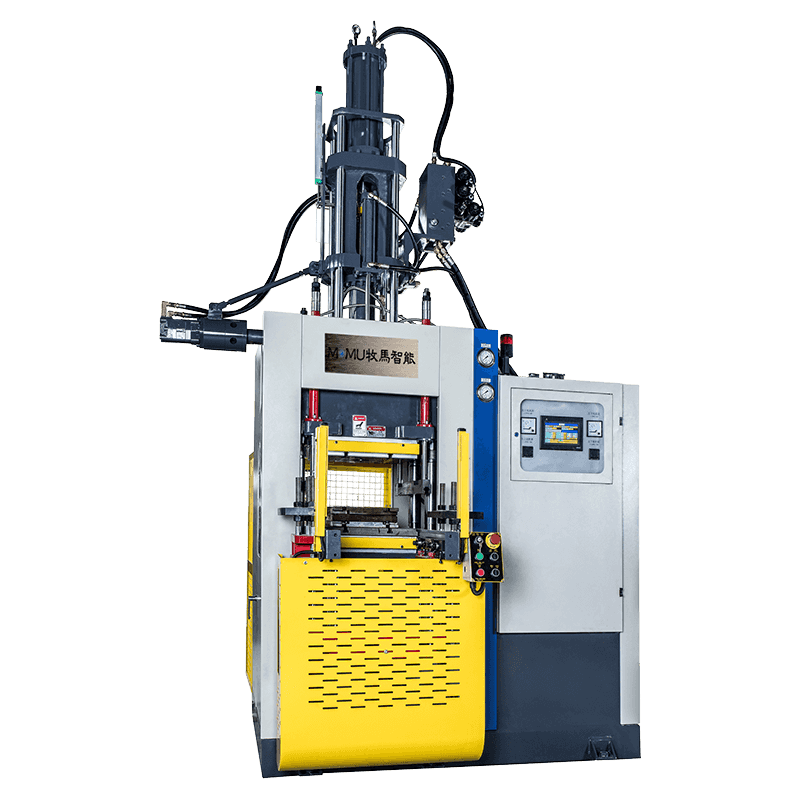
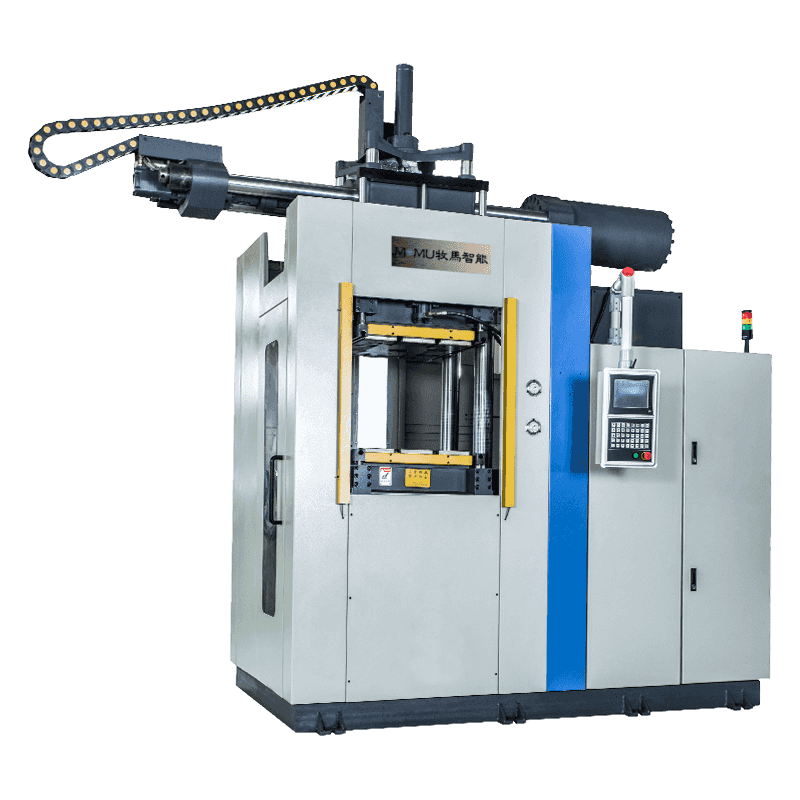
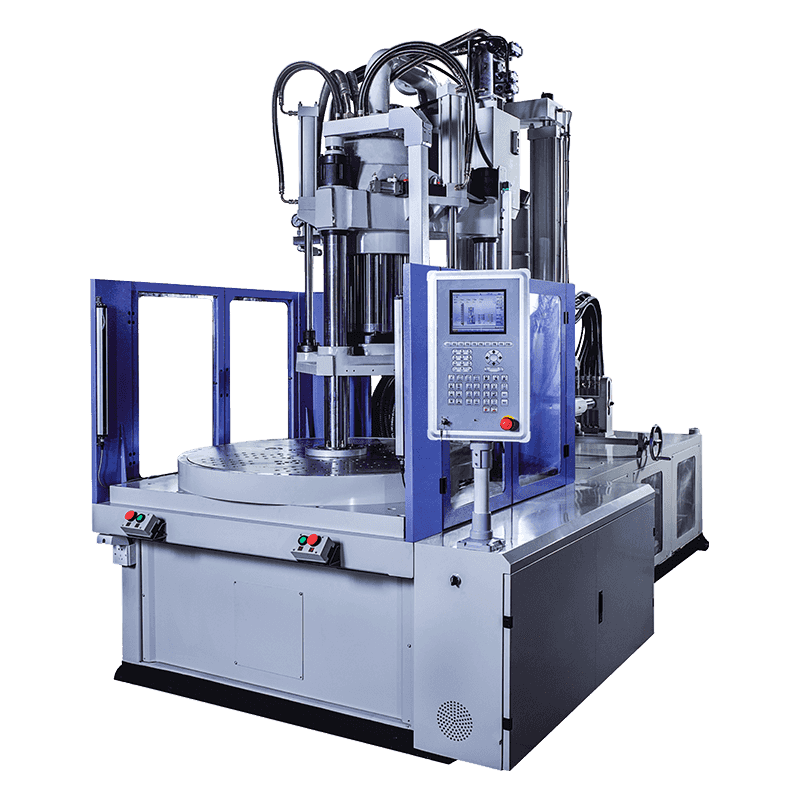 BMC Special Injection Molding Machine with Independent Temperature ZonesThis machine offers rigid clamping and configurable tonnage for low-deflection molding. Its independently controlled barrel and mold temperatures help prevent premature curing, making it suitable for BMC parts from small electrical components to larger structural pieces.View Product →
The rigid clamping unit keeps mold deflection low, preserving part dimensions even at high injection pressures. With configurable tonnage and injection volume, this machine suits both small electrical components and larger structural parts.
BMC Special Injection Press
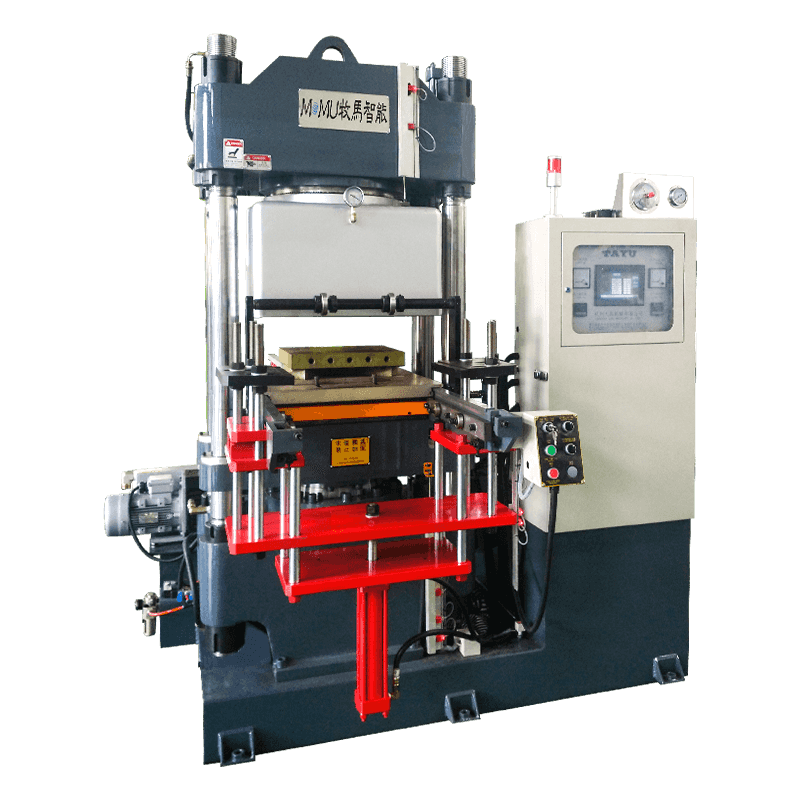
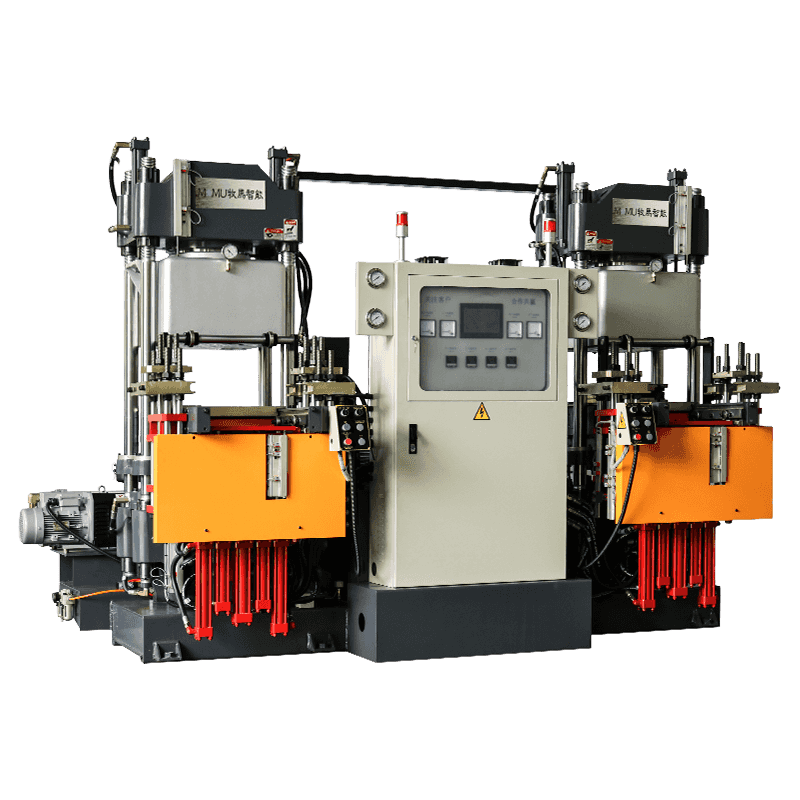
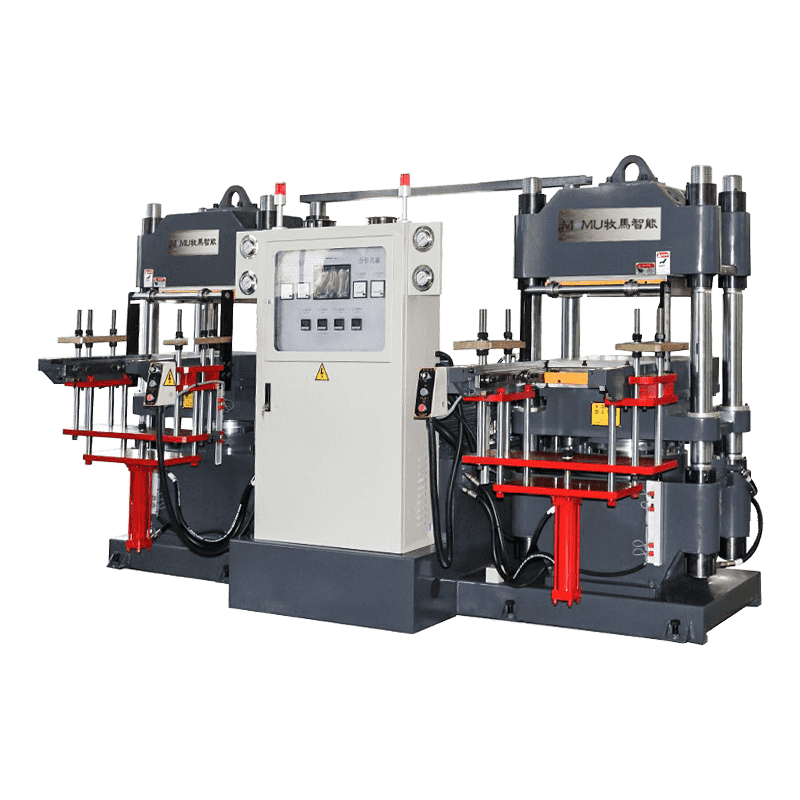
When your parts are large, thick, or deeply drawn, compression molding with a BMC special injection press is often the more economical route. The operator places a precisely weighed charge of BMC into the open, heated mold, and the press closes under controlled speed and pressure, forcing the compound to fill the cavity as it cures.
The press frame is built to deliver high clamping force with minimal deflection, which is essential for holding tight tolerances on large parts. The hydraulic system lets the operator adjust pressing speed, pressure, and holding time for each job, giving you the flexibility to run a variety of products on one machine.
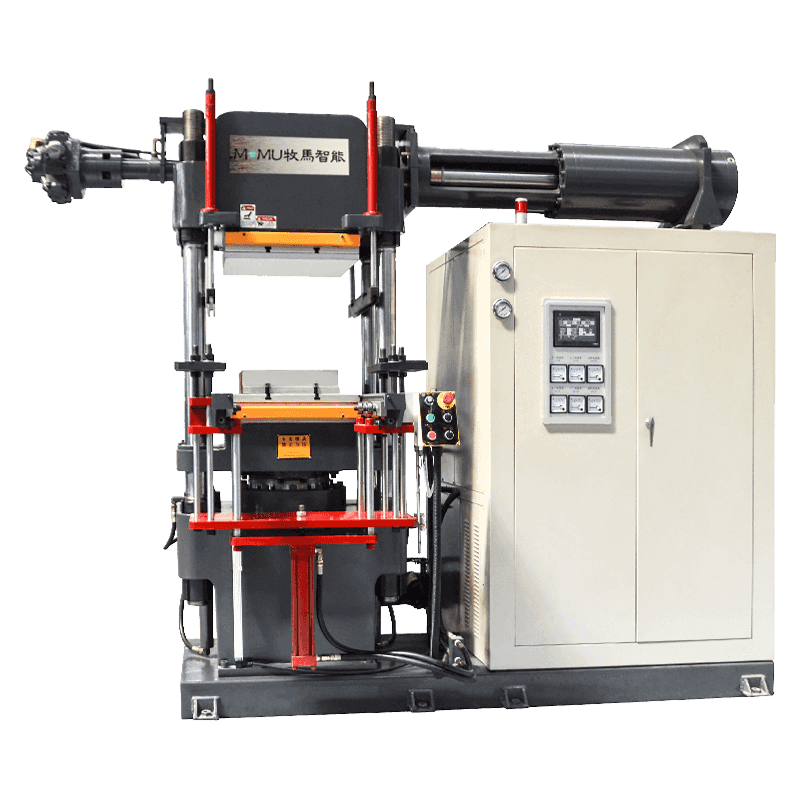
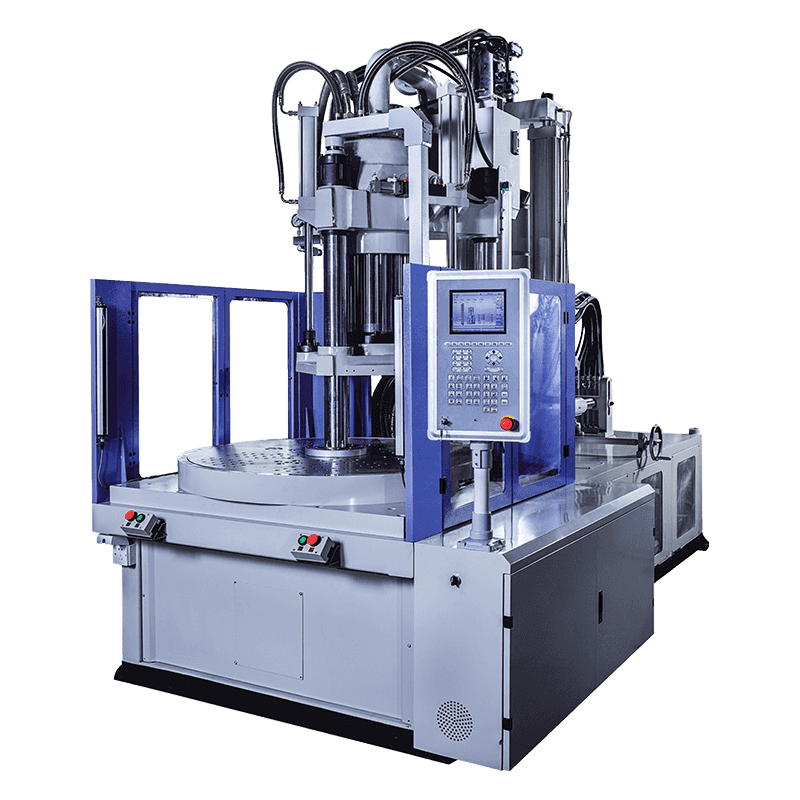 BMC Special Injection Press with Adjustable Hydraulic ControlBuilt for high clamping force with minimal deflection, this press lets operators adjust speed, pressure, and holding time. It suits large-format electrical, automotive, and appliance parts, offering flexibility for various products on one machine.View Product →
This approach is especially popular in the electrical, automotive, and appliance industries, where large-format parts or existing tooling make compression molding a practical and cost-effective choice.
Key Factors to Consider When Selecting a BMC Molding Machine
Choosing between injection and compression molding depends on the geometry of your parts and your production volume. No matter which process you select, keep these factors in mind:
- Clamping force: The machine must hold the mold closed against internal pressure without flash or dimensional variation.
- Wear-resistant parts: BMC glass fibers quickly wear standard steel components, so hardened screws, barrels, and platens are essential for long service life.
- Temperature control: Independent heating zones in the barrel and mold prevent premature curing and keep cycle times short.
- Process programmability: Storing and recalling pressure, speed, temperature, and timing profiles reduces setup time and maintains consistency.
- Automation options: Automatic material feeding, hydraulic ejection, and part handling improve productivity and worker safety.
- Service and spare parts: Reliable local support and a stable supply of spare parts protect your production over the machine's lifetime.
Look at your existing molds and future jobs. If you run a mix of parts, a machine with flexible controls and quick setup will give you the best return on investment.
Common Applications for BMC Molded Parts
BMC is specified wherever the combination of strength, electrical insulation, flame resistance, and dimensional stability is critical. Typical parts include:
- Electrical: switchgear components, circuit breakers, motor brush holders, and insulator housings
- Automotive: headlamp reflectors, distributor caps, and intake air components
- Industrial: pump impellers, fan blades, commutators, and sliding wear parts
- Home appliances: motor housings, control boxes, and cookware handles
Each of these applications benefits from a molding machine that can repeat the same parameters for hundreds of thousands of cycles. That consistency is exactly where a BMC special molding machine makes the biggest difference.
Why Manufacturers Choose MOMU for BMC Equipment
Since 2016, MOMU Machinery has focused on the research and production of rubber and thermoset molding machines. Our BMC line is built with the same quality philosophy we apply across the entire product family: imported hydraulic components, reliable electrical controls, and high-grade seals from recognized European and Japanese suppliers, all integrated to ensure machine stability and a long service life.
We serve customers in more than ten countries through overseas agents and domestic offices, and our after-sales team is structured to respond quickly when you need help. When you choose a MOMU BMC special molding machine, you are not simply buying equipment; you are getting a partner who understands molding processes and production realities. Learn more about our company and quality commitment, and follow our industry news for the latest insights.
Getting the Most from Your BMC Molding Process
Successful BMC molding also depends on what happens around the machine. Store the compound in a cool, sealed container to prevent it from thickening. In compression molding, keep the charge weight consistent from shot to shot. In injection molding, adjust screw speed and back pressure to avoid excessive shear heating. Small changes in material batch or ambient temperature can shift the process, so train your operators to recognize and correct these variations early.
Preventive maintenance is just as important. Because BMC is abrasive, inspect the screw, barrel, check ring, and mold surfaces on a regular schedule. Replacing worn parts early is far less costly than a sudden production stoppage.
Conclusion
Choosing the right BMC special molding machine is a long-term production decision. Look beyond the purchase price and compare process control, build quality, durability, and the support you will receive over the machine's lifetime. MOMU Machinery offers both BMC injection molding machines and BMC injection presses, backed by engineering experience and international service.
Send us your part drawings and production requirements. Our team will help you select the right machine and configuration, so you can begin producing high-quality BMC parts with confidence.