Search
 English
 中文简体
中文简体 Español
Content
- 1 What FIFO Really Means Inside a Rubber Injection Machine
- 2 How a FIFO Injection Unit Moves Material, Step by Step
- 3 FIFO and Non-FIFO Injection Units Side by Side
- 4 Which Compounds and Parts Gain the Most from FIFO
- 5 Matching the Unit to Your Machine Layout
- 6 Choosing a FIFO Injection Machine for Your Plant
- 7 Simple Habits That Protect the FIFO Advantage
- 8 Questions We Hear from Molders
If you have ever caught that faint, sharp hint of scorch drifting off a warm barrel, you already know the problem a FIFO injection machine is built to solve. Rubber and silicone compounds are not like thermoplastics. They begin to cure the moment they meet heat, and every extra minute a compound spends waiting inside a warm barrel pushes it a little closer to a state where it will no longer flow the way it should. FIFO, short for first in first out, borrows a principle from warehouse logistics and applies it inside the injection unit: the material that entered the barrel first should also be the material that reaches the mold first.
What FIFO Really Means Inside a Rubber Injection Machine
In everyday conversation, FIFO sounds like common sense. In machine design it describes a specific internal arrangement. Compound enters the plasticizing zone, is warmed and homogenized, and is then pushed forward into the mold in the same order it arrived. Nothing lingers in a corner of the barrel waiting for its turn.
Not every injection unit behaves this way. In a conventional reciprocating screw design, one screw does two jobs: it plasticizes the compound and it injects it. As the screw turns and retracts, material accumulates in front of the tip, and part of that material can remain there across several cycles. The front of the screw becomes a small reservoir where older compound is repeatedly pushed back and blended with fresh compound. That is convenient for machine builders and perfectly acceptable for many plastics, but rubber is far less forgiving about it.
A FIFO unit separates the two jobs. Plasticizing happens in one place, injection happens in another, and the volume of compound that waits between them stays small and predictable.
How a FIFO Injection Unit Moves Material, Step by Step
Walking through one cycle makes the difference easier to picture. On a two-stage FIFO unit the sequence usually looks like this:
- Feeding. Compound is drawn into the plasticizing screw or stuffer and moved forward under controlled shear and temperature.
- Plasticizing. The screw rotates, softening and homogenizing the compound without letting it approach cure temperature.
- Transfer. The metered volume passes into a separate injection chamber sitting in front of a plunger. That chamber is filled fresh every cycle.
- Injection. The plunger advances and drives the whole shot into the cavity in one smooth stroke, so the first material in is the first material through the gate.
- Recovery. The plunger retracts, the screw prepares the next shot, and the cycle restarts with an essentially empty injection chamber.
Because the chamber empties with each shot, the residence time of any given particle is short, repeatable, and easy to estimate, which is exactly what heat-sensitive rubber needs.
FIFO and Non-FIFO Injection Units Side by Side
The difference rarely shows up on a nameplate. It shows up in scrap reports, cavity pressure curves, and how often an operator has to purge a barrel. The table below summarizes where the two designs usually part ways.
| Point of comparison | FIFO injection unit | Non-FIFO injection unit |
|---|---|---|
| Material residence time | Short and repeatable; each shot is a fresh volume | Longer and uneven; material near the screw tip can stay hot for several cycles |
| Scorch risk | Lower, because heat history is controlled | Higher, especially on slow cycles |
| Shot weight consistency | Stable; the plunger displaces a defined volume | Can drift as the cushion in front of the screw changes |
| Cure state at the gate | Uniform across the shot | Variable; older material may already be partly progressed |
| Scrap and flash | Usually lower on large or thin-wall parts | Often higher and harder to predict |
| Changeover and purging | Simpler; little residual compound remains | Requires thorough purging between compounds |
| Typical best fit | Heat-sensitive compounds, long flow paths, quality-critical parts | Simple, short-cycle parts made from robust compounds |
Which Compounds and Parts Gain the Most from FIFO
FIFO pays off whenever a compound has a narrow safety window between flowing well and starting to cure. High-consistency silicone rubber, natural and nitrile rubber grades with fast accelerators, and compounds filled with heat-sensitive additives all sit in that category. When the injection stroke is slow because a part is large or the wall section is thin, a non-FIFO barrel gives the material at the front of the screw extra minutes of heat it never asked for. A FIFO unit removes that variable.
Part geometry matters too. Long runners, multi-cavity tools, and parts with generous wall thickness all extend the time between plasticizing and cavity fill. Oil seals, sealing strip corners, silicone insulators, and hollow casings are good examples of work where a predictable heat history shows up as fewer short shots and steadier dimensions. The same logic applies to liquid silicone rubber injection molding, where the material is even more sensitive to time at temperature than solid rubber.
Matching the Unit to Your Machine Layout
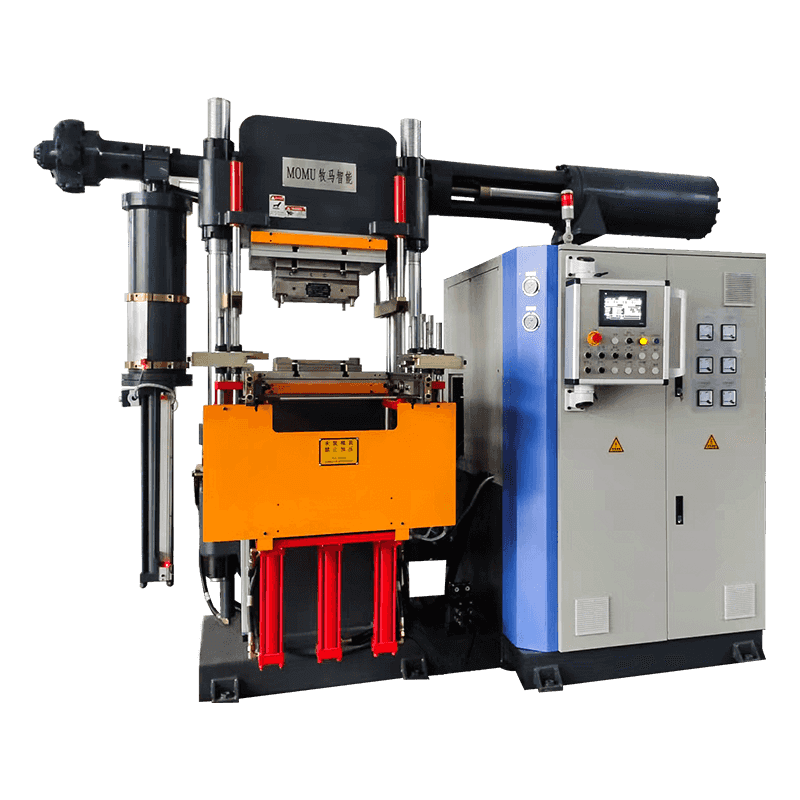
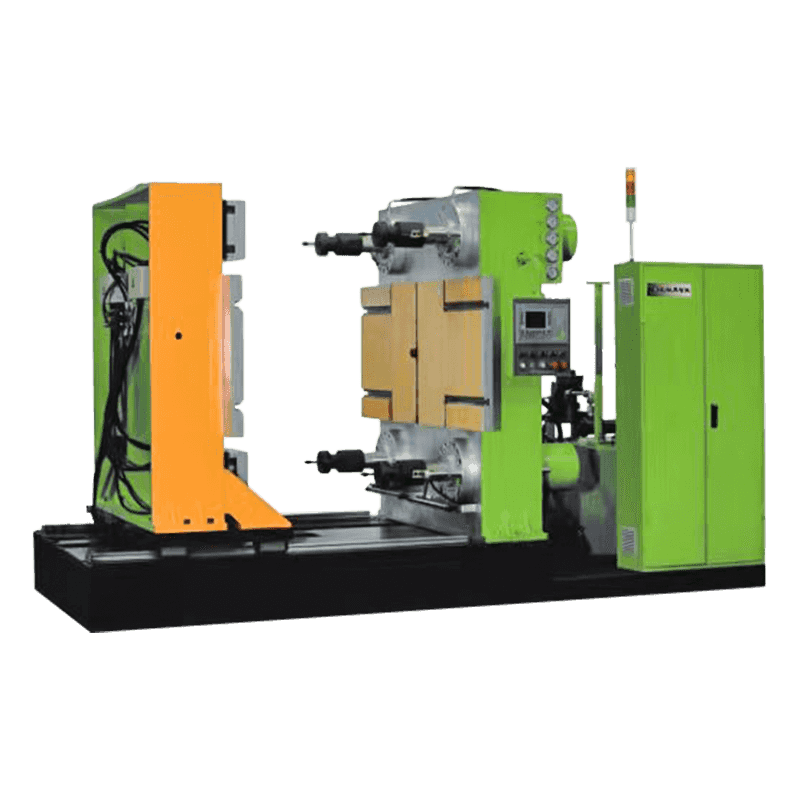
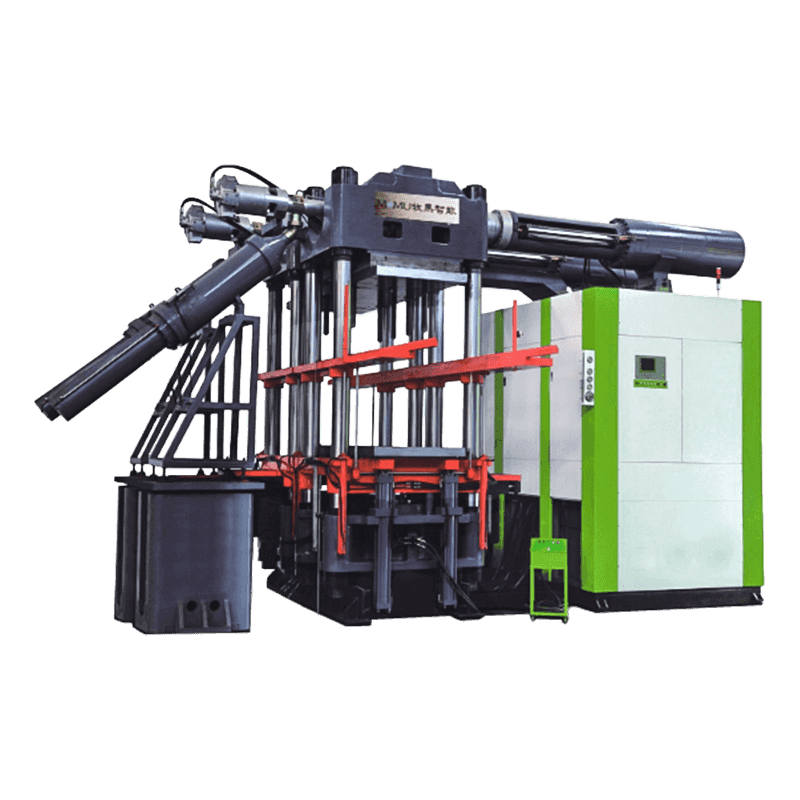
The injection principle is only half the decision. How the machine sits in your plant, and how parts are loaded, often determines whether a FIFO unit delivers the benefit you expect. If operators load inserts or metal bushings from the side and the mold opens horizontally, a horizontal machine with a FIFO injection unit keeps both the loading gesture and the material path simple.
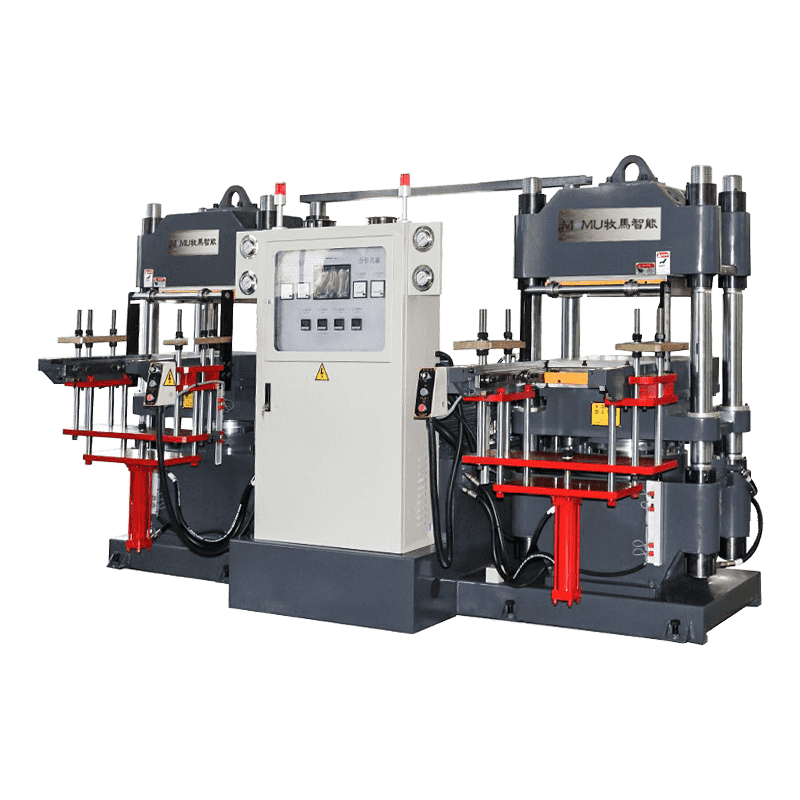
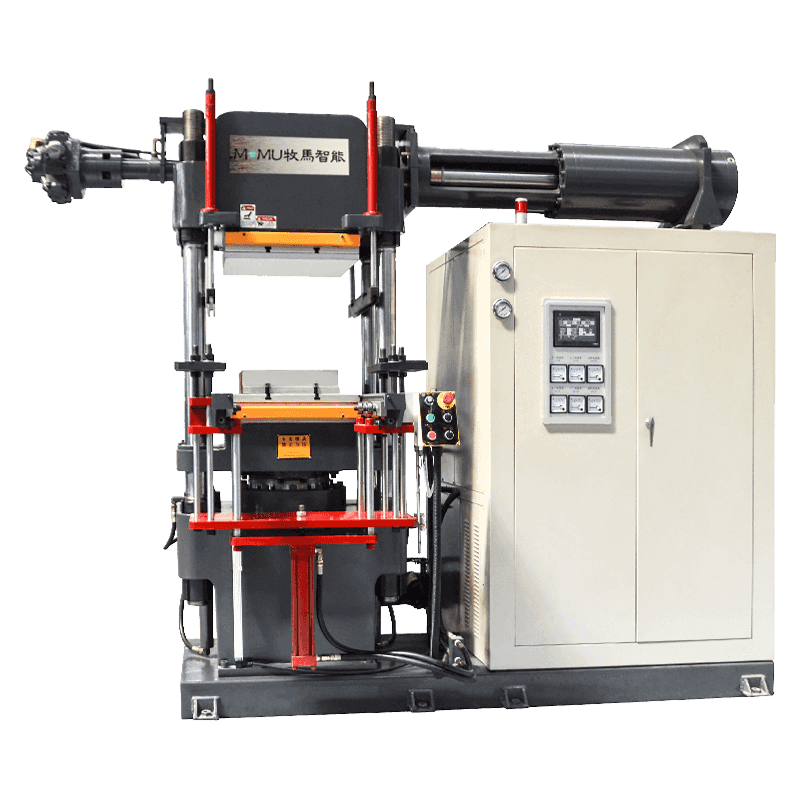 Horizontal Rubber and Silicone Injection Molding MachineHorizontal rubber and silicone injection molding machine with FIFO injection, cold runner design, and precision injection-volume control for automated precision production.View Product →
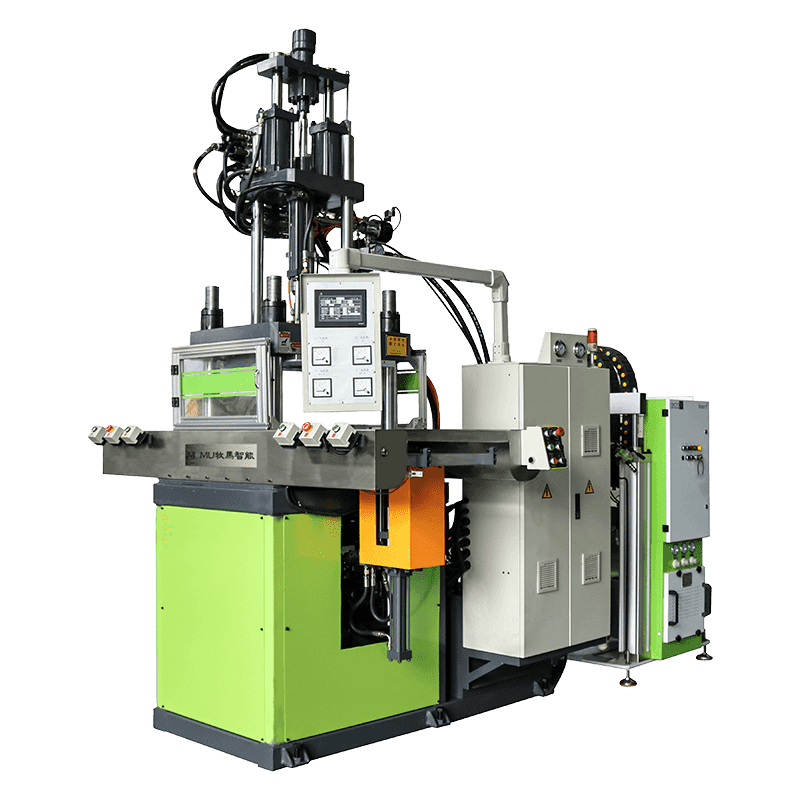
Vertical machines suit workplaces where the mold parting line should be parallel to the floor, such as insert-heavy production or cells where the press sits inside a larger assembly line. A vertical FIFO unit lets gravity help with insert location while still keeping plasticizing and injection separate.
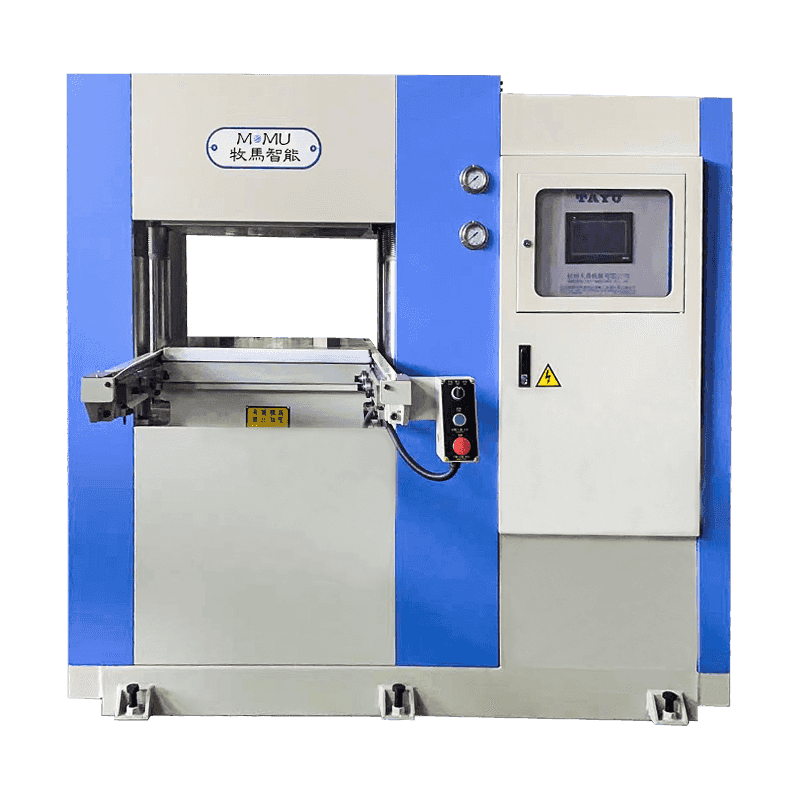
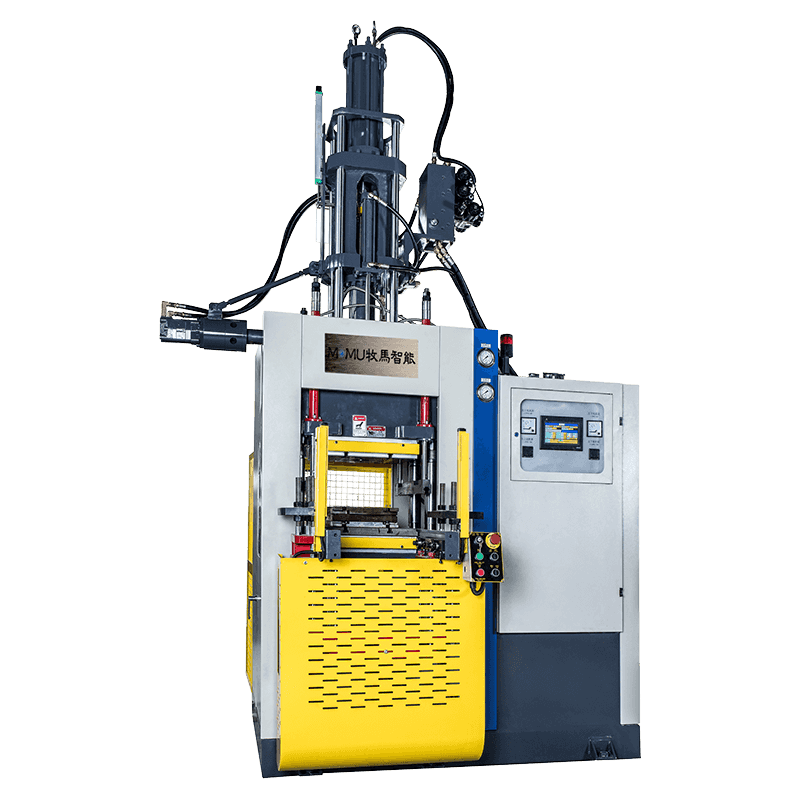 Vertical Rubber and Silicone Injection Molding MachineVertical rubber and silicone injection molding machine for precision complex parts, featuring fast injection, high pressure, and advanced control for consistent production.View Product →
Choosing a FIFO Injection Machine for Your Plant
When you compare quotations, the injection unit deserves the same attention as clamping force and platen size. Ask how much compound sits in the injection chamber between shots, how long that material stays warm, and how the machine handles a stopped cycle. A unit that empties cleanly after each shot is far easier to restart than one that leaves a hot cushion behind.
It also helps to check the practical numbers: maximum shot volume against your heaviest part, plasticizing capacity against your cycle time, and whether the temperature control zones match the compound you run most often. Just as important is what happens after delivery. A supplier with its own service team and spare parts network will keep a FIFO advantage alive for years, while a machine bought on price alone can lose it within months. That is where our own approach comes from, having built rubber injection equipment for molders running very different compounds and part families.
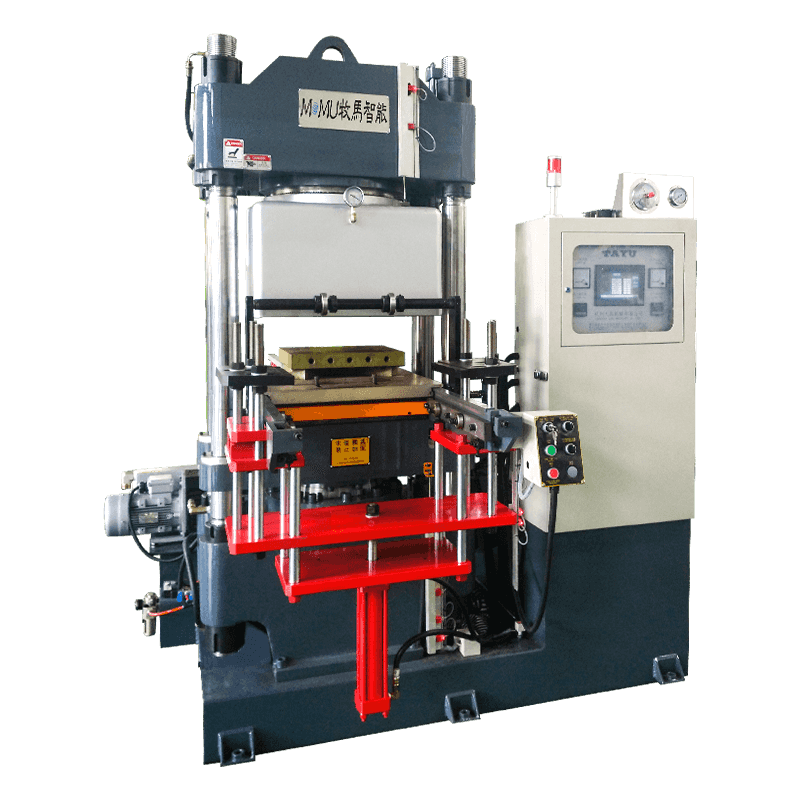
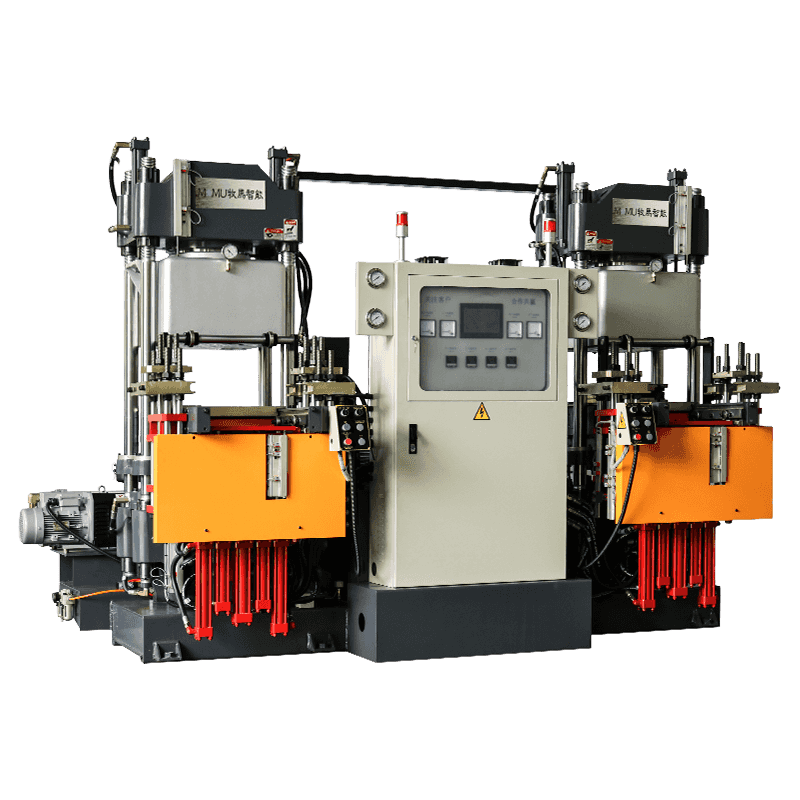
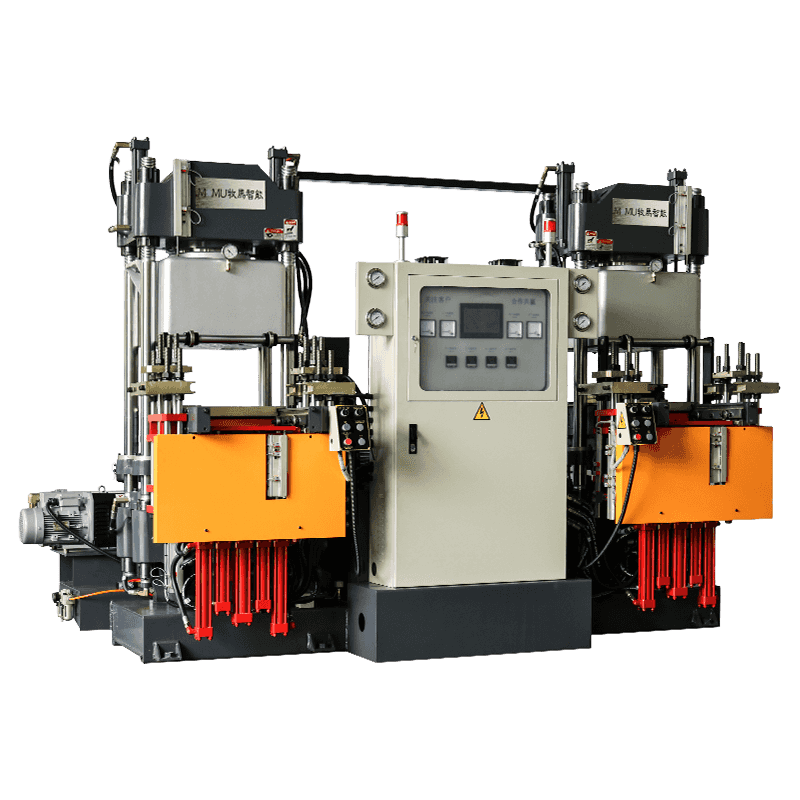
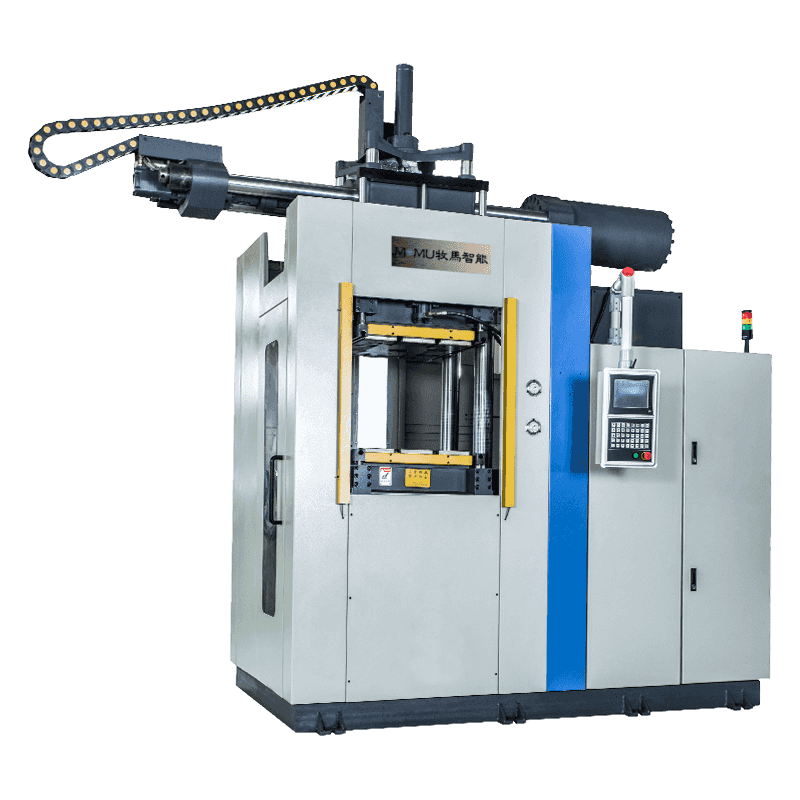 First In First Out Rubber and Silicone Injection Molding MachineFIFO rubber and silicone injection molding machine available in horizontal and vertical configurations, with PLC three-stage control for flexible, consistent production.View Product →
Simple Habits That Protect the FIFO Advantage
Even the best-designed injection unit can be undermined by routine practices. A few habits keep the benefit intact.
- Record the actual residence time for each compound and review it whenever a cycle is slowed down.
- Verify barrel and chamber temperatures with a contact probe, not only with the controller display.
- Purge the injection chamber after a long stoppage rather than pushing the first shot into a good cavity.
- Watch the feed zone for bridging, because uneven feeding disturbs the order material enters the barrel.
- Keep a log of shot weight against setpoint so drift is spotted before it becomes scrap.
Questions We Hear from Molders
Is a FIFO unit always the better choice?
Not automatically. If your parts are small, your cycles are short, and your compound tolerates a wide heat window, a simpler design can be perfectly economical. FIFO earns its place when residence time is a genuine risk to quality.
Can a FIFO injection unit run liquid silicone?
Yes, and it is often the preferred arrangement. Liquid silicone cures quickly at elevated temperature, so limiting how long a metered volume waits in a warm chamber gives you a wider processing window and more consistent cavity fill.
Does FIFO help when the machine feeds an automated line?
It does, because automation removes the operator who used to notice a slow cycle or a rising shot weight. Predictable material behavior becomes the only safeguard, which is part of the reason integrating rubber molding equipment into automated production lines rewards machines with short, repeatable residence times.
FIFO is not a marketing label; it is a description of how material travels through a machine, and it is something you can verify with a stopwatch and a temperature probe. If your current process fights scorch, short shots, or weights that wander by a few grams every shift, the injection unit is a reasonable place to start looking. Tell us what you mold and how your cycles run, and we will help you judge whether a FIFO injection machine is the right answer for your floor, or whether your money is better spent elsewhere.