Search
 English
 中文简体
 Español

Content
- 1 What a Liquid Silicone Mold Clamping Machine Really Does
- 2 Why the Machine Company Matters as Much as the Machine
- 3 Selection Checks for an LSR Clamping Project
- 4 Matching the Clamp to the Mold and Production Plan
- 5 Factory Acceptance, Installation, and Handover
- 6 Maintenance Habits That Protect Uptime
- 7 Questions Worth Asking a Liquid Silicone Mold Clamping Machine Company
- 8 A Practical Next Step
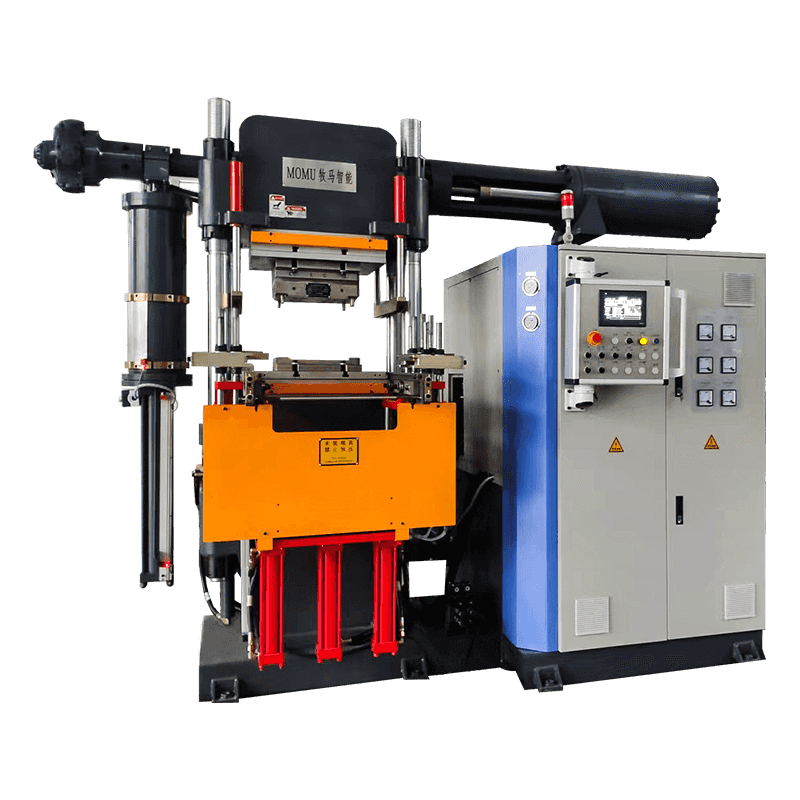
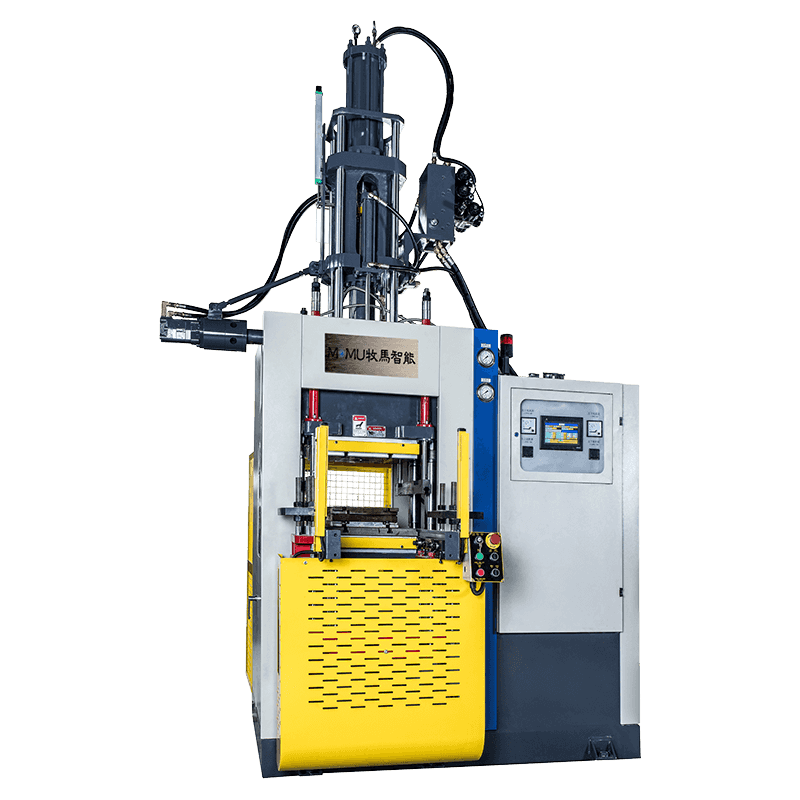
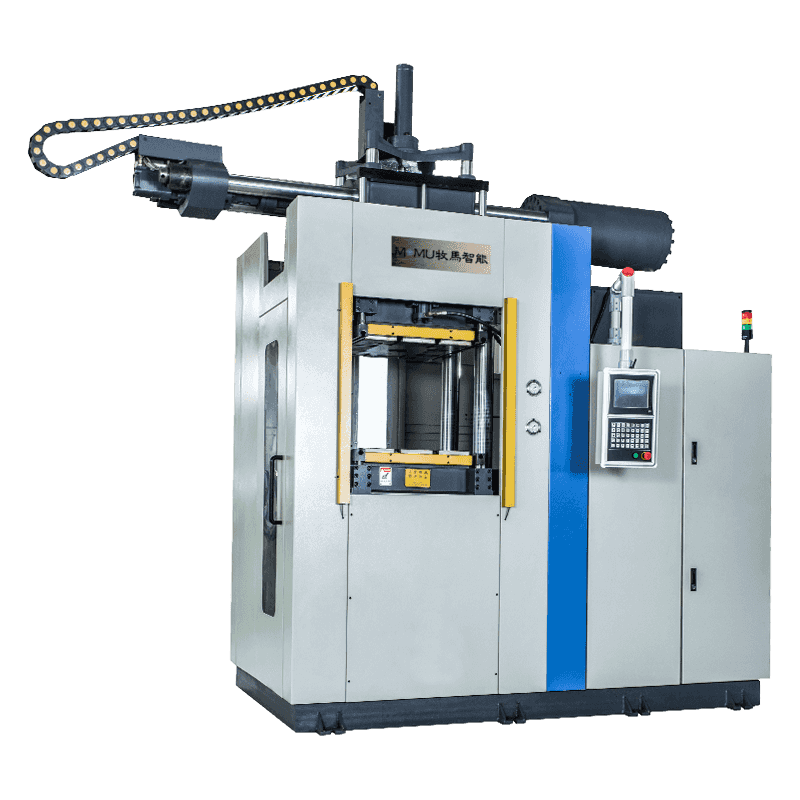
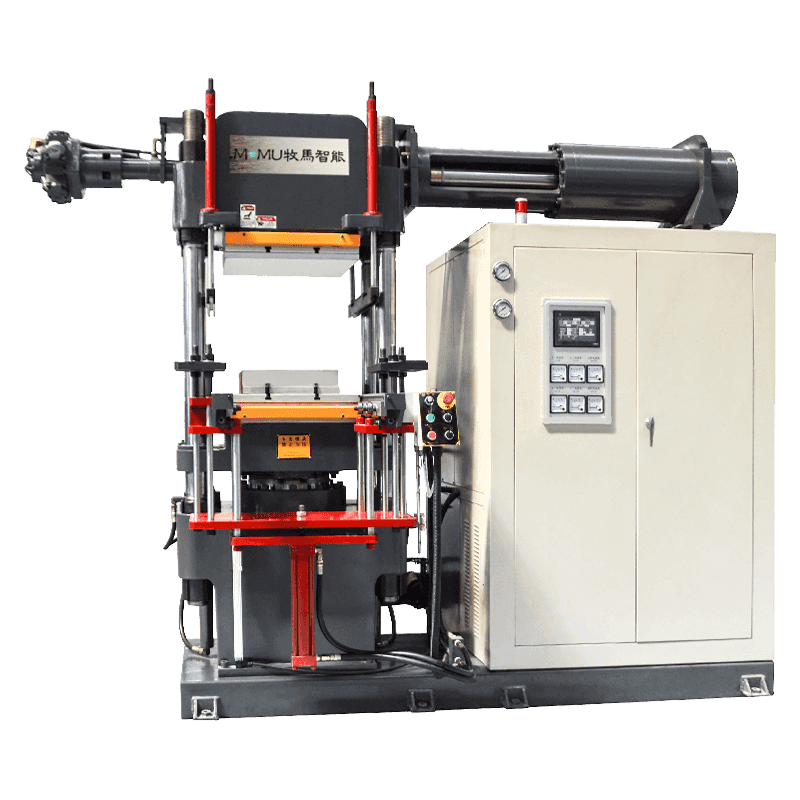
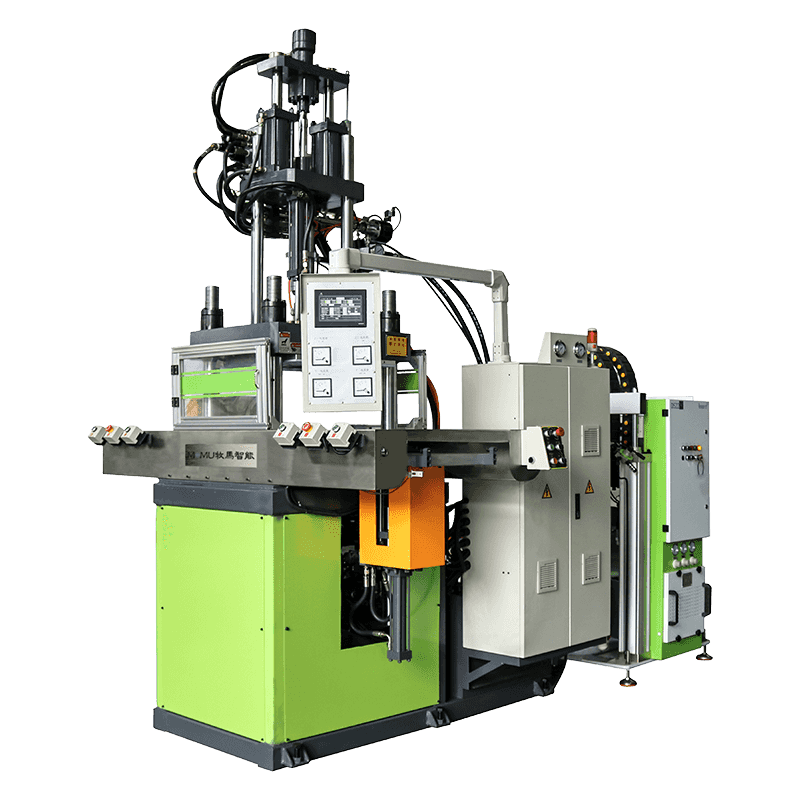
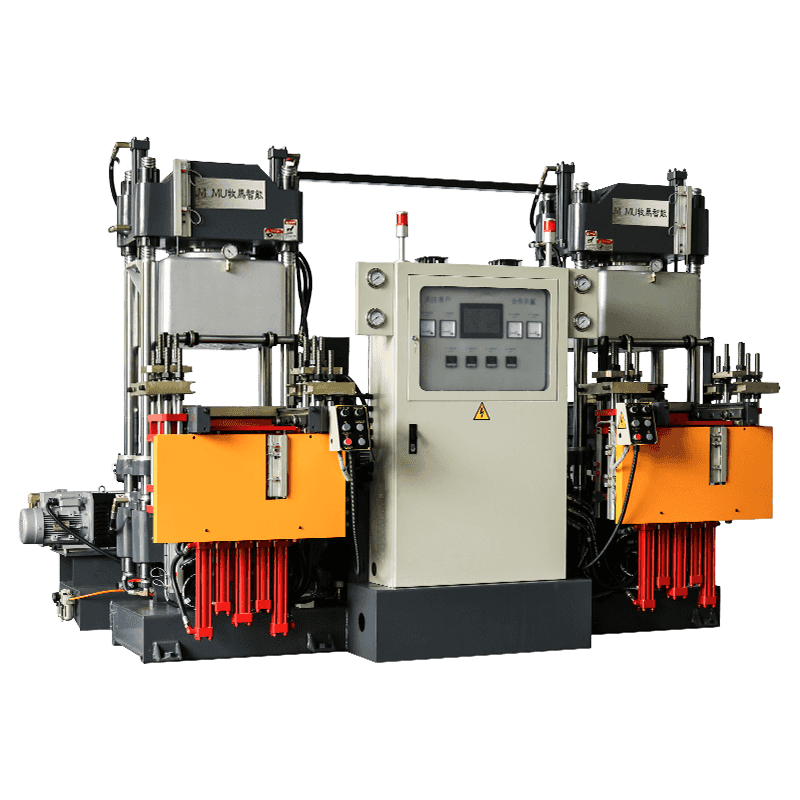
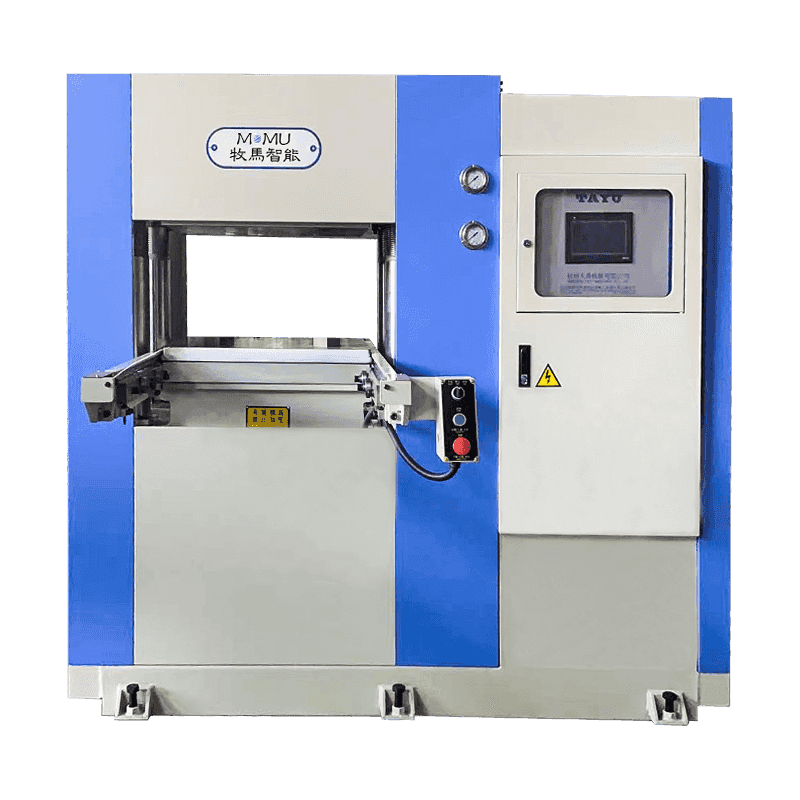
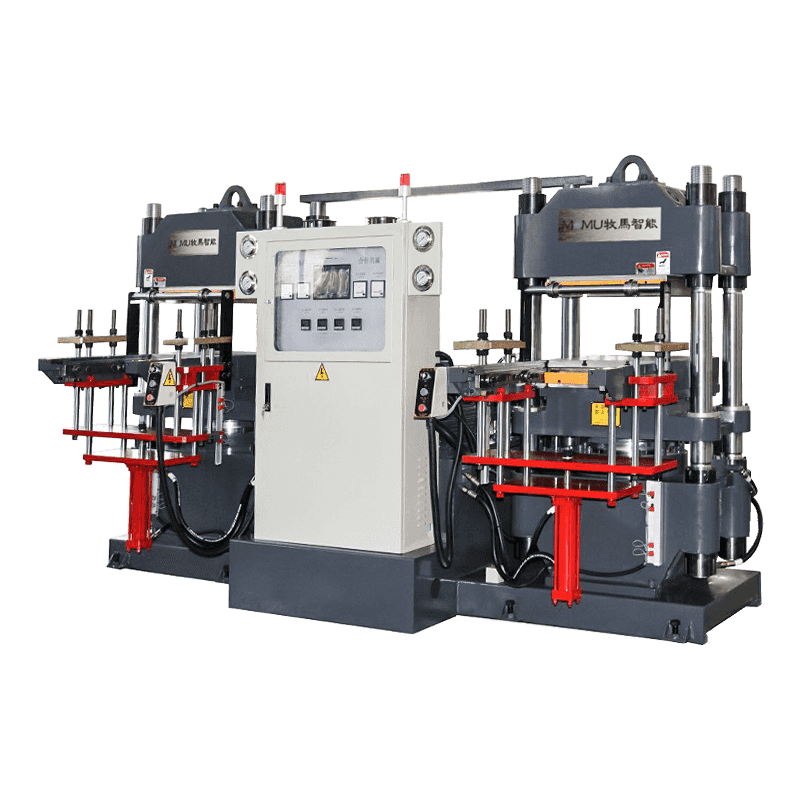
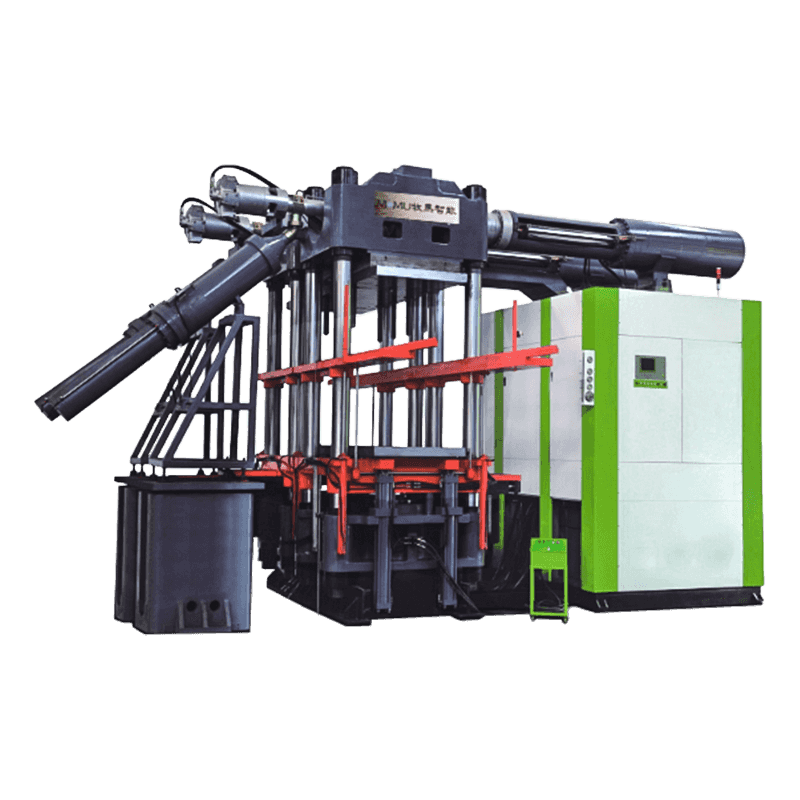
Liquid silicone rubber (LSR) finds every tiny gap at the mold parting line. A clamp that looks adequate on paper can still cause flash, insert damage, or inconsistent demolding. As a liquid silicone mold clamping machine company, we start with the part, the mold, and the production rhythm rather than a tonnage number. Since 2016, our team has built rubber and silicone molding equipment, including LSR clamping and injection units.
What a Liquid Silicone Mold Clamping Machine Really Does
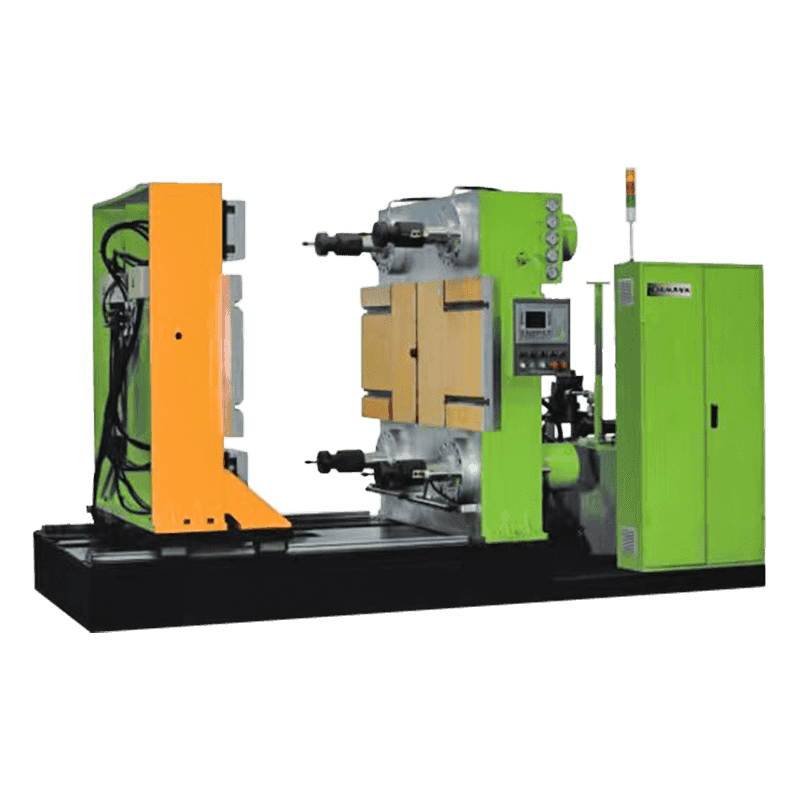
Clamping is more than closing a mold. It holds the halves together during injection, preserves alignment, and opens at the right time for demolding. In LSR, three details matter: repeatable clamp force, platen parallelism, and dependable mold protection. Because LSR is low viscosity, small force variations or uneven platens can show up quickly as flash or dimensional drift.
A dedicated liquid silicone mold clamping machine should also work as part of a system with the injection unit, vacuum system, temperature controls, and automation. When these elements are bought separately without a common process review, cycle variation often follows. The clamp also affects changeover: platen access, mold mounting, guarding, and recipe storage all influence how quickly a team can move from one part to the next.
Why the Machine Company Matters as Much as the Machine
An LSR clamp is only one part of a process. A useful machine builder will ask about cold-runner tooling, vacuum venting, insert location, demolding, and how operators handle flexible parts. LSR behaves differently from thermoplastics: it cures rather than cools, it is often metered in small shots, and mold protection must be sensitive enough to stop a problem without nuisance trips.
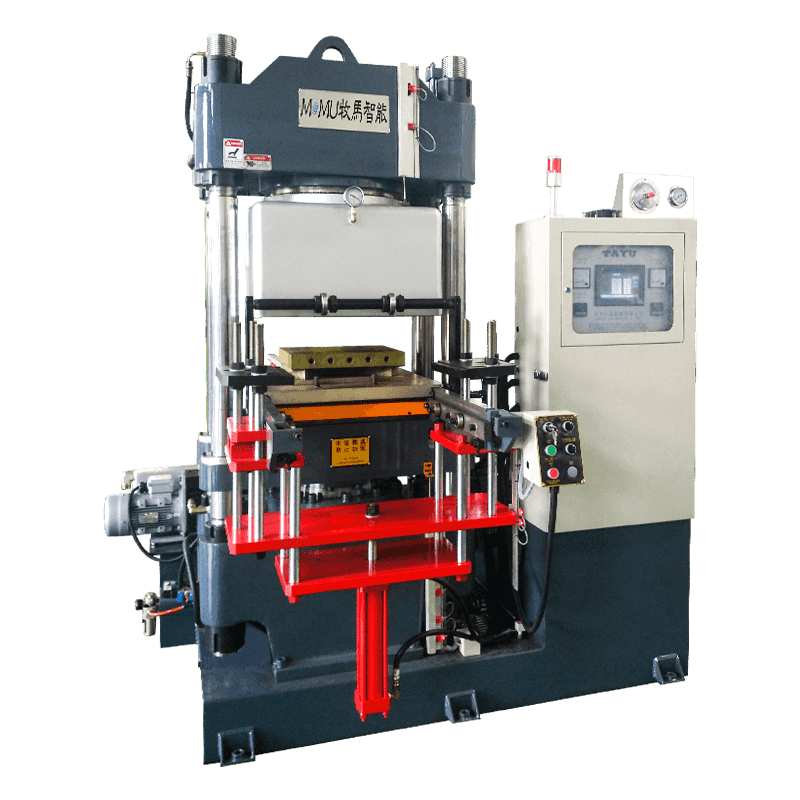
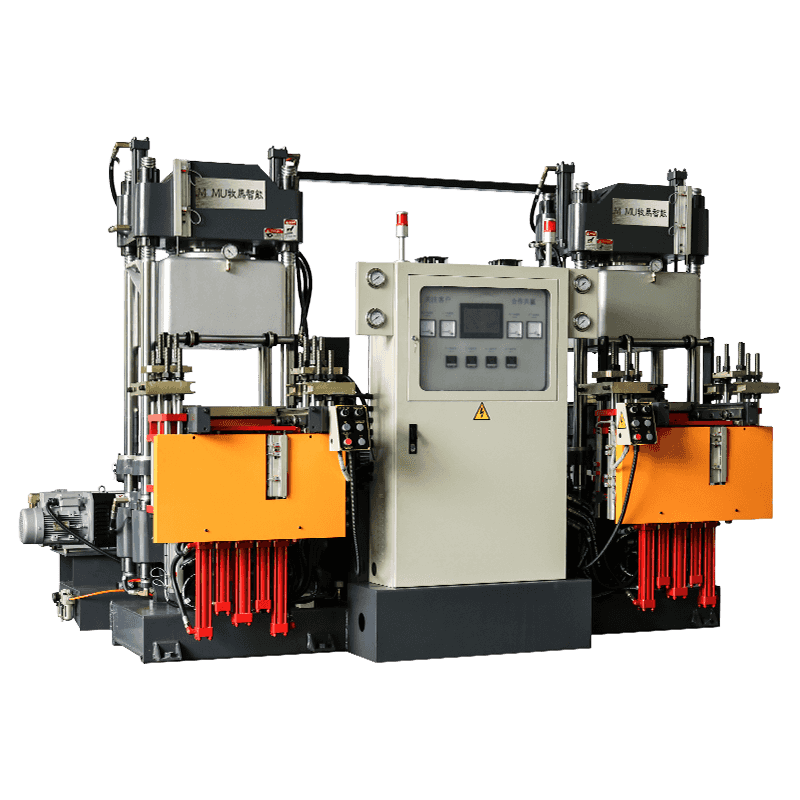
Our own range covers LSR injection molding, silicone rubber injection, compression molding, and vacuum vulcanizing. That breadth helps us see where a clamp fits, but it does not replace a careful review of your mold. The right question is not simply who sells the largest machine, but who can explain the trade-offs clearly and support the trial.
Selection Checks for an LSR Clamping Project
Use the checklist below as a starting point for comparing concepts. Final specifications should always follow mold drawings and process validation.
| Requirement | What to Verify | Why It Matters |
|---|---|---|
| Clamp force | Rated force and usable range | Enough margin for injection pressure and cavity layout |
| Platen size and parallelism | Daylight, flatness, parallelism data | Even pressure and longer mold life |
| Mold protection | Sensitivity and recovery settings | Protects inserts, cores, and small mold features |
| Vacuum and venting | Ports, seals, pump integration | Reduces air traps and flash on LSR |
| Temperature control | Mold heating zones and stability | Supports cure consistency |
| Controls and automation | Recipe storage, robot interface, data logs | Repeatable cycles and traceability |
| Safety and access | Guards, interlocks, maintenance access | Safer setup and faster changeovers |
| Service and spares | Documentation, response, spare list | Protects uptime after installation |
Matching the Clamp to the Mold and Production Plan
Start with the mold drawing, not a generic machine list. Platen dimensions, mold weight, cavity count, steel thickness, insert layout, and the intended demolding method will narrow the field quickly. Then add production reality: target cycle, allowed flash, LSR grade, vacuum needs, and whether a robot or operator removes parts.
A low-cavitation prototype mold may accept a different clamp arrangement than a high-cavitation production mold, even when both use the same silicone. Ask for a clamp-force calculation and a platen layout drawing. If a supplier cannot show how the mold will sit, open, and vent, keep asking questions. A short trial with your mold or a representative mold is more informative than a long specification sheet.
Useful Inputs for a Quotation
- Mold drawing, mold weight, and maximum outer dimensions
- Cavity count, insert details, and expected demolding method
- LSR grade, shot size, target cycle, and acceptable flash level
- Vacuum requirement, heating plan, and automation interface
- Expected changeover frequency and spare-parts expectations
Factory Acceptance, Installation, and Handover
Factory acceptance should include more than an empty dry cycle. Ask for clamp-force verification, platen parallelism records, safety interlock checks, mold protection tests, and a run with a representative mold if possible. Confirm the control recipes, alarm list, spare-parts list, and maintenance manual before shipment.
During installation, check leveling, hydraulic and electrical connections, guarding, and operator training. The first production trial should record actual clamp force, mold temperature, cure time, shot size, and demolding result. That record becomes the baseline for later troubleshooting. A clear handover is part of the machine, not an optional extra.
Maintenance Habits That Protect Uptime
Most clamping problems we see are basic rather than exotic: dirty platen faces, worn seals, loose sensors, or mold protection settings changed without a note. Keep a daily check for leaks, unusual noise, guard function, and platen cleanliness. Monthly, review lubrication, hydraulic filters, and safety interlocks. Annually, verify clamp force and parallelism and inspect guides and seals.
A simple log book with dates, readings, and actions is more useful than a complicated plan no one follows. When a fault appears, record the recipe, mold, and alarm before changing settings; that small habit saves hours later. Keep critical seals, sensors, and mold-protection components identified so a spare can be ordered without guesswork.
Questions Worth Asking a Liquid Silicone Mold Clamping Machine Company
When comparing a liquid silicone mold clamping machine company, ask for the process review, not only the price. Useful questions include: How was clamp force selected? Which mold protection method is used? How is vacuum integrated? What parallelism tolerance is measured, and how? Which spare parts should be stocked? Who supports commissioning and training? What information is needed for a trial?
A supplier who answers with drawings, checklists, and clear assumptions is easier to work with than one who offers only a catalogue. Price still matters, but compare it with uptime, scrap rate, and support.
A Practical Next Step
If you are developing an LSR part, prepare the mold drawing, platen size, LSR grade, target cycle, insert details, and automation plan. Those inputs let a machine builder give a grounded recommendation instead of a guess. Our team is happy to review the application with you and explain where a dedicated clamp helps and where another configuration may be more sensible.